
How to Choose the Right Bellow Valve Supplier?
FLUID HANDLING EXPERTS

Blog, all our news

How to Choose the Right Bellow Valve Supplier?

Choosing the right Bellow Valve supplier begins with more than comparing prices. It requires a clear understanding of pressure, temperature, media, cycling frequency, and installation conditions. A valve handling hot steam may need a different bellows alloy than one used with corrosive chemicals. Small details matter.

As valve engineering consultant Dr. John H. Lunsford explains, “A reliable valve begins with a reliable decision about service conditions.” This principle should guide every supplier discussion. Ask whether the manufacturer performs helium leak testing, weld inspections, pressure testing, and documented cycle testing. Request material certificates, dimensional drawings, and traceability records. These documents reveal how seriously the supplier treats reliability.

Experience also matters. A capable Bellow Valve supplier should explain bellows design, body materials, end connections, and maintenance limits without hiding behind vague promises. Look for evidence from similar applications, such as chemical plants, vacuum systems, or high-temperature pipelines. Speak with technical staff, not only sales representatives.

Cost still deserves attention. However, the lowest quotation may exclude testing, spare parts, or proper technical support. That mistake can become expensive after installation. I have also seen buyers focus heavily on certifications while overlooking delivery control and replacement availability. Compliance alone does not guarantee practical performance.

No supplier is perfect. That is worth remembering. Choose one that admits limitations, answers difficult questions, and documents its decisions clearly. A dependable partnership should continue after shipment, when the Bellow Valve meets real pressure, real heat, and real operating demands.
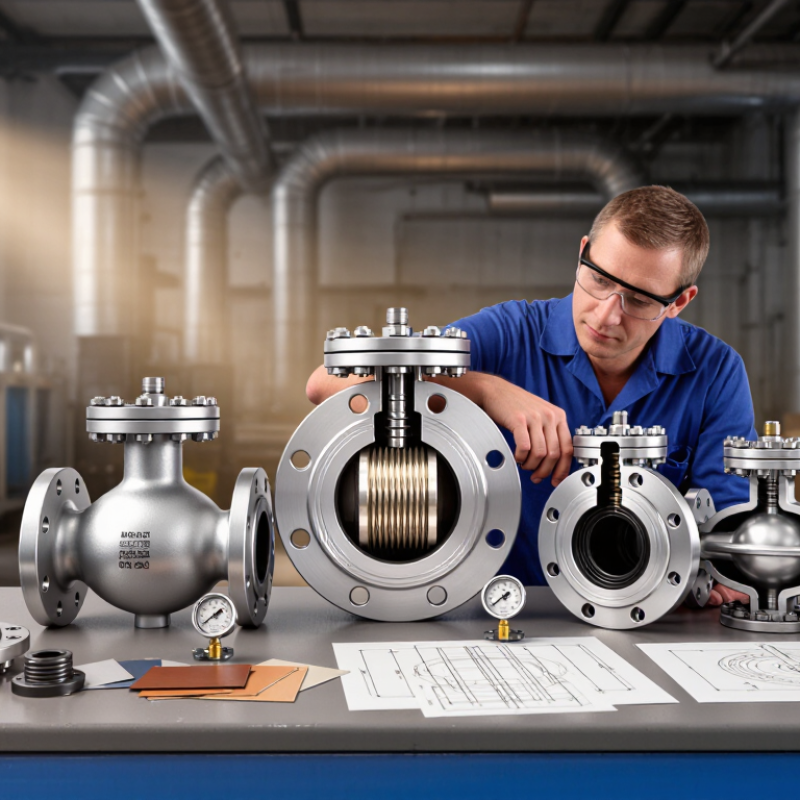
How to Choose the Right Bellow Valve Supplier?

Understanding Bellow Valves and Their Industrial Applications

How to Choose the Right Bellow Valve Supplier?

Bellows valves use a flexible metal bellows to isolate the moving stem from the process fluid.

This design reduces fugitive emissions and protects sensitive media from outside contamination. It is useful in chemical processing, high-vacuum equipment, pharmaceutical production, and semiconductor systems.

A small leak matters.

The valve must match the process, not merely the pipe size.

Check the bellows material, body alloy, pressure rating, temperature range, and expected operating cycles. For corrosive fluids, material compatibility requires careful review. Vacuum service also demands low outgassing and clean internal surfaces. In thermal systems, repeated expansion can expose weak designs.

A capable supplier should provide cycle-test results, pressure-test records, material certificates, and clear inspection procedures.

Ask how the bellows are welded and tested. Helium leak testing may be essential for vacuum or hazardous applications. Traceable documentation improves maintenance decisions years later.

During field reviews, engineers often discover that operators selected valves by price alone. That shortcut can create costly downtime.

Supplier experience should include application guidance, not only product drawings.

Request support with sizing, installation orientation, actuator selection, and replacement planning. A practical supplier will discuss failure modes openly.

No specification is perfect. I have seen operating data change after installation, especially when temperatures fluctuate more than expected.

Leave room for review, testing, and honest correction before final approval.

Defining Your Technical and Operational Requirements

How to Choose the Right Bellow Valve Supplier?

Defining Your Technical and Operational Requirements

A reliable supplier search starts with the process, not the catalog. Define the fluid, pressure, temperature, flow direction, and operating frequency. Record both normal and extreme conditions. A valve handling clean steam may fail quickly in abrasive slurry. Material compatibility matters.

Specify the connection size, end standard, body material, bellows construction, and actuator type. Include allowable leakage, response time, installation space, and maintenance access. Double-check the pressure class. Small misunderstandings can create expensive redesigns. A complete data sheet should also state cycle life, testing methods, and inspection points.

Operational requirements deserve equal attention. Ask how spare parts are identified and whether maintenance instructions are practical for your technicians. Request material certificates, pressure-test records, dimensional drawings, and traceable production documents. These records show more than polished sales language. They reveal process discipline.

A supplier should explain its quality controls clearly. It should also discuss unusual service conditions without avoiding difficult questions. I would challenge any recommendation based only on temperature or pressure. Real performance depends on the combination of media, movement, vibration, and installation quality. A perfect specification rarely exists. Leave room for review after pilot testing, because field conditions often expose assumptions hidden in the original design.

How to Choose the Right Bellow Valve Supplier?

Defining Your Technical and Operational Requirements

The chart presents a practical 100-point planning baseline for supplier evaluation. Technical factors receive the highest weighting because pressure-temperature capability, media compatibility, and leakage control directly affect valve safety and service life. Operational factors such as traceability, lead time, and after-sales support help reduce installation delays and long-term maintenance risk. Adjust the weighting to match your process conditions, applicable standards, and purchasing priorities.

Evaluating Supplier Quality, Certifications, and Manufacturing Capabilities

When evaluating a bellows valve supplier, inspect evidence, not polished promises. ISO’s Survey 2023 recorded more than 1.26 million ISO 9001 certificates worldwide. That scale makes certification common, not automatically meaningful. Ask for the certificate scope, issuing body, expiry date, and covered factory. Then compare it with the valve’s actual production route. Does the scope include welding, cleaning, testing, and final release?

Experienced teams should request material heat numbers, weld maps, and inspection records. For bellows valves, verify forming controls, cycle testing, pressure testing, and helium leak testing. Use applicable requirements from ASME B16.34, API 598, or EN 12266, depending on service conditions. Do not accept a generic test certificate. Request calibration records, acceptance limits, and a sample report with sensitive data removed. Trace one serial number backward, from shipment to raw material. This often exposes weak document control.

Manufacturing capability is visible in equipment and behavior. Look for controlled welding procedures, qualified operators, calibrated instruments, clean assembly areas, and documented corrective actions. An on-site audit is stronger than a slide deck, although audits can miss night-shift problems. Ask how the supplier manages design changes, subcontractors, rejected parts, and delayed deliveries. My checklist can still miss an unstable process. Therefore, score evidence, responsiveness, and repeatability separately. A low price can hide risk. That risk usually appears after production stops.

Comparing Pricing, Delivery Terms, and Customer Support

Choosing the right bellow valve supplier requires more than comparing the lowest quotation. In field purchasing, I have seen a cheap offer become expensive after freight, testing, and spare-part costs appeared. Request an itemized price covering the valve, actuator, inspection, packaging, and delivery. Ask whether taxes, insurance, and export documents are included. Small omissions matter.

Delivery terms deserve equal attention. Confirm the manufacturing lead time in writing, not only the estimated shipping date. A reliable supplier should explain production milestones, factory inspection access, and the response process for delays. Check the agreed delivery point and transport responsibilities carefully. One unclear term can create a week of avoidable coordination. If your project schedule is tight, request a realistic buffer. I once trusted an optimistic date too quickly, and the installation team waited with unused equipment.

Customer support reveals technical maturity. Before placing an order, send practical questions about pressure ratings, materials, operating temperature, and maintenance intervals. Measure how clearly and quickly the supplier responds. Good support should provide drawings, certificates, installation guidance, and traceable inspection records. After-sales help also matters; ask who handles replacement parts and technical troubleshooting. Fast replies are useful, but accurate replies are better. A supplier may sound professional while avoiding difficult questions. That is a warning. Keep all promises in the purchase documents, because informal assurances can disappear when responsibilities become complicated.

How to Choose the Right Bellow Valve Supplier? - Comparing Pricing, Delivery Terms, and Customer Support
Supplier Profile Typical Valve Specification Unit Price Range
(USD)
Minimum Order Production Lead Time Shipping Terms Warranty Technical Support Response Time Customization Capability Overall Assessment
Supplier A
Standard Industrial
DN25–DN100
Stainless steel bellows-sealed globe valve
PN16–PN40
$185–$620 2 units 4–6 weeks FCA or FOB
Freight quoted separately
12 months Business-hours email support
Standard documentation package
Within 1 business day Trim, end connection, and material options available Balanced value
Supplier B
Fast-Delivery Specialist
DN15–DN80
Bellows-sealed globe valve
Class 150–300
$240–$780 1 unit 2–4 weeks
Selected sizes in stock
EXW, FCA, or DAP
Expedited freight available
12 months Dedicated order contact
Expediting and shipment updates
Within 4 business hours Limited to standard materials and dimensions Best for urgent orders
Supplier C
Engineered-Service Supplier
DN25–DN150
High-temperature bellows-sealed valve
PN40–PN100
$420–$1,450 1 unit 6–10 weeks FCA or CIF
Export documentation included
18 months Application review, material selection, and installation guidance Within 1 business day High customization potential for pressure, temperature, and end connections Best for complex projects
Supplier D
Cost-Focused Exporter
DN15–DN100
Carbon or stainless steel body
PN16–PN40
$125–$460 5 units 5–8 weeks FOB only
Buyer arranges main freight
12 months Basic email support
Standard operating manual
Within 2 business days Available with advance approval and volume commitment Lowest initial cost
Supplier E
Quality-Assurance Focused
DN25–DN200
Stainless steel bellows-sealed valve
PN16–PN63
$310–$980 1 unit 5–7 weeks CPT or CIP
Inspection documents available
24 months Pre-shipment inspection support
Traceability and test-record review
Within 8 business hours Material certificates, testing, and special inspection options Strong quality control
Comparison notes: Price ranges are representative commercial benchmarks for industrial bellows-sealed valves and can vary according to size, pressure class, body and bellows material, actuator requirements, testing, certification, order quantity, and destination. Confirm the final quotation, Incoterms, production schedule, warranty conditions, and technical documentation before placing an order.

Selecting the Supplier and Verifying Long-Term Reliability

How to Choose the Right Bellow Valve Supplier?

Selecting a bellows valve supplier requires more than comparing prices. Long-term reliability begins with proven manufacturing experience. Ask how the supplier controls welding, cleaning, pressure testing, and final inspection. Request material certificates and traceability records for every pressure-retaining component. Experienced suppliers should explain their test methods clearly, not hide behind technical language. Check whether each valve receives helium leak testing, cycle testing, and seat performance verification. These details reveal more than a polished website.

A reliable supplier also supports the valve after delivery. Review spare-part availability, repair procedures, response times, and technical documentation. Speak with users who have operated similar valves in vacuum, corrosive, or high-temperature systems. Their experience may expose weaknesses that factory samples cannot show. During an audit, inspect storage areas and calibration records. Small details matter. A clean assembly bench suggests discipline, although it does not prove everything. I would also compare actual delivery records with promised lead times. Delays often become expensive during plant maintenance.

Tips: Define the service conditions before requesting quotations. Include pressure, temperature, media, cycling frequency, connection type, and required leakage rate. Ask for a sample inspection report and a realistic maintenance schedule. Verify certifications through independent records when possible. Do not select the lowest quote automatically. A cheaper valve may carry higher replacement and downtime costs. Leave room for doubt, too. Even a strong supplier can make mistakes, so require clear acceptance criteria, documented corrective actions, and regular performance reviews.

Copyright 2025 Fluidra S.A. | Created by BCM Marketing Agencia Privacy Policy Legal note | Cookie policy |

Technical cookies are strictly necessary for our website to work and you can navigate through it. These types of cookies are those that, for example, allow us to identify you, give you access to certain restricted parts of the page if necessary, or remember different options or services already selected by you, such as your privacy preferences. Therefore, they are activated by default, your authorization not being necessary in this regard. Through the configuration of your browser, you can block or alert the presence of this type of cookies, although such blocking will affect the proper functioning of the different functionalities of our website.


The analysis cookies allow us to study the navigation of the users of our website in general (for example, which sections of the page are the most visited, which services are used most and if they work correctly, etc.). From the statistical information on navigation on our website, we can improve both the operation of the page itself and the different services it offers. Therefore, these cookies do not have an advertising purpose, but only serve to make our website work better, adapting to our users in general. By activating them you will contribute to this continuous improvement. You can enable or disable these cookies by checking the corresponding box, being disabled by default.


Functionality cookies allow us to remember your preferences, to personalize certain characteristics and general options of our website, every time you access it (for example, the language in which the information is presented to you, the sections marked as favorites, your browser type, etc.) Therefore, this type of cookies does not have an advertising purpose, but by activating them you will improve the functionality of the website (for example, adapting to your type of browser) and the customization of it based on your preferences (for example, by presenting the information in the language that you have chosen in previous occasions), which will contribute to the ease, usability and comfort of our page during your navigation. You can enable or disable these cookies by checking the corresponding box, being disabled by default.


Advertising cookies allow us to manage the advertising spaces included in our website based on criteria such as the content shown or the frequency in which the ads are displayed. For example, if you have been shown the same ad several times on our website, and you have not shown a personal interest by clicking on it, it will not appear again. In summary, by activating this type of cookies, the advertising shown on our website will be more useful and diverse, and less repetitive. You can enable or disable these cookies by checking the corresponding box, being disabled by default.


Behavioral advertising cookies allow us to obtain information based on the observation of your browsing habits and behaviors on the web, in order to show you advertising content that best suits your personal tastes and interests. To understand it in a very simple way, we will give you a fictitious example: if your last searches on the web were related to suspense literature, we would show you advertising about suspense books. Therefore, activating this type of cookies, the advertising that we show you on our website will not be generic, but will be oriented to your searches, tastes and interests, therefore adjusting exclusively to you. You can enable or disable these cookies by checking the corresponding box, being disabled by default.
To understand it in a very simple way, we will give you a fictitious example: if your last searches on the web were related to suspense literature, we would show you advertising about suspense books. Therefore, activating this type of cookies, the advertising that we show you on our website will not be generic, but will be oriented to your searches, tastes and interests, therefore adjusting exclusively to you. You can enable or disable these cookies by checking the corresponding box, being disabled by default.

SAVE

We use our own and third-party cookies to ensure the proper functioning of the website and to analyse our services, improve your experience on our website and show you advertisements related to your interests according to profiling based on your browsing habits (e.g. websites visited). You can accept all cookies by clicking "ACCEPT" or set or reject them by clicking here. If you would like to know more about the use of cookies, please see our COOKIE POLICY.


ACCEPT ALL
Reject no essentials


