Choosing the right ball valves is crucial in various applications. These components control the flow of fluids with precision and reliability. Their importance cannot be overstated in plumbing, manufacturing, and other technical industries. However, selecting the right valve can be challenging.
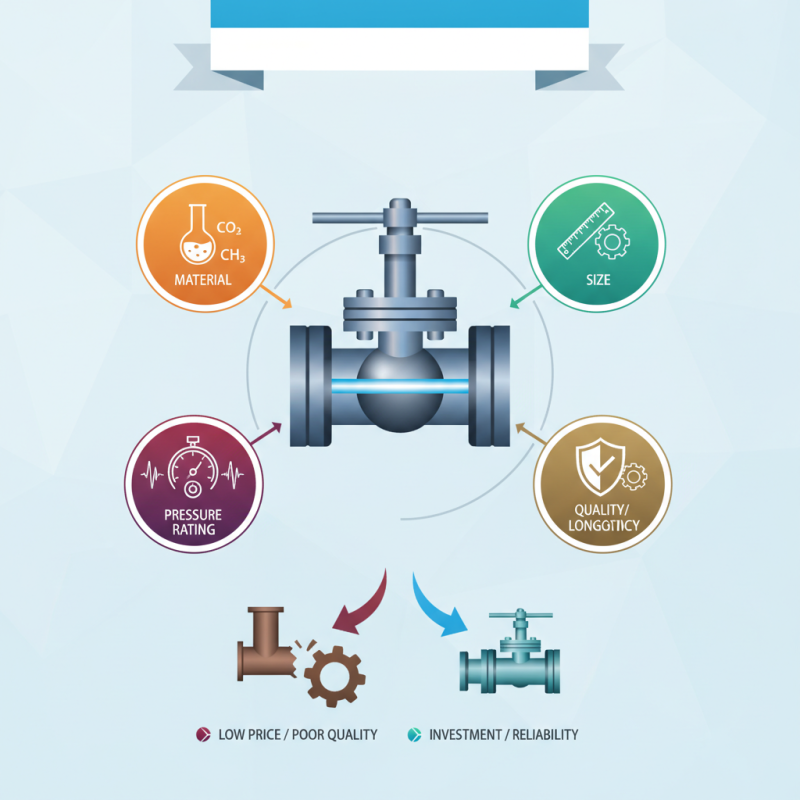
When it comes to ball valves, several factors influence their effectiveness. Factors like material, size, and pressure rating require careful consideration. A valve made of the wrong material may corrode or fail. Similarly, the wrong size can lead to inefficiency or leaks. Understanding these aspects can save time and money.
Many users ignore quality, opting for lower prices instead. This can result in poor performance or frequent replacements. Investing in high-quality ball valves ensures reliability and longevity. It may also prevent costly downtime. Therefore, take the time to evaluate your needs and the options available carefully. Balancing quality with budget is essential for a successful outcome.
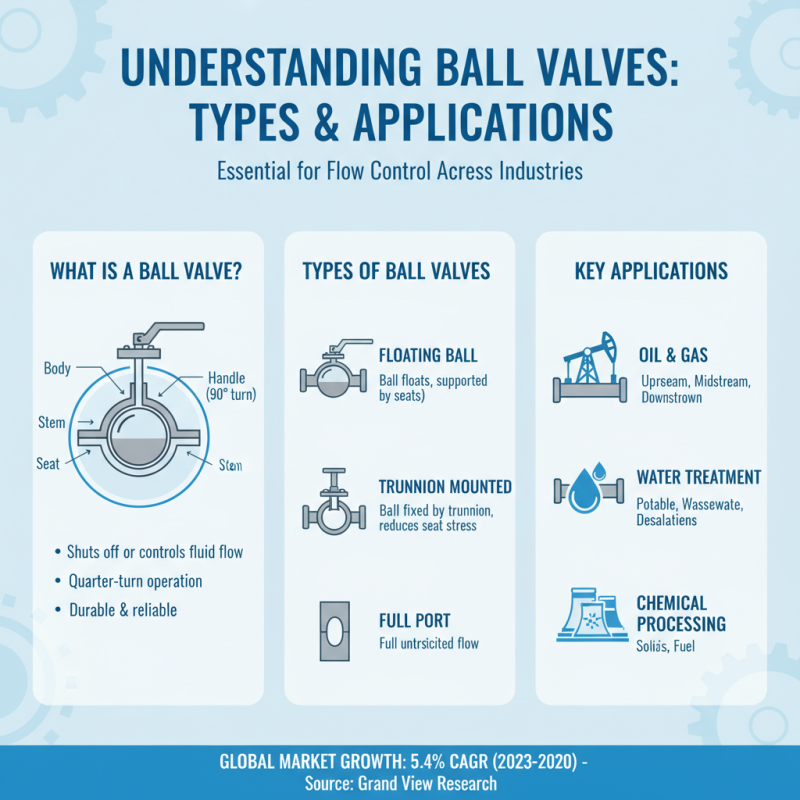
Ball valves play a crucial role in various industries, from oil and gas to water treatment. Their reliability and efficiency make them a popular choice for controlling the flow of liquids and gases. According to a recent market report by Grand View Research, the global ball valve market is expected to grow at a CAGR of 5.4% from 2023 to 2030. This growth indicates increasing demands in various sectors, highlighting the importance of understanding different types and applications of ball valves.
There are several types of ball valves: floating, trunnion-mounted, and multi-port. Floating ball valves are widely used for low-pressure applications. They feature a ball that floats between two seats, making them suitable for water and natural gas. Trunnion-mounted valves, however, are ideal for high-pressure environments. They provide increased stability when handling larger volumes. Each type serves distinct functions, impacting their efficiency and longevity. Data from Industry Week suggests that proper selection can enhance operational performance by up to 30%.
Understanding the specific application is essential for optimal selection. For instance, multi-port valves offer versatility, allowing the flow direction to change without complex piping. Yet, they may also introduce potential leak points. Those operating in corrosive environments must choose materials carefully to prevent degradation. A study by the American Society of Mechanical Engineers indicates that improper material selection can lead to failure rates exceeding 20%. This highlights the need for thorough research and understanding when choosing the right ball valve for any project.
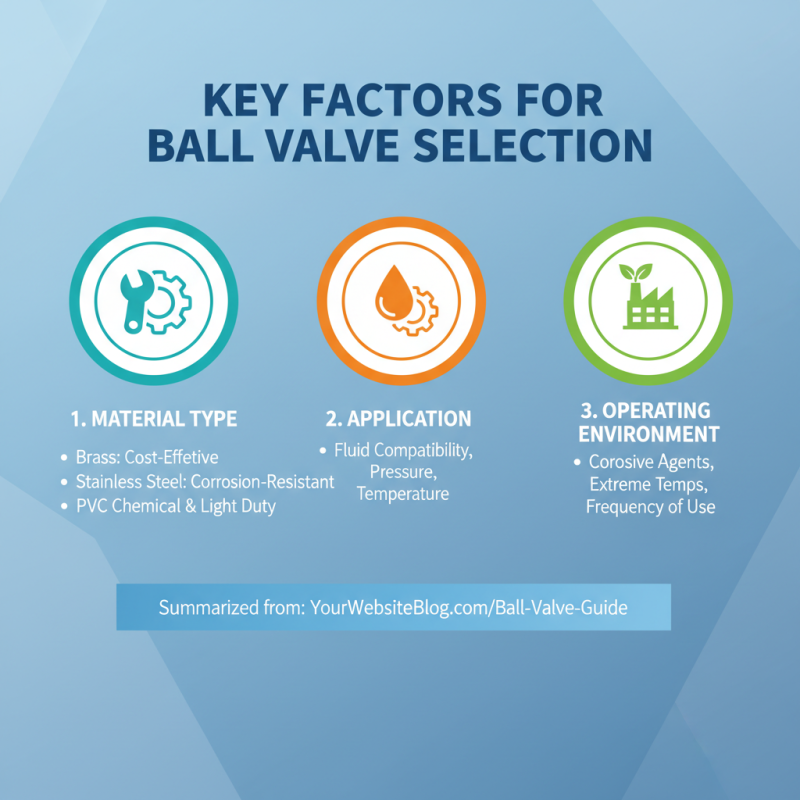
When choosing the right ball valves, it's essential to consider several key factors. The material of the valve is crucial. Common options include brass, stainless steel, and PVC. Each material has distinct advantages and disadvantages. For instance, stainless steel offers corrosion resistance, while brass is more cost-effective. Think carefully about your specific application and the environment the valve will operate in.
Pressure and temperature ratings are other vital considerations. Each valve is designed to withstand certain conditions. If these ratings are exceeded, the valve may fail. A failure could lead to costly damages or even safety hazards. Examine both the maximum and minimum limits to ensure reliable performance.
Another factor to explore is the valve size. It’s important to match the valve size with your piping system. Misalignment can lead to leaks or blockages. Check the specifications of your system before making a selection. Sometimes, it may be tempting to oversize or undersize. But doing so could compromise efficiency, leading to inefficiencies you might overlook. Keep these factors in mind for a more informed decision.
Choosing the right ball valve requires careful consideration of material options. The material significantly impacts durability and reliability. Common materials include brass, stainless steel, and plastic. Each has its strengths and weaknesses. For instance, brass is known for its corrosion resistance and affordability. Yet, it may not be suitable for high-pressure applications.
Stainless steel offers excellent strength and resistance to harsh environments. However, it can be more expensive and heavy. Plastic ball valves are lightweight and resistant to chemicals, but they might not handle high temperatures well. It's essential to evaluate the application needs before making a choice.
Reflecting on experiences, many users overlook long-term costs. Valve material can contribute to maintenance expenses over time. Regular inspections are crucial to ensure optimal performance. Ignoring these factors can lead to unexpected failures. Ultimately, understanding material choices helps in selecting the best ball valve for your specific requirements.
| Material | Temperature Resistance (°C) | Pressure Rating (PSI) | Corrosion Resistance | Cost (USD) |
|---|---|---|---|---|
| Brass | -20 to 150 | 150 | Moderate | 20-50 |
| Stainless Steel | -80 to 260 | 300 | High | 50-100 |
| PVC | 0 to 60 | 150 | Low | 5-15 |
| Bronze | -20 to 200 | 250 | Moderate | 30-70 |
| PTFE Lined | -50 to 200 | 150 | Very High | 100-200 |
When selecting a ball valve, understanding flow and pressure ratings is crucial. The size of your valve directly impacts its performance. A valve that is too small can restrict flow, while one that is too large may not maintain the required pressure. Assess the specific needs of your application. Consider the type of liquid or gas being used, as different materials can have unique flow characteristics.
Tips for sizing your ball valve include checking the pipe diameter and the system operating pressure. Use flow charts to determine the best valve size for your needs. It’s essential to factor in any potential pressure drops that may occur in your system. Documenting your current flow rate will help you make informed decisions. You might find that a smaller valve could be sufficient, but confirm through testing.
Be aware of the limitations in your system. A valve that works successfully in one setup may not perform as expected in another. Reflect on past experiences where sizing issues arose. Adjustments may be necessary, especially as your system evolves. Continual learning is key. Ensure to revisit your specifications regularly to adapt to changing needs.
When installing ball valves, proper placement is crucial. Ensure the valve is aligned with the flow direction. An incorrect installation can lead to leaks and system failures. Use the right tools to tighten connections. Over-tightening can cause damage, while under-tightening may result in slippage. Always consult installation guidelines to avoid common pitfalls.
Regular maintenance is essential for optimal performance. Inspect valves periodically for signs of wear and tear. Rust or corrosion can compromise functionality. Lubrication is key; it minimizes friction and enhances movement. Check seals and gaskets for any deterioration. Replace parts as needed to prevent failures. Document maintenance actions to track valve conditions over time.
Sometimes, even with the right precautions, issues arise. Troubleshooting unexpected leaks or valve failures can be frustrating. It’s important to reflect on previous maintenance practices. Learning from these experiences can lead to better decision-making in the future. Having a clear record of your installations and maintenance will help in identifying patterns and potential areas for improvement.
This chart highlights the key factors to consider when choosing the right ball valves, rated on a scale from 1 to 10 in terms of their importance. Material quality receives the highest rating, underlining its critical role in ensuring optimal performance and longevity.

Cepex is the brand for the fluid handling market belonging to the Fluidra group. One of the leading european manufacturer of valves and fittings in thermoplastic materials.
Dedicated to the swimming pool, irrigation and industrial markets, we distribute our products worldwide with the Fluidra commercial network and presence in 46 countries with 136 sales branches.