
How to Choose the Best Tapping Tool for Your Projects?
FLUID HANDLING EXPERTS

Blog, all our news

How to Choose the Best Tapping Tool for Your Projects?

Selecting the right Tapping Tool is crucial for any project involving threaded holes. A quality tapping tool can dramatically enhance efficiency and precision. Understanding various options can help ensure you select the best one for your needs.

Tapping tools come in different materials and designs. Common types include spiral point taps, spiral flute taps, and the less frequently used adjustable taps. Each serves unique functions. For example, spiral point taps are designed for through holes, while spiral flute taps excel in blind holes. Knowing the specific requirements of your project can make a significant difference.

As you begin your selection process, consider the material of the workpiece. This decision influences which tapping tool will be effective. Additionally, reflect on previous experiences; maybe a tap struggled with a tough material. Such reflections help you avoid future pitfalls. Investing time in understanding tapping tools can lead to better project outcomes. Your choice impacts both the quality of your work and the longevity of your tools.
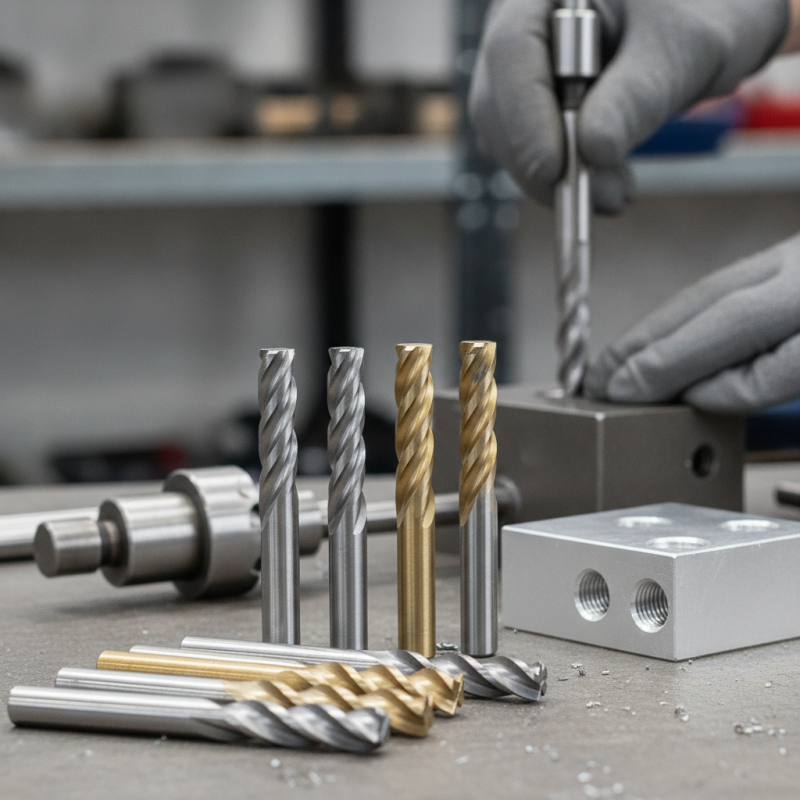
How to Choose the Best Tapping Tool for Your Projects?

Understanding the Different Types of Tapping Tools Available

Choosing the right tapping tool can significantly impact your project outcomes. Various types serve different needs. Hand taps are simple and versatile, suitable for beginners. They’re ideal for soft materials and small holes. However, they demand more manual effort, which can lead to inconsistent results.

Machine taps are designed for automating the process. They work well with harder materials and provide precise threads. This tool allows for quicker production but may require an investment in equipment. Yet, improper use could lead to breaking or dulling the tap. This situation often reflects a need for better technique and care.

Consider spiral fluted taps for blind holes. They efficiently remove chips while creating threads. However, many overlook this tool, resulting in ineffective drilling. Alternatively, straight fluted taps are a classic choice. They’re effective but often struggle with chip removal. It's essential to review each project’s unique demands before deciding. Each tool has its strengths and weaknesses. Misunderstanding these can lead to frustration. Most importantly, think about the material and depth before making a choice.

Factors to Consider When Selecting a Tapping Tool for Your Project

Selecting the right tapping tool requires careful consideration of various factors. First, assess the material of your workpiece. Different metals respond uniquely to tapping. For instance, softer materials like aluminum require different tools than harder ones like stainless steel. This mismatch can lead to tool wear or breakage.

Next, consider the tapping method. Hand tapping and machine tapping are two common techniques. Hand tapping allows for greater control, but machine tapping provides efficiency for bulk projects. Evaluate your project's needs. Are you working with precision parts or bulk items? This will influence your choice significantly.

Another crucial factor is the tap size and thread type. Various sizes cater to different needs. Ensure you have a size that matches your project specifications accurately. Thread types, like metric vs. imperial, also matter. Using the wrong thread can jeopardize the integrity of the workpiece. Reflecting on these aspects can make a notable difference in your tapping outcomes. Sometimes, revisiting these decisions is necessary when tools don’t perform as expected.

Choosing the Best Tapping Tool: Comparison of Tap Types

Assessing the Material and Size Requirements for Your Taps

Selecting the right tapping tool for your projects starts with understanding material and size requirements. Taps are available in various materials, including high-speed steel, carbide, and titanium-coated options. Each material has its unique characteristics. For example, high-speed steel taps are common due to their versatility and affordability. Alternatively, carbide taps excel in hardness and are suitable for tough materials.

Consider the size of the tap as well. The National Tooling and Machining Association reports that selecting the correct tap size can enhance the efficiency of your project. A tap that is too small may fail to create the necessary thread depth, leading to weak connections. Conversely, an oversized tap can damage the workpiece. Proper size ensures optimal engagement and reduces the risk of tool breakage.

Material compatibility is equally crucial. Steel taps work well on softer metals. For harder materials like stainless steel, a carbide tap may be more effective. Unfortunately, many face challenges when they guess the tap material or size. This can lead to rework and wasted resources. Paying close attention to these aspects can significantly affect the outcome of your projects.

Evaluating the Brand Reputation and Reviews of Tapping Tools

When evaluating tapping tools, brand reputation plays a critical role. Brands with a long history often show reliability. Search for companies known for their quality and customer service. Check the years in the market. A stable company usually means consistent product quality.

Customer reviews are another valuable resource. Look for detailed feedback, not just star ratings. Pay attention to comments about durability and performance. Tools that frequently receive praise for longevity may save you money in the long run. Also, negative reviews can provide insight. If many users report an issue, consider it an important red flag.

While online reviews are helpful, be cautious. Some reviews may be biased or fake. Cross-reference information from multiple sources. Trusted forums and tool comparison sites can provide a broader perspective. A well-rounded view helps you avoid common pitfalls, ensuring you choose the right tapping tool for your projects. Remember, each project may require a different tool. Flexibility in your choices can lead to better results.

Maintenance Tips for Prolonging the Life of Your Tapping Tool

Maintaining your tapping tool is crucial for long-term performance. Regular maintenance can significantly extend the lifespan of your tools. According to industry reports, proper care can enhance tool longevity by up to 40%. This is vital in any machining process, where precision is key.

Cleaning your tapping tools after each use is essential. Grit and metal shavings can cause wear and affect precision. Use a soft brush followed by a cloth to remove debris. Lubrication is equally important. A thin layer of oil helps reduce friction and wear, ensuring smooth operation. Neglecting these steps can lead to premature tool failure.

Inspecting your tapping tools regularly is necessary. Look for signs of wear, such as chipped or dull edges. Replacing worn tools promptly helps maintain high-quality work. An analysis found that tool replacement can improve overall efficiency by up to 25%. Reflecting on maintenance practices can reveal areas for improvement, ensuring that your projects remain seamless and productive.

Article Source:

Copyright 2025 Fluidra S.A. | Created by BCM Marketing Agencia Privacy Policy Legal note | Cookie policy |

Technical cookies are strictly necessary for our website to work and you can navigate through it. These types of cookies are those that, for example, allow us to identify you, give you access to certain restricted parts of the page if necessary, or remember different options or services already selected by you, such as your privacy preferences. Therefore, they are activated by default, your authorization not being necessary in this regard. Through the configuration of your browser, you can block or alert the presence of this type of cookies, although such blocking will affect the proper functioning of the different functionalities of our website.


The analysis cookies allow us to study the navigation of the users of our website in general (for example, which sections of the page are the most visited, which services are used most and if they work correctly, etc.). From the statistical information on navigation on our website, we can improve both the operation of the page itself and the different services it offers. Therefore, these cookies do not have an advertising purpose, but only serve to make our website work better, adapting to our users in general. By activating them you will contribute to this continuous improvement. You can enable or disable these cookies by checking the corresponding box, being disabled by default.


Functionality cookies allow us to remember your preferences, to personalize certain characteristics and general options of our website, every time you access it (for example, the language in which the information is presented to you, the sections marked as favorites, your browser type, etc.) Therefore, this type of cookies does not have an advertising purpose, but by activating them you will improve the functionality of the website (for example, adapting to your type of browser) and the customization of it based on your preferences (for example, by presenting the information in the language that you have chosen in previous occasions), which will contribute to the ease, usability and comfort of our page during your navigation. You can enable or disable these cookies by checking the corresponding box, being disabled by default.


Advertising cookies allow us to manage the advertising spaces included in our website based on criteria such as the content shown or the frequency in which the ads are displayed. For example, if you have been shown the same ad several times on our website, and you have not shown a personal interest by clicking on it, it will not appear again. In summary, by activating this type of cookies, the advertising shown on our website will be more useful and diverse, and less repetitive. You can enable or disable these cookies by checking the corresponding box, being disabled by default.


Behavioral advertising cookies allow us to obtain information based on the observation of your browsing habits and behaviors on the web, in order to show you advertising content that best suits your personal tastes and interests. To understand it in a very simple way, we will give you a fictitious example: if your last searches on the web were related to suspense literature, we would show you advertising about suspense books. Therefore, activating this type of cookies, the advertising that we show you on our website will not be generic, but will be oriented to your searches, tastes and interests, therefore adjusting exclusively to you. You can enable or disable these cookies by checking the corresponding box, being disabled by default.
To understand it in a very simple way, we will give you a fictitious example: if your last searches on the web were related to suspense literature, we would show you advertising about suspense books. Therefore, activating this type of cookies, the advertising that we show you on our website will not be generic, but will be oriented to your searches, tastes and interests, therefore adjusting exclusively to you. You can enable or disable these cookies by checking the corresponding box, being disabled by default.

SAVE

We use our own and third-party cookies to ensure the proper functioning of the website and to analyse our services, improve your experience on our website and show you advertisements related to your interests according to profiling based on your browsing habits (e.g. websites visited). You can accept all cookies by clicking "ACCEPT" or set or reject them by clicking here. If you would like to know more about the use of cookies, please see our COOKIE POLICY.


ACCEPT ALL
Reject no essentials


