
What Is the Best Hole Saw for Metal?
FLUID HANDLING EXPERTS

Blog, all our news

What Is the Best Hole Saw for Metal?

Choosing the best Hole Saw For Metal is not a brand-only decision. The right cup depends on the material, thickness, hole diameter, and drill setup. A saw that cuts cleanly through thin sheet may struggle with stainless steel or a thick steel plate. Tooth material matters, too: bi-metal models suit many general jobs, while carbide-tooth designs can be useful for tougher materials. Check the manufacturer’s stated limits before cutting.

The scale of metalworking helps explain why this choice matters. World Steel Association’s World Steel in Figures 2024 reports 1,892.2 million tonnes of crude steel production worldwide in 2023. That figure does not identify a “best” hole saw, but it shows how varied steelworking needs can be. The U.S. Bureau of Labor Statistics’ Survey of Occupational Injuries and Illnesses also tracks workplace injuries by industry, reinforcing that tool selection should go hand in hand with safe work practices. Secure the workpiece, use suitable eye protection, and follow the drill and hole-saw instructions.

Small details count. Slow, controlled pressure and cutting fluid, when recommended, can help manage heat and extend cutter life. Yet no single model performs best in every shop; that is easy to overlook when comparing product claims. This guide weighs cutting material, durability, speed, and value, then explains which features fit common metal-cutting tasks. The goal is a practical choice, not a perfect-sounding promise.
What Is the Best Hole Saw for Metal?

What a Hole Saw for Metal Is and How It Works

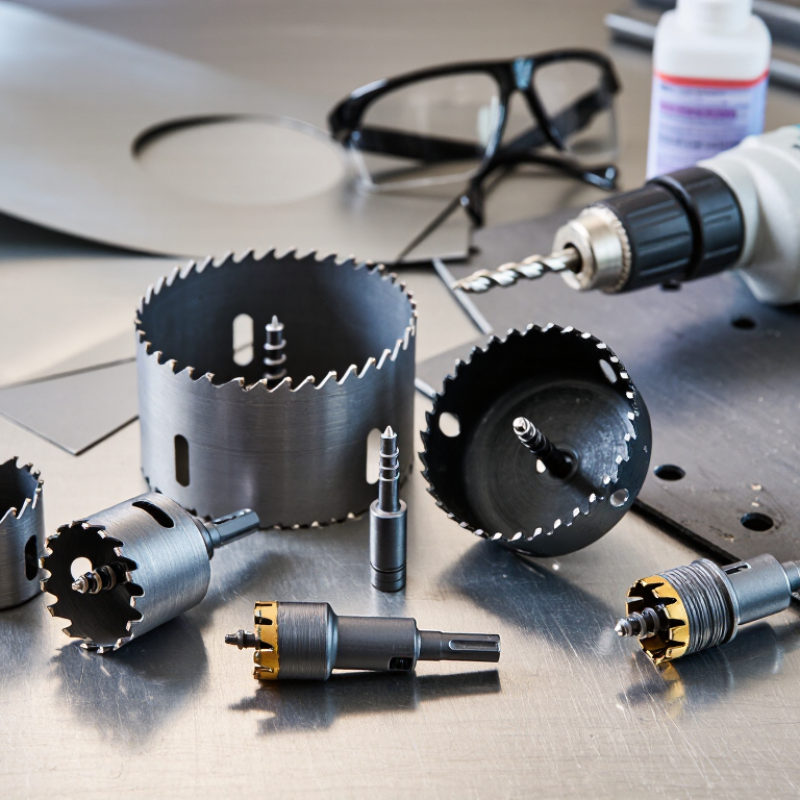
A hole saw for metal is a cup-shaped cutting tool with teeth around its rim. Unlike a twist drill, it cuts a circular groove and leaves a solid metal plug, called a slug. A pilot drill in the center helps guide the saw and reduces wandering as the cut begins.

The saw attaches to an arbor, which connects it to a drill or other compatible machine. As it rotates, the toothed rim cuts around the hole’s edge. Cutting fluid can reduce heat and friction, especially in thicker stock. Keep the workpiece firmly clamped, use eye protection, and follow the tool maker’s speed guidance. Metal chips get hot. Keep hands clear.

The best choice depends on the metal, its thickness, and the hole diameter. A saw suited to thin sheet may struggle in a thick plate, while overly fast cutting can dull teeth or discolor the work. Check that the cutting depth can pass through the material, and clear chips when needed. It sounds straightforward. In practice, setup matters more than expected; even a small wobble can leave a rough, uneven edge.

Key Factors That Determine Metal-Cutting Performance

A hole saw’s performance on metal depends on more than tooth material. For mild steel, a bi-metal saw with hardened teeth is often a practical choice. Cobalt-enriched teeth can tolerate heat better during repeated cuts. For stainless steel or thicker stock, a carbide-tooth model may cut longer, but it needs a stable setup. Tougher teeth are not automatically better.

Tooth pitch matters. Fine, closely spaced teeth usually engage thin sheet more smoothly, while coarser teeth can clear chips from thicker material. A variable pitch may reduce chatter, though it cannot fix a loose workpiece. Keep the metal clamped firmly. Small details matter. A rigid arbor, sharp pilot bit, and steady feed help the saw track cleanly. Use cutting fluid suited to the material, and clear chips when needed. Excessive pressure can overheat teeth or distort thin sheet.

Speed should match the saw diameter and metal type; larger saws generally need slower rotation. Follow the cutter’s speed guidance when available, since one setting does not suit every job. Watch for blue chips, squealing, or a slowing motor. These can signal excess heat or feed pressure. There is no perfect hole saw for every metal. A modest, controlled cut often beats forcing a premium cutter through the work. I would still test on scrap when the finish or fit matters.

Hole Saw Materials, Tooth Designs, and Their Best Uses

What Is the Best Hole Saw for Metal?
Hole Saw Materials, Tooth Designs, and Their Best Uses

For general steel work, a bi-metal hole saw is a practical starting point. Its high-speed-steel cutting rim is joined to a tougher backing, helping resist tooth breakage. Cobalt-bearing M42 steel can retain hardness under heat. ASTM A600 specifies about 8% cobalt for this tool-steel grade. That alloying helps, but it cannot rescue a dull or overheated saw. Use steady pressure and cutting fluid. Small detail, big difference. Fine teeth tend to snag less on thin sheet; thicker stock may suit coarser or variable-pitch teeth, which help clear chips and reduce chatter. The right pitch still depends on the material and saw diameter.

Carbide-tipped saws can suit abrasive metals and repeated production cuts, but their cutting edges are brittle under vibration. Clamp the work securely and avoid forcing the cut. ISO 513:2012 divides hardmetal cutting tools into application groups such as P, M, and K—a reminder that “carbide” does not mean one universal grade. Stainless steel needs careful heat control and lubrication. Aluminum needs sharp teeth and chip clearance to prevent chips packing into the gullets. Not always. A clean edge is not guaranteed. Tooth wear, alloy, and sheet thickness all affect the result, so a test cut on scrap is worthwhile when the material is unfamiliar. It feels cautious, perhaps overly so, but it can prevent a chipped tooth or ruined workpiece.

What Is the Best Hole Saw for Metal?

Typical suitability by hole-saw tooth design and workpiece material

How to read this chart: Ratings are practical guidance, not standardized test results (1 = generally unsuitable; 5 = a strong typical choice). Bi-metal hole saws are versatile for common sheet metals; carbide-tipped designs are often preferred for tougher materials such as stainless steel and cast iron. Check the tool’s specifications, use suitable cutting lubricant, and follow the recommended speed and feed.

How to Choose a Hole Saw for Your Metalworking Task

What Is the Best Hole Saw for Metal?
How to Choose a Hole Saw for Your Metalworking Task

Start with the workpiece, not the tool. Thin mild-steel sheet usually suits a bi-metal hole saw with fine, variable-pitch teeth. For stainless steel or repeated heavy cuts, a carbide-tipped model may last longer, though it costs more. Check the saw’s cutting depth against the material thickness, and confirm that its arbor fits your drill. A large diameter needs slower rotation than a small one. Keep it steady.

Metal labels can hide big differences. World Steel Association’s World Steel in Figures 2024 reports 1,892.2 million tonnes of crude steel production in 2023. That figure reflects the scale of steel use, not the hardness of your specific workpiece. Identify the alloy where possible, then follow the hole-saw maker’s speed guidance for that material and diameter. Clamp the sheet firmly, mark the center, and use cutting fluid when recommended. Clear chips before they pack into the teeth. I still find feed pressure easy to misjudge: pushing harder can make the cut hotter, not faster. Stop if the saw chatters, overheats, or binds, and inspect the teeth before continuing.

How to Use and Maintain a Metal-Cutting Hole Saw

What Is the Best Hole Saw for Metal?

How to Use and Maintain a Metal-Cutting Hole Saw

A suitable metal-cutting hole saw has teeth designed for the material and a diameter that matches the opening you need. Check its stated material range before use; a saw intended for thin sheet may not suit thick steel. Secure the workpiece firmly, mark the center, and use a pilot bit to keep the cut on track. Wear eye protection, and clamp loose sheet metal rather than holding it by hand. Small movements matter.

Set the drill to a low speed appropriate for the saw and metal, following the tool maker’s guidance. Apply cutting fluid when recommended, then use steady pressure without forcing the teeth. If the saw starts to chatter, stop and check the setup. Chips can pack into the teeth, so clear them only after the drill is off and the saw has stopped. Let it cool. I’ve seen rushed cuts leave rough edges and overheated teeth; slowing down is less exciting, but usually kinder to the tool. Afterward, brush away chips, wipe the saw dry, and inspect for missing or dulled teeth. Store it dry, with a light rust-preventive coating if needed. Replace a damaged saw rather than trying to sharpen teeth that are not designed for sharpening.

Copyright 2025 Fluidra S.A. | Created by BCM Marketing Agencia Privacy Policy Legal note | Cookie policy |

Technical cookies are strictly necessary for our website to work and you can navigate through it. These types of cookies are those that, for example, allow us to identify you, give you access to certain restricted parts of the page if necessary, or remember different options or services already selected by you, such as your privacy preferences. Therefore, they are activated by default, your authorization not being necessary in this regard. Through the configuration of your browser, you can block or alert the presence of this type of cookies, although such blocking will affect the proper functioning of the different functionalities of our website.


The analysis cookies allow us to study the navigation of the users of our website in general (for example, which sections of the page are the most visited, which services are used most and if they work correctly, etc.). From the statistical information on navigation on our website, we can improve both the operation of the page itself and the different services it offers. Therefore, these cookies do not have an advertising purpose, but only serve to make our website work better, adapting to our users in general. By activating them you will contribute to this continuous improvement. You can enable or disable these cookies by checking the corresponding box, being disabled by default.


Functionality cookies allow us to remember your preferences, to personalize certain characteristics and general options of our website, every time you access it (for example, the language in which the information is presented to you, the sections marked as favorites, your browser type, etc.) Therefore, this type of cookies does not have an advertising purpose, but by activating them you will improve the functionality of the website (for example, adapting to your type of browser) and the customization of it based on your preferences (for example, by presenting the information in the language that you have chosen in previous occasions), which will contribute to the ease, usability and comfort of our page during your navigation. You can enable or disable these cookies by checking the corresponding box, being disabled by default.


Advertising cookies allow us to manage the advertising spaces included in our website based on criteria such as the content shown or the frequency in which the ads are displayed. For example, if you have been shown the same ad several times on our website, and you have not shown a personal interest by clicking on it, it will not appear again. In summary, by activating this type of cookies, the advertising shown on our website will be more useful and diverse, and less repetitive. You can enable or disable these cookies by checking the corresponding box, being disabled by default.


Behavioral advertising cookies allow us to obtain information based on the observation of your browsing habits and behaviors on the web, in order to show you advertising content that best suits your personal tastes and interests. To understand it in a very simple way, we will give you a fictitious example: if your last searches on the web were related to suspense literature, we would show you advertising about suspense books. Therefore, activating this type of cookies, the advertising that we show you on our website will not be generic, but will be oriented to your searches, tastes and interests, therefore adjusting exclusively to you. You can enable or disable these cookies by checking the corresponding box, being disabled by default.
To understand it in a very simple way, we will give you a fictitious example: if your last searches on the web were related to suspense literature, we would show you advertising about suspense books. Therefore, activating this type of cookies, the advertising that we show you on our website will not be generic, but will be oriented to your searches, tastes and interests, therefore adjusting exclusively to you. You can enable or disable these cookies by checking the corresponding box, being disabled by default.

SAVE

We use our own and third-party cookies to ensure the proper functioning of the website and to analyse our services, improve your experience on our website and show you advertisements related to your interests according to profiling based on your browsing habits (e.g. websites visited). You can accept all cookies by clicking "ACCEPT" or set or reject them by clicking here. If you would like to know more about the use of cookies, please see our COOKIE POLICY.


ACCEPT ALL
Reject no essentials


