
Choosing the right Current Sensor is crucial for various applications. With the growth of the IoT and renewable energy sectors, the demand for accurate current measurement has surged. According to a recent report by MarketsandMarkets, the global current sensor market is expected to reach $2.8 billion by 2025, rising from $1.5 billion in 2020. This rapid growth highlights the importance of selecting an appropriate current sensor that fits specific needs.
Current sensors come in various types, including Hall Effect, shunt resistors, and Rogowski coils. Each type offers distinct advantages and challenges. For instance, Hall Effect sensors are prominent for their non-intrusive measurements. However, they can introduce errors under certain conditions. Likewise, shunt resistors are precise but can cause power loss and heat generation. Understanding these nuances is essential for making an informed choice.
Choosing a current sensor requires careful consideration of application demands and performance metrics. Factors such as accuracy, response time, and environmental conditions must be evaluated. Relying solely on specifications can lead to mistakes. It is vital to reflect on the practical implications of each choice to ensure reliability in real-world scenarios. Therefore, a well-informed decision during the selection process can enhance performance and longevity in your application.
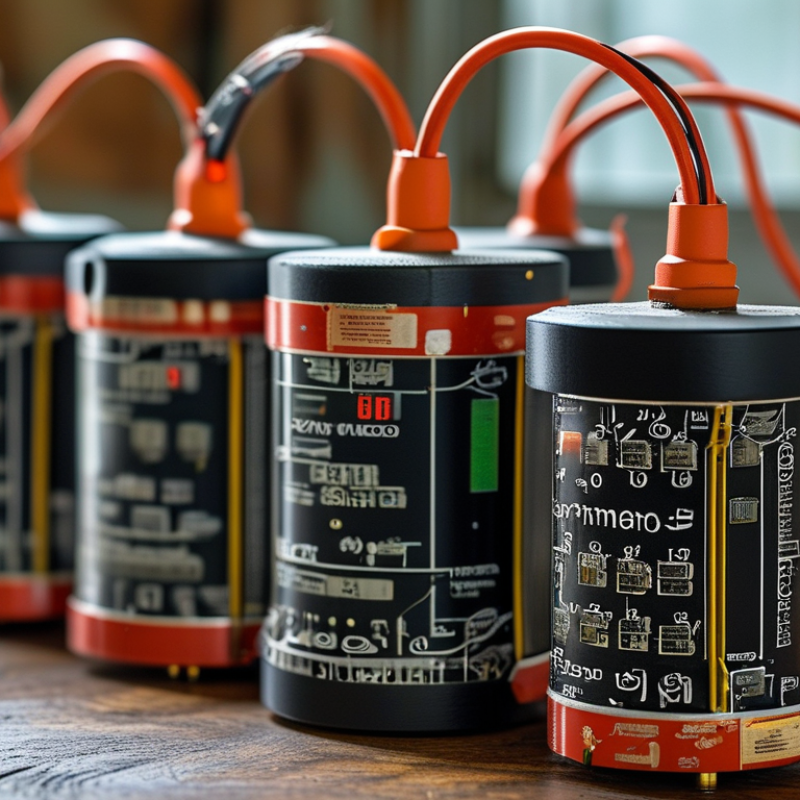
When selecting the best current sensor for your applications, understanding the different types is crucial. There are several categories of current sensors, including Hall effect, shunt resistors, and current transformers. Hall effect sensors detect magnetic fields and are ideal for non-intrusive measurements. They are commonly used in industrial applications due to their ability to handle a wide range of currents, from milliamps to hundreds of amps.
Shunt resistors offer a simple and reliable method for current measurement. They convert current into a voltage drop, making the calibration process straightforward. However, they dissipate power and may introduce heat, which could affect the overall system performance. Current transformers, on the other hand, are suitable for AC applications and can be scaled for high voltage situations. A report by Grand View Research notes that the current sensor market is expected to reach $6.54 billion by 2027, driven by increasing demand in electric vehicles and renewable energy sectors.
Choosing the right sensor involves balancing accuracy, response time, and application-specific needs. For example, some sensors might offer high precision but at a higher cost and complexity. Conversely, simpler sensors may not handle high currents or rapid transients effectively. Understanding these trade-offs is necessary to ensure optimal performance in real-world scenarios.
| Sensor Type | Measuring Principle | Measurement Range | Output Type | Application Areas |
|---|---|---|---|---|
| Hall Effect Sensor | Magnetic Field Detection | 0-100 A | Voltage Output | Motor Control, Power Monitoring |
| Shunt Resistor | Voltage Drop Measurement | 0-200 A | Analog Voltage | Battery Management, Testing |
| Rogowski Coil | Inductive Sensing | 0-5000 A | AC Voltage Output | Industrial Monitoring, HVAC |
| Current Transformer | Electromagnetic Induction | 0-1000 A | AC Current Output | Power Systems, Substations |
| Clamp Meter | Magnetic Field Measurement | 0-1000 A | Digital Display | Field Workshops, Troubleshooting |

When selecting a current sensor for your applications, several critical factors come into play. Accuracy is crucial; even a slight deviation can lead to significant issues. According to a report by the International Electrotechnical Commission, sensors with higher accuracy rates can reduce measurement errors by up to 20%. This is essential in applications like electric vehicles, where precision impacts performance and safety.
Another factor is the sensor type—hall effect, shunt, or clamp-on. Different applications benefit from different technologies. For example, shunt resistors are often favored in high-precision environments due to their direct current measurement capabilities. However, they can introduce additional resistance, which may affect overall circuit performance. Consider your specific application requirements carefully, as highlighted by industry analysis from IHS Markit, which emphasizes the importance of matching sensor types to use cases.
Temperature range is also a vital consideration. Sensors can drift if used outside their specified temperature range, impacting reliability. A study by TechInsights showed that 30% of sensor failures are due to extreme temperature exposure. Ensuring the chosen sensor fits the environmental conditions of your application can enhance longevity and functionality. Balancing these factors leads to better decision-making, which can be challenging in rapidly evolving technology landscapes.
Choosing the right current sensor involves understanding its accuracy and sensitivity. Accuracy refers to how closely the sensor's readings reflect the actual current flow. High accuracy is crucial for sensitive applications, like medical devices, where even a slight error can lead to serious consequences. To ensure precise measurements, calibration is often necessary. Factors like temperature and load conditions can impact accuracy, so consider these variables when evaluating options.
Sensitivity indicates how effectively a sensor detects small changes in current. A highly sensitive sensor can respond to minor fluctuations, making it ideal for applications in renewable energy systems. However, excessive sensitivity may lead to noise issues, making it hard to distinguish genuine signals from minor disturbances. Thus, finding a balance is essential.
Testing the sensor in realistic conditions can highlight its performance. Real-time feedback reveals how it reacts under different loads and environments. Regular performance assessments ensure that the sensor maintains its effectiveness over time. Overall, selecting a current sensor requires careful consideration of both accuracy and sensitivity, and understanding their implications will lead to more reliable applications.
Choosing the right current sensor involves careful consideration of installation and integration. Evaluating your setup is crucial. Think about the physical space available for mounting. Ensure the sensor can fit comfortably in your designated area. Consider the wiring paths too. Cluttered spaces can complicate installation.
You need to assess connectivity options. Some sensors may require specific cables or connectors. Compatibility with existing systems is another factor. Verify that the sensor can communicate effectively with your monitoring devices. If unsure, consult installation manuals or technical support.
Sometimes, challenges arise after installation. Sensors may not perform as expected due to improper integration. Testing the system thoroughly before full deployment is advisable. This phase can reveal potential issues early. Remember that adjustments may be necessary. Integration is not always seamless; it often requires iterative refinements. Being proactive can save time and resources later on.
When considering current sensors, budgeting is crucial. Understanding the costs involved helps you make an informed decision. Many factors affect pricing, including sensor type, accuracy, and measurement range. Choosing the right sensor means balancing performance and budget. A more expensive sensor may offer advanced features, but it might not be necessary for simpler applications.
Tip: Always evaluate the specific needs of your applications. Identify the critical parameters that matter most. This will prevent overspending on features you don’t use. For instance, if your project requires low accuracy, opting for a simpler sensor can save considerable costs.
Another consideration is long-term value. Cheaper sensors may lead to higher maintenance costs later. Be cautious of hidden expenses associated with low-quality products. Choose reputable suppliers who provide detailed specifications and support. Their expertise can guide you to make wiser investments and avoid costly mistakes.
Tip: Seek feedback and reviews from other users. Real-world experiences often highlight reliability and performance issues that specifications may not reveal. This not only aids your purchase decision but enhances the overall project success.

Cepex is the brand for the fluid handling market belonging to the Fluidra group. One of the leading european manufacturer of valves and fittings in thermoplastic materials.
Dedicated to the swimming pool, irrigation and industrial markets, we distribute our products worldwide with the Fluidra commercial network and presence in 46 countries with 136 sales branches.


