
How to Choose the Best Combined Harvester in 2026?
FLUID HANDLING EXPERTS

Blog, all our news

How to Choose the Best Combined Harvester in 2026?

Choosing the best Combined Harvester in 2026 requires more than comparing engine power or catalogue prices. Crop type, field size, terrain, grain moisture, and local service support can change the right decision. A machine that performs beautifully in dry wheat may struggle in damp rice fields. That detail matters.

The OECD-FAO Agricultural Outlook 2024–2033 projects global agricultural and fish production to grow by about 1.1% annually during the next decade. Much of this growth must come from better productivity, not simply from expanding farmland. The FAO also identifies sustainable agricultural mechanization as an important tool for improving efficiency, reducing labor pressure, and limiting harvest losses. These findings make harvesting capacity a strategic farm investment, not merely an equipment purchase.

Reliable selection begins with measurable field evidence. Review average hectares harvested daily, fuel use per hectare, grain loss, unloading speed, and maintenance response time. The U.S. Department of Agriculture’s WASDE reports show how frequently grain production expectations change with weather and market conditions. Flexibility therefore deserves serious attention. Adjustable headers, automatic settings, moisture monitoring, and strong residue management can protect performance across changing seasons.

Still, no checklist is perfect. Operators may value cab visibility more than published specifications. Dealers may promise support that feels slower during harvest. A careful 2026 comparison should combine manufacturer data, independent testing, operator feedback, and a realistic three-year ownership cost. The strongest Combined Harvester is not always the largest one. It is the machine that delivers clean grain, dependable uptime, and practical support when the crop is ready.
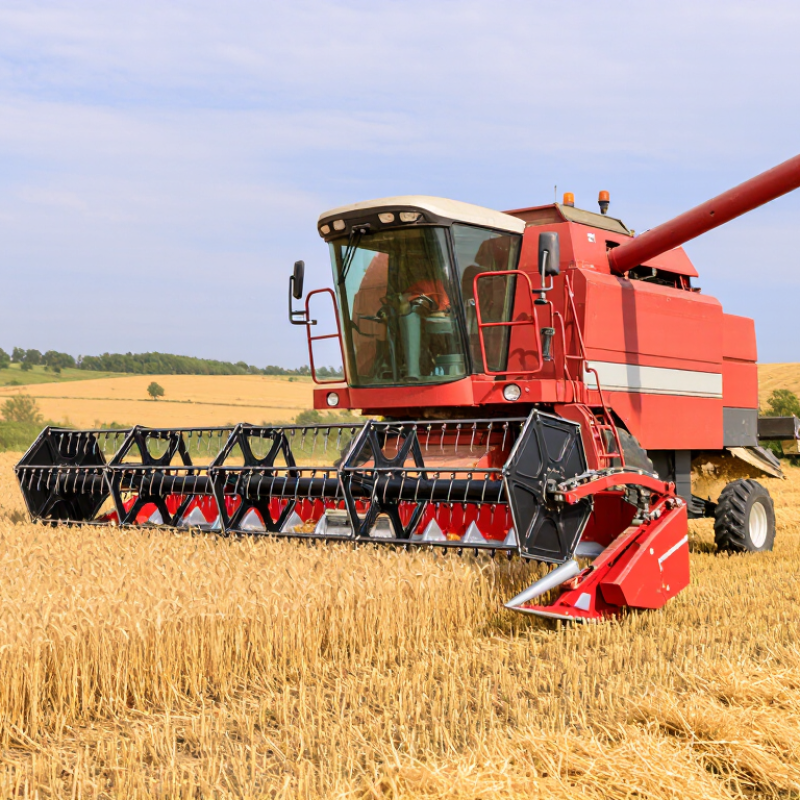
How to Choose the Best Combined Harvester in 2026?

What a Combined Harvester Is and How It Works

How to Choose the Best Combined Harvester in 2026?

What a Combined Harvester Is and How It Works

A combined harvester is a field machine that performs several jobs in one pass. It cuts crops, feeds them inward, separates grain, cleans it, and stores it. This design reduces field traffic and saves valuable harvest time. The machine usually includes a header, feeder, threshing system, cleaning unit, grain tank, and unloading auger.

The process begins at the header. Rotating blades cut the crop, while reels guide stems toward the feeder. The feeder carries the material into a drum or rotor. There, friction and impact release the grain from the ears or pods. Concaves help separate grain from straw. Sieves and a fan then remove chaff and lighter debris. Clean grain reaches the tank, while straw leaves through the rear.

Real field performance depends on crop moisture, ground speed, and machine settings. A dry crop may need gentler threshing. Damp material can demand slower feeding and stronger airflow. Small adjustments matter. Watch grain samples, check losses behind the machine, and inspect damaged kernels regularly. A full grain tank is not proof of efficiency. Some grain may still remain on the ground.

Choosing the right harvester also requires honest self-assessment. Field size, crop variety, terrain, service access, and operator skill all affect results. Bigger capacity can help, but excessive size may increase fuel use and maintenance demands. The best choice is not always the largest machine.

How to Choose the Best Combined Harvester in 2026?

Typical Effective Field Capacity by Crop

What a Combined Harvester Is and How It Works

A combined harvester performs several operations in one pass: cutting, feeding, threshing, separating, cleaning, and collecting grain. The chart uses representative planning values for modern self-propelled harvesters working with approximately 6–10 metre headers, field speeds of 4–7 km/h, and field efficiency of about 70–80%. Actual capacity depends on crop yield, moisture, terrain, header width, unloading time, and operator settings.

Selection tip: compare effective field capacity together with grain-loss rate, fuel consumption, grain-tank size, unloading speed, crop compatibility, and local service support.

Key Factors for Matching a Harvester to Your Farm

How to Choose the Best Combined Harvester in 2026?

Choosing a combine harvester starts with your farm, not the machine’s advertised capacity. Measure your field size, crop types, average yield, and harvest window. A large machine may perform poorly on small, irregular fields. It can waste fuel while turning at narrow boundaries. Check soil conditions, slope, and transport access before comparing specifications. A compact harvester may suit wet ground better, even if its daily output is lower.

Match the header to your main crops. Grain, corn, and oilseed crops require different cutting and feeding systems. Ask how quickly the header can change between fields. That detail affects real productivity. Evaluate threshing quality, grain loss, cleaning performance, and moisture measurement. A clear cab, adjustable controls, and good visibility reduce operator fatigue during long days. Test the unloading speed beside your existing grain carts.

Service access matters more than impressive numbers. Inspect belts, sieves, filters, and inspection panels in person. Can your team reach them safely? Confirm local parts availability and technician response times. Fuel use should be measured per harvested hectare, not only per hour. Digital monitoring can reveal losses, blockages, and maintenance needs, but sensor readings still need field checks. I would leave room for doubt here. Soil, weather, and operator habits can change results dramatically. Request independent field data, calculate total ownership costs, and compare several harvest seasons before deciding.

How to Choose the Best Combined Harvester in 2026? - Key Factors for Matching a Harvester to Your Farm

Typical 2026 specification ranges for new combine-harvester classes. Actual performance varies with crop yield, moisture, field shape, terrain, header type, operator skill, and local regulations.
Farm Profile Recommended Annual Harvest Area Suitable Crops and Conditions Typical Engine Power Typical Header Width Approximate Effective Capacity Grain-Tank Capacity Unloading Rate Main Selection Priority
Small and Mixed-Crop Farm Up to 300 ha Wheat, barley, oats, soybeans, and smaller irregular fields 150–220 hp 4.5–6.0 m 1.0–2.0 ha/h 5,000–7,000 L 60–80 L/s Compact dimensions, low purchase cost, easy maintenance, and good visibility
Medium Grain Farm 300–800 ha Wheat, barley, canola, corn, and soybeans on mixed field sizes 220–320 hp 6.0–7.5 m 2.0–3.5 ha/h 7,000–10,000 L 80–110 L/s Balanced fuel consumption, versatile headers, reliable grain cleaning, and service access
Large Arable Farm 800–2,000 ha High-yield wheat, corn, soybeans, canola, and large uniform fields 320–450 hp 7.5–9.1 m 3.5–5.0 ha/h 10,000–14,000 L 100–140 L/s High throughput, low grain loss, rapid unloading, and strong dealer support
Large-Scale Commercial Farm More than 2,000 ha Large-scale cereal, corn, soybean, and canola production with narrow harvest windows 450–650 hp 9.1–12.2 m 5.0–7.0 ha/h 14,000–20,000 L 120–180 L/s Maximum daily output, automation, fleet connectivity, uptime, and logistics coordination
Wet-Field or Rice Operation 100–1,000 ha Rice and other crops harvested in wet, soft, or high-humidity field conditions 150–350 hp 4.5–7.5 m 0.8–2.5 ha/h 4,000–10,000 L 50–100 L/s Low ground pressure, tracked or flotation options, corrosion protection, and gentle grain handling
Hilly or Small-Plot Farm Up to 600 ha Cereals and pulses in sloping terrain, fragmented fields, or areas with limited access 150–300 hp 4.5–6.7 m 0.8–2.2 ha/h 5,000–9,000 L 60–100 L/s Slope stability, hillside leveling, braking performance, turning radius, and transport width
Capacity Planning
Select enough capacity to finish the crop within the available weather window, but avoid paying for unused throughput.
Header Compatibility
Match the header to crop type, row spacing, transport limits, field size, and the combine's approved operating range.
Total Operating Cost
Compare fuel use, seasonal maintenance, depreciation, labor, repairs, transport, and expected annual utilization.
Grain Quality
Prioritize adjustable threshing and cleaning systems when crop moisture, variety, or market quality requirements vary.

How to Compare Capacity, Performance, and Fuel Efficiency

How to Choose the Best Combined Harvester in 2026?

A larger grain tank does not always mean higher harvesting capacity. Field output depends on header width, unloading speed, crop moisture, and operator control. A machine may hold more grain, yet lose time waiting for transport. Measure tonnes harvested per hour, not tank size alone. Also check whether the unloading system works smoothly beside a moving trailer. Small delays become expensive during short harvest windows.

Performance requires careful field testing. Look beyond brochure figures. During a field trial, record harvested tonnes, grain loss, cleaning quality, and stoppage time. Check the ground behind the machine for uncollected crop. Inspect sample grain for cracked kernels and unwanted material. Speed alone misleads. A fast pass can reduce quality when the rotor or cleaning system is overloaded. Crop conditions change quickly, so one test is never enough.

Fuel efficiency should be compared by litres per hectare, not litres per hour. Use the same crop, field section, and operating settings whenever possible. Heavy crops, damp mornings, and uneven ground can change the result. My own comparisons have sometimes favored a slower machine with fewer stops. Still, not every result is repeatable. Maintenance condition, tire pressure, and operator habits matter greatly. Choose a harvester that balances useful capacity, stable performance, and predictable fuel use. Leave room for doubt.

Which Harvesting Technologies and Features Matter in 2026

Choosing the best combine harvester in 2026 means judging field performance, not dashboard size. In field trials, stable grain flow matters more than flashy automation. Look for adaptive threshing, responsive cleaning controls, and sensors that measure grain moisture in real time. A capable machine should adjust fan speed and sieve settings as crop conditions change. This reduces losses when a green patch meets dry grain. Check header flexibility too. Draper, grain, and forage options should match your crops and field width. Better capacity is useless if turning leaves uncut edges.

Precision technology deserves careful inspection. Yield mapping, satellite guidance, and machine connectivity can reveal weak zones across a field. Yet data quality depends on calibrated sensors and reliable internet access. Ask how data is stored, exported, and protected. Operator assistance is valuable, but it should not hide poor visibility or difficult maintenance. Test the cab at dusk. Can you see the unloading auger, header, and residue spread pattern clearly? Evaluate fuel use, tank capacity, service access, and diagnostic alerts. I would not trust a claimed efficiency figure without local crop records. Weather, soil, and operator skill change the result.

Tips: Request a field demonstration during your harvest window. Measure grain loss behind the machine. Compare moisture readings with a handheld meter. Inspect belts, sieves, and bearings after several hours. Leave room for doubt. The most advanced feature may not pay back on your farm.

How to Evaluate Cost, Maintenance, and Long-Term Value

Choosing the best combined harvester in 2026 requires more than comparing purchase prices. Evaluate the machine’s total cost over several harvest seasons. Include fuel use, labor, repairs, insurance, storage, and expected resale value. A cheaper machine may become expensive when daily output falls. Ask for documented field performance, not only showroom figures. Test it in crops and soil conditions similar to your own. Small details matter.

Maintenance planning often reveals the real difference between machines. Check service intervals, inspection access, diagnostic systems, and replacement-part availability. A blocked filter should not require half a day to reach. Request written estimates for common repairs, including belts, cutting components, sensors, and hydraulic parts. Review maintenance records carefully when buying used equipment. Missing records deserve caution.

Long-term value depends on reliable output, operator comfort, and manageable downtime. Calculate cost per harvested acre, not just the monthly payment. Speak with operators who have completed several seasons. Their comments may expose frequent adjustments or difficult cleaning routines. No spreadsheet predicts every breakdown. Still, careful data reduces uncertainty. I would also reserve money for unexpected repairs, because even strong planning can be optimistic. A practical choice is the harvester that performs consistently, stays serviceable, and protects harvest quality over time.

Copyright 2025 Fluidra S.A. | Created by BCM Marketing Agencia Privacy Policy Legal note | Cookie policy |

Technical cookies are strictly necessary for our website to work and you can navigate through it. These types of cookies are those that, for example, allow us to identify you, give you access to certain restricted parts of the page if necessary, or remember different options or services already selected by you, such as your privacy preferences. Therefore, they are activated by default, your authorization not being necessary in this regard. Through the configuration of your browser, you can block or alert the presence of this type of cookies, although such blocking will affect the proper functioning of the different functionalities of our website.


The analysis cookies allow us to study the navigation of the users of our website in general (for example, which sections of the page are the most visited, which services are used most and if they work correctly, etc.). From the statistical information on navigation on our website, we can improve both the operation of the page itself and the different services it offers. Therefore, these cookies do not have an advertising purpose, but only serve to make our website work better, adapting to our users in general. By activating them you will contribute to this continuous improvement. You can enable or disable these cookies by checking the corresponding box, being disabled by default.


Functionality cookies allow us to remember your preferences, to personalize certain characteristics and general options of our website, every time you access it (for example, the language in which the information is presented to you, the sections marked as favorites, your browser type, etc.) Therefore, this type of cookies does not have an advertising purpose, but by activating them you will improve the functionality of the website (for example, adapting to your type of browser) and the customization of it based on your preferences (for example, by presenting the information in the language that you have chosen in previous occasions), which will contribute to the ease, usability and comfort of our page during your navigation. You can enable or disable these cookies by checking the corresponding box, being disabled by default.


Advertising cookies allow us to manage the advertising spaces included in our website based on criteria such as the content shown or the frequency in which the ads are displayed. For example, if you have been shown the same ad several times on our website, and you have not shown a personal interest by clicking on it, it will not appear again. In summary, by activating this type of cookies, the advertising shown on our website will be more useful and diverse, and less repetitive. You can enable or disable these cookies by checking the corresponding box, being disabled by default.


Behavioral advertising cookies allow us to obtain information based on the observation of your browsing habits and behaviors on the web, in order to show you advertising content that best suits your personal tastes and interests. To understand it in a very simple way, we will give you a fictitious example: if your last searches on the web were related to suspense literature, we would show you advertising about suspense books. Therefore, activating this type of cookies, the advertising that we show you on our website will not be generic, but will be oriented to your searches, tastes and interests, therefore adjusting exclusively to you. You can enable or disable these cookies by checking the corresponding box, being disabled by default.
To understand it in a very simple way, we will give you a fictitious example: if your last searches on the web were related to suspense literature, we would show you advertising about suspense books. Therefore, activating this type of cookies, the advertising that we show you on our website will not be generic, but will be oriented to your searches, tastes and interests, therefore adjusting exclusively to you. You can enable or disable these cookies by checking the corresponding box, being disabled by default.

SAVE

We use our own and third-party cookies to ensure the proper functioning of the website and to analyse our services, improve your experience on our website and show you advertisements related to your interests according to profiling based on your browsing habits (e.g. websites visited). You can accept all cookies by clicking "ACCEPT" or set or reject them by clicking here. If you would like to know more about the use of cookies, please see our COOKIE POLICY.


ACCEPT ALL
Reject no essentials


