
How to Choose the Best Wood Cutting Chain Saw?
FLUID HANDLING EXPERTS

Blog, all our news

How to Choose the Best Wood Cutting Chain Saw?

Choosing the best Wood Cutting Chain Saw is not about selecting the largest engine or the longest guide bar. It is about matching the machine to your timber, experience, and working conditions. A homeowner trimming small branches needs different equipment from a professional cutting hardwood logs. Weight matters when the saw must be held at shoulder height. Vibration matters during a long afternoon. So does starting effort.

Chainsaw safety educator John Ball has emphasized a serious reality: “The chain saw is the most dangerous tool in the woods.” That warning should guide every buying decision. A reliable Wood Cutting Chain Saw should offer a suitable power-to-weight ratio, dependable chain braking, comfortable handles, and accessible maintenance points. Check the manufacturer’s specifications, not only the advertising claims. A 16-inch bar may feel balanced in your hands, while an 18-inch model may become tiring after repeated cuts. Small differences become obvious quickly.

Think about the wood.

Hard oak, wet logs, and fallen trees can demand more torque than dry pine. Electric models are quieter and convenient near homes, but battery capacity can limit continuous cutting. Petrol models provide longer field use, although they require fuel preparation and regular servicing. No choice is perfect. Even experienced users sometimes choose more power than they genuinely need. That can increase fatigue and reduce control. This guide examines cutting capacity, safety features, ergonomics, maintenance, and real-world reliability, helping you choose with evidence rather than excitement.
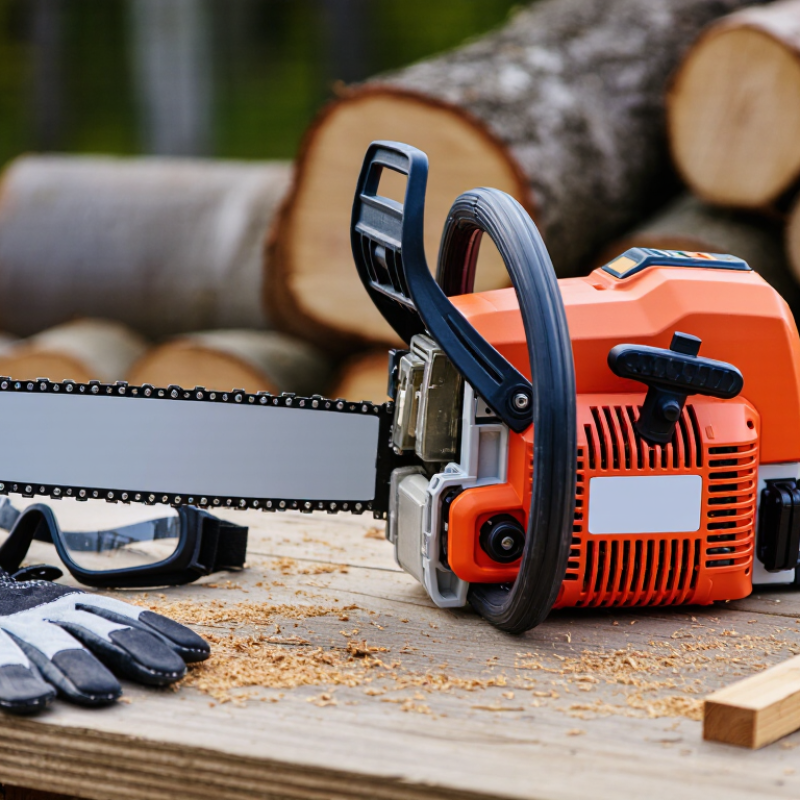
How to Choose the Best Wood Cutting Chain Saw?

Define Your Wood-Cutting Needs and Work Environment

How to Choose the Best Wood Cutting Chain Saw?

Define Your Wood-Cutting Needs and Work Environment

Start by measuring the wood you actually cut. A small saw may handle pruning branches, while dense hardwood logs require more cutting capacity. Record the usual trunk diameter, wood type, and cutting frequency. Occasional yard work has different needs from daily firewood preparation.

Your surroundings matter just as much. A steep hillside, muddy ground, or narrow garden path can make a heavy saw difficult to control. Check whether electricity is available, or whether carrying fuel is practical. Wet conditions increase slipping risks. Keep clear escape paths, stable footing, and enough space around the cutting area.

I once chose a longer guide bar for larger logs. It worked, but the added weight caused faster fatigue. That choice was not ideal. A shorter, well-matched bar can provide better control for many users. Consider vibration, balance, starting effort, and handle comfort before focusing on engine power. Small details matter.

Inspect fallen wood carefully. Hidden nails, stones, tension, and damaged branches can change the cutting risk. Do not cut alone in remote areas. Wear eye, hearing, hand, leg, and foot protection suited to chain-saw work. Read the operating manual and follow local requirements. A trained professional should assess unstable trees or overhead limbs.

How to Choose the Best Wood Cutting Chain Saw?

Define your wood-cutting needs and work environment before selecting a saw and guide-bar length.

Typical guide-bar lengths increase with wood size and cutting demand. A 12–16 inch bar is commonly suitable for pruning and small firewood, while an 18–20 inch bar fits general property maintenance and medium logs. Larger bars are intended for bigger-diameter wood and sustained professional work. Always match the saw’s power, chain type, operator experience, and local safety requirements to the job.

Compare Chainsaw Power Sources, Engine Sizes, and Cutting Capacity

How to Choose the Best Wood Cutting Chain Saw?

Power source determines how the saw feels during real work. Gasoline models provide strong, sustained output for large logs and remote sites. Battery models start instantly, produce less vibration, and require no fuel mixing. Corded electric saws suit predictable work near an outlet, but their cable limits movement. The U.S. Energy Information Administration reports that household electricity use varies widely by region, so charging costs also depend on location. For safety, the U.S. Forest Service recommends matching saw capability to the operator, material, and cutting position.

Engine size matters, but bigger is not always better. A 30–40 cc engine suits pruning and small firewood. Machines above 50 cc handle thicker hardwood more confidently. Electric models should be compared by voltage, battery capacity, and continuous output, not voltage alone. Cutting capacity usually follows bar length, yet a long bar can reduce control. A practical rule is choosing a bar about 5 centimeters longer than the wood’s diameter. CPSC injury surveillance has recorded roughly 36,000 chainsaw-related emergency visits annually in the United States, with yearly variation. That number makes honest sizing important. I once favored extra power, but the heavier saw caused faster fatigue.

Tips: Measure your largest log first. Keep the chain sharp. Test the saw’s balance before buying. For occasional cutting, battery power may be enough. For repeated hardwood work, gasoline power remains more dependable. Read the manufacturer’s duty-cycle data, because advertised capacity can feel optimistic in cold, wet wood.

Select the Right Bar Length, Chain Type, and Safety Features

How to Choose the Best Wood Cutting Chain Saw?

Bar length should match the wood, engine power, and your cutting position. A 14–16-inch bar suits many small household logs. Larger hardwood needs more reach and power. Avoid forcing a long bar onto a weak engine. It increases weight and can slow the chain. A useful rule is choosing a bar slightly longer than the usual cutting diameter. It is not perfect. The manufacturer’s operating range matters more.

Chain type changes cutting behavior. A low-kickback chain offers better control for occasional users. Full-chisel cutters can cut faster in clean, dry wood, but they dull quickly against soil or bark. Match chain pitch and gauge to the bar and drive sprocket. One mismatch can cause poor tension or unsafe movement. I have seen buyers focus on sharpness while ignoring compatibility.

Safety features deserve equal attention. Look for an inertia-activated chain brake, throttle lockout, chain catcher, hand guards, and anti-vibration design. The U.S. Consumer Product Safety Commission’s NEISS surveillance has estimated about 36,000 chainsaw injuries reach emergency departments annually. NIOSH safety investigations repeatedly identify kickback and poor training as serious hazards. Wear eye protection, hearing protection, cut-resistant legwear, gloves, and boots with strong traction. OSHA guidance also emphasizes training, inspection, and safe starting methods. A lighter saw may feel easier, but poor balance can still create dangerous fatigue. Test the grip and controls before cutting.

Evaluate Handling, Maintenance, Noise, and Operating Costs

Choosing the best wood-cutting chain saw starts with the hours it will spend in your hands, not maximum cutting speed. A balanced saw should sit level when held by the front handle. Controls should remain reachable without shifting your grip. A lighter machine feels easier during trimming, yet vibration can fatigue wrists quickly. I once favored low weight and regretted it after repeated bucking cuts. Comfort is measurable, but not perfectly.

Noise deserves a hard check. NIOSH’s Criteria for a Recommended Standard: Occupational Noise Exposure sets 85 dBA as the recommended eight-hour limit, using a 3 dB exchange rate. OSHA permits 90 dBA for an eight-hour time-weighted exposure under 29 CFR 1910.95. A saw sounding “moderately loud” may still exceed both levels. Measure near the operator’s ear, not beside the parked machine. Hearing protection remains necessary.

Maintenance directly affects downtime and operating cost. USDA Forest Service guidance emphasizes chain sharpness, lubrication, brake inspection, and air-filter cleaning. Inspect these before each session. A dull chain wastes fuel and pulls sideways. Track fuel, chain replacements, files, guide bars, and service time in a simple log. For fuel pricing, compare receipts with the U.S. Energy Information Administration’s weekly retail gasoline data. Battery models also need electricity and replacement-pack estimates. My weak assumption was treating purchase price as the real cost. Consumables often expose the actual budget.

Match the Chainsaw to Your Skill Level and Intended Projects

How to Choose the Best Wood Cutting Chain Saw?

Choose a chainsaw according to your experience, not the size of the log alone. Beginners often handle a lightweight electric or battery-powered saw more confidently. It suits pruning, small firewood, and fallen branches near the home. Experienced users may prefer a stronger model for larger trunks, repeated cutting, or demanding outdoor projects. A longer guide bar can cut thicker wood, but it also adds weight and requires better control. Start smaller when uncertain. Control matters more than speed.

Your project also determines the chain type, power source, and maintenance needs. For occasional cutting, simple starting and low vibration can reduce fatigue. For regular work, check chain tension, brake response, lubrication, and replacement-part availability. Read the instruction manual before cutting. Training from a qualified instructor is valuable, especially for directional cutting and unstable wood.

I once selected a saw that felt powerful but became tiring after twenty minutes. That choice taught me to test balance before purchase.

Tips: Wear eye, hearing, hand, leg, and foot protection. Keep both hands on the saw. Clear stones and hidden metal from the wood. Never cut above shoulder height. Inspect the chain before every session, and stop when fatigue affects your grip. When buying, hold the saw in a store if possible. A comfortable fit is easy to overlook.

Copyright 2025 Fluidra S.A. | Created by BCM Marketing Agencia Privacy Policy Legal note | Cookie policy |

Technical cookies are strictly necessary for our website to work and you can navigate through it. These types of cookies are those that, for example, allow us to identify you, give you access to certain restricted parts of the page if necessary, or remember different options or services already selected by you, such as your privacy preferences. Therefore, they are activated by default, your authorization not being necessary in this regard. Through the configuration of your browser, you can block or alert the presence of this type of cookies, although such blocking will affect the proper functioning of the different functionalities of our website.


The analysis cookies allow us to study the navigation of the users of our website in general (for example, which sections of the page are the most visited, which services are used most and if they work correctly, etc.). From the statistical information on navigation on our website, we can improve both the operation of the page itself and the different services it offers. Therefore, these cookies do not have an advertising purpose, but only serve to make our website work better, adapting to our users in general. By activating them you will contribute to this continuous improvement. You can enable or disable these cookies by checking the corresponding box, being disabled by default.


Functionality cookies allow us to remember your preferences, to personalize certain characteristics and general options of our website, every time you access it (for example, the language in which the information is presented to you, the sections marked as favorites, your browser type, etc.) Therefore, this type of cookies does not have an advertising purpose, but by activating them you will improve the functionality of the website (for example, adapting to your type of browser) and the customization of it based on your preferences (for example, by presenting the information in the language that you have chosen in previous occasions), which will contribute to the ease, usability and comfort of our page during your navigation. You can enable or disable these cookies by checking the corresponding box, being disabled by default.


Advertising cookies allow us to manage the advertising spaces included in our website based on criteria such as the content shown or the frequency in which the ads are displayed. For example, if you have been shown the same ad several times on our website, and you have not shown a personal interest by clicking on it, it will not appear again. In summary, by activating this type of cookies, the advertising shown on our website will be more useful and diverse, and less repetitive. You can enable or disable these cookies by checking the corresponding box, being disabled by default.


Behavioral advertising cookies allow us to obtain information based on the observation of your browsing habits and behaviors on the web, in order to show you advertising content that best suits your personal tastes and interests. To understand it in a very simple way, we will give you a fictitious example: if your last searches on the web were related to suspense literature, we would show you advertising about suspense books. Therefore, activating this type of cookies, the advertising that we show you on our website will not be generic, but will be oriented to your searches, tastes and interests, therefore adjusting exclusively to you. You can enable or disable these cookies by checking the corresponding box, being disabled by default.
To understand it in a very simple way, we will give you a fictitious example: if your last searches on the web were related to suspense literature, we would show you advertising about suspense books. Therefore, activating this type of cookies, the advertising that we show you on our website will not be generic, but will be oriented to your searches, tastes and interests, therefore adjusting exclusively to you. You can enable or disable these cookies by checking the corresponding box, being disabled by default.

SAVE

We use our own and third-party cookies to ensure the proper functioning of the website and to analyse our services, improve your experience on our website and show you advertisements related to your interests according to profiling based on your browsing habits (e.g. websites visited). You can accept all cookies by clicking "ACCEPT" or set or reject them by clicking here. If you would like to know more about the use of cookies, please see our COOKIE POLICY.


ACCEPT ALL
Reject no essentials


