
How to Choose the Best Aluminum Wire for Your Projects?
FLUID HANDLING EXPERTS

Blog, all our news

How to Choose the Best Aluminum Wire for Your Projects?

When it comes to selecting the right Aluminum Wire for your projects, the choice can seem overwhelming. According to industry expert James Tyler, "Choosing the right aluminum wire can make or break your project." This statement emphasizes the importance of understanding the specific requirements that aluminum wire can fulfill.

Aluminum wire is lightweight yet strong, making it ideal for various applications. It's vital to consider factors such as gauge, insulation type, and conductivity when making your selection. Choosing the wrong wire can lead to issues like overheating or failure to meet project demands, which many have encountered in their past experiences. Always keep in mind the specific environment where the wire will be used, as it affects longevity and performance.

However, not all aluminum wire is created equal; it is essential to research reputable brands and sources. Some users have reported difficulties with low-quality aluminum wire, which can lead to unreliable results. Hence, it's crucial to weigh the pros and cons of different options. Making informed decisions backed by solid knowledge can save time and resources in the long run.
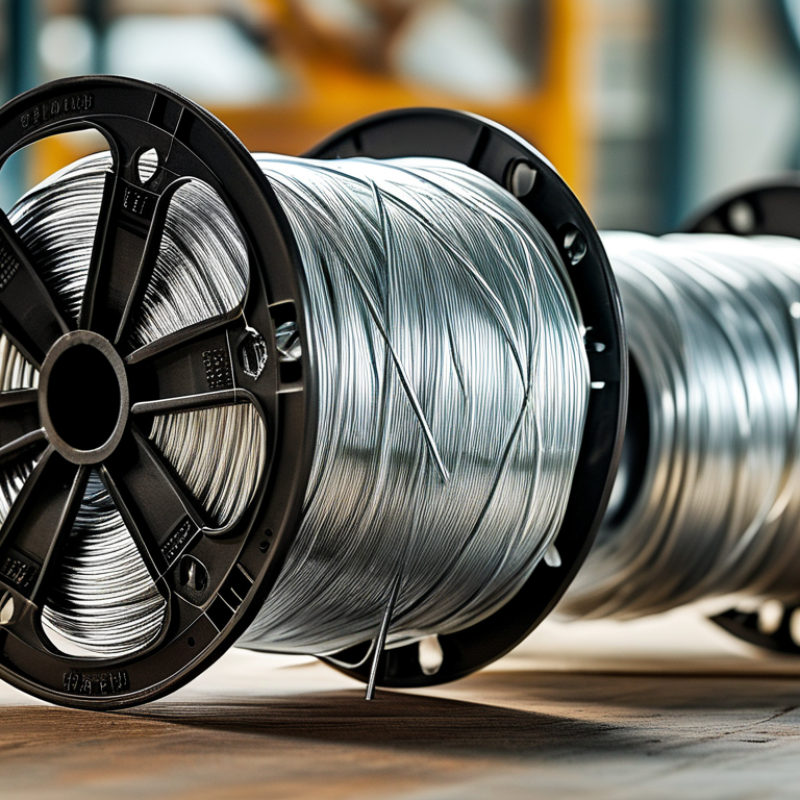
How to Choose the Best Aluminum Wire for Your Projects?

Factors to Consider When Choosing Aluminum Wire

When selecting aluminum wire for your projects, several key factors warrant consideration. One of the most important aspects is the wire gauge. According to the American Wire Gauge (AWG) system, a lower gauge number indicates a thicker wire. For instance, a 10-gauge wire can carry more current than a 14-gauge wire. This impact on the electrical capacity is critical for ensuring safety and efficiency in applications such as wiring, automotive, and construction.


Another important factor is the alloy type. Aluminum wires typically come in various alloys, which affect conductivity and tensile strength. The 1350 alloy, for instance, boasts high conductivity, making it ideal for electrical applications. In contrast, the 6061 alloy has better tensile strength, suitable for structural uses. A balance between conductivity and strength will depend on the specific requirements of your project.


Tips: Always check the environment where the wire will be used. Corrosion resistance is vital for outdoor applications. Also, document the wire's specifications and ensure they meet project standards. Lastly, conduct regular inspections for wear and damage. This step can prevent costly repairs and ensure project longevity.

Types of Aluminum Wire and Their Applications

When selecting aluminum wire for various projects, understanding the different types is crucial. Two common types are bare aluminum wire and aluminum alloy wire. Bare aluminum wire is often used in overhead power lines due to its high conductivity and lightweight nature. Industry reports indicate that such wires can save energy costs by 20% in electric transmission systems.

On the other hand, aluminum alloy wire has enhanced strength and resistance to corrosion, making it suitable for applications in construction and marine environments. According to research by the Aluminum Association, using aluminum alloys can increase structural durability by nearly 40%. However, choosing the right type can be challenging.

Some projects may require specific electrical properties, while others prioritize mechanical strength. Misjudging the wire's specifications can lead to inefficient performance or safety hazards. It’s important to evaluate your project's needs carefully. Each selection choice carries implications. Ensure you consult recent guidelines and standards to avoid issues in execution.

Gauge Sizes and Their Impact on Performance

When selecting aluminum wire, gauge sizes play a critical role in your project's performance. The American Wire Gauge (AWG) system provides a standardized way to measure wire thickness. Thinner wires, like 18 AWG, are ideal for small, low-power applications. They are lightweight and flexible, making them easy to handle. However, they have limited current-carrying capacity. Choosing a gauge that’s too thin may result in overheating or voltage drop.

On the other hand, thicker wires, such as 10 AWG, can accommodate higher currents. They are less resistive and ensure efficient power transmission. Consider the specific demands of your project. If you need to power larger devices or long distances, a thicker wire is necessary. However, thicker wires are more rigid and harder to work with. This could complicate your installation process.

Evaluate the trade-offs carefully. Each gauge size has its benefits and drawbacks. There is often a balance to strike between flexibility and power capacity. It's important not to overlook these details, as they can significantly affect overall performance. Experiment with different gauge sizes to find the best fit for your needs.

Corrosion Resistance and Environmental Considerations

When selecting aluminum wire, corrosion resistance is crucial. Aluminum, while lightweight and conductive, can corrode in certain environments. According to the Aluminum Association, aluminum naturally forms an oxide layer that helps resist corrosion. However, this layer can be compromised in coastal areas or industrial environments with high pollution levels.

Environmental factors play a significant role in wire durability. High humidity, saltwater exposure, and acid rain can accelerate corrosion. Studies show that aluminum wires exposed to saltwater can degrade significantly faster, with corrosion rates reaching up to 0.5 mm per year. This can lead to reduced performance in electrical applications.

It's essential to consider protective coatings when choosing aluminum wire for specific projects. Anodized or painted surfaces can enhance resistance. However, these treatments are not foolproof. They may wear off over time or in harsh conditions. Proper storage and installation practices can also mitigate corrosion risks. Factors like mechanical stress during installation can create weak points, leading to future failures. Balancing these considerations ensures a more reliable wire for your projects.

Cost-Effectiveness and Budget Planning for Projects

When planning your project, budgeting wisely is essential. Aluminum wire can be a cost-efficient choice, but it’s crucial to consider all factors. Prices may vary significantly based on thickness and quality. A thiner wire may cost less but might not support heavier loads. Evaluate your project’s specific needs before making a decision.

Consider the long-term value. Sometimes, an initial lower cost leads to higher expenses in repairs or replacements. Investing in quality aluminum wire from the beginning can save money down the road. Check local suppliers for competitive prices. It may also help to buy in bulk to reduce costs further while ensuring you have enough materials for your needs.

Keep in mind potential hidden costs. Installation fees or additional tools for cutting and handling the wire should be factored into your budget. It’s important to review your project requirements carefully. Seeking advice from professionals can help identify the best solutions, preventing overspending caused by avoidable mistakes.

How to Choose the Best Aluminum Wire for Your Projects? - Cost-Effectiveness and Budget Planning for Projects

Parameter Description Cost per Foot ($) Applications
AWG 12 Aluminum Wire Suitable for residential electrical projects. 0.15 Wiring for outlets and lights.
AWG 10 Aluminum Wire Ideal for high-load circuits and power applications. 0.25 Subpanels and high-amperage devices.
AWG 8 Aluminum Wire Used for outdoor circuits and connections. 0.35 Landscape lighting and outdoor power.
AWG 6 Aluminum Wire Recommended for heavy-duty applications. 0.45 Generators and larger equipment.

Article Source:

Copyright 2025 Fluidra S.A. | Created by BCM Marketing Agencia Privacy Policy Legal note | Cookie policy |

Technical cookies are strictly necessary for our website to work and you can navigate through it. These types of cookies are those that, for example, allow us to identify you, give you access to certain restricted parts of the page if necessary, or remember different options or services already selected by you, such as your privacy preferences. Therefore, they are activated by default, your authorization not being necessary in this regard. Through the configuration of your browser, you can block or alert the presence of this type of cookies, although such blocking will affect the proper functioning of the different functionalities of our website.


The analysis cookies allow us to study the navigation of the users of our website in general (for example, which sections of the page are the most visited, which services are used most and if they work correctly, etc.). From the statistical information on navigation on our website, we can improve both the operation of the page itself and the different services it offers. Therefore, these cookies do not have an advertising purpose, but only serve to make our website work better, adapting to our users in general. By activating them you will contribute to this continuous improvement. You can enable or disable these cookies by checking the corresponding box, being disabled by default.


Functionality cookies allow us to remember your preferences, to personalize certain characteristics and general options of our website, every time you access it (for example, the language in which the information is presented to you, the sections marked as favorites, your browser type, etc.) Therefore, this type of cookies does not have an advertising purpose, but by activating them you will improve the functionality of the website (for example, adapting to your type of browser) and the customization of it based on your preferences (for example, by presenting the information in the language that you have chosen in previous occasions), which will contribute to the ease, usability and comfort of our page during your navigation. You can enable or disable these cookies by checking the corresponding box, being disabled by default.


Advertising cookies allow us to manage the advertising spaces included in our website based on criteria such as the content shown or the frequency in which the ads are displayed. For example, if you have been shown the same ad several times on our website, and you have not shown a personal interest by clicking on it, it will not appear again. In summary, by activating this type of cookies, the advertising shown on our website will be more useful and diverse, and less repetitive. You can enable or disable these cookies by checking the corresponding box, being disabled by default.


Behavioral advertising cookies allow us to obtain information based on the observation of your browsing habits and behaviors on the web, in order to show you advertising content that best suits your personal tastes and interests. To understand it in a very simple way, we will give you a fictitious example: if your last searches on the web were related to suspense literature, we would show you advertising about suspense books. Therefore, activating this type of cookies, the advertising that we show you on our website will not be generic, but will be oriented to your searches, tastes and interests, therefore adjusting exclusively to you. You can enable or disable these cookies by checking the corresponding box, being disabled by default.
To understand it in a very simple way, we will give you a fictitious example: if your last searches on the web were related to suspense literature, we would show you advertising about suspense books. Therefore, activating this type of cookies, the advertising that we show you on our website will not be generic, but will be oriented to your searches, tastes and interests, therefore adjusting exclusively to you. You can enable or disable these cookies by checking the corresponding box, being disabled by default.

SAVE

We use our own and third-party cookies to ensure the proper functioning of the website and to analyse our services, improve your experience on our website and show you advertisements related to your interests according to profiling based on your browsing habits (e.g. websites visited). You can accept all cookies by clicking "ACCEPT" or set or reject them by clicking here. If you would like to know more about the use of cookies, please see our COOKIE POLICY.


ACCEPT ALL
Reject no essentials


