
Top Tips for Choosing Solid Forklift Tires for Your Business?
FLUID HANDLING EXPERTS

Blog, all our news

Top Tips for Choosing Solid Forklift Tires for Your Business?

When selecting the right Solid Forklift Tires for your business, several factors come into play. Solid forklift tires provide durability and help maintain optimal performance in tough operating conditions. They are designed to withstand punctures, offering a longer lifespan than pneumatic tires. However, not all solid tires are created equal.

Consider your specific operational needs. The environment, load weight, and tire composition are essential factors. Different tires serve different purposes. Choosing the wrong type can impact efficiency and safety. It’s crucial to understand the trade-offs. For example, a softer tire may provide better traction but could wear out quicker.

Analyzing your usage patterns is fundamental. If you often work on rough terrain, invest in tires that offer better shock absorption. On the other hand, smooth surfaces may require less aggressive tread patterns. The right choice not only enhances productivity but also reduces costs. With careful consideration, solid forklift tires can significantly improve your operations and minimize downtime.
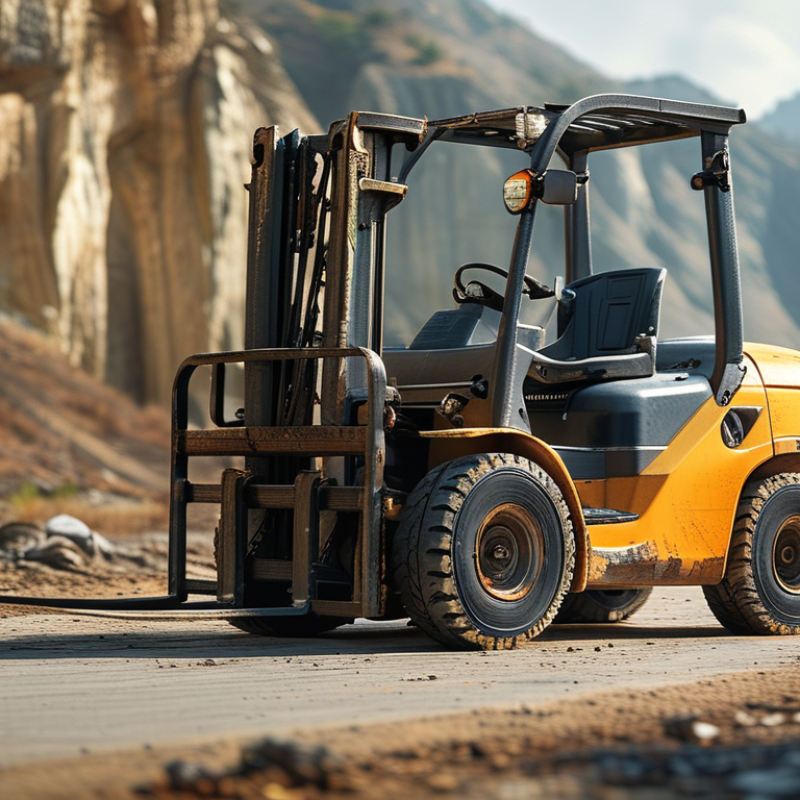
Top Tips for Choosing Solid Forklift Tires for Your Business?

Understanding the Importance of Choosing the Right Forklift Tires

Choosing the right forklift tires is crucial for your business's efficiency. Solid tires provide durability and stability, making them suitable for heavy loads. They are a wise investment as they typically require less maintenance than other types. However, not every solid tire fits all applications. Understanding your specific needs is essential.

Consider factors like the type of flooring in your facility. Hard surfaces may require tires with a specific tread pattern for optimal grip. In contrast, softer surfaces might benefit from tires designed to cushion impacts. Pay attention to load capacity as well. Overloading tires can lead to increased wear and other safety hazards.

Reflecting on tire choices is critical. A misstep can lead to downtime and increased costs. Assess the performance data from past experiences and consult resources for guidance. Engaging with tire professionals can provide insights into selecting the best option for your environment. Ignoring these details could affect your operational efficiency in the long run. Remember, the right tire choice can enhance both safety and productivity.

Top Tips for Choosing Solid Forklift Tires for Your Business

Tire Type Load Capacity (lbs) Tread Pattern Surface Compatibility Typical Lifespan (Hours)
Solid Rubber 3,000 Smooth Concrete, Asphalt 2,500
Polyurethane 2,500 Non-Marking Indoor 2,000
Cushion 4,200 Contoured Indoor/Outdoor 3,000
Heavy-Duty Solid 5,000 Deep Tread Rough Terrain 3,500

Types of Solid Forklift Tires: A Comprehensive Overview

When selecting solid forklift tires, understanding the different types is crucial. There are several categories available. Each type has specific applications. Cushion tires, for instance, are ideal for indoor use. They offer great maneuverability on smooth surfaces. These tires also resist punctures, providing a reliable option.

On the other hand, pneumatic solid tires are suitable for outdoor conditions. They feature a robust design that can handle rough terrains. Their ability to absorb shocks is a noteworthy aspect. However, they may not perform as well on smooth surfaces. Choosing the right type depends on your operational needs and environment.

Additionally, consider the tire's hardness. A harder compound lasts longer but may provide a rougher ride. Conversely, softer tires offer better traction but wear out more quickly. There’s often a trade-off between durability and comfort. Evaluating your use-case scenario can guide you. It's important to reflect on these nuances when making your decision. Each tire type brings unique benefits and challenges, which requires careful consideration.

Factors to Consider When Selecting Forklift Tires for Your Operations

When selecting forklift tires, multiple factors impact performance and safety. The tire type greatly affects load capacity and durability. According to industry reports, solid tires are often recommended for heavy loads, as they have a longer lifespan compared to pneumatic tires. This can reduce downtime and maintenance costs significantly, a key consideration for many businesses.

Another critical factor is the operating environment. For instance, workplaces with rough terrain demand tougher tire compounds that resist cuts and wear. Reports suggest that using inappropriate tires in harsh conditions can lead to accidents and increased injury risks. Understanding your operational needs can lead to selecting the most suitable tire, ultimately enhancing productivity.

Cost also plays a vital role in the decision-making process. While higher quality tires may require a larger initial investment, they usually offer lower cost-per-hour of usage. Companies often overlook this long-term aspect, focusing solely on upfront costs. Balancing quality with budget constraints can be challenging, yet essential for optimizing operational efficiency.

Assessing Durability and Performance of Solid Forklift Tires

When selecting solid forklift tires, durability and performance are crucial factors. Solid tires must withstand heavy usage in various conditions. Research shows that solid tires can have a lifespan of 2,000 to 5,000 hours, depending on application and maintenance. It’s essential to assess the operating environment of your business. Harsh surfaces can lead to quicker wear, affecting overall performance.

Another important aspect is the material composition of the tires. High-quality rubber compounds offer better resistance to cuts and punctures. A study by the Industrial Truck Association notes that using superior materials can improve traction by up to 30%. This enhanced traction leads to better handling and safety, especially in tight spaces. Monitoring tire wear patterns also provides insight into performance longevity. Uneven wear might indicate equipment malfunctions or inappropriate tire choice.

Many businesses overlook the impact of tire choice on overall operating costs. It’s not just about purchase price; maintenance and replacement costs are significant too. Investing in durable tires may seem costly upfront, but it can lead to savings in the long run. Regular inspections are necessary to avoid unexpected downtimes. Understanding these factors ensures that your investment supports optimal performance and growth.

Cost vs. Value: Making an Informed Decision on Forklift Tires

When selecting solid forklift tires, understanding cost versus value is essential. The upfront cost of tires can be appealing, but it’s crucial to consider the long-term benefits. Cheaper tires may wear out faster, leading to increased replacement costs. This is a common oversight for many businesses. Balancing initial expenses with potential savings is vital.

The right tires enhance productivity and safety. They can improve traction, reduce downtime, and minimize maintenance needs. Some businesses underestimate the impact of quality tires on overall efficiency. A small investment in robust tires can yield significant returns. Additionally, the wrong tire choice can lead to operational issues. Frequent flats or poor performance can disrupt workflow.

Evaluating your specific needs is necessary. Consider factors such as load capacity and the type of terrain. Each business has unique demands that influence tire selection. Engaging with industry experts can provide valuable insights. They help clarify the complexities of tire options. Mistakes in tire selection often come from a lack of information. Investing time in research can prevent costly errors.

Copyright 2025 Fluidra S.A. | Created by BCM Marketing Agencia Privacy Policy Legal note | Cookie policy |

Technical cookies are strictly necessary for our website to work and you can navigate through it. These types of cookies are those that, for example, allow us to identify you, give you access to certain restricted parts of the page if necessary, or remember different options or services already selected by you, such as your privacy preferences. Therefore, they are activated by default, your authorization not being necessary in this regard. Through the configuration of your browser, you can block or alert the presence of this type of cookies, although such blocking will affect the proper functioning of the different functionalities of our website.


The analysis cookies allow us to study the navigation of the users of our website in general (for example, which sections of the page are the most visited, which services are used most and if they work correctly, etc.). From the statistical information on navigation on our website, we can improve both the operation of the page itself and the different services it offers. Therefore, these cookies do not have an advertising purpose, but only serve to make our website work better, adapting to our users in general. By activating them you will contribute to this continuous improvement. You can enable or disable these cookies by checking the corresponding box, being disabled by default.


Functionality cookies allow us to remember your preferences, to personalize certain characteristics and general options of our website, every time you access it (for example, the language in which the information is presented to you, the sections marked as favorites, your browser type, etc.) Therefore, this type of cookies does not have an advertising purpose, but by activating them you will improve the functionality of the website (for example, adapting to your type of browser) and the customization of it based on your preferences (for example, by presenting the information in the language that you have chosen in previous occasions), which will contribute to the ease, usability and comfort of our page during your navigation. You can enable or disable these cookies by checking the corresponding box, being disabled by default.


Advertising cookies allow us to manage the advertising spaces included in our website based on criteria such as the content shown or the frequency in which the ads are displayed. For example, if you have been shown the same ad several times on our website, and you have not shown a personal interest by clicking on it, it will not appear again. In summary, by activating this type of cookies, the advertising shown on our website will be more useful and diverse, and less repetitive. You can enable or disable these cookies by checking the corresponding box, being disabled by default.


Behavioral advertising cookies allow us to obtain information based on the observation of your browsing habits and behaviors on the web, in order to show you advertising content that best suits your personal tastes and interests. To understand it in a very simple way, we will give you a fictitious example: if your last searches on the web were related to suspense literature, we would show you advertising about suspense books. Therefore, activating this type of cookies, the advertising that we show you on our website will not be generic, but will be oriented to your searches, tastes and interests, therefore adjusting exclusively to you. You can enable or disable these cookies by checking the corresponding box, being disabled by default.
To understand it in a very simple way, we will give you a fictitious example: if your last searches on the web were related to suspense literature, we would show you advertising about suspense books. Therefore, activating this type of cookies, the advertising that we show you on our website will not be generic, but will be oriented to your searches, tastes and interests, therefore adjusting exclusively to you. You can enable or disable these cookies by checking the corresponding box, being disabled by default.

SAVE

We use our own and third-party cookies to ensure the proper functioning of the website and to analyse our services, improve your experience on our website and show you advertisements related to your interests according to profiling based on your browsing habits (e.g. websites visited). You can accept all cookies by clicking "ACCEPT" or set or reject them by clicking here. If you would like to know more about the use of cookies, please see our COOKIE POLICY.


ACCEPT ALL
Reject no essentials



