
How to Choose the Right Water Meters for Your Needs?
FLUID HANDLING EXPERTS

Blog, all our news

How to Choose the Right Water Meters for Your Needs?

In the ever-evolving field of water management, choosing the right water meters is crucial. Experts like Dr. Emily Carter, a leading authority in water resource management, emphasize the importance of accurate measurement. She once stated, "Selecting the appropriate water meter can save both resources and costs significantly."

Water meters come in various types, each designed for specific applications. The right choice depends on multiple factors. Flow rate, accuracy, and installation conditions are essential to consider. A poorly chosen meter can lead to inaccurate readings and wasted resources.

It's also vital to recognize that not all meters are created equal. Some may perform well in certain environments but fail in others. Understanding your needs is key. Remember, the right water meter will not only enhance efficiency but also contribute to sustainability efforts in your community.
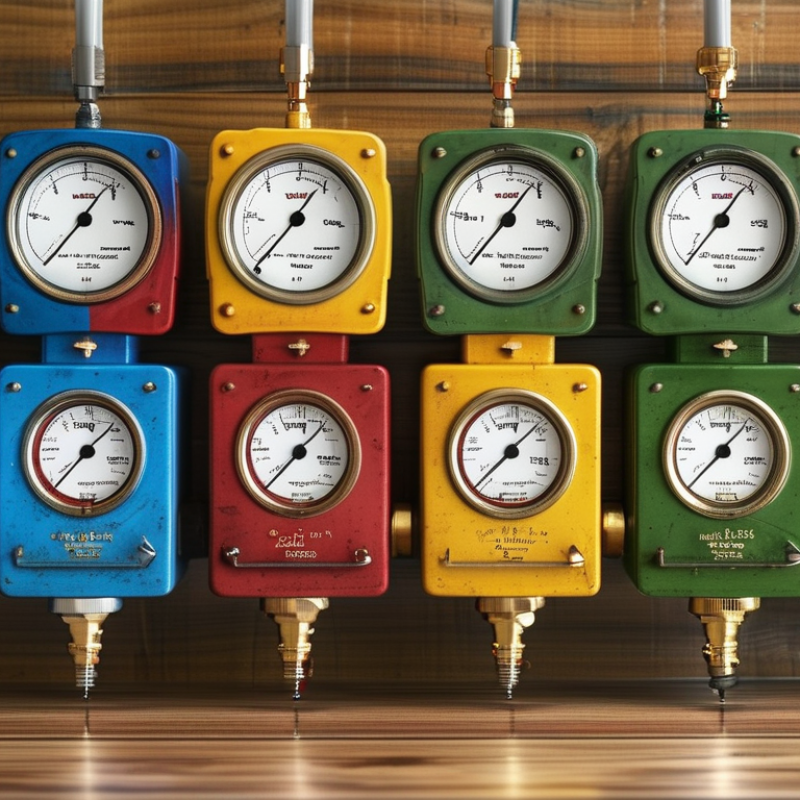
How to Choose the Right Water Meters for Your Needs?

Understanding Different Types of Water Meters Available on the Market

When selecting water meters, it’s important to understand the various types available today. The most common types include volumetric, electromagnetic, and ultrasonic meters. Each type has distinct features that cater to specific needs. For example, volumetric meters measure water flow by capturing and recording the volume of water passing through, making them a popular choice for residential use. According to industry reports, volumetric meters account for nearly 50% of the market.

Electromagnetic meters operate using electromagnetic induction. They are highly accurate and suitable for larger commercial applications. These meters perform well in measuring various fluid types, which enhances their versatility. However, they can be more costly due to their advanced technology. Surveys indicate that about 30% of businesses in sectors like agriculture and manufacturing choose electromagnetic options for their efficiency and reliability.

Ultrasonic water meters use high-frequency sound waves to measure flow rate. They are typically used in complex systems where precise measurements are critical. While they boast high accuracy, installation can be tricky. Not every user may have the expertise needed for this. Though promising, experiences in pilot studies suggest a learning curve in adapting to this technology. Each type has its pros and cons, making it vital to analyze your specific needs and context before making a decision.

Assessing Your Water Usage Needs and Requirements

When assessing your water usage needs, it’s crucial to understand your consumption pattern. According to the AWWA, the average household uses about 300 gallons of water daily. This usage varies based on factors like household size, landscaping, and appliances. Larger households may need more accurate measurements to manage water bills effectively.

Tips: Analyze your monthly water bills. Look for spikes that could indicate leaks or excessive usage.

Understanding your specific requirements can guide you in choosing the right water meter. For instance, residential water meters typically measure usage in gallons or cubic feet. Some advanced models provide real-time data, helping you monitor consumption and detect leaks early. However, not all models are equally effective. Research shows that traditional meters can under-read by about 5%, affecting accuracy over time.

Tips: Consider the features you need. Do you want remote reading capabilities or digital displays? Knowing your preferences helps narrow down choices.

When evaluating options, pay attention to installation costs and maintenance needs. Some meters require professional installation, which adds expenses. Industry reports suggest that regular maintenance is essential for accurate readings. Skipping this could lead to inefficiencies and unexpected costs.

Key Features to Consider When Selecting a Water Meter

Choosing the right water meter requires careful consideration of several key features. Start by assessing your specific needs. Do you require a meter for residential or commercial use? The water usage patterns differ significantly between these applications. Knowing your needs can help narrow down your options.

Accuracy is crucial. A reliable water meter can provide precise readings, which directly impacts billing and resource management. Models vary in measurement technology. Magnetic, ultrasonic, and mechanical are common types. Each has its pros and cons. A magnetic meter, for instance, offers high accuracy but may come at a higher cost.

Tip: Look for meters with warranty and customer support. This can be vital if you face issues down the line. Also, consider the installation process. Some meters require professional installation, while others are DIY-friendly. This can save money if you opt for a simpler model.

Durability matters as well. A water meter should withstand environmental conditions. Check materials and ratings before making a decision. Often, these devices face wear over time, so choose one with robust construction.

Tip: Review user feedback. Real-world experiences can provide invaluable insights into a product's reliability and performance. This can prevent potential pitfalls and encourage informed decision-making.

Installation and Maintenance Considerations for Water Meters

When selecting water meters, installation and maintenance play crucial roles. Proper installation ensures accurate readings. Many meters depend on straight pipe runs to function optimally. According to a report by the American Water Works Association, incorrect installation can lead to errors of up to 15%. This emphasizes the need for precision during setup.

Regular maintenance is equally important. Periodic checks can help identify leaks or malfunctions early. A recent study indicated that about 10% of water meters are inaccurate due to wear over time. Maintaining your meter not only ensures its accuracy but also helps in water conservation.

Tip: Schedule routine inspections every six months. This proactive approach can save costs linked to water loss. Moreover, educational workshops on maintenance can empower users to manage their meters effectively.

Assessing installation sites is essential. Factors such as temperature and pressure fluctuations affect functionality. The wrong environment can lead to premature failure. Balancing these aspects brings value and ensures reliability in your water usage.

Cost-Effectiveness and Budgeting for Your Water Meter Choice

Choosing a water meter involves considering cost-effectiveness and budgeting. The upfront cost is just one factor. Long-term savings from accurate measurements are equally important. Different meters offer varying levels of precision and durability. A reliable meter is an investment that often pays off through reduced water bills.

When budgeting, look beyond purchase price. Installation and maintenance costs also matter. Cheaper options may lead to higher expenses down the line due to inaccuracies. You might save now, but the consequences can be financially burdensome later. Also, consider the meter's lifespan. A slightly higher initial investment could yield significant savings.

Evaluating your specific needs is crucial. Size, usage patterns, and local regulations can influence your decision. If the meter underperforms, it can lead to wasted water and increased costs. Think critically about your choice. Is the lowest price truly the best option? Reflect on your needs before making a final decision.

Water Meter Cost-Effectiveness Comparison

This chart compares the average cost of various types of water meters, helping you understand their cost-effectiveness as you choose the right water meter for your needs.

Copyright 2025 Fluidra S.A. | Created by BCM Marketing Agencia Privacy Policy Legal note | Cookie policy |

Technical cookies are strictly necessary for our website to work and you can navigate through it. These types of cookies are those that, for example, allow us to identify you, give you access to certain restricted parts of the page if necessary, or remember different options or services already selected by you, such as your privacy preferences. Therefore, they are activated by default, your authorization not being necessary in this regard. Through the configuration of your browser, you can block or alert the presence of this type of cookies, although such blocking will affect the proper functioning of the different functionalities of our website.


The analysis cookies allow us to study the navigation of the users of our website in general (for example, which sections of the page are the most visited, which services are used most and if they work correctly, etc.). From the statistical information on navigation on our website, we can improve both the operation of the page itself and the different services it offers. Therefore, these cookies do not have an advertising purpose, but only serve to make our website work better, adapting to our users in general. By activating them you will contribute to this continuous improvement. You can enable or disable these cookies by checking the corresponding box, being disabled by default.


Functionality cookies allow us to remember your preferences, to personalize certain characteristics and general options of our website, every time you access it (for example, the language in which the information is presented to you, the sections marked as favorites, your browser type, etc.) Therefore, this type of cookies does not have an advertising purpose, but by activating them you will improve the functionality of the website (for example, adapting to your type of browser) and the customization of it based on your preferences (for example, by presenting the information in the language that you have chosen in previous occasions), which will contribute to the ease, usability and comfort of our page during your navigation. You can enable or disable these cookies by checking the corresponding box, being disabled by default.


Advertising cookies allow us to manage the advertising spaces included in our website based on criteria such as the content shown or the frequency in which the ads are displayed. For example, if you have been shown the same ad several times on our website, and you have not shown a personal interest by clicking on it, it will not appear again. In summary, by activating this type of cookies, the advertising shown on our website will be more useful and diverse, and less repetitive. You can enable or disable these cookies by checking the corresponding box, being disabled by default.


Behavioral advertising cookies allow us to obtain information based on the observation of your browsing habits and behaviors on the web, in order to show you advertising content that best suits your personal tastes and interests. To understand it in a very simple way, we will give you a fictitious example: if your last searches on the web were related to suspense literature, we would show you advertising about suspense books. Therefore, activating this type of cookies, the advertising that we show you on our website will not be generic, but will be oriented to your searches, tastes and interests, therefore adjusting exclusively to you. You can enable or disable these cookies by checking the corresponding box, being disabled by default.
To understand it in a very simple way, we will give you a fictitious example: if your last searches on the web were related to suspense literature, we would show you advertising about suspense books. Therefore, activating this type of cookies, the advertising that we show you on our website will not be generic, but will be oriented to your searches, tastes and interests, therefore adjusting exclusively to you. You can enable or disable these cookies by checking the corresponding box, being disabled by default.

SAVE

We use our own and third-party cookies to ensure the proper functioning of the website and to analyse our services, improve your experience on our website and show you advertisements related to your interests according to profiling based on your browsing habits (e.g. websites visited). You can accept all cookies by clicking "ACCEPT" or set or reject them by clicking here. If you would like to know more about the use of cookies, please see our COOKIE POLICY.


ACCEPT ALL
Reject no essentials


