
How to Choose the Right Shoulder Screw in Imperial Size?
FLUID HANDLING EXPERTS

Blog, all our news

How to Choose the Right Shoulder Screw in Imperial Size?

Choosing the right shoulder screw imperial size can significantly impact your project. This selection process requires a combination of precision and thoughtful consideration. The shoulder screw is essential in providing reliable fastening in various applications. However, many users overlook crucial factors when making their choices.

Proper understanding of dimensions and material types can ensure a successful installation. Different applications demand specific lengths, diameters, and shoulder lengths. Each specification affects the screw's performance. A mismatch in any of these areas can lead to mechanical failures. Therefore, being aware of your specific needs is vital.

Additionally, it is essential to consider the environments in which these screws will operate. Factors such as load, vibration, and exposure to elements can influence your choice. Many overlook these aspects, leading to potential issues down the line. Evaluating all these elements carefully will help avoid common pitfalls and enhance the reliability of your assembly.
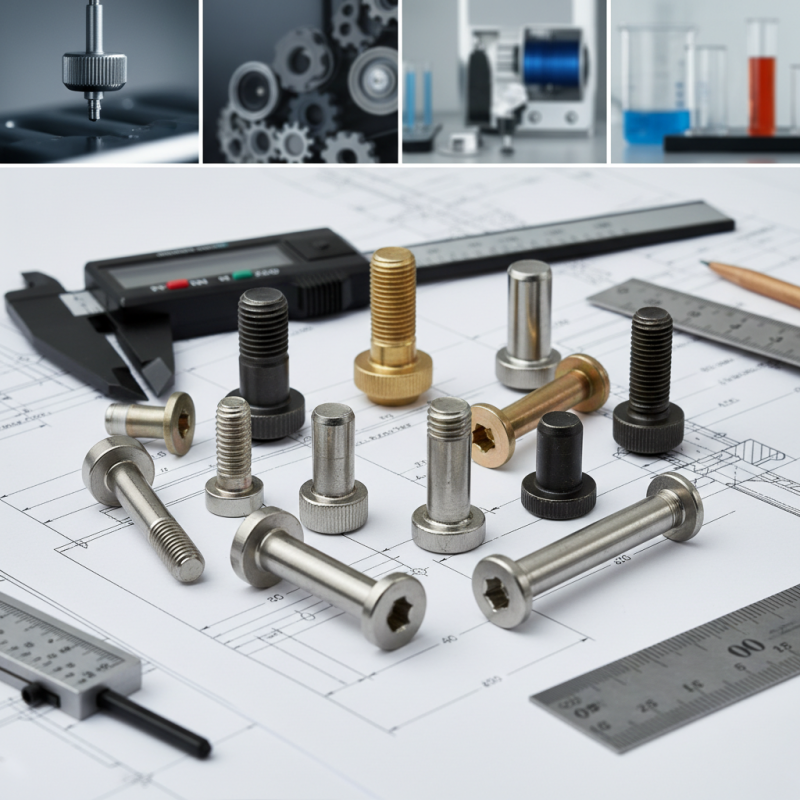
How to Choose the Right Shoulder Screw in Imperial Size?

Understanding Imperial Sizes and Their Applications in Industry

When choosing a shoulder screw in Imperial sizes, understanding their applications is crucial. Imperial sizes refer to measurement units used primarily in the United States. These sizes are expressed in inches, making them different from metric systems. Each application may require specific dimensions. For instance, a screw’s length and diameter must match your project needs.

In industries like manufacturing and construction, the right shoulder screw can impact performance significantly. Different materials and finishes may be needed. A high-strength steel screw, for example, might be essential for load-bearing applications. Yet, sometimes users may overlook these details, resulting in improper fit and failures. Choosing the correct shoulder screw requires thoughtful consideration.

One must also think about thread types and tolerances. A wrong choice can lead to issues like stripped threads or alignment problems. Always consult engineering guidelines when in doubt. An educated choice enhances reliability, but it's not always straightforward. Recognizing the nuances of Imperial sizes can improve project outcomes, yet it requires continuous learning and adaptation.

How to Choose the Right Shoulder Screw in Imperial Size

This chart illustrates the common shoulder screw sizes in imperial measurements and their respective counts. Understanding these sizes is crucial for selecting the appropriate shoulder screw according to your industrial application needs.

Key Factors to Consider When Selecting Shoulder Screw Dimensions

Choosing the right shoulder screw in imperial size involves careful consideration of specific dimensions. The diameter of the screw is essential. A screw that is too small may not provide sufficient strength. Conversely, a screw that's too large can damage the components it connects. Understanding the correct diameter can prevent future issues.

Length is another critical factor. The shoulder length must accommodate your application needs. A shorter screw may not allow for proper part alignment. A longer screw could interfere with other components. Evaluating the layers and fit of your project is vital for making an informed decision.

Don't overlook the material. Different applications require different materials, such as heat-treated steel or stainless steel. Each material has its unique properties. Testing how the screw performs under varying conditions is important. Consider environmental factors like humidity and temperature. Each choice comes with pros and cons that need careful analysis. Think critically about your requirements and how the right shoulder screw can enhance your project.

Material Choices for Shoulder Screws: Impact on Strength and Durability

When selecting shoulder screws, material choice plays a crucial role in determining strength and durability. Common materials include stainless steel, alloy steel, and plastic. Each material has unique properties that influence performance. For instance, stainless steel offers corrosion resistance but may not be the strongest option. In contrast, alloy steel provides high tensile strength, making it suitable for heavy-duty applications.

According to industry reports, nearly 40% of failure in mechanical systems can be attributed to material inadequacies. This highlights the importance of selecting the right material for shoulder screws. A study from the Machinery and Equipment Manufacturers Association notes that improper material choice can lead to premature failure in critical components.

Furthermore, while plastic shoulder screws are lightweight and resistant to corrosion, they are often less durable than their metal counterparts. Users must reflect on the application's specific needs. Relying solely on cost can lead to long-term issues. Therefore, evaluating material performance against the demands of the application is essential. This benchmarking can prevent costly repairs or downtime in mechanical systems.

Common Standards and Specifications for Imperial Shoulder Screws

When selecting the right shoulder screw in imperial size, it’s crucial to understand common standards and specifications. These guidelines help ensure compatibility and performance in various applications. Commonly used standards include ANSI/ASME B18.3.1 and ISO 7379. Each standard specifies unique dimensions and tolerances, which designers must consider.

Shoulder screws typically come in various materials, such as stainless steel and brass. The right material affects strength and corrosion resistance. For structural integrity, one must evaluate the load requirements and environmental conditions. Always examine the shoulder length and diameter to ensure a snug fit in the intended assembly.

**Tip:** Always consult a specification sheet before making your selection. This step helps identify the correct screw size and eliminates potential mismatches.

**Tip:** Consider the application when choosing the screw type. Different head styles may be better suited for specific tasks or environments.

It’s also vital to reflect on the machining process. Some screws may have rough edges or inconsistent threading, impacting performance. Conducting tests with sample screws can reveal much about their quality and reliability.

How to Choose the Right Shoulder Screw in Imperial Size? - Common Standards and Specifications for Imperial Shoulder Screws

Screw Diameter (inches) Shoulder Length (inches) Thread Length (inches) Thread Type Material Finish
1/4 0.500 1.000 UNC Steel Zinc Plated
5/16 0.750 1.250 UNC Stainless Steel Passivated
3/8 1.000 1.500 UNC Brass Natural
1/2 1.250 2.000 UNC Aluminum Anodized

Installation Best Practices for Optimal Performance of Shoulder Screws

When installing shoulder screws, the process matters significantly. Choosing the right tools is key. A calibrated torque wrench helps ensure the proper fit without damaging components. Over-tightening can lead to stripped threads, while under-tightening may result in loose assemblies.

Pay attention to alignment during installation. Misalignment can cause undue stress on the screw and surrounding materials. Inspect the holes for cleanliness and proper size. Any debris can interfere with the screw's function. Applying a bit of lubricant can ease the installation process and enhance the screw's performance.

Monitor the installation regularly. Wear and tear can alter performance over time. If a shoulder screw loosens, revisit your installation technique. Was the torque applied correctly? Were the parts aligned? Constant reflection on these aspects can lead to improvements. Remember, even small adjustments can make a substantial impact on performance.

Copyright 2025 Fluidra S.A. | Created by BCM Marketing Agencia Privacy Policy Legal note | Cookie policy |

Technical cookies are strictly necessary for our website to work and you can navigate through it. These types of cookies are those that, for example, allow us to identify you, give you access to certain restricted parts of the page if necessary, or remember different options or services already selected by you, such as your privacy preferences. Therefore, they are activated by default, your authorization not being necessary in this regard. Through the configuration of your browser, you can block or alert the presence of this type of cookies, although such blocking will affect the proper functioning of the different functionalities of our website.


The analysis cookies allow us to study the navigation of the users of our website in general (for example, which sections of the page are the most visited, which services are used most and if they work correctly, etc.). From the statistical information on navigation on our website, we can improve both the operation of the page itself and the different services it offers. Therefore, these cookies do not have an advertising purpose, but only serve to make our website work better, adapting to our users in general. By activating them you will contribute to this continuous improvement. You can enable or disable these cookies by checking the corresponding box, being disabled by default.


Functionality cookies allow us to remember your preferences, to personalize certain characteristics and general options of our website, every time you access it (for example, the language in which the information is presented to you, the sections marked as favorites, your browser type, etc.) Therefore, this type of cookies does not have an advertising purpose, but by activating them you will improve the functionality of the website (for example, adapting to your type of browser) and the customization of it based on your preferences (for example, by presenting the information in the language that you have chosen in previous occasions), which will contribute to the ease, usability and comfort of our page during your navigation. You can enable or disable these cookies by checking the corresponding box, being disabled by default.


Advertising cookies allow us to manage the advertising spaces included in our website based on criteria such as the content shown or the frequency in which the ads are displayed. For example, if you have been shown the same ad several times on our website, and you have not shown a personal interest by clicking on it, it will not appear again. In summary, by activating this type of cookies, the advertising shown on our website will be more useful and diverse, and less repetitive. You can enable or disable these cookies by checking the corresponding box, being disabled by default.


Behavioral advertising cookies allow us to obtain information based on the observation of your browsing habits and behaviors on the web, in order to show you advertising content that best suits your personal tastes and interests. To understand it in a very simple way, we will give you a fictitious example: if your last searches on the web were related to suspense literature, we would show you advertising about suspense books. Therefore, activating this type of cookies, the advertising that we show you on our website will not be generic, but will be oriented to your searches, tastes and interests, therefore adjusting exclusively to you. You can enable or disable these cookies by checking the corresponding box, being disabled by default.
To understand it in a very simple way, we will give you a fictitious example: if your last searches on the web were related to suspense literature, we would show you advertising about suspense books. Therefore, activating this type of cookies, the advertising that we show you on our website will not be generic, but will be oriented to your searches, tastes and interests, therefore adjusting exclusively to you. You can enable or disable these cookies by checking the corresponding box, being disabled by default.

SAVE

We use our own and third-party cookies to ensure the proper functioning of the website and to analyse our services, improve your experience on our website and show you advertisements related to your interests according to profiling based on your browsing habits (e.g. websites visited). You can accept all cookies by clicking "ACCEPT" or set or reject them by clicking here. If you would like to know more about the use of cookies, please see our COOKIE POLICY.


ACCEPT ALL
Reject no essentials


