
How to Choose the Right Rock Conveyor for Your Project?
FLUID HANDLING EXPERTS

Blog, all our news

How to Choose the Right Rock Conveyor for Your Project?

When planning a project involving the transportation of heavy materials, selecting the correct Rock Conveyor is critical. This often-overlooked piece of equipment can significantly impact efficiency and costs. A rock conveyor moves materials from one point to another, minimizing manual labor and maximizing productivity. However, the wrong choice can lead to delays and increased expenses.

To choose the right Rock Conveyor, consider key factors such as load capacity, distance, and terrain. Different projects demand distinct specifications. For instance, a steep incline may require a specialized design. Additionally, understanding material types is essential. Not every rock conveyor handles every material effectively, and mismatches can cause operational failures.

Recognizing potential challenges is equally important. Selecting a rock conveyor without thorough research might result in poor performance. Reflecting on past experiences can help identify what worked well and what didn’t. This approach fosters informed decisions and enhances project outcomes. In the end, investing time in choosing the right Rock Conveyor pays off significantly in efficiency and success.
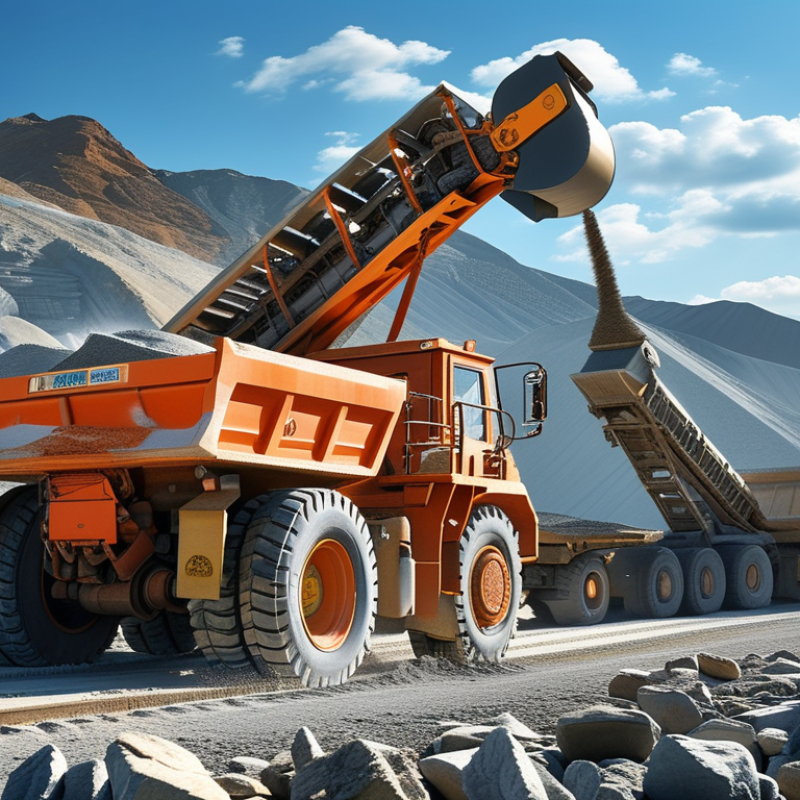
How to Choose the Right Rock Conveyor for Your Project?

Identifying Project Requirements for Rock Conveyors

When selecting a rock conveyor, it is crucial to identify your project's specific requirements. Understanding the material type is the first step. Different rocks have varying weights and sizes. For example, gravel is less dense than granite. Each type demands different conveyor specifications.

Next, consider the distance the conveyor needs to cover. A short distance may require a simpler, less robust design. In contrast, a long-distance setup demands more powerful systems. It could also require additional support structures. The terrain affects the decision too. If the route is uneven or steep, a specialized conveyor might be necessary to handle those obstacles effectively.

Lastly, think about the environment. Will the conveyor operate in extreme temperatures or wet conditions? These factors can greatly influence the choice of materials and design. Sometimes, it’s easy to overlook these details, but they play a crucial role. A conveyor that doesn’t fit the environment might lead to frequent breakdowns. It's important to think critically about all aspects, rather than rushing the selection process.

Evaluating Different Types of Rock Conveyors

When evaluating different types of rock conveyors, it’s essential to consider various factors. Different projects require different conveyor capacities and configurations. For instance, a steep incline may need a specially designed system to prevent slippage. Weight capacity is critical too. Some conveyors handle heavier loads while others excel with lighter materials.

Tips: Always assess the material properties before selecting a conveyor. The size and shape of rock can influence the choice. Furthermore, operating environment plays a role. An outdoor conveyor may need more durability against harsh weather. Think about maintenance options as well. Regular upkeep can ensure longevity but requires access.

Flexibility is valuable. A modular system allows adjustments as project needs change. It can adapt to different terrains or material types. However, the initial cost may be higher. Reflect on your project timeline and budget constraints. Balancing these factors can often lead to difficult decisions. And, remember, testing your choice on-site can provide insights into its performance.

Rock Conveyor Types Comparison

Assessing Conveyor Capacity and Material Handling Needs

When selecting a rock conveyor, assessing capacity and material handling is crucial. Understanding your project's requirements will guide your decision. Each project has unique needs, varying from light materials to heavy aggregates. Calculating the weight and volume of materials helps determine the appropriate conveyor size.

Consider the distance materials must travel. A longer distance may require more powerful motors and heavier structures. It’s essential to evaluate any environmental factors, such as slope or weather conditions. These elements can affect performance and efficiency.

Consulting with industry experts can provide insights into best practices. However, some approaches might not align with your specific needs. It's important to reflect on whether standard solutions truly fit your project. Each decision impacts efficiency, costs, and time. Balancing these factors will lead to a more successful project outcome.

How to Choose the Right Rock Conveyor for Your Project?

Conveyor Type Belt Width (inches) Capacity (tons/hour) Material Type Length (feet) Power Requirement (HP)
Standard Conveyor 24 150 Crushed Stone 100 15
Heavy-Duty Conveyor 30 250 Granite 150 25
Portable Conveyor 18 100 Sand 50 10
Modular Conveyor 36 300 Limestone 200 30

Considering Safety Features and Durability of Conveyors

When selecting a rock conveyor, safety features are paramount. Look for conveyors with emergency stop buttons. Guard rails and covers can prevent accidents. These elements minimize the risk of injuries on-site. They protect operators from moving parts and falling debris. Assessing these features early can enhance overall workplace safety.

Durability is crucial for any conveyor. Consider materials that withstand harsh conditions. Steel frames are often reliable. However, the quality of coatings matters too. Excellent coatings can prevent rust. This prolongs the lifespan of the conveyor. It's essential to think about the operational environment. Extreme weather can test the durability of even the best equipment. Regular inspections and maintenance can help identify weaknesses.

Reflecting on your project’s specific needs is wise. Each site has unique challenges, and not every conveyor suits every need. It’s essential to evaluate weight capacity and frequency of use. Additionally, think about the future. Conveyor systems might need scaling later. Think critically about whether your choice stands the test of time.

Budgeting and Cost Analysis for Rock Conveyor Options

Budgeting for a rock conveyor system can be complex. It's essential to consider various factors that influence costs. A comprehensive industry report highlights that conveyor systems typically account for 30% of the total project budget. This percentage can vary based on the project size and requirements.

Cost elements include initial purchase, installation, and maintenance. A standard rock conveyor's price ranges from $10,000 to $100,000, depending on the specifications. Installation costs can add another 15-20% to the initial investment. Maintenance is often overlooked but can represent ongoing expenses that should not be underestimated. Around 5-10% of the conveyor's initial cost is recommended for annual maintenance budgeting.

When projecting expenses, it’s vital to compare options. Each conveyor type offers distinct advantages. For instance, portable conveyors are versatile but might incur higher operational costs. In contrast, fixed systems can be cost-efficient for consistent material transport. Project managers must evaluate long-term cost implications, not just the initial purchase price. Balancing upfront investment with lifetime operational costs is crucial for financial planning in any rock handling project.

Copyright 2025 Fluidra S.A. | Created by BCM Marketing Agencia Privacy Policy Legal note | Cookie policy |

Technical cookies are strictly necessary for our website to work and you can navigate through it. These types of cookies are those that, for example, allow us to identify you, give you access to certain restricted parts of the page if necessary, or remember different options or services already selected by you, such as your privacy preferences. Therefore, they are activated by default, your authorization not being necessary in this regard. Through the configuration of your browser, you can block or alert the presence of this type of cookies, although such blocking will affect the proper functioning of the different functionalities of our website.


The analysis cookies allow us to study the navigation of the users of our website in general (for example, which sections of the page are the most visited, which services are used most and if they work correctly, etc.). From the statistical information on navigation on our website, we can improve both the operation of the page itself and the different services it offers. Therefore, these cookies do not have an advertising purpose, but only serve to make our website work better, adapting to our users in general. By activating them you will contribute to this continuous improvement. You can enable or disable these cookies by checking the corresponding box, being disabled by default.


Functionality cookies allow us to remember your preferences, to personalize certain characteristics and general options of our website, every time you access it (for example, the language in which the information is presented to you, the sections marked as favorites, your browser type, etc.) Therefore, this type of cookies does not have an advertising purpose, but by activating them you will improve the functionality of the website (for example, adapting to your type of browser) and the customization of it based on your preferences (for example, by presenting the information in the language that you have chosen in previous occasions), which will contribute to the ease, usability and comfort of our page during your navigation. You can enable or disable these cookies by checking the corresponding box, being disabled by default.


Advertising cookies allow us to manage the advertising spaces included in our website based on criteria such as the content shown or the frequency in which the ads are displayed. For example, if you have been shown the same ad several times on our website, and you have not shown a personal interest by clicking on it, it will not appear again. In summary, by activating this type of cookies, the advertising shown on our website will be more useful and diverse, and less repetitive. You can enable or disable these cookies by checking the corresponding box, being disabled by default.


Behavioral advertising cookies allow us to obtain information based on the observation of your browsing habits and behaviors on the web, in order to show you advertising content that best suits your personal tastes and interests. To understand it in a very simple way, we will give you a fictitious example: if your last searches on the web were related to suspense literature, we would show you advertising about suspense books. Therefore, activating this type of cookies, the advertising that we show you on our website will not be generic, but will be oriented to your searches, tastes and interests, therefore adjusting exclusively to you. You can enable or disable these cookies by checking the corresponding box, being disabled by default.
To understand it in a very simple way, we will give you a fictitious example: if your last searches on the web were related to suspense literature, we would show you advertising about suspense books. Therefore, activating this type of cookies, the advertising that we show you on our website will not be generic, but will be oriented to your searches, tastes and interests, therefore adjusting exclusively to you. You can enable or disable these cookies by checking the corresponding box, being disabled by default.

SAVE

We use our own and third-party cookies to ensure the proper functioning of the website and to analyse our services, improve your experience on our website and show you advertisements related to your interests according to profiling based on your browsing habits (e.g. websites visited). You can accept all cookies by clicking "ACCEPT" or set or reject them by clicking here. If you would like to know more about the use of cookies, please see our COOKIE POLICY.


ACCEPT ALL
Reject no essentials


