
2026 How to Choose the Right Plate Heat Exchanger for Your Needs?
FLUID HANDLING EXPERTS

Blog, all our news

2026 How to Choose the Right Plate Heat Exchanger for Your Needs?

Choosing the right Plate Heat Exchanger (PHE) can significantly impact your industrial processes. With numerous options available, understanding your specific needs is crucial. PHEs are vital for heat transfer in various applications, from food processing to chemical production. Selecting a suitable unit requires careful consideration of several factors.

You must evaluate the heat transfer efficiency, pressure drop, and maintenance needs. Additionally, consider the materials used in the construction. Some environments demand corrosion-resistant materials. Others may require easy disassembly for cleaning. It’s essential to balance efficiency and cost-effectiveness. Manufacturers often provide specifications, but they might not cover all unique aspects of your application.

Reflecting on your past experiences with heat exchangers can help guide your decision. What worked well? What didn’t? It’s vital to ask these questions. An informed choice can enhance performance and longevity. Make sure to consult with experts or suppliers who have a track record in the industry. Their insights can add significant value to your selection process. Ultimately, investing time in this decision pays off in operational success.
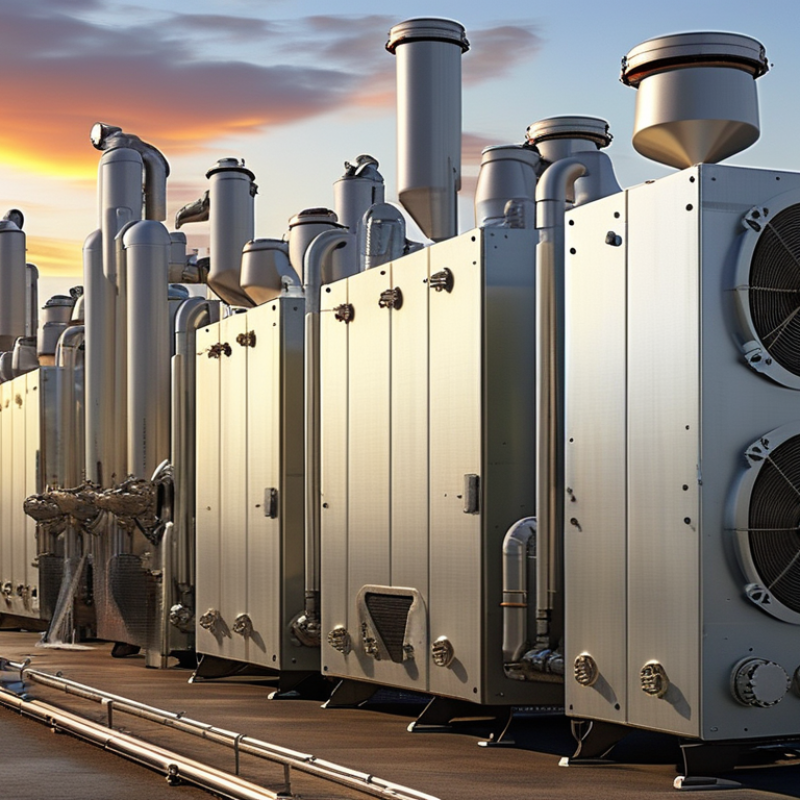
2026 How to Choose the Right Plate Heat Exchanger for Your Needs?

Understanding Plate Heat Exchangers: Basic Principles and Design

When selecting a plate heat exchanger, understanding their basic principles and design is essential. A plate heat exchanger consists of multiple thin plates stacked together, facilitating efficient heat transfer. The design allows for a large surface area while minimizing the volume. According to the International Journal of Thermal Sciences, plate heat exchangers can achieve heat transfer coefficients up to 5000 W/m²K, making them highly effective for various applications.

The flow configuration in these exchangers greatly affects performance. Counter-flow designs typically offer higher efficiency than parallel-flow designs. A recent study by the Heat Transfer Society suggests that optimizing the flow arrangement can enhance thermal efficiency by 15%. Proper fluid velocity is also crucial. Insufficient velocity may result in fouling, impacting performance over time.

Understanding your specific needs before selection is important. Consider factors like operational temperatures and fluid characteristics. In many cases, consulting with industry professionals can provide insights that lead to better choices. When in doubt, always request performance data for different configurations. Remember, the right choice not only ensures efficiency but also reliability in your system.

Key Factors to Consider When Choosing a Plate Heat Exchanger

When selecting a plate heat exchanger, several key factors play a critical role. First, consider the material composition. Stainless steel and titanium are popular choices due to their durability and resistance to corrosion. According to industry reports, about 65% of heat exchangers utilize stainless steel for applications involving food processing and pharmaceuticals. The correct material can significantly influence performance and longevity.

Next, evaluate the flow configuration. Counterflow systems are more efficient than parallel flow units. A recent analysis shows counterflow configurations can enhance heat transfer efficiency by up to 30%. Assessing the expected flow rates is crucial. An undersized unit may lead to insufficient heat transfer, straining system efficiency.

Another aspect is the maintenance requirements. While plate heat exchangers are typically easier to clean, certain designs may complicate maintenance. Regular maintenance schedules are essential. Failing to address this can lead to unexpected downtimes and costly repairs. Take time to reflect on how each factor aligns with your operational objectives.

Types of Plate Heat Exchangers and Their Applications

Plate heat exchangers are pivotal in various industries. They come in several types, each suited for specific applications. Understanding these types helps in making informed choices.

The gasketed plate heat exchanger is the most versatile. It handles a wide range of temperatures and pressures. It is ideal for food processing and HVAC systems. These units can be disassembled for cleaning and maintenance. However, the gaskets can wear out over time, requiring periodic replacement.

Welded plate heat exchangers are another option. They are designed for high-pressure applications. Commonly used in chemical processing, these are robust and efficient. Their welded design prevents leaks but makes cleaning difficult. It's crucial to consider these factors when selecting a unit. Each type has advantages and drawbacks, necessitating careful evaluation of your specific needs.

Assessing Performance Metrics: Efficiency and Heat Transfer Rates

When selecting a plate heat exchanger, understanding efficiency and heat transfer rates is crucial. Efficiency determines how well the exchanger converts heat. High efficiency saves energy costs and improves productivity. Heat transfer rates indicate the amount of heat transferred per unit of time. A higher rate usually means better performance.

For optimal selection, measure your specific needs. Consider the temperature difference between the fluids involved. This can impact the heat exchanger’s efficiency. Additionally, evaluate the flow rates of both fluids. These factors help in choosing a model that maximizes performance.

It’s essential to review potential shortcomings too. Sometimes, a high-efficiency model may not suit your application due to flow restrictions. Understand your system’s limitations. This way, you ensure reliability and longevity of the equipment. Don't ignore maintenance requirements; regular checks can sustain performance. Always weigh these aspects carefully to make an informed decision.

Maintenance and Longevity: Ensuring Optimal Operation of Your System

Maintaining a plate heat exchanger is crucial for its longevity and optimal performance. Regular inspections help identify early signs of wear or fouling. According to industry reports, over 30% of efficiency loss in heat exchangers is due to inadequate maintenance. Monitoring pressure drops can indicate fouling. Pay attention to unusual noises, which can signal issues within the unit.

Cleaning practices also play a vital role in sustaining system health. Chemical cleaning can help remove deposits while ensuring minimal impact on the plates. A study shows that proper cleaning can enhance heat transfer efficiency by up to 15%. However, it's essential to follow guidelines to prevent damaging the plates.

Routine maintenance checks should include tightening bolts and connections. These small actions can prevent larger issues from developing. Failure to address minor leaks can lead to significant downtime and increased costs. Building a maintenance schedule is beneficial and can lead to a more reliable system. Adjustments from operational changes can also affect heat exchanger performance, so remain vigilant to changes in demand.

Copyright 2025 Fluidra S.A. | Created by BCM Marketing Agencia Privacy Policy Legal note | Cookie policy |

Technical cookies are strictly necessary for our website to work and you can navigate through it. These types of cookies are those that, for example, allow us to identify you, give you access to certain restricted parts of the page if necessary, or remember different options or services already selected by you, such as your privacy preferences. Therefore, they are activated by default, your authorization not being necessary in this regard. Through the configuration of your browser, you can block or alert the presence of this type of cookies, although such blocking will affect the proper functioning of the different functionalities of our website.


The analysis cookies allow us to study the navigation of the users of our website in general (for example, which sections of the page are the most visited, which services are used most and if they work correctly, etc.). From the statistical information on navigation on our website, we can improve both the operation of the page itself and the different services it offers. Therefore, these cookies do not have an advertising purpose, but only serve to make our website work better, adapting to our users in general. By activating them you will contribute to this continuous improvement. You can enable or disable these cookies by checking the corresponding box, being disabled by default.


Functionality cookies allow us to remember your preferences, to personalize certain characteristics and general options of our website, every time you access it (for example, the language in which the information is presented to you, the sections marked as favorites, your browser type, etc.) Therefore, this type of cookies does not have an advertising purpose, but by activating them you will improve the functionality of the website (for example, adapting to your type of browser) and the customization of it based on your preferences (for example, by presenting the information in the language that you have chosen in previous occasions), which will contribute to the ease, usability and comfort of our page during your navigation. You can enable or disable these cookies by checking the corresponding box, being disabled by default.


Advertising cookies allow us to manage the advertising spaces included in our website based on criteria such as the content shown or the frequency in which the ads are displayed. For example, if you have been shown the same ad several times on our website, and you have not shown a personal interest by clicking on it, it will not appear again. In summary, by activating this type of cookies, the advertising shown on our website will be more useful and diverse, and less repetitive. You can enable or disable these cookies by checking the corresponding box, being disabled by default.


Behavioral advertising cookies allow us to obtain information based on the observation of your browsing habits and behaviors on the web, in order to show you advertising content that best suits your personal tastes and interests. To understand it in a very simple way, we will give you a fictitious example: if your last searches on the web were related to suspense literature, we would show you advertising about suspense books. Therefore, activating this type of cookies, the advertising that we show you on our website will not be generic, but will be oriented to your searches, tastes and interests, therefore adjusting exclusively to you. You can enable or disable these cookies by checking the corresponding box, being disabled by default.
To understand it in a very simple way, we will give you a fictitious example: if your last searches on the web were related to suspense literature, we would show you advertising about suspense books. Therefore, activating this type of cookies, the advertising that we show you on our website will not be generic, but will be oriented to your searches, tastes and interests, therefore adjusting exclusively to you. You can enable or disable these cookies by checking the corresponding box, being disabled by default.

SAVE

We use our own and third-party cookies to ensure the proper functioning of the website and to analyse our services, improve your experience on our website and show you advertisements related to your interests according to profiling based on your browsing habits (e.g. websites visited). You can accept all cookies by clicking "ACCEPT" or set or reject them by clicking here. If you would like to know more about the use of cookies, please see our COOKIE POLICY.


ACCEPT ALL
Reject no essentials


