
How to Choose the Right Plastic Molding Material for Your Needs?
FLUID HANDLING EXPERTS

Blog, all our news

How to Choose the Right Plastic Molding Material for Your Needs?

Choosing the right plastic molding material is crucial for successful manufacturing. According to Dr. Emily Carter, a leading expert in polymer technology, "The choice of plastic molding material can dictate the product's durability and performance." Selecting the appropriate material impacts design, functionality, and cost.

Each type of plastic molding material offers unique properties. For instance, thermoplastics are versatile but may lack strength compared to thermosetting plastics. Understanding these differences is vital for making informed decisions. Engineers must consider factors like heat resistance, flexibility, and application requirements.

Many companies struggle with this choice. Common pitfalls include oversimplifying material properties or neglecting testing phases. This can lead to costly revisions down the line. Inadequate selection often results in products that fail to meet customer expectations. Thus, a thoughtful approach to choosing plastic molding material not only enhances product quality but also ensures manufacturing efficiency.
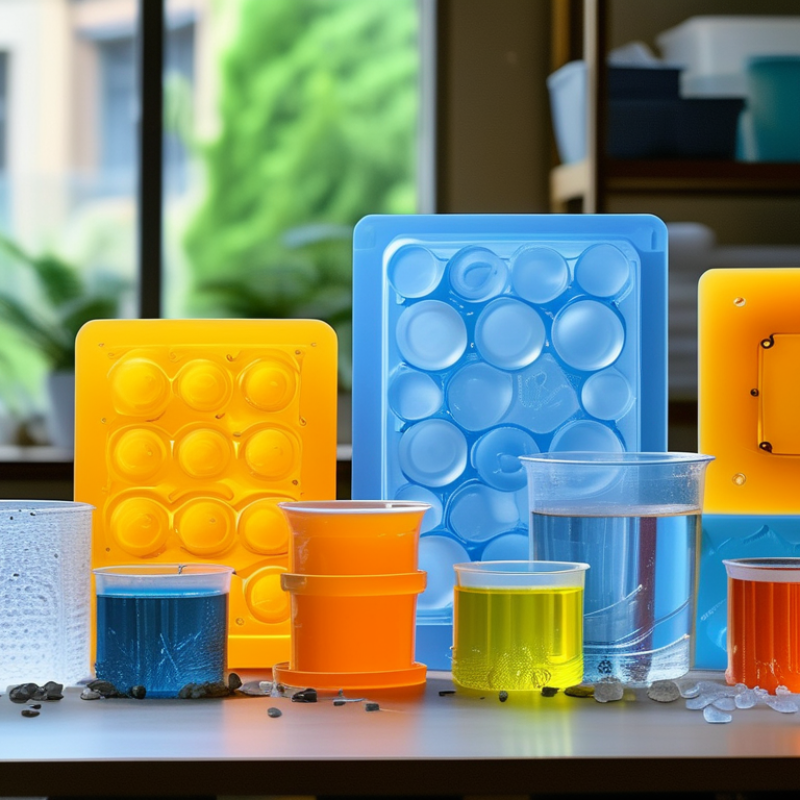
How to Choose the Right Plastic Molding Material for Your Needs?

Understanding the Basics of Plastic Molding Materials

Understanding the basics of plastic molding materials is essential for making informed choices. Various factors impact the selection process. The type of plastic significantly influences durability, cost, and manufacturing methods. Polyethylene and polypropylene are popular choices due to their flexibility and affordability. According to industry surveys, around 60% of manufacturers favor these materials for everyday applications.

In addition to common options, specialized materials like polycarbonate and ABS are vital in specific sectors. Polycarbonate offers high resistance to impact, making it suitable for safety applications. ABS, on the other hand, is known for its ease of processing and excellent finishing properties. Reports indicate that the demand for engineering plastics is rising at over 5% annually, highlighting the industry's shift toward more specialized applications.

However, challenges exist. Material selection may complicate production techniques and recycling efforts. Many manufacturers struggle to balance functionality and environmental impact. The need for sustainable alternatives is growing, and research suggests that bio-based plastics could play a significant role in the future. Understanding material strengths and weaknesses is key to optimizing production while addressing these challenges.

How to Choose the Right Plastic Molding Material for Your Needs?

Key Factors to Consider When Choosing Plastic Materials

Choosing the right plastic molding material can significantly impact your project's success. The first key factor is the application. Consider whether the material needs to withstand high temperatures or chemicals. Some applications may require flexibility, while others need rigidity. Understanding the environment in which the final product will operate is crucial.


Another important factor is the material's mechanical properties. Tensile strength, impact resistance, and durability can vary greatly between plastics. For example, some options provide excellent impact resistance but may lack chemical stability. You might even find that a compromise between cost and performance is necessary—sometimes the most affordable choice doesn't meet the required standards.


Sustainability is increasingly relevant. Recycled materials or bio-based options can reduce environmental impact. However, sourcing these materials can be challenging. Each choice requires careful thought and analysis, as the wrong material could lead to product failure. Reflecting on these factors ensures a more informed decision-making process.

Common Types of Plastic Molding Materials and Their Properties

Choosing the right plastic molding material can significantly impact the final product's performance. Understanding common types of plastic molding materials helps in making informed decisions.

Polyethylene (PE) is one of the most widely used materials. It's lightweight and resistant to moisture. However, its strength may not suit heavy-duty applications. Another popular choice is polypropylene (PP), known for its durability and flexibility. It's ideal for living hinges but might warp under high temperatures.

Then there's polycarbonate (PC), a high-impact resistant material. It's often used in safety applications. Yet, it can be prone to scratching. Each type carries distinct properties and trade-offs. Knowing these details helps in selecting the best option for your project needs.

Applications and Industries for Different Plastic Molding Materials

When selecting the right plastic molding material, it's essential to consider the specific applications and industries involved. Different industries often require unique properties from their plastics. For instance, electronics often need materials that are resistant to heat and electricity, like polycarbonate and ABS. Reports indicate that the electronics sector is expected to grow by over 5% annually due to increased demand for advanced consumer electronics. Meanwhile, the automotive industry favors high-impact materials, like polypropylene, which is projected to dominate plastic usage in vehicles by 2025.

In the medical field, biocompatible materials such as medical-grade polyvinyl chloride (PVC) are critical for devices that come in contact with patients. A recent industry report highlighted a 7% growth in the use of plastics in medical applications, driven by innovations in plastic molding technology. This emphasizes the shift toward safer and more reliable materials in healthcare.

**Tips:** Always evaluate mechanical and thermal characteristics for the intended use. Consider the environment, such as exposure to chemicals or temperatures. If there's uncertainty, consult a specialist in plastic engineering. Ensure to analyze supply chain factors influencing lead times and availability, which can impact project timelines.

How to Choose the Right Plastic Molding Material for Your Needs?

Material Type Common Applications Advantages Industries
Polypropylene (PP) Packaging, automotive parts, textiles Lightweight, chemical resistant, flexible Packaging, automotive, consumer goods
Acrylonitrile Butadiene Styrene (ABS) Consumer electronics, automotive parts, toys Strong, impact-resistant, easily machinable Electronics, household goods, automotive
Polyvinyl Chloride (PVC) Pipes, fittings, vinyl flooring Durable, weather-resistant, versatile Construction, plumbing, electrical
Polyethylene Terephthalate (PET) Bottles, food packaging, textile fibers Recyclable, strong, lightweight Food and beverage, textiles, packaging
Nylon (Polyamide) Textiles, automotive applications, gears High strength, wear-resistant, low friction Textiles, automotive, machinery

Evaluating Cost and Performance for Optimal Material Selection

Choosing the right plastic molding material can be challenging. Cost and performance are key factors in material selection. Different materials offer varying properties, affecting durability and functionality. For instance, a less expensive material may save costs upfront but could lead to higher long-term maintenance and replacement expenses.

When evaluating materials, consider their thermal stability, tensile strength, and chemical resistance. These characteristics significantly impact product performance. Some materials perform better under stress, while others might warp at higher temperatures. This variation can lead to unexpected failures. It's critical to analyze how the material will be used in real-world applications.

While weighing your options, don’t overlook the importance of sustainability. Eco-friendly materials might have a higher initial cost but can enhance your brand’s reputation. Investing time in research can make a difference. Reflecting on past projects can reveal patterns and help you avoid previous mistakes. Take the time to understand material properties thoroughly before making a decision.

Copyright 2025 Fluidra S.A. | Created by BCM Marketing Agencia Privacy Policy Legal note | Cookie policy |

Technical cookies are strictly necessary for our website to work and you can navigate through it. These types of cookies are those that, for example, allow us to identify you, give you access to certain restricted parts of the page if necessary, or remember different options or services already selected by you, such as your privacy preferences. Therefore, they are activated by default, your authorization not being necessary in this regard. Through the configuration of your browser, you can block or alert the presence of this type of cookies, although such blocking will affect the proper functioning of the different functionalities of our website.


The analysis cookies allow us to study the navigation of the users of our website in general (for example, which sections of the page are the most visited, which services are used most and if they work correctly, etc.). From the statistical information on navigation on our website, we can improve both the operation of the page itself and the different services it offers. Therefore, these cookies do not have an advertising purpose, but only serve to make our website work better, adapting to our users in general. By activating them you will contribute to this continuous improvement. You can enable or disable these cookies by checking the corresponding box, being disabled by default.


Functionality cookies allow us to remember your preferences, to personalize certain characteristics and general options of our website, every time you access it (for example, the language in which the information is presented to you, the sections marked as favorites, your browser type, etc.) Therefore, this type of cookies does not have an advertising purpose, but by activating them you will improve the functionality of the website (for example, adapting to your type of browser) and the customization of it based on your preferences (for example, by presenting the information in the language that you have chosen in previous occasions), which will contribute to the ease, usability and comfort of our page during your navigation. You can enable or disable these cookies by checking the corresponding box, being disabled by default.


Advertising cookies allow us to manage the advertising spaces included in our website based on criteria such as the content shown or the frequency in which the ads are displayed. For example, if you have been shown the same ad several times on our website, and you have not shown a personal interest by clicking on it, it will not appear again. In summary, by activating this type of cookies, the advertising shown on our website will be more useful and diverse, and less repetitive. You can enable or disable these cookies by checking the corresponding box, being disabled by default.


Behavioral advertising cookies allow us to obtain information based on the observation of your browsing habits and behaviors on the web, in order to show you advertising content that best suits your personal tastes and interests. To understand it in a very simple way, we will give you a fictitious example: if your last searches on the web were related to suspense literature, we would show you advertising about suspense books. Therefore, activating this type of cookies, the advertising that we show you on our website will not be generic, but will be oriented to your searches, tastes and interests, therefore adjusting exclusively to you. You can enable or disable these cookies by checking the corresponding box, being disabled by default.
To understand it in a very simple way, we will give you a fictitious example: if your last searches on the web were related to suspense literature, we would show you advertising about suspense books. Therefore, activating this type of cookies, the advertising that we show you on our website will not be generic, but will be oriented to your searches, tastes and interests, therefore adjusting exclusively to you. You can enable or disable these cookies by checking the corresponding box, being disabled by default.

SAVE

We use our own and third-party cookies to ensure the proper functioning of the website and to analyse our services, improve your experience on our website and show you advertisements related to your interests according to profiling based on your browsing habits (e.g. websites visited). You can accept all cookies by clicking "ACCEPT" or set or reject them by clicking here. If you would like to know more about the use of cookies, please see our COOKIE POLICY.


ACCEPT ALL
Reject no essentials


