
How to Choose the Right Hydraulic Seal for Your Needs?
FLUID HANDLING EXPERTS

Blog, all our news

How to Choose the Right Hydraulic Seal for Your Needs?

Choosing the right hydraulic seal is crucial for the efficiency and longevity of hydraulic systems. These seals prevent leaks and maintain pressure, making them essential in various applications. From industrial machinery to automotive systems, the right hydraulic seal impacts performance and safety.

Understanding the specific requirements of your application is vital. Factors such as temperature, pressure, and fluid compatibility influence seal selection. A popular material, for instance, is nitrile rubber, known for its oil resistance. Yet, it may not suit every environment.

Making the wrong choice can lead to leaks and equipment failure. It’s important to analyze your needs carefully. Engaging with seal manufacturers can provide insights into the best options for your situation. Trustworthy advice from experts can help clarify doubts and enhance decision-making. Always remember that the right hydraulic seal saves time and money in the long run.
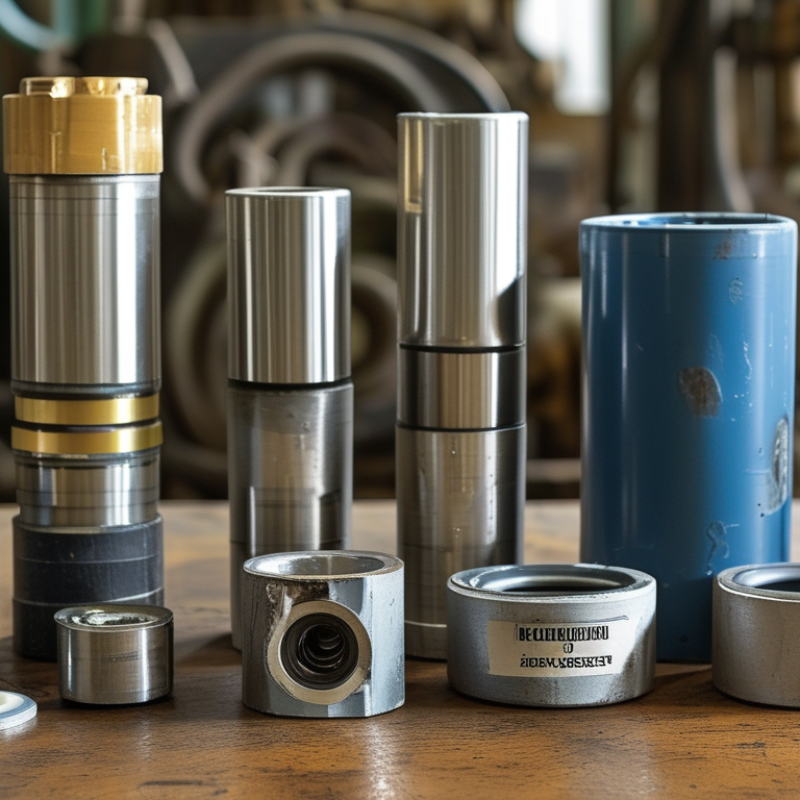
How to Choose the Right Hydraulic Seal for Your Needs?

Understanding Hydraulic Seals and Their Functionality

Hydraulic seals play a vital role in various machinery applications. They prevent fluid leakage and protect components from contaminants. Understanding their function can ensure better machine efficiency. These seals often face high pressure and varying temperatures, which can affect their performance. Selecting the right seal involves more than just picking a material.

Choosing the right hydraulic seal requires knowledge of the specific environment. For example, seals made of nitrile rubber work well in many applications, but may not withstand extreme temperatures. Each seal type has unique properties that can impact longevity. A seal used in abrasive conditions may degrade quicker than one designed for such environments. It's crucial to consider factors like temperature, pressure, and fluid type.

Sealing applications vary greatly, so one size does not fit all. Relying solely on standard selections can lead to failures and costly downtime. It's worth noting that inadequate seals can result in reduced efficiency or even catastrophic failures. A transparent evaluation of your system is necessary before making a choice. Balancing performance and durability should remain a priority during the selection process.

Hydraulic Seal Selection - Performance by Material Type

This bar chart illustrates the temperature resistance of various hydraulic seal materials, helping users make informed decisions based on their application's needs.

Factors to Consider When Selecting Hydraulic Seals

Choosing the right hydraulic seal requires careful consideration of various factors. The operating environment is crucial. Seals must withstand extremes in temperature, pressure, and chemical exposure. For instance, seals used in oil and gas applications may need resistance to high temperatures, reaching over 200°C, and effective sealing against volatile substances.

Material selection is equally important. Common materials include nitrile, fluoroelastomer, and polyurethane. Each material has unique properties. Nitrile seals are good for moderate temperatures but may degrade in aggressive chemical conditions. Fluoroelastomers offer higher performance but can be more costly. According to industry reports, proper material choice can enhance seal life by up to 50%.

Finally, the seal's design impacts its effectiveness and longevity. Lip design, for example, can influence leakage rates and wear. A poorly designed seal may fail prematurely, leading to costly downtime. Regular assessments and adaptations based on real-world performance data can enhance overall system reliability and effectiveness.

Types of Hydraulic Seals and Their Applications

When selecting a hydraulic seal, understanding the various types is crucial. O-rings are one of the most common types. They provide reliable sealing under pressure and are widely used in hydraulic applications. Their simplicity and effectiveness make them a go-to choice for many engineers. However, they are not suitable for every scenario, especially where there are extreme temperatures or aggressive fluids.

Another popular option is the lip seal. These seals excel at keeping fluids contained while reducing friction. They are often found in rotating applications, such as hydraulic pumps and motors. An important consideration is that improper installation can lead to premature failure. Installation must be precise, ensuring the seal remains intact during operation.

U-cups are another type worth mentioning. They are designed for dynamic applications, providing a strong seal even under varying pressures. However, they can exhibit wear over time. Thus, regular maintenance checks are essential to identify any signs of deterioration. Choosing the right hydraulic seal involves considering the specific application and matching it to the seal's properties. Reflecting on this selection process can lead to improved system reliability and efficiency.

Material Choices for Hydraulic Seals: Pros and Cons

When selecting the right hydraulic seal, the choice of material is crucial. Different materials offer unique pros and cons that can impact performance. For instance, Rubber Seals are commonly used due to their flexibility and cost-effectiveness. However, they may not withstand extreme temperatures, which could lead to premature failure.

On the other hand, polyurethane seals are known for their durability and resistance to wear. They perform well in harsh environments. Yet, they can be more expensive and might not be as flexible as rubber. Additionally, metal seals can provide excellent sealing capabilities in high-pressure applications, but they require precise installation. The risk of improper installation can lead to costly leaks.

Every material has trade-offs. It’s essential to evaluate the specific requirements of your hydraulic system. Consider factors such as temperature, pressure, and compatibility with fluids. While it’s easy to go for the most popular choice, sometimes that may not be the best option. Reflecting on these details can ensure you make a more informed decision.

How to Choose the Right Hydraulic Seal for Your Needs?

Material Type Pros Cons Best Uses
Nitrile (NBR) Good oil resistance, cost-effective Limited temperature range, not suitable for high-pressure applications General applications in hydraulic systems
Fluoroelastomer (FKM) Excellent chemical resistance, high temperature stability Higher cost, less flexibility at low temperatures Applications involving aggressive fluids and high temperatures
Polyurethane (PU) Good abrasion resistance, high elasticity Limited oil resistance, potential for hydrolysis Hydraulic cylinders and rods in moderate applications
Silicone (VMQ) Wide temperature stability, excellent electrical insulating properties Poor compatibility with fuels and oils Applications requiring extreme temperature variations
Acetal (POM) High stiffness, low friction Not suitable for high temperatures or aggressive chemicals General engineering applications

Common Mistakes to Avoid When Choosing Hydraulic Seals

Choosing the right hydraulic seal is crucial for optimal performance. It's easy to overlook key factors. A common mistake is not considering the application conditions. For instance, seals are affected by temperature, pressure, and media type. Research shows that improper seal selection can lead to equipment downtime, costing organizations thousands of dollars annually.

Another frequent error is neglecting material compatibility. According to industry reports, 30% of seal failures occur due to incompatible materials. Ensuring that the seal material can withstand the working environment is vital. Many users fail to assess this adequately, leading to premature wear and leakage.

Pay attention to installation errors as well. Many hydraulic seals fail because of improper installation techniques. During installation, even minute errors can result in significant functionality issues. Highlighting this, a study found that almost 50% of failures could be attributed to installation mistakes. Seek guidance and use appropriate tools to ensure the correct fitting.

Choosing the right seal involves careful consideration of various factors. It's not just about picking the first option available. Take time to assess your specific needs and avoid these common pitfalls for better performance and reliability.

Article Source:

Copyright 2025 Fluidra S.A. | Created by BCM Marketing Agencia Privacy Policy Legal note | Cookie policy |

Technical cookies are strictly necessary for our website to work and you can navigate through it. These types of cookies are those that, for example, allow us to identify you, give you access to certain restricted parts of the page if necessary, or remember different options or services already selected by you, such as your privacy preferences. Therefore, they are activated by default, your authorization not being necessary in this regard. Through the configuration of your browser, you can block or alert the presence of this type of cookies, although such blocking will affect the proper functioning of the different functionalities of our website.


The analysis cookies allow us to study the navigation of the users of our website in general (for example, which sections of the page are the most visited, which services are used most and if they work correctly, etc.). From the statistical information on navigation on our website, we can improve both the operation of the page itself and the different services it offers. Therefore, these cookies do not have an advertising purpose, but only serve to make our website work better, adapting to our users in general. By activating them you will contribute to this continuous improvement. You can enable or disable these cookies by checking the corresponding box, being disabled by default.


Functionality cookies allow us to remember your preferences, to personalize certain characteristics and general options of our website, every time you access it (for example, the language in which the information is presented to you, the sections marked as favorites, your browser type, etc.) Therefore, this type of cookies does not have an advertising purpose, but by activating them you will improve the functionality of the website (for example, adapting to your type of browser) and the customization of it based on your preferences (for example, by presenting the information in the language that you have chosen in previous occasions), which will contribute to the ease, usability and comfort of our page during your navigation. You can enable or disable these cookies by checking the corresponding box, being disabled by default.


Advertising cookies allow us to manage the advertising spaces included in our website based on criteria such as the content shown or the frequency in which the ads are displayed. For example, if you have been shown the same ad several times on our website, and you have not shown a personal interest by clicking on it, it will not appear again. In summary, by activating this type of cookies, the advertising shown on our website will be more useful and diverse, and less repetitive. You can enable or disable these cookies by checking the corresponding box, being disabled by default.


Behavioral advertising cookies allow us to obtain information based on the observation of your browsing habits and behaviors on the web, in order to show you advertising content that best suits your personal tastes and interests. To understand it in a very simple way, we will give you a fictitious example: if your last searches on the web were related to suspense literature, we would show you advertising about suspense books. Therefore, activating this type of cookies, the advertising that we show you on our website will not be generic, but will be oriented to your searches, tastes and interests, therefore adjusting exclusively to you. You can enable or disable these cookies by checking the corresponding box, being disabled by default.
To understand it in a very simple way, we will give you a fictitious example: if your last searches on the web were related to suspense literature, we would show you advertising about suspense books. Therefore, activating this type of cookies, the advertising that we show you on our website will not be generic, but will be oriented to your searches, tastes and interests, therefore adjusting exclusively to you. You can enable or disable these cookies by checking the corresponding box, being disabled by default.

SAVE

We use our own and third-party cookies to ensure the proper functioning of the website and to analyse our services, improve your experience on our website and show you advertisements related to your interests according to profiling based on your browsing habits (e.g. websites visited). You can accept all cookies by clicking "ACCEPT" or set or reject them by clicking here. If you would like to know more about the use of cookies, please see our COOKIE POLICY.


ACCEPT ALL
Reject no essentials


