
How to Choose the Right Fuel Storage Bladder for Your Needs?
FLUID HANDLING EXPERTS

Blog, all our news

How to Choose the Right Fuel Storage Bladder for Your Needs?

When it comes to selecting the right Fuel Storage Bladder, expert opinions are invaluable. Tom Hastings, a veteran in the fuel storage industry, notes, “Choosing the correct bladder requires understanding your specific needs.” Different applications call for different types of storage solutions.

Fuel Storage Bladders come in various materials, sizes, and specifications. This diversity makes it essential to consider what you truly need. For instance, a construction site might require flexibility and portability, while a remote facility may prioritize durability and capacity.

Reflecting on these aspects, it's clear that the decision-making process isn't always straightforward. Many users find themselves overwhelmed by options. Understanding the environment, use cases, and regulations is essential in making a sound choice. Ultimately, the right fuel storage bladder can greatly enhance efficiency and safety, but the choice must be made carefully.
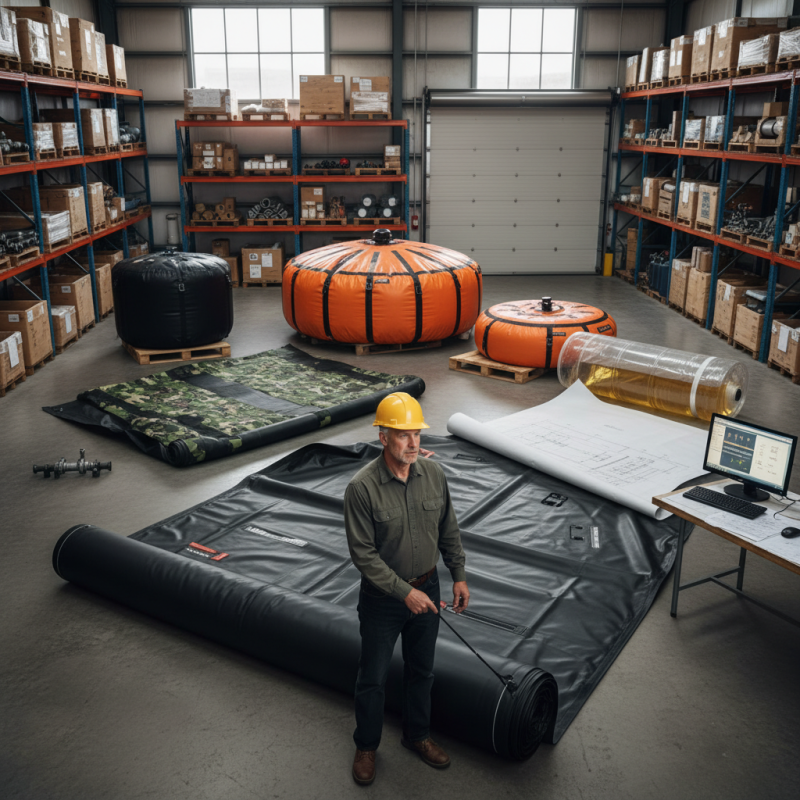
How to Choose the Right Fuel Storage Bladder for Your Needs?

Understanding Fuel Storage Bladders: Types and Specifications

Fuel storage bladders are essential for various industries. They provide a flexible solution for storing liquids, especially fuels. Understanding the types and specifications is crucial for making the right choice.

Various types of fuel storage bladders exist, including collapsible and rigid options. Collapsible bladders are lightweight and easy to transport. They can hold several thousand liters of fluids. Rigid bladders, however, offer more structural support. They are ideal for long-term usage. According to the Fuel Storage Industry Report 2023, approximately 65% of operators prefer collapsible models due to their versatility.

Specifications differ widely among bladder types, impacting their suitability. Materials can range from polyurethane to reinforced polyethylene. The choice of material affects durability and resistance to environmental factors. Some bladders can withstand extreme temperatures. A study showed that 70% of users faced leaks with low-quality materials. Selecting a bladder that adheres to industry standards reduces risks.

Consider capacity, shape, and storage conditions. Each specification plays a vital role in preventing fuel contamination and ensuring safety.

Assessing Your Fuel Storage Needs and Capacity Requirements

When choosing a fuel storage bladder, start with your actual needs. Assess whether you require short-term or long-term storage. Understanding your capacity requirements is crucial. Calculate how much fuel you plan to store and the duration of storage. This will help you select the right size and type.

Consider the materials used in the bladders. Some are made from robust fabric that withstands harsh conditions. Others might not be as durable. Pay attention to the environment where you will use the storage bladder. It should be resistant to UV rays, punctures, and leaks.

Tips for selection:
- Make a list of all your storage needs before shopping.
- Compare different types to understand their benefits.
- Don’t rush your decision. Take your time to find an option that fits perfectly.

Reflect on past experiences. Have you encountered issues with previous storage methods? Use those lessons learned to make informed decisions now. It's important to prioritize safety and efficiency in your choice.

How to Choose the Right Fuel Storage Bladder for Your Needs?

Dimension Capacity (Liters) Material Type Best For
Small Bladder 1,000 L Polyethylene Personal Use, Emergency
Medium Bladder 5,000 L Polyurethane Agricultural Use
Large Bladder 10,000 L PVC Commercial Use, Transportation
Extra Large Bladder 20,000 L Heavy-Duty Thermoplastic Industrial Use

Key Factors to Consider When Selecting a Fuel Storage Bladder

When selecting a fuel storage bladder, consider several key factors. First, evaluate the bladder material. It should be durable and resistant to punctures and UV exposure. According to a 2022 industry report, high-quality materials like reinforced PVC or polyurethane significantly extend bladder life. These materials not only offer durability but also resistance to various fuels.

Next, think about bladder size and capacity. The average storage bladder ranges from 250 gallons to over 10,000 gallons. A 2023 industry analysis indicates that selecting the right size can affect operational efficiency. An oversized bladder means wasted space, while an undersized one might lead to frequent refills. Assess your specific needs, current usage, and future growth.

Environmental considerations also play a crucial role in bladder selection. Compliance with local regulations is essential. Improper storage can lead to leaks, causing harm to the environment. According to the Environmental Protection Agency, improper fuel storage can result in fines reaching up to $50,000. Awareness of these factors will help ensure a reliable fuel storage solution.

Materials and Durability: Choosing the Right Construction for Your Bladder

When choosing a fuel storage bladder, materials and durability are crucial. Various materials, such as polyurethane or PVC, offer different benefits. Polyurethane is known for its strength and resistance to UV rays. It performs well in harsh environments. PVC bladders are lighter and cheaper but may not weather as efficiently.

Consider the bladder’s intended use. If you need it for long-term, harsh conditions, go for tougher materials. A durable bladder reduces leaks and potential spills. Regular inspections cannot be overlooked. Even the best materials may fail over time. Users often underestimate wear and tear, leading to safety risks.

Moreover, the bladder's construction plays a significant role. Look for double seams and reinforced areas. These features enhance overall strength. However, it's essential to reflect on storage conditions and handling practices. Proper maintenance is key. Neglect can cause even well-built bladders to degrade faster.

Safety Regulations and Compliance for Fuel Storage Solutions

When considering fuel storage solutions, safety regulations are paramount. Regulatory bodies, such as the Environmental Protection Agency (EPA) in the United States, set stringent guidelines for fuel storage, emphasizing integrity and safety. In fact, in 2020, the EPA reported that improper fuel storage contributes to nearly 30% of all environmental contamination events. Adhering to these standards ensures not only compliance but also the protection of both the environment and human health.

Fuel storage bladders must meet several criteria to be compliant. Materials must be resistant to environmental factors, and the design should prevent leaks. A report from the National Fire Protection Association indicates that nearly half of all fuel-related incidents stem from poor storage practices. Regular inspections and maintenance protocols are crucial. Operators should document all compliance activities, as this provides transparency and accountability.

Moreover, understanding local regulations is essential. Requirements may differ between states or municipalities. Failing to be aware of these can result in significant fines. Inadequate training of personnel can lead to mishandling, posing risks. Regular training sessions about compliance can mitigate these dangers and improve safety. Balancing compliance and operational efficiency requires continuous evaluation and adjustment.

Fuel Storage Bladder Capacity Options

Copyright 2025 Fluidra S.A. | Created by BCM Marketing Agencia Privacy Policy Legal note | Cookie policy |

Technical cookies are strictly necessary for our website to work and you can navigate through it. These types of cookies are those that, for example, allow us to identify you, give you access to certain restricted parts of the page if necessary, or remember different options or services already selected by you, such as your privacy preferences. Therefore, they are activated by default, your authorization not being necessary in this regard. Through the configuration of your browser, you can block or alert the presence of this type of cookies, although such blocking will affect the proper functioning of the different functionalities of our website.


The analysis cookies allow us to study the navigation of the users of our website in general (for example, which sections of the page are the most visited, which services are used most and if they work correctly, etc.). From the statistical information on navigation on our website, we can improve both the operation of the page itself and the different services it offers. Therefore, these cookies do not have an advertising purpose, but only serve to make our website work better, adapting to our users in general. By activating them you will contribute to this continuous improvement. You can enable or disable these cookies by checking the corresponding box, being disabled by default.


Functionality cookies allow us to remember your preferences, to personalize certain characteristics and general options of our website, every time you access it (for example, the language in which the information is presented to you, the sections marked as favorites, your browser type, etc.) Therefore, this type of cookies does not have an advertising purpose, but by activating them you will improve the functionality of the website (for example, adapting to your type of browser) and the customization of it based on your preferences (for example, by presenting the information in the language that you have chosen in previous occasions), which will contribute to the ease, usability and comfort of our page during your navigation. You can enable or disable these cookies by checking the corresponding box, being disabled by default.


Advertising cookies allow us to manage the advertising spaces included in our website based on criteria such as the content shown or the frequency in which the ads are displayed. For example, if you have been shown the same ad several times on our website, and you have not shown a personal interest by clicking on it, it will not appear again. In summary, by activating this type of cookies, the advertising shown on our website will be more useful and diverse, and less repetitive. You can enable or disable these cookies by checking the corresponding box, being disabled by default.


Behavioral advertising cookies allow us to obtain information based on the observation of your browsing habits and behaviors on the web, in order to show you advertising content that best suits your personal tastes and interests. To understand it in a very simple way, we will give you a fictitious example: if your last searches on the web were related to suspense literature, we would show you advertising about suspense books. Therefore, activating this type of cookies, the advertising that we show you on our website will not be generic, but will be oriented to your searches, tastes and interests, therefore adjusting exclusively to you. You can enable or disable these cookies by checking the corresponding box, being disabled by default.
To understand it in a very simple way, we will give you a fictitious example: if your last searches on the web were related to suspense literature, we would show you advertising about suspense books. Therefore, activating this type of cookies, the advertising that we show you on our website will not be generic, but will be oriented to your searches, tastes and interests, therefore adjusting exclusively to you. You can enable or disable these cookies by checking the corresponding box, being disabled by default.

SAVE

We use our own and third-party cookies to ensure the proper functioning of the website and to analyse our services, improve your experience on our website and show you advertisements related to your interests according to profiling based on your browsing habits (e.g. websites visited). You can accept all cookies by clicking "ACCEPT" or set or reject them by clicking here. If you would like to know more about the use of cookies, please see our COOKIE POLICY.


ACCEPT ALL
Reject no essentials


