
How to Choose the Right Auto Oil Pan for Your Vehicle?
FLUID HANDLING EXPERTS

Blog, all our news

How to Choose the Right Auto Oil Pan for Your Vehicle?

Choosing the right auto oil pan is crucial for the performance and longevity of your vehicle. An auto oil pan serves as the reservoir for engine oil, ensuring proper lubrication. Selecting the wrong one can lead to engine damage and costly repairs.

Several factors influence your choice. These include the make and model of your vehicle, the type of engine, and the driving conditions you encounter. The material of the auto oil pan is also significant. Aluminum offers lightweight benefits, while steel provides durability. Each option comes with its own advantages and challenges.

It’s essential to consider not only compatibility but also quality. Brands vary in their reliability and performance. Sometimes, the cheaper option may not deliver the expected results. Reflecting on your past choices can highlight the importance of investing in a good-quality auto oil pan. A well-chosen oil pan can save you time and money in the long run.
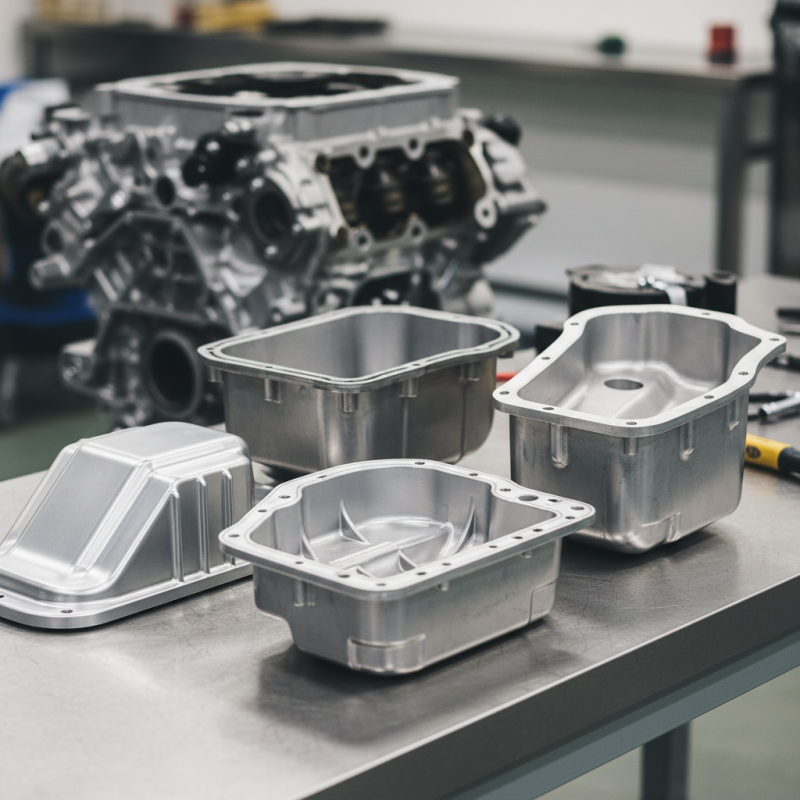
How to Choose the Right Auto Oil Pan for Your Vehicle?

Understanding the Function of an Auto Oil Pan in Your Vehicle

The auto oil pan is a critical component of your vehicle's engine system. It is designed to hold the engine oil, which lubricates various moving parts. This is essential for preventing friction and excessive wear. A well-functioning oil pan helps maintain optimal oil levels, ensuring smooth engine operation.

Understanding its role goes beyond mere containment. The oil pan also aids in cooling the oil as it circulates. A hot engine needs efficient oil flow to prevent overheating. If the oil pan malfunctions, it can lead to leaks, oil contamination, and serious engine issues. Regular inspection and maintenance are necessary to catch potential problems early.

Choosing the right oil pan should consider your vehicle's specifications and driving conditions. Not every oil pan is created equal. Size, material, and design can significantly affect performance. Reflect on your driving habits and consider how they impact the oil pan's wear and tear. Over time, even small leaks can escalate into major repairs if left unchecked.

Identifying the Right Size and Shape for Your Oil Pan Needs

Choosing the right oil pan for your vehicle hinges on understanding its size and shape. Different vehicles have unique specifications. The correct oil pan ensures optimal oil flow, which affects engine performance. A well-fitted oil pan helps prevent issues like leaks or overheating.

Measuring your existing oil pan can be crucial. Width, length, and depth are essential dimensions to consider. Ensure you account for any modifications your vehicle may have undergone. It’s also important to note the mounting style. Some designs require specific attachments for proper fit. If the oil pan is too large or small, it can lead to complications.

Always double-check before purchasing an oil pan. Compatibility with your engine type is key. Research various oil pan shapes, such as standard or deep-sump designs. Each style serves different engine layouts and performance needs. If you're unsure, seeking guidance from an expert can be a wise choice. Your engine will thank you for making the right decision.

How to Choose the Right Auto Oil Pan for Your Vehicle? - Identifying the Right Size and Shape for Your Oil Pan Needs

Vehicle Make Model Year Oil Pan Size (Quarts) Oil Pan Shape
Toyota Camry 2020 5 Rectangular
Ford F-150 2021 6 Square
Honda Civic 2019 4.5 Flat
Chevrolet Silverado 2020 7 Deep
Nissan Altima 2022 5.5 Oblong

Material Options for Auto Oil Pans: Pros and Cons

Selecting the right material for your vehicle's oil pan can significantly impact performance and longevity. Common material options include steel, aluminum, and plastic. Each material comes with distinct advantages and drawbacks.

Steel oil pans are robust and can withstand significant wear and tear. They are often less expensive and provide excellent durability. However, they are heavier, which may affect fuel efficiency. In contrast, aluminum oil pans are lighter and better at dissipating heat. According to industry data, aluminum pans can reduce engine temperature by 10% compared to their steel counterparts, enhancing overall efficiency. Yet, these pans may not be as resilient to impact, raising concerns for off-road vehicles.

Plastic oil pans, despite being the lightest option, present unique challenges. They are resistant to rust and corrosion but are susceptible to damage from high temperatures. Their lifespan may be shorter than that of steel and aluminum pans. This trade-off prompts a critical evaluation of usage conditions and vehicle type. An oil pan that works well in one scenario may not be suitable in another. Consider your driving habits and local climate before making a choice.

Key Features to Consider When Choosing an Oil Pan

When selecting an oil pan for your vehicle, several critical features must be evaluated. Compatibility with your engine type is paramount. Many vehicles require specific sizes and shapes. Using an incorrect pan could lead to leaks or inefficient oil circulation. According to the Society of Automotive Engineers, proper oil pan design is crucial for engine lubrication. An oil pan that doesn’t match engine specifications might not hold the oil volume needed for optimal performance.

Durability is another key feature to consider. Oil pans are exposed to high temperatures and harsh conditions. Selecting materials like aluminum or reinforced steel can offer better resistance to corrosion and damage. Industry data suggests that high-quality materials can extend the life of the oil pan, reducing the need for replacements.

Moreover, the design impacts functionality. An oil pan's baffle design influences oil control during high-speed maneuvers. Poor baffle arrangements can lead to oil starvation, causing expensive engine damage. Reports indicate that nearly 12% of engine failures are linked to oil starvation. Thus, understanding these design intricacies is essential. Practical experience and research into oil pan options can lead to informed decisions.

Tips for Installation and Maintenance of Your Auto Oil Pan

When it comes to maintaining your vehicle, the oil pan plays a crucial role. It holds the engine oil, which lubricates vital components. Proper installation and maintenance can extend the life of both the oil pan and your vehicle. The Society of Automotive Engineers notes that nearly 30% of engine issues stem from inadequate lubrication. This underscores the importance of a well-maintained oil pan.

One important tip for installation is to ensure that the sealing surface is clean. Debris or old gasket material can cause leaks. Use a solvent to clean the surface before applying a new gasket. Nuts and bolts should be torqued to manufacturer specifications. Under-tightening can lead to leaks, while over-tightening may crack the pan. According to data from the National Institute for Automotive Service Excellence, proper torque can reduce failure rates by up to 40%.

Maintenance is essential too. Regularly check for signs of leaks or damage. Oil should be inspected periodically, as contaminants can compromise its effectiveness. Replace the oil and filter every 5,000 to 7,500 miles as recommended by many automakers. This interval can prevent sludge buildup. Keeping an eye on oil levels can also prevent severe engine damage, leading to costly repairs.

Article Source:

Copyright 2025 Fluidra S.A. | Created by BCM Marketing Agencia Privacy Policy Legal note | Cookie policy |

Technical cookies are strictly necessary for our website to work and you can navigate through it. These types of cookies are those that, for example, allow us to identify you, give you access to certain restricted parts of the page if necessary, or remember different options or services already selected by you, such as your privacy preferences. Therefore, they are activated by default, your authorization not being necessary in this regard. Through the configuration of your browser, you can block or alert the presence of this type of cookies, although such blocking will affect the proper functioning of the different functionalities of our website.


The analysis cookies allow us to study the navigation of the users of our website in general (for example, which sections of the page are the most visited, which services are used most and if they work correctly, etc.). From the statistical information on navigation on our website, we can improve both the operation of the page itself and the different services it offers. Therefore, these cookies do not have an advertising purpose, but only serve to make our website work better, adapting to our users in general. By activating them you will contribute to this continuous improvement. You can enable or disable these cookies by checking the corresponding box, being disabled by default.


Functionality cookies allow us to remember your preferences, to personalize certain characteristics and general options of our website, every time you access it (for example, the language in which the information is presented to you, the sections marked as favorites, your browser type, etc.) Therefore, this type of cookies does not have an advertising purpose, but by activating them you will improve the functionality of the website (for example, adapting to your type of browser) and the customization of it based on your preferences (for example, by presenting the information in the language that you have chosen in previous occasions), which will contribute to the ease, usability and comfort of our page during your navigation. You can enable or disable these cookies by checking the corresponding box, being disabled by default.


Advertising cookies allow us to manage the advertising spaces included in our website based on criteria such as the content shown or the frequency in which the ads are displayed. For example, if you have been shown the same ad several times on our website, and you have not shown a personal interest by clicking on it, it will not appear again. In summary, by activating this type of cookies, the advertising shown on our website will be more useful and diverse, and less repetitive. You can enable or disable these cookies by checking the corresponding box, being disabled by default.


Behavioral advertising cookies allow us to obtain information based on the observation of your browsing habits and behaviors on the web, in order to show you advertising content that best suits your personal tastes and interests. To understand it in a very simple way, we will give you a fictitious example: if your last searches on the web were related to suspense literature, we would show you advertising about suspense books. Therefore, activating this type of cookies, the advertising that we show you on our website will not be generic, but will be oriented to your searches, tastes and interests, therefore adjusting exclusively to you. You can enable or disable these cookies by checking the corresponding box, being disabled by default.
To understand it in a very simple way, we will give you a fictitious example: if your last searches on the web were related to suspense literature, we would show you advertising about suspense books. Therefore, activating this type of cookies, the advertising that we show you on our website will not be generic, but will be oriented to your searches, tastes and interests, therefore adjusting exclusively to you. You can enable or disable these cookies by checking the corresponding box, being disabled by default.

SAVE

We use our own and third-party cookies to ensure the proper functioning of the website and to analyse our services, improve your experience on our website and show you advertisements related to your interests according to profiling based on your browsing habits (e.g. websites visited). You can accept all cookies by clicking "ACCEPT" or set or reject them by clicking here. If you would like to know more about the use of cookies, please see our COOKIE POLICY.


ACCEPT ALL
Reject no essentials


