
Why Choose Linear Shaft for Your Industrial Needs?
FLUID HANDLING EXPERTS

Blog, all our news

Why Choose Linear Shaft for Your Industrial Needs?

Choosing the right components for industrial applications can be challenging. One vital element is the Linear Shaft. These components play a significant role in motion systems, enabling precise movement and alignment. Industries rely on Linear Shafts for their durability and reliability. This choice impacts productivity and efficiency in manufacturing processes.

Linear Shafts offer various advantages, including reduced friction and improved lifespan. When selecting a shaft, consider material quality and load capacity. Understanding these factors helps in making an informed decision. However, not all Linear Shafts are created equal. Improper sizing or materials can lead to operational issues.

Investing in high-quality Linear Shafts can elevate your project’s success. They help maintain smooth operations in machinery, reducing downtime. As with any industrial decisions, thorough evaluation is essential. Ask yourself: Are you getting the performance you need? Reflect on the balance between cost and quality when making your selection.
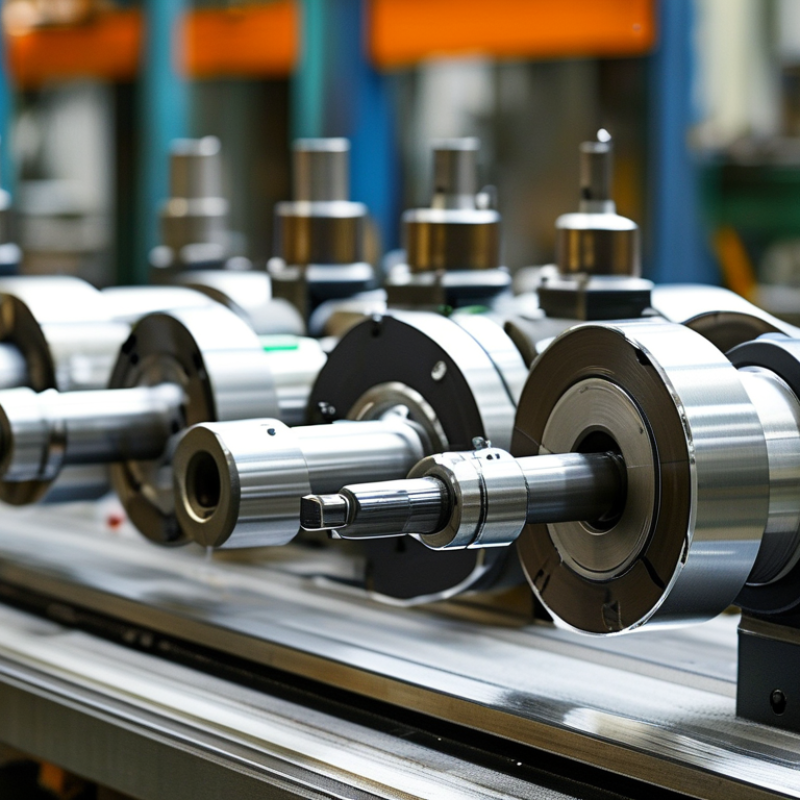
Why Choose Linear Shaft for Your Industrial Needs?

Advantages of Linear Shafts in Industrial Applications

Linear shafts have become essential in many industrial applications. Their design promotes precise motion, enabling smoother operations in machinery. They are used in various sectors, including automation, robotics, and manufacturing. The ability to handle high loads while maintaining accuracy sets them apart from other components.

One significant advantage of linear shafts is their durability. Made from high-quality materials, they resist wear and tear, even in demanding environments. This reliability can reduce maintenance costs and downtime. However, it's essential to consider the installation process. Poor alignment can lead to increased wear or failure over time. Proper training and awareness can help mitigate these issues.

Another advantage lies in their versatility. Linear shafts can be customized to meet specific operational needs. Users can choose different lengths, diameters, and coatings. But customization requires expertise. A lack of understanding of material properties may lead to incorrect choices. A knowledgeable partner can guide proper selection, enhancing efficiency and lifecycle.

Types of Linear Shafts and Their Specific Uses

When it comes to linear shafts, understanding their types and uses is essential for industrial applications. The most common types include round shafts, square shafts, and supported shafts. Round shafts often provide smooth motion and high load capacity, making them ideal for conveyor systems and automation.

Square shafts, however, are well-suited for applications that require rigidity and stability, such as in packaging machinery.

Another type, supported shafts, offer enhanced performance in applications with heavy loads or where precision guidance is needed. They often come with linear guide rails, allowing for accurate movements. For example, in robotic arms, supported shafts ensure that each movement maintains the required accuracy under stress.

Choosing the right type can be challenging. Each application may demand specific characteristics. It is critical to understand the environment and load conditions. This complexity can lead to oversights if not carefully considered. Regular evaluations and adjustments can help optimize performance and longevity.

Key Considerations When Selecting Linear Shafts

When selecting linear shafts for industrial applications, several key considerations come into play. Understanding the specific requirements of your machinery is crucial. Think about the load capacity, speed, and environmental factors. Each application demands a tailored approach to ensure efficiency and longevity.

Material choice is paramount. Common materials include stainless steel and aluminum. Stainless steel offers strength and corrosion resistance, while aluminum is lightweight and easy to handle. Consider the operating conditions your linear shafts will face. High humidity or extreme temperatures can significantly impact performance.

Dimensions also matter. The right diameter and length are essential for optimal functioning. Too long or short can lead to instability and inefficiency. Examine your setup closely. Identify factors like alignment and mounting surfaces. Neglecting these can lead to misalignment issues, affecting overall performance. Always be prepared to reevaluate choices based on real-world testing and feedback.

Installation and Maintenance of Linear Shafts

When it comes to the installation of linear shafts, proper alignment is crucial. Misalignment can lead to premature wear and decreased performance. Consider using a laser alignment tool. It offers precision that manual methods may lack. Be thorough in checking alignment before securing the shafts in place. This step is often overlooked, but it’s vital for efficiency.

Maintenance of linear shafts involves consistent inspections. Dust and debris can accumulate quickly, affecting motion. A simple wipe with a clean cloth can make a difference. Additionally, lubrication should be applied regularly to minimize friction. Some might underestimate this task, thinking it’s not significant. However, insufficient lubrication can lead to shaft performance issues over time.

Sometimes, the choice of lubricant may not match the operating environment. Stay aware of the conditions where the shafts operate. Exposure to extreme temperatures or contaminants can affect the choice of lubricant. Always review and adjust your maintenance routine based on real-time feedback from the machinery. Regular visual checks and performance evaluations can help notice early signs of wear. This can save costs in the long run by preventing major breakdowns.

Comparing Linear Shafts with Alternative Motion Systems

When considering motion systems for industrial applications, linear shafts stand out due to their efficiency and reliability. Compared to alternative systems like ball screws or belt drives, linear shafts provide a straightforward motion solution. According to industry reports, linear shafts enable precise linear motion with minimal backlash, contributing to better product accuracy.

Ball screws, while effective, typically have greater complexity. Maintenance can become a significant concern over time. Studies indicate that up to 30% of machinery downtime arises from issues with complex motion systems. In contrast, linear shafts require less maintenance, making them more suitable for continuous operation. Reports show that organizations using linear shafts experience a 20% reduction in maintenance costs.

Belt drives introduce flexibility but often sacrifice precision. The tension and wear of belts can lead to inaccuracies over time. In fact, research suggests that up to 25% of production errors can stem from misalignment in belt-driven systems. While linear shafts don't boast the same flexibility, they provide dependable repeatability crucial in automated processes. This consistency underlines the importance of evaluating all options based on specific industrial needs and operational demands.

Copyright 2025 Fluidra S.A. | Created by BCM Marketing Agencia Privacy Policy Legal note | Cookie policy |

Technical cookies are strictly necessary for our website to work and you can navigate through it. These types of cookies are those that, for example, allow us to identify you, give you access to certain restricted parts of the page if necessary, or remember different options or services already selected by you, such as your privacy preferences. Therefore, they are activated by default, your authorization not being necessary in this regard. Through the configuration of your browser, you can block or alert the presence of this type of cookies, although such blocking will affect the proper functioning of the different functionalities of our website.


The analysis cookies allow us to study the navigation of the users of our website in general (for example, which sections of the page are the most visited, which services are used most and if they work correctly, etc.). From the statistical information on navigation on our website, we can improve both the operation of the page itself and the different services it offers. Therefore, these cookies do not have an advertising purpose, but only serve to make our website work better, adapting to our users in general. By activating them you will contribute to this continuous improvement. You can enable or disable these cookies by checking the corresponding box, being disabled by default.


Functionality cookies allow us to remember your preferences, to personalize certain characteristics and general options of our website, every time you access it (for example, the language in which the information is presented to you, the sections marked as favorites, your browser type, etc.) Therefore, this type of cookies does not have an advertising purpose, but by activating them you will improve the functionality of the website (for example, adapting to your type of browser) and the customization of it based on your preferences (for example, by presenting the information in the language that you have chosen in previous occasions), which will contribute to the ease, usability and comfort of our page during your navigation. You can enable or disable these cookies by checking the corresponding box, being disabled by default.


Advertising cookies allow us to manage the advertising spaces included in our website based on criteria such as the content shown or the frequency in which the ads are displayed. For example, if you have been shown the same ad several times on our website, and you have not shown a personal interest by clicking on it, it will not appear again. In summary, by activating this type of cookies, the advertising shown on our website will be more useful and diverse, and less repetitive. You can enable or disable these cookies by checking the corresponding box, being disabled by default.


Behavioral advertising cookies allow us to obtain information based on the observation of your browsing habits and behaviors on the web, in order to show you advertising content that best suits your personal tastes and interests. To understand it in a very simple way, we will give you a fictitious example: if your last searches on the web were related to suspense literature, we would show you advertising about suspense books. Therefore, activating this type of cookies, the advertising that we show you on our website will not be generic, but will be oriented to your searches, tastes and interests, therefore adjusting exclusively to you. You can enable or disable these cookies by checking the corresponding box, being disabled by default.
To understand it in a very simple way, we will give you a fictitious example: if your last searches on the web were related to suspense literature, we would show you advertising about suspense books. Therefore, activating this type of cookies, the advertising that we show you on our website will not be generic, but will be oriented to your searches, tastes and interests, therefore adjusting exclusively to you. You can enable or disable these cookies by checking the corresponding box, being disabled by default.

SAVE

We use our own and third-party cookies to ensure the proper functioning of the website and to analyse our services, improve your experience on our website and show you advertisements related to your interests according to profiling based on your browsing habits (e.g. websites visited). You can accept all cookies by clicking "ACCEPT" or set or reject them by clicking here. If you would like to know more about the use of cookies, please see our COOKIE POLICY.


ACCEPT ALL
Reject no essentials


