
How to Choose the Best Stainless Steel Drill Bits for Your Needs?
FLUID HANDLING EXPERTS

Blog, all our news

How to Choose the Best Stainless Steel Drill Bits for Your Needs?

Choosing the right Stainless Steel Drill Bits is crucial for both professionals and DIY enthusiasts. According to a recent industry report by Grand View Research, the global market for drill bits is projected to reach $9.6 billion by 2027. This growth reflects the rising demand for precision tools in various sectors, including construction and manufacturing. Selecting the right drill bits can significantly impact efficiency and project outcomes.

Stainless Steel Drill Bits are specifically designed to handle tough materials. Their performance can vary based on manufacturing quality and coating. Studies indicate that bits with titanium coatings can offer up to 300% longer lifespan compared to standard steel bits. However, it’s essential to ensure compatibility with your specific drilling needs. Many users overlook proper bit selection, which could lead to inefficient drilling and increased costs.

In an industry where precision matters, understanding key features of drill bits is vital. Factors like material hardness, diameter, and tip geometry can greatly influence drilling performance. Yet, many users may feel overwhelmed by these choices. Finding a balance between quality and cost requires careful consideration. Being informed about these aspects will empower users to make the best decisions for their stainless steel drilling projects.
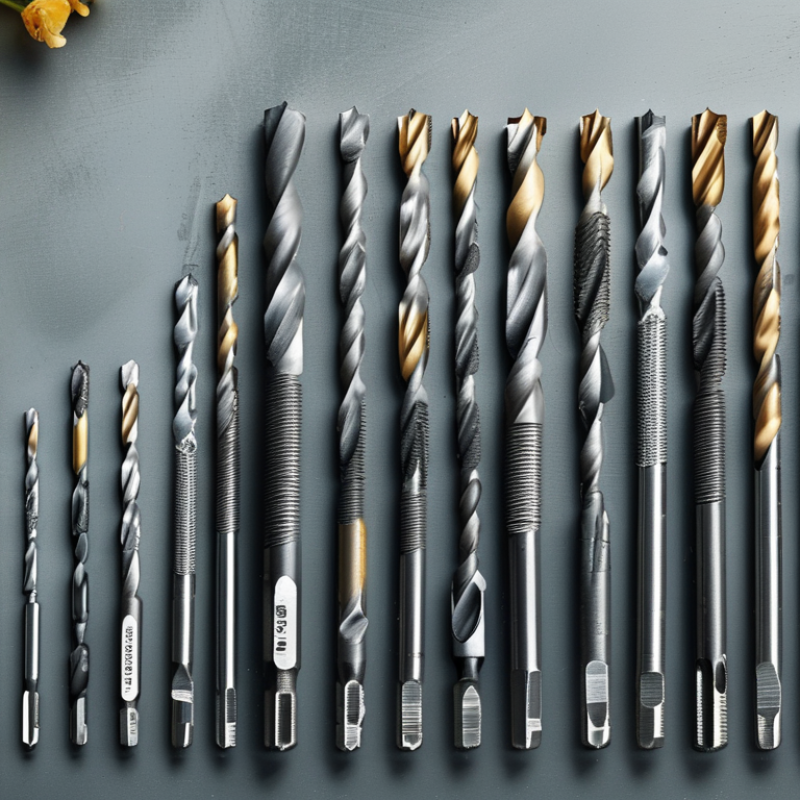
How to Choose the Best Stainless Steel Drill Bits for Your Needs?

Understanding Stainless Steel Drill Bits and Their Applications

When it comes to stainless steel drill bits, understanding their applications is crucial. Stainless steel is known for its resistance to corrosion and durability. According to a recent industry report, stainless steel accounts for nearly 25% of global drill bit usage. This high percentage highlights its importance in various sectors including construction and manufacturing.

Choosing the right drill bit depends on the task. For example, bits designed with a specific coating can enhance performance. A study conducted by the International Journal of Engineering Research found that bits with titanium nitride coatings can last up to 40% longer than standard bits. This longevity can result in cost savings over time.

However, not all stainless steel drill bits are created equal. Designing bits that handle heat and pressure is a significant challenge. Some bits may struggle under intensive use, leading to frustrating work delays. The trade-off between durability and cost can leave users questioning their choices. Proper understanding of materials and specifications can mitigate these concerns.

Key Features to Consider When Choosing Stainless Steel Drill Bits

When selecting stainless steel drill bits, consider material quality. High-speed steel (HSS) is common, offering durability and heat resistance. Cobalt steel is even tougher, ideal for tougher jobs. Ensure the drill bits are designed specifically for stainless steel. This guarantees efficient cutting and reduces the risk of damage or breakage.


Another key feature to look for is the drill bit coating. Coatings such as titanium or black oxide enhance performance. They reduce friction and improve chip removal. This means cleaner holes and longer tool life. Evaluate the drill bits’ design as well. A split-point design helps with precise positioning and reduces walking.


Additionally, think about the size range you need. A set with multiple sizes is often more versatile. It allows you to tackle various projects effectively. Reflect on your specific applications. You may discover that certain bit sizes perform better for your tasks. Take the time to explore these details carefully. Choosing the right drill bits can save time and frustration in the long run.

Types of Stainless Steel Drill Bits and Their Specific Uses

When selecting stainless steel drill bits, understanding their types and uses is crucial. Cobalt drill bits are designed for tough materials. They resist heat and wear effectively, making them ideal for stainless steel. For thinner stainless steel sheets, titanium-coated bits offer a balance between durability and cutting efficiency. Their coating helps reduce friction, allowing for smoother drilling.

HSS (High-Speed Steel) bits are another option. They are versatile and can be used for various materials, including soft metals. However, their performance diminishes with harder materials. Always consider the thickness of the material when choosing your drill bit type.

**Tips:** Always keep bits sharp. Dull bits lead to poor performance. Also, use cutting fluid when drilling stainless steel. It can enhance the drilling process. Testing different bits on scrap metal can help you find the best option. It's wise to have a few types on hand.

How to Determine the Right Size and Type for Your Project

Choosing the right drill bit size and type is crucial for effective projects. Stainless steel requires specific drill bits for optimal results. A report from the National Institute of Standards and Technology shows that drill bit performance can vary significantly with material and size. Therefore, selecting the appropriate dimensions is key.

When considering sizes, use the thickness of your stainless steel material as a guide. If you're drilling through 1/8 inch thickness, select a bit around 1/16 inch smaller. This allows for efficient drilling and reduces wear on the bit. Many professionals recommend performing a test drill on scrap material to ensure accuracy.

Different types of drill bits serve distinct purposes. Cobalt bits excel in high-heat situations. Carbide-tipped options are suitable for harder stainless steels. Research from industry publications indicates that using the right type can reduce drilling time by up to 30%. However, many make the mistake of using standard bits, leading to decreased efficiency and frustration. It's a learning curve, and even experienced workers have had to reassess their bit choices after unsatisfactory results.

Comparison of Different Sizes of Stainless Steel Drill Bits

Tips for Maintaining and Extending the Life of Drill Bits

Maintaining and extending the life of your stainless steel drill bits requires careful attention. Regular cleaning is essential to prevent buildup of debris and grime. Use a soft brush or cloth to remove any residue. This simple action can greatly improve your bits' performance. Additionally, ensure they are stored in a dry environment. Humidity can cause rust and degradation over time.

Proper usage is equally important. Avoid excessive force when drilling; it can lead to premature wear. Instead, allow the drill bit to work through the material at a steady pace. You might find it's often more effective. Overheating is another enemy. If you notice the bit becoming hot, take breaks or apply a suitable lubricant. It’s a reminder that overheating can ruin even the best bits.

Regular inspection is key. Look for signs of wear or damage. Small nicks can escalate if not addressed. If you spot issues, consider sharpening rather than replacing. Understanding when to repair can save money. Reflect on your usage habits. Are you pushing your tools too hard? Adjusting your techniques could extend their life and enhance work quality.

Copyright 2025 Fluidra S.A. | Created by BCM Marketing Agencia Privacy Policy Legal note | Cookie policy |

Technical cookies are strictly necessary for our website to work and you can navigate through it. These types of cookies are those that, for example, allow us to identify you, give you access to certain restricted parts of the page if necessary, or remember different options or services already selected by you, such as your privacy preferences. Therefore, they are activated by default, your authorization not being necessary in this regard. Through the configuration of your browser, you can block or alert the presence of this type of cookies, although such blocking will affect the proper functioning of the different functionalities of our website.


The analysis cookies allow us to study the navigation of the users of our website in general (for example, which sections of the page are the most visited, which services are used most and if they work correctly, etc.). From the statistical information on navigation on our website, we can improve both the operation of the page itself and the different services it offers. Therefore, these cookies do not have an advertising purpose, but only serve to make our website work better, adapting to our users in general. By activating them you will contribute to this continuous improvement. You can enable or disable these cookies by checking the corresponding box, being disabled by default.


Functionality cookies allow us to remember your preferences, to personalize certain characteristics and general options of our website, every time you access it (for example, the language in which the information is presented to you, the sections marked as favorites, your browser type, etc.) Therefore, this type of cookies does not have an advertising purpose, but by activating them you will improve the functionality of the website (for example, adapting to your type of browser) and the customization of it based on your preferences (for example, by presenting the information in the language that you have chosen in previous occasions), which will contribute to the ease, usability and comfort of our page during your navigation. You can enable or disable these cookies by checking the corresponding box, being disabled by default.


Advertising cookies allow us to manage the advertising spaces included in our website based on criteria such as the content shown or the frequency in which the ads are displayed. For example, if you have been shown the same ad several times on our website, and you have not shown a personal interest by clicking on it, it will not appear again. In summary, by activating this type of cookies, the advertising shown on our website will be more useful and diverse, and less repetitive. You can enable or disable these cookies by checking the corresponding box, being disabled by default.


Behavioral advertising cookies allow us to obtain information based on the observation of your browsing habits and behaviors on the web, in order to show you advertising content that best suits your personal tastes and interests. To understand it in a very simple way, we will give you a fictitious example: if your last searches on the web were related to suspense literature, we would show you advertising about suspense books. Therefore, activating this type of cookies, the advertising that we show you on our website will not be generic, but will be oriented to your searches, tastes and interests, therefore adjusting exclusively to you. You can enable or disable these cookies by checking the corresponding box, being disabled by default.
To understand it in a very simple way, we will give you a fictitious example: if your last searches on the web were related to suspense literature, we would show you advertising about suspense books. Therefore, activating this type of cookies, the advertising that we show you on our website will not be generic, but will be oriented to your searches, tastes and interests, therefore adjusting exclusively to you. You can enable or disable these cookies by checking the corresponding box, being disabled by default.

SAVE

We use our own and third-party cookies to ensure the proper functioning of the website and to analyse our services, improve your experience on our website and show you advertisements related to your interests according to profiling based on your browsing habits (e.g. websites visited). You can accept all cookies by clicking "ACCEPT" or set or reject them by clicking here. If you would like to know more about the use of cookies, please see our COOKIE POLICY.


ACCEPT ALL
Reject no essentials


