
How to Choose the Best Portable Gas Detector for Safety?
FLUID HANDLING EXPERTS

Blog, all our news

How to Choose the Best Portable Gas Detector for Safety?

Choosing the right Portable Gas Detector is vital for safety in various environments. According to John Smith, an industry expert and safety engineer, “A reliable gas detector can save lives.” This statement emphasizes the critical role these devices play in detecting harmful gases.

Portable Gas Detectors are essential tools for workers in industries like oil, gas, and mining. They help identify hazardous gases, ensuring a safe environment. However, selecting the best one can be challenging. Different models offer various features that cater to specific needs.

Considerations include sensitivity, battery life, and ease of use. A detector should function well in challenging conditions. Remember, a complex device can lead to confusion. Users must engage with their equipment. Ultimately, understanding your environment is key to making an informed choice.
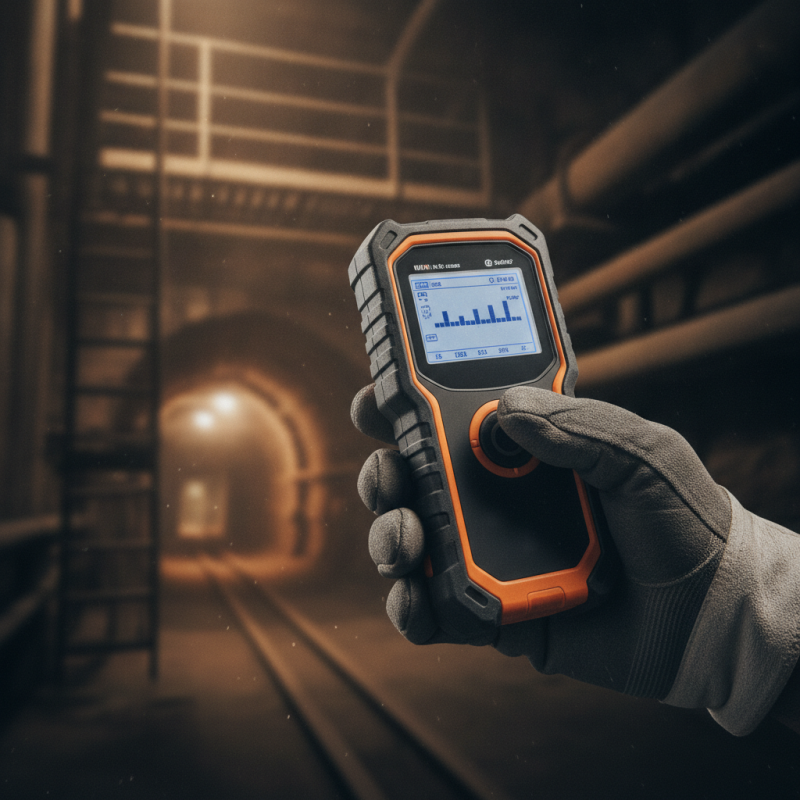
How to Choose the Best Portable Gas Detector for Safety?

Understanding the Importance of Portable Gas Detectors for Safety

Portable gas detectors are essential tools for ensuring safety in various environments. These compact devices can detect harmful gases like carbon monoxide, methane, and hydrogen sulfide. By providing real-time alerts, they help prevent dangerous exposure in workplaces and residential areas. The importance of these detectors cannot be overstated. Each year, gas leaks lead to severe health issues and accidents. A gas detector can be a lifesaver, helping to identify leaks before they turn hazardous.

Understanding how these devices work is crucial for effective use. Many detectors feature built-in sensors that monitor air quality continuously. They are designed to be user-friendly, often with simple interfaces and alarms. However, not all detectors are created equal; some may lack sensitivity or have limited battery life. Regular calibration and maintenance are vital to ensure accuracy.

Choosing the right portable gas detector requires careful consideration. Factors like sensitivity, battery life, and ease of use should be evaluated. Reading user reviews and expert recommendations can provide valuable insights. Ultimately, the goal is to select a detector that aligns with specific safety needs, underscoring the vital role these devices play in protecting lives.

Portable Gas Detectors Usage Comparison

Key Features to Consider When Selecting a Portable Gas Detector

When selecting a portable gas detector, several key features come into play. One essential aspect is sensitivity. The detector should be able to detect even trace amounts of gas. This ensures safety in environments where gas leaks may occur. The type of gases detected also matters. Some models can sense multiple gas types, enhancing versatility.

Battery life is another critical factor. A device with long battery life reduces the need for frequent recharging. However, you must ensure that the battery is easy to replace or recharge when necessary. Consider weight and size as well. A lightweight, compact model is more convenient for regular use and transport.

Calibration is an often-overlooked feature. Many users forget that a gas detector must be regularly calibrated for accuracy. Neglecting this can lead to false alarms or missed detections. User-friendliness is also important. Check if the interface is intuitive. The best detectors have clear displays and straightforward controls, allowing quick assessments in emergencies.

Types of Gas Detectors: Fixed vs. Portable Options

Choosing between fixed and portable gas detectors is crucial for safety. Fixed detectors are often installed in areas where gas leaks are most likely. They provide constant monitoring and can alert you immediately. However, they can be costlier and less flexible in terms of location.

On the other hand, portable gas detectors offer versatility. You can carry them wherever needed. This is especially useful for workers in various locations. They are generally more affordable and easy to use. But, you need to remember to check batteries and calibration regularly. Neglecting this can lead to inaccurate readings.

Tips: When selecting a portable gas detector, consider the type of gases in the environment. Ensure the device covers those specific gases. Additionally, choose a model with clear, easy-to-read displays. Regular maintenance is key. A malfunctioning detector can be worse than having none. Always keep it in working condition to guarantee safety.

Evaluating Sensitivity and Calibration in Gas Detection Devices

When selecting a portable gas detector, sensitivity and calibration are crucial. A sensitive detector will respond to low concentrations of gases, ensuring early warnings. Check the device specifications for detection limits. The lower the limit, the better the sensitivity. Calibration affects not just accuracy but reliability too. An uncalibrated device can give false readings. Regular calibration is essential for maintaining performance.

Tips: Always read the manufacturer’s guidelines. They often provide essential details on calibration frequency and sensitivity levels. Consider the environment where the detector will be used. Different gases require different sensitivity levels.

Look for devices that offer easy calibration options. Some detectors have built-in features for this purpose. However, self-calibration might lead to errors if done incorrectly. Professional calibration services can enhance reliability. Reflect on the operational factors that might influence sensitivity. Temperature, humidity, and pressure can all impact gas detection. Understand how these factors could affect your chosen device's performance.

How to Choose the Best Portable Gas Detector for Safety?

Feature Description Importance Sensitivity Range (ppm) Calibration Frequency
Sensitivity The minimum concentration of gas that the detector can sense. High sensitivity ensures early detection of hazardous gases. 0 - 500 Monthly
Calibration The process of adjusting the detector to ensure accurate readings. Regular calibration is crucial for reliable performance. Depends on gas type Quarterly
Battery Life Duration the gas detector operates before needing a recharge. Longer battery life ensures operational readiness. N/A N/A
User Interface Ease of reading and interpreting gas concentration levels. Clear displays help avoid misinterpretation of data. N/A N/A
Portability Weight and design of the detector to facilitate ease of use. Lightweight and compact designs improve usability. N/A N/A

Best Practices for Maintaining and Using Portable Gas Detectors

Maintaining and using portable gas detectors requires diligence. Regular calibration is vital. According to the American National Standards Institute (ANSI), calibration should occur every three months to ensure accuracy. This frequency helps to identify any drift in sensor readings, which could jeopardize safety. Calibration should also follow manufacturer guidelines closely to adhere to industry safety standards.

Battery checks are equally important. Gas detectors typically use lithium-ion batteries, which have a finite life span. Reports indicate that neglecting to replace old batteries can cause devices to perform poorly. A study by the National Fire Protection Association shows that nearly 30% of gas detector failures result from low battery levels.

Training users on proper operation is essential. Understanding the device’s features enhances safety. Reports suggest that nearly 40% of incidents occur due to user errors. Regular training sessions can bridge gaps in knowledge. Conduct drills to familiarize staff with emergency procedures. By fostering a safety-first culture, organizations can mitigate risks associated with gas detection.

Copyright 2025 Fluidra S.A. | Created by BCM Marketing Agencia Privacy Policy Legal note | Cookie policy |

Technical cookies are strictly necessary for our website to work and you can navigate through it. These types of cookies are those that, for example, allow us to identify you, give you access to certain restricted parts of the page if necessary, or remember different options or services already selected by you, such as your privacy preferences. Therefore, they are activated by default, your authorization not being necessary in this regard. Through the configuration of your browser, you can block or alert the presence of this type of cookies, although such blocking will affect the proper functioning of the different functionalities of our website.


The analysis cookies allow us to study the navigation of the users of our website in general (for example, which sections of the page are the most visited, which services are used most and if they work correctly, etc.). From the statistical information on navigation on our website, we can improve both the operation of the page itself and the different services it offers. Therefore, these cookies do not have an advertising purpose, but only serve to make our website work better, adapting to our users in general. By activating them you will contribute to this continuous improvement. You can enable or disable these cookies by checking the corresponding box, being disabled by default.


Functionality cookies allow us to remember your preferences, to personalize certain characteristics and general options of our website, every time you access it (for example, the language in which the information is presented to you, the sections marked as favorites, your browser type, etc.) Therefore, this type of cookies does not have an advertising purpose, but by activating them you will improve the functionality of the website (for example, adapting to your type of browser) and the customization of it based on your preferences (for example, by presenting the information in the language that you have chosen in previous occasions), which will contribute to the ease, usability and comfort of our page during your navigation. You can enable or disable these cookies by checking the corresponding box, being disabled by default.


Advertising cookies allow us to manage the advertising spaces included in our website based on criteria such as the content shown or the frequency in which the ads are displayed. For example, if you have been shown the same ad several times on our website, and you have not shown a personal interest by clicking on it, it will not appear again. In summary, by activating this type of cookies, the advertising shown on our website will be more useful and diverse, and less repetitive. You can enable or disable these cookies by checking the corresponding box, being disabled by default.


Behavioral advertising cookies allow us to obtain information based on the observation of your browsing habits and behaviors on the web, in order to show you advertising content that best suits your personal tastes and interests. To understand it in a very simple way, we will give you a fictitious example: if your last searches on the web were related to suspense literature, we would show you advertising about suspense books. Therefore, activating this type of cookies, the advertising that we show you on our website will not be generic, but will be oriented to your searches, tastes and interests, therefore adjusting exclusively to you. You can enable or disable these cookies by checking the corresponding box, being disabled by default.
To understand it in a very simple way, we will give you a fictitious example: if your last searches on the web were related to suspense literature, we would show you advertising about suspense books. Therefore, activating this type of cookies, the advertising that we show you on our website will not be generic, but will be oriented to your searches, tastes and interests, therefore adjusting exclusively to you. You can enable or disable these cookies by checking the corresponding box, being disabled by default.

SAVE

We use our own and third-party cookies to ensure the proper functioning of the website and to analyse our services, improve your experience on our website and show you advertisements related to your interests according to profiling based on your browsing habits (e.g. websites visited). You can accept all cookies by clicking "ACCEPT" or set or reject them by clicking here. If you would like to know more about the use of cookies, please see our COOKIE POLICY.


ACCEPT ALL
Reject no essentials


