
How to Choose the Best Forklift Pedestrian Detection System?
FLUID HANDLING EXPERTS

Blog, all our news

How to Choose the Best Forklift Pedestrian Detection System?

When it comes to enhancing safety in warehouses and industrial environments, a Forklift Pedestrian Detection System plays a crucial role. These systems are designed to prevent accidents by detecting the presence of pedestrians near forklifts. However, choosing the right system requires careful consideration. With various options available, it's essential to evaluate their features and reliability.

Start by assessing the technology behind these systems. Some rely on sensors, while others utilize cameras. Understand how each system integrates with existing forklift models. It's essential to look for manufacturers with proven expertise in developing safety technologies. The reliability of a Forklift Pedestrian Detection System hinges on its ability to work in different environments and conditions. Also, consider user feedback and case studies to gauge performance in real-world applications.

While investing in a detection system may seem straightforward, the range of features can be overwhelming. It's vital to reflect on your specific operational needs. Do you require a system that adjusts to various lighting conditions? Such insights will guide you toward a more informed choice. Remember, the aim is not just compliance but fostering a safer workplace environment for all.
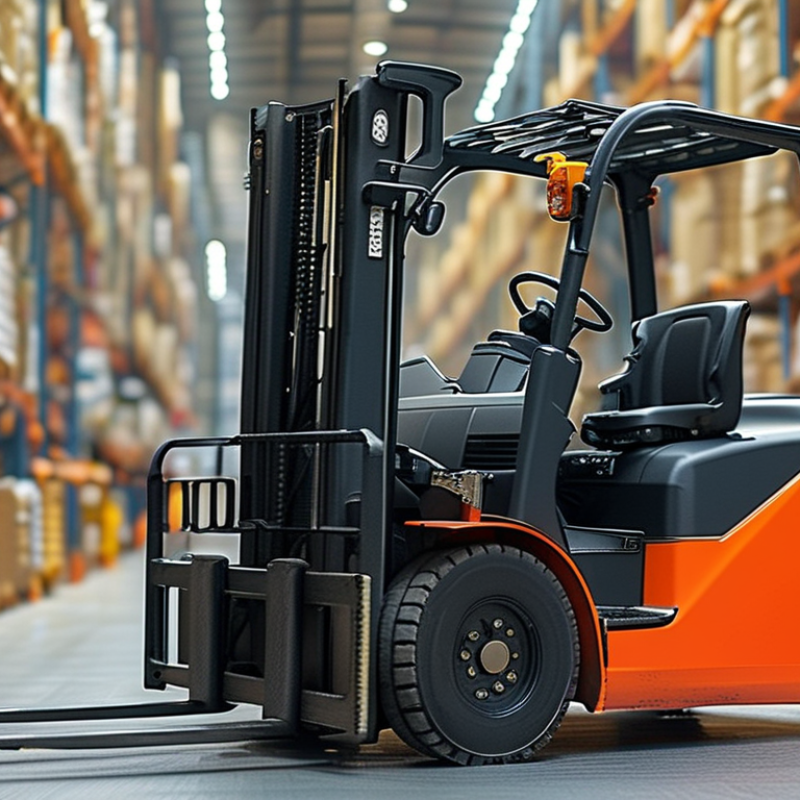
How to Choose the Best Forklift Pedestrian Detection System?

Understanding Forklift Pedestrian Detection Systems

Forklift pedestrian detection systems play a crucial role in enhancing workplace safety. These systems use advanced technology to identify nearby pedestrians. They help prevent accidents, especially in busy environments like warehouses. The effectiveness of these systems relies on their sensors and alerts. Understanding how these components function can aid in choosing the best system.

Different types of detection technologies exist. Some systems utilize cameras, while others rely on radar or ultrasonic sensors. Each technology has its pros and cons. For example, camera systems can provide visual data, but they may struggle in low light. Meanwhile, radar systems perform well in various conditions, yet might have range limitations. Evaluating these factors is essential for ensuring reliability in real-world applications.

The placement of detection equipment also demands careful thought. Proper positioning can enhance detection range and accuracy. However, obstacles or environmental factors can interfere with performance. Regular maintenance and adjustments are necessary to keep systems operative. Engaging with safety professionals can offer deeper insights into improving pedestrian safety measures.

Key Features to Consider in Detection Systems

When choosing a forklift pedestrian detection system, several key features can significantly impact safety. A reliable detection system should have robust sensor technology. High-quality sensors can accurately identify pedestrians in various conditions. They should work well in low light and adverse weather. Accurate detection reduces the risk of accidents in busy environments.

Another important feature is real-time alerts. The system must provide immediate notifications to forklift operators. This ensures that drivers are aware of any pedestrians nearby. Auditory and visual warning systems can enhance awareness. Additionally, customizable settings are beneficial. Users can adjust sensitivity levels based on specific operational environments.

Moreover, consider the system's integration capabilities. A detection system should seamlessly connect with existing safety protocols. However, frequent updates and system improvements can pose challenges. Regular evaluations of performance are necessary. Operators should reflect on the effectiveness of their chosen system. A proactive approach can lead to a safer workplace.

Comparative Analysis of Popular Detection Technologies

When selecting a pedestrian detection system for forklifts, it’s essential to understand the variety of technologies available. Commonly used systems include laser detection, ultrasonic sensors, and camera-based solutions. Each of these has unique advantages and limitations that can significantly impact safety in the workplace. Laser systems tend to offer high precision, while ultrasonic sensors are often more cost-effective. However, they can be influenced by environmental conditions.

Camera-based systems provide visual data, allowing for better situational awareness. They can also integrate with software for analytics. Yet, this technology may require more maintenance and setup. Each of these systems demands careful consideration of your specific needs. In busy environments, for example, the limitations of a sensor might be more pronounced during high traffic periods.

Moreover, the choice of detection technology must consider false positives and false negatives. Depending on the environment, a specific system might trigger unnecessary alerts. This can lead to alarm fatigue among operators. Ultimately, the ideal system balances effectiveness with practicality. Being mindful of potential pitfalls can lead to more informed choices that enhance overall safety.

How to Choose the Best Forklift Pedestrian Detection System? - Comparative Analysis of Popular Detection Technologies

Detection Technology Detection Range Accuracy Response Time Cost Maintenance Level
Infrared Sensors Up to 10 meters Moderate Fast (0.1s) Low Low
LiDAR Systems Up to 30 meters High Very Fast (0.05s) High Moderate
Ultrasonic Sensors Up to 8 meters Moderate Moderate (0.2s) Low Low
Video Analytics Up to 25 meters Very High Fast (0.1s) High High

Evaluating System Reliability and Responsiveness

When selecting a forklift pedestrian detection system, evaluating its reliability and responsiveness is crucial. A reliable system must consistently detect pedestrians in various environments. This involves advanced sensors that function well in different lighting and weather conditions. Testing the system in real-world scenarios can highlight any weaknesses.

Responsiveness is equally important. A system needs to react quickly to potential hazards. Delays can lead to dangerous situations. It's vital to assess the response time during trials. Shorter response times enhance safety and create a more efficient work environment.

Reviewing user feedback can provide insights into reliability and responsiveness. Engaging with operators helps uncover any persistent issues. These reflections can lead to improvements in system design. It’s essential to consider that even the best systems can have limitations. Continuous assessment and adaptation are necessary. Validating these factors can instill confidence in the system's effectiveness.

Pedestrian Detection System Performance Evaluation

Best Practices for Implementation and Maintenance

Pedestrian detection systems are crucial for safety in environments where forklifts operate. Implementing these systems effectively requires attention to best practices. It's vital to conduct a thorough site assessment. Understanding traffic patterns and areas where pedestrians and forklifts interact can reveal the best placement of detection devices.


Regular maintenance is another key factor. Without it, systems may not perform optimally. Schedule routine checks to ensure sensors are clean and functional. Look out for any obstructions that could hinder detection. Remember, even a small blockage can compromise safety.


Consider involving employees in the process. Their insights can improve detection settings and alert management to potential hazards. Create a feedback loop where staff can report issues without hesitation. This promotes a culture of safety and awareness. Taking these steps can lead to a safer workplace while also recognizing that systems require ongoing assessment and improvement. Regularly review and update the detection strategies based on changing conditions and experiences.

Copyright 2025 Fluidra S.A. | Created by BCM Marketing Agencia Privacy Policy Legal note | Cookie policy |

Technical cookies are strictly necessary for our website to work and you can navigate through it. These types of cookies are those that, for example, allow us to identify you, give you access to certain restricted parts of the page if necessary, or remember different options or services already selected by you, such as your privacy preferences. Therefore, they are activated by default, your authorization not being necessary in this regard. Through the configuration of your browser, you can block or alert the presence of this type of cookies, although such blocking will affect the proper functioning of the different functionalities of our website.


The analysis cookies allow us to study the navigation of the users of our website in general (for example, which sections of the page are the most visited, which services are used most and if they work correctly, etc.). From the statistical information on navigation on our website, we can improve both the operation of the page itself and the different services it offers. Therefore, these cookies do not have an advertising purpose, but only serve to make our website work better, adapting to our users in general. By activating them you will contribute to this continuous improvement. You can enable or disable these cookies by checking the corresponding box, being disabled by default.


Functionality cookies allow us to remember your preferences, to personalize certain characteristics and general options of our website, every time you access it (for example, the language in which the information is presented to you, the sections marked as favorites, your browser type, etc.) Therefore, this type of cookies does not have an advertising purpose, but by activating them you will improve the functionality of the website (for example, adapting to your type of browser) and the customization of it based on your preferences (for example, by presenting the information in the language that you have chosen in previous occasions), which will contribute to the ease, usability and comfort of our page during your navigation. You can enable or disable these cookies by checking the corresponding box, being disabled by default.


Advertising cookies allow us to manage the advertising spaces included in our website based on criteria such as the content shown or the frequency in which the ads are displayed. For example, if you have been shown the same ad several times on our website, and you have not shown a personal interest by clicking on it, it will not appear again. In summary, by activating this type of cookies, the advertising shown on our website will be more useful and diverse, and less repetitive. You can enable or disable these cookies by checking the corresponding box, being disabled by default.


Behavioral advertising cookies allow us to obtain information based on the observation of your browsing habits and behaviors on the web, in order to show you advertising content that best suits your personal tastes and interests. To understand it in a very simple way, we will give you a fictitious example: if your last searches on the web were related to suspense literature, we would show you advertising about suspense books. Therefore, activating this type of cookies, the advertising that we show you on our website will not be generic, but will be oriented to your searches, tastes and interests, therefore adjusting exclusively to you. You can enable or disable these cookies by checking the corresponding box, being disabled by default.
To understand it in a very simple way, we will give you a fictitious example: if your last searches on the web were related to suspense literature, we would show you advertising about suspense books. Therefore, activating this type of cookies, the advertising that we show you on our website will not be generic, but will be oriented to your searches, tastes and interests, therefore adjusting exclusively to you. You can enable or disable these cookies by checking the corresponding box, being disabled by default.

SAVE

We use our own and third-party cookies to ensure the proper functioning of the website and to analyse our services, improve your experience on our website and show you advertisements related to your interests according to profiling based on your browsing habits (e.g. websites visited). You can accept all cookies by clicking "ACCEPT" or set or reject them by clicking here. If you would like to know more about the use of cookies, please see our COOKIE POLICY.


ACCEPT ALL
Reject no essentials


