
Top Tips for Choosing the Best Electric Bus Heater Solutions?
FLUID HANDLING EXPERTS

Blog, all our news

Top Tips for Choosing the Best Electric Bus Heater Solutions?

When considering an Electric Bus Heater for your fleet, multiple factors come into play. The right heater not only enhances passenger comfort but also ensures optimal energy efficiency. Different models cater to varying bus sizes and climates. Selecting the best solution can indeed feel overwhelming.

It's crucial to assess the heater’s performance metrics. Look for reliable brands that have established track records. Features like rapid heating, adjustable settings, and durability can significantly impact your choice. Although electric options have fewer emissions, some may lack adequate power in extremely cold conditions.

Evaluate the ease of installation and maintenance. Some systems require more effort to set up and service. This can affect overall costs and downtime. Balance these practicalities with your budget while ensuring you meet safety standards and regulations. By exploring these aspects, you can make a well-informed decision for your electric bus fleet.
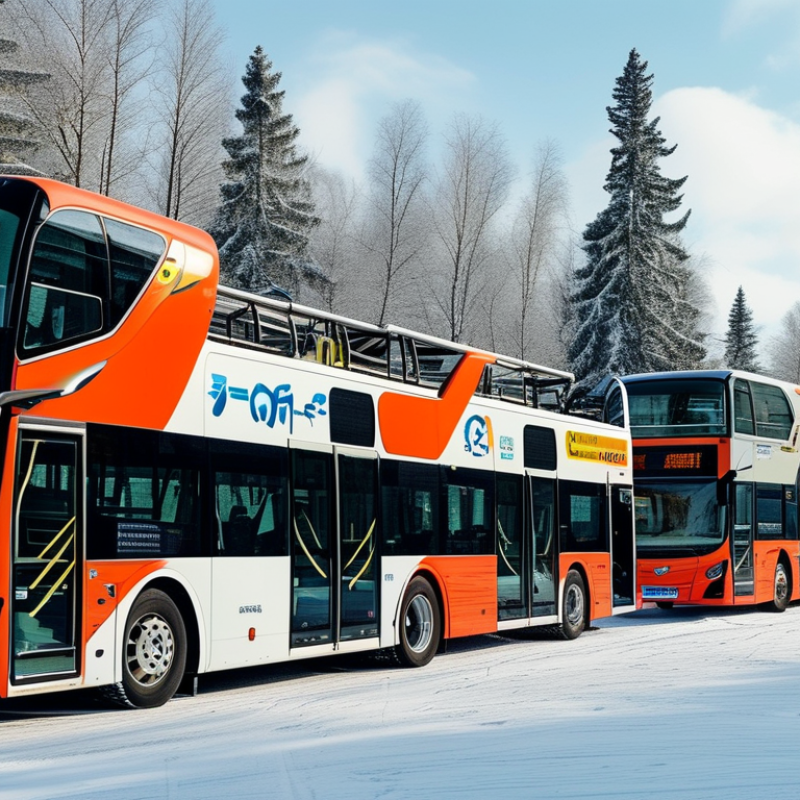
Top Tips for Choosing the Best Electric Bus Heater Solutions?

Understanding the Importance of Electric Bus Heaters for Efficiency

Electric bus heaters are vital for maximizing efficiency in public transportation. In cold climates, maintaining a comfortable temperature inside the bus is crucial. Efficient heating systems ensure passengers are warm, which enhances their overall travel experience. A well-regulated heating system can also reduce energy consumption, leading to cost savings.

However, selecting the right heater is not always straightforward. Factors like size, power output, and installation type all play a role. Many bus operators struggle with these decisions. They may overlook key specifications that directly influence performance. Each bus has unique heating requirements based on its design and intended use. Thus, understanding these nuances is fundamental.

Investing in an electric bus heater does not guarantee flawless operation. Regular maintenance is crucial to avoid performance issues. Neglecting this can lead to inefficient heating or even system failures. Operators should continuously evaluate their heating systems to ensure reliability. This reflection on efficiency can lead to better decision-making in the future.

Key Factors to Consider When Selecting Electric Bus Heating Solutions

When selecting electric bus heating solutions, there are several key factors to consider. Efficiency is paramount. Look for heaters that provide maximum warmth while consuming minimal energy. This helps reduce operational costs and enhances sustainability. Additionally, consider the size and layout of the bus. A well-fitted heater ensures that heat is evenly distributed throughout the cabin.

Safety is another critical aspect. Choose solutions that include fail-safes and overheat protection. A reliable heating system minimizes the risk of malfunctions. It's also vital to check compliance with safety standards. User reviews and expert recommendations can guide your decision.

Maintenance needs should not be overlooked. Some systems require more upkeep than others. Regular maintenance is essential for longevity but can increase costs. Lastly, assess the noise levels of the heating unit. A quieter system improves passenger comfort. Ultimately, your choice should reflect a balance between efficiency, safety, and practicality. Emphasizing these factors will lead to a more informed decision.

Comparing Types of Electric Bus Heaters: Pros and Cons

Choosing the right electric bus heater involves comparing various types and understanding their advantages and drawbacks. Electric resistance heaters deliver direct warmth efficiently, making them popular. They can heat a bus quickly but have high energy consumption, which can impact operating costs. According to a report by the International Energy Agency, electric heating can be up to 50% less efficient than hydronic systems in larger vehicles.

Hydronic heating systems circulate hot water through pipes to warm the bus. They tend to be more energy-efficient, particularly in larger fleets. Research from the American Public Transportation Association shows that hydronic systems can reduce energy costs by 25% over time. However, they require more maintenance and are generally heavier. This can affect the bus's overall efficiency.

Tip: Consider your fleet's size and operational needs before deciding. Evaluate initial installation costs versus long-term savings. Make sure to consult with professionals for tailored solutions. Explore innovative developments, such as integrated heating with waste heat recovery. These options can significantly enhance efficiency while being environmentally friendly. Always weigh the pros of energy savings against potential maintenance challenges.

Energy Efficiency and Cost-Effectiveness in Bus Heating Systems

When selecting electric bus heating systems, energy efficiency is vital. Many bus operators want solutions that minimize energy consumption. Estimating energy usage can help identify options that save money over time. A well-designed heater uses less power while still providing warmth. Consider setups that allow for precise temperature control. This feature can greatly enhance comfort without excess energy use.

Cost-effectiveness also plays a crucial role. Upfront costs are important, but long-term savings are key. An efficient heater reduces electricity bills and maintenance costs. Look for systems with robust warranties. These often reflect the manufacturer's confidence in their product. It's worth noting, though, that not all efficient systems perform well under different conditions. Evaluating user feedback and performance data can provide valuable insights. Hence, investing time in research can lead to better decisions.

Installation and Maintenance Tips for Electric Bus Heaters

When selecting electric bus heaters, installation should be carefully considered. It's not just about choosing the right heater. The placement within the bus affects heating efficiency. Ensure that the installation allows for even heat distribution. This avoids cold spots that can make passenger comfort difficult.

Regular maintenance is crucial. Schedule inspections at least twice a year. Check for any signs of wear and tear on connections and wiring. This proactive approach can prevent major issues. Additionally, clean the heater regularly to remove dust and debris. A clean heater operates more efficiently.

Pay attention to the power supply during installation. Overloading circuits can cause malfunctions. Ensure that all components meet safety standards. Lastly, regularly train staff on proper heater operation. Misuse can lead to problems that affect performance. Remember, even with the best plans, unexpected challenges can arise. Always have a backup plan for heating during emergencies.

Top Tips for Choosing the Best Electric Bus Heater Solutions

Feature Importance Recommended Solutions Maintenance Tips
Heating Efficiency High Ceramic Heaters Regularly check the heating elements for wear.
Energy Consumption Moderate Infrared Heaters Optimize settings to reduce energy usage.
Installation Ease High Compact Electric Heaters Follow manufacturer guidelines for setup.
Safety Features Critical Heaters with Overheat Protection Test safety features periodically.
Durability High Stainless Steel Heaters Inspect for corrosion and damage regularly.
Copyright 2025 Fluidra S.A. | Created by BCM Marketing Agencia Privacy Policy Legal note | Cookie policy |

Technical cookies are strictly necessary for our website to work and you can navigate through it. These types of cookies are those that, for example, allow us to identify you, give you access to certain restricted parts of the page if necessary, or remember different options or services already selected by you, such as your privacy preferences. Therefore, they are activated by default, your authorization not being necessary in this regard. Through the configuration of your browser, you can block or alert the presence of this type of cookies, although such blocking will affect the proper functioning of the different functionalities of our website.


The analysis cookies allow us to study the navigation of the users of our website in general (for example, which sections of the page are the most visited, which services are used most and if they work correctly, etc.). From the statistical information on navigation on our website, we can improve both the operation of the page itself and the different services it offers. Therefore, these cookies do not have an advertising purpose, but only serve to make our website work better, adapting to our users in general. By activating them you will contribute to this continuous improvement. You can enable or disable these cookies by checking the corresponding box, being disabled by default.


Functionality cookies allow us to remember your preferences, to personalize certain characteristics and general options of our website, every time you access it (for example, the language in which the information is presented to you, the sections marked as favorites, your browser type, etc.) Therefore, this type of cookies does not have an advertising purpose, but by activating them you will improve the functionality of the website (for example, adapting to your type of browser) and the customization of it based on your preferences (for example, by presenting the information in the language that you have chosen in previous occasions), which will contribute to the ease, usability and comfort of our page during your navigation. You can enable or disable these cookies by checking the corresponding box, being disabled by default.


Advertising cookies allow us to manage the advertising spaces included in our website based on criteria such as the content shown or the frequency in which the ads are displayed. For example, if you have been shown the same ad several times on our website, and you have not shown a personal interest by clicking on it, it will not appear again. In summary, by activating this type of cookies, the advertising shown on our website will be more useful and diverse, and less repetitive. You can enable or disable these cookies by checking the corresponding box, being disabled by default.


Behavioral advertising cookies allow us to obtain information based on the observation of your browsing habits and behaviors on the web, in order to show you advertising content that best suits your personal tastes and interests. To understand it in a very simple way, we will give you a fictitious example: if your last searches on the web were related to suspense literature, we would show you advertising about suspense books. Therefore, activating this type of cookies, the advertising that we show you on our website will not be generic, but will be oriented to your searches, tastes and interests, therefore adjusting exclusively to you. You can enable or disable these cookies by checking the corresponding box, being disabled by default.
To understand it in a very simple way, we will give you a fictitious example: if your last searches on the web were related to suspense literature, we would show you advertising about suspense books. Therefore, activating this type of cookies, the advertising that we show you on our website will not be generic, but will be oriented to your searches, tastes and interests, therefore adjusting exclusively to you. You can enable or disable these cookies by checking the corresponding box, being disabled by default.

SAVE

We use our own and third-party cookies to ensure the proper functioning of the website and to analyse our services, improve your experience on our website and show you advertisements related to your interests according to profiling based on your browsing habits (e.g. websites visited). You can accept all cookies by clicking "ACCEPT" or set or reject them by clicking here. If you would like to know more about the use of cookies, please see our COOKIE POLICY.


ACCEPT ALL
Reject no essentials


