
How to Choose the Best Carbon Steel Casting for Your Needs?
FLUID HANDLING EXPERTS

Blog, all our news

How to Choose the Best Carbon Steel Casting for Your Needs?

Choosing the right Carbon Steel Casting is crucial for various applications. Industry expert Jane Doe, a materials engineer with over 15 years of experience, once said, "Understanding your specific needs is the key to selecting the best casting."

When it comes to Carbon Steel Casting, each application has unique requirements. The material’s properties, such as strength and ductility, should be aligned with your project's demands. For instance, in automotive parts, durability matters greatly. A slight oversight in selection can lead to significant failures down the road.

Knowing the casting process is also vital. Different methods yield varying results in quality and performance. As you explore options, it's easy to get overwhelmed. Be sure to consider factors like cost, availability, and lead times. Reflect on what is most important for your needs and choose wisely.
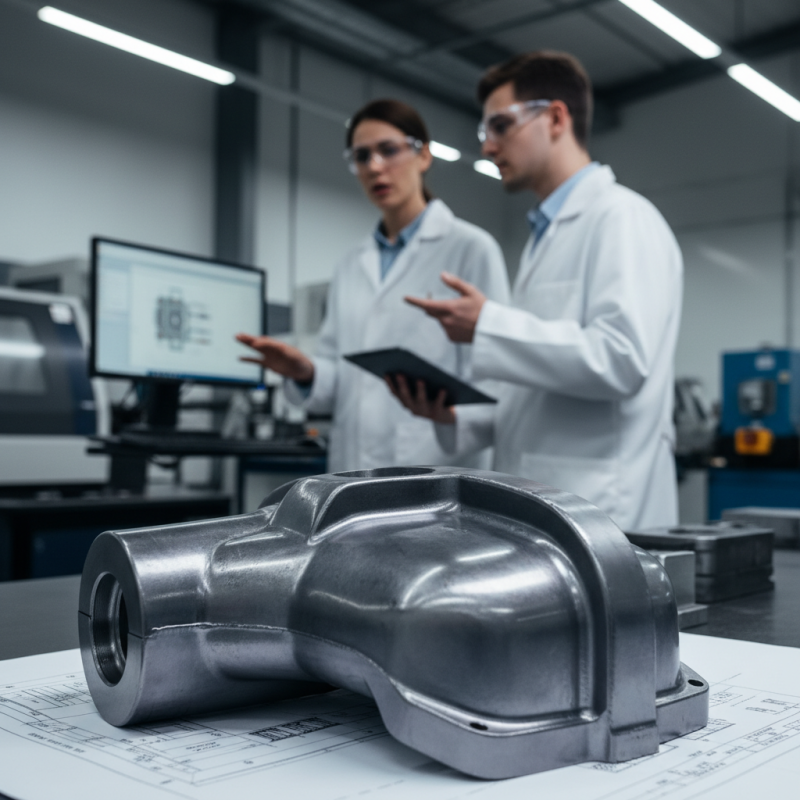
How to Choose the Best Carbon Steel Casting for Your Needs?

Understanding Carbon Steel Casting Types and Their Properties

Choosing the right carbon steel casting requires understanding its various types and their properties. Carbon steel castings are categorized mainly into three groups: low, medium, and high carbon steel. Low carbon steel is ductile and malleable, making it suitable for automotive parts. Medium carbon steel is stronger and more wear-resistant, ideal for machinery. High carbon steel is very hard but less ductile, suitable for tools and cutting equipment.

When considering which type to choose, evaluate the specific application. Each type has unique traits that impact performance. Low carbon steel is often cost-effective, while high carbon steel provides superior strength. Remember that these materials can face challenges. For instance, high carbon steel may be brittle under certain conditions.

**Tips:** Test your selected casting under real conditions. Understand the temperature and load requirements. This helps determine its suitability for your project. Also, don’t overlook the casting's surface finish, which affects durability. Regularly review your selection criteria to ensure they align with current project needs. Adjustments may be necessary as technology and materials evolve.

Identifying Your Specific Application Requirements for Castings

When selecting carbon steel castings, it's essential to identify your specific application requirements. Consider the environment where the casting will operate. Will it face high temperatures, corrosive substances, or heavy loads? Each condition demands unique material properties. Understanding these factors can significantly impact performance and longevity.

Next, specify the mechanical properties you need. Strength, hardness, and ductility can vary widely in carbon steel. For example, high-strength applications might require a material with lower carbon content, while durability may need higher carbon levels. Gathering data on stress resistance and wear behavior can guide you in making informed decisions.

Finally, don't overlook the importance of industry standards and certifications. These can influence the choice of casting, ensuring safety and reliability. Researching past performance in specific applications can provide valuable insights. Mistakes can happen, so testing prototypes before full-scale production is advisable. This approach helps in refining your choices and optimizing performance.

Evaluating the Manufacturing Processes for Carbon Steel Castings

When evaluating the manufacturing processes for carbon steel castings, understanding the various techniques is crucial. Common methods include sand casting, investment casting, and die casting. Each process has its strengths and weaknesses, influencing both quality and cost. For example, sand casting offers versatility and is cost-effective for large parts. However, it may not meet the precision requirements for intricate designs.

Investment casting provides high accuracy and excellent surface finish. Reports indicate that this method reduces waste significantly, making it environmentally friendly. In contrast, die casting excels in producing high volumes quickly, but it often involves higher initial setup costs. According to recent industry data, approximately 60% of manufacturers are leaning towards investment casting for complex parts due to its precision.

It’s essential to reflect on the limitations of each technique. For instance, sand casting can lead to surface imperfections. These defects might require additional machining. Moreover, not every process is suitable for all materials. In some cases, the choice of the wrong manufacturing method leads to increased expenses and longer lead times. An informed decision relies on understanding specific requirements, including the desired properties of the final product and production scale.

How to Choose the Best Carbon Steel Casting for Your Needs? - Evaluating the Manufacturing Processes for Carbon Steel Castings

Attribute Description Considerations
Material Grade Different grades of carbon steel like C10, C20, C45. Evaluate the mechanical properties needed for your application.
Casting Process Processes such as sand casting, investment casting, or die casting. Choose based on complexity, finish requirements, and volume.
Surface Finish Types of finishes like machined, painted, or coated. Determine if aesthetics or functionality is more important.
Dimensional Tolerance Precision levels for cast components. Ensure casting process can meet your tolerance requirements.
Production Volume Number of pieces required for production. Assess cost-effectiveness for low vs high volume production.
Lead Time Time from order to delivery. Consider urgency and project deadlines when selecting suppliers.
Cost Pricing per unit depending on materials, process, and volume. Balance quality with budget constraints.

Comparing Cost, Quality, and Performance Factors in Selection

When selecting carbon steel castings, consider cost, quality, and performance. Cost can vary widely based on specific needs and manufacturing processes. Cheaper options often compromise on quality. This trade-off can lead to performance issues. It’s vital to examine your application needs closely.

Quality in materials influences durability and reliability. Not all carbon steel castings are the same. Variations in composition, heat treatment, and casting methods impact strength and usability. A thorough assessment of specifications is necessary. Check for compliance with industry standards.

Performance is essential for functional applications. A casting must withstand stress and environmental factors. Think about how the material behaves under different conditions. Poor performance can result in costly failures. It's crucial to align your choice with your long-term goals. Evaluate the potential risks. Carefully weigh what is more important: upfront cost or lasting performance.

Making Informed Choices: Supplier and Material Considerations

When selecting carbon steel casting, understanding materials and suppliers is crucial. The right choice directly affects product performance. According to industry sources, more than 30% of casting defects stem from material selection. This statistic highlights the importance of choosing a reliable supplier who understands these materials.

Look for suppliers with certifications that demonstrate their commitment to quality. ISO 9001 certification is one such indicator of reliable practices in manufacturing. Additionally, transparency in material composition is vital. Suppliers should provide detailed material specifications. This practice ensures you can assess the suitability of the carbon steel for your needs.

Various grades of carbon steel exist, each with unique properties. For instance, low-carbon steel offers excellent ductility, while high-carbon steel provides superior hardness. Yet, not all applications will benefit from high hardness. Sometimes, a balance between ductility and strength is necessary. A miscalculation in steel grade can lead to project delays or increased costs. It's vital to weigh these considerations carefully before making a decision.

Copyright 2025 Fluidra S.A. | Created by BCM Marketing Agencia Privacy Policy Legal note | Cookie policy |

Technical cookies are strictly necessary for our website to work and you can navigate through it. These types of cookies are those that, for example, allow us to identify you, give you access to certain restricted parts of the page if necessary, or remember different options or services already selected by you, such as your privacy preferences. Therefore, they are activated by default, your authorization not being necessary in this regard. Through the configuration of your browser, you can block or alert the presence of this type of cookies, although such blocking will affect the proper functioning of the different functionalities of our website.


The analysis cookies allow us to study the navigation of the users of our website in general (for example, which sections of the page are the most visited, which services are used most and if they work correctly, etc.). From the statistical information on navigation on our website, we can improve both the operation of the page itself and the different services it offers. Therefore, these cookies do not have an advertising purpose, but only serve to make our website work better, adapting to our users in general. By activating them you will contribute to this continuous improvement. You can enable or disable these cookies by checking the corresponding box, being disabled by default.


Functionality cookies allow us to remember your preferences, to personalize certain characteristics and general options of our website, every time you access it (for example, the language in which the information is presented to you, the sections marked as favorites, your browser type, etc.) Therefore, this type of cookies does not have an advertising purpose, but by activating them you will improve the functionality of the website (for example, adapting to your type of browser) and the customization of it based on your preferences (for example, by presenting the information in the language that you have chosen in previous occasions), which will contribute to the ease, usability and comfort of our page during your navigation. You can enable or disable these cookies by checking the corresponding box, being disabled by default.


Advertising cookies allow us to manage the advertising spaces included in our website based on criteria such as the content shown or the frequency in which the ads are displayed. For example, if you have been shown the same ad several times on our website, and you have not shown a personal interest by clicking on it, it will not appear again. In summary, by activating this type of cookies, the advertising shown on our website will be more useful and diverse, and less repetitive. You can enable or disable these cookies by checking the corresponding box, being disabled by default.


Behavioral advertising cookies allow us to obtain information based on the observation of your browsing habits and behaviors on the web, in order to show you advertising content that best suits your personal tastes and interests. To understand it in a very simple way, we will give you a fictitious example: if your last searches on the web were related to suspense literature, we would show you advertising about suspense books. Therefore, activating this type of cookies, the advertising that we show you on our website will not be generic, but will be oriented to your searches, tastes and interests, therefore adjusting exclusively to you. You can enable or disable these cookies by checking the corresponding box, being disabled by default.
To understand it in a very simple way, we will give you a fictitious example: if your last searches on the web were related to suspense literature, we would show you advertising about suspense books. Therefore, activating this type of cookies, the advertising that we show you on our website will not be generic, but will be oriented to your searches, tastes and interests, therefore adjusting exclusively to you. You can enable or disable these cookies by checking the corresponding box, being disabled by default.

SAVE

We use our own and third-party cookies to ensure the proper functioning of the website and to analyse our services, improve your experience on our website and show you advertisements related to your interests according to profiling based on your browsing habits (e.g. websites visited). You can accept all cookies by clicking "ACCEPT" or set or reject them by clicking here. If you would like to know more about the use of cookies, please see our COOKIE POLICY.


ACCEPT ALL
Reject no essentials


