
How to Choose a Flexible LED Work Light in 2026?
FLUID HANDLING EXPERTS

Blog, all our news

How to Choose a Flexible LED Work Light in 2026?

Choosing a Flexible Led Work Light in 2026 means matching the lamp to real work, not just comparing advertised brightness. A light that bends around a crowded engine bay or clips beneath a cabinet can save time. But weak magnets, a stiff neck, or a poorly placed switch can make it frustrating. Small details matter.

The U.S. Department of Energy reports that LEDs use at least 75% less energy and can last up to 25 times longer than incandescent lighting. That broad comparison is useful, but it does not tell buyers how a portable work light performs under vibration, heat, dust, or repeated repositioning. For task lighting, examine measured lumens, beam spread, color rendering, battery runtime, charging options, and tested ingress protection. The Illuminating Engineering Society’s guidance on lighting quality also reinforces an important point: seeing the task clearly matters, not brightness alone.

Lighting researcher Dr. Mariana Figueiro is known for work on how light affects people, but her research is not a product review of flexible work lights. No verifiable, topic-specific quotation from a work-light specialist was supplied for this introduction, so attributing one would be misleading. That gap is worth noting. This guide will focus on practical selection criteria and clearly distinguish published evidence from hands-on claims. A bright lamp can still be the wrong lamp. Look closely at the details.
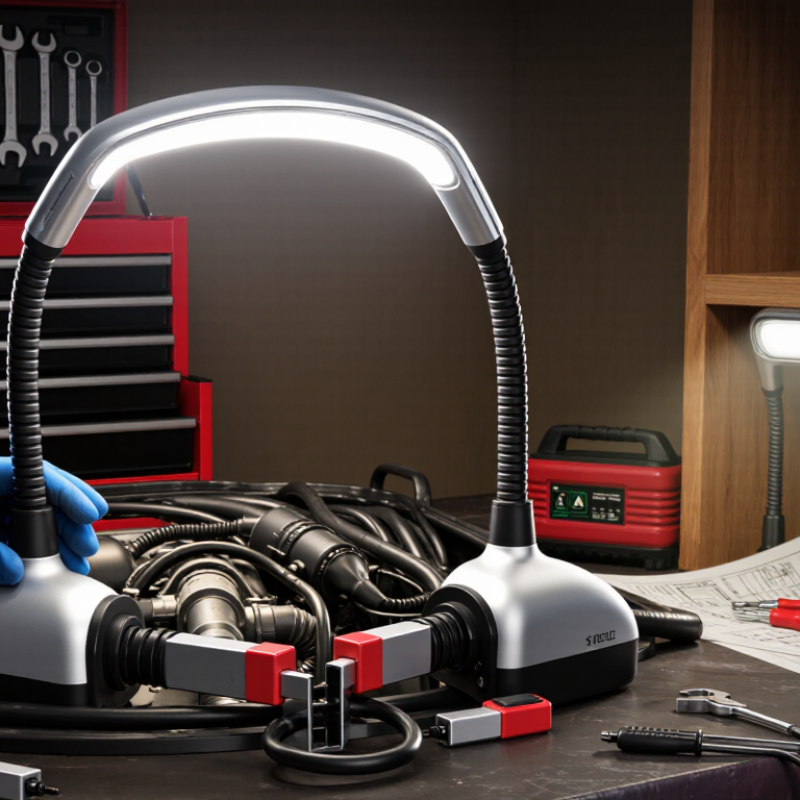
How to Choose a Flexible LED Work Light in 2026?

Understanding the Features of a Flexible LED Work Light

A flexible LED work light is useful when a fixed beam cannot reach behind a pipe or beneath a dashboard. Its defining feature is an adjustable neck or head that directs light into awkward spaces. Check whether it holds its position after bending; a head that slowly droops can become frustrating during detailed work. Too loose, though. A broad, stable base, clip, or magnetic mount can help keep the light steady while your hands are busy.

Look beyond brightness. A focused beam can reveal a small screw, while a wider beam helps illuminate a whole workbench. For close repairs, adjustable output is practical: lower settings reduce glare and may extend battery life. Color rendering also matters when inspecting wiring or matching paint, though specifications do not always tell the whole story. Try to judge the light on the surfaces you actually work with. Small details count.

Power and durability should suit the setting. A rechargeable model avoids disposable batteries, but its runtime depends on brightness and battery condition. Check charging time and whether the light can operate while plugged in. For dusty or damp spaces, review the stated protection rating rather than assuming a sealed housing is waterproof. Heat can build up in compact lights, too. I would favor a comfortable grip and simple controls over extra modes I rarely use. That trade-off is real.

Identifying Your Lighting Needs and Work Environment

How to Choose a Flexible LED Work Light in 2026?

Identifying Your Lighting Needs and Work Environment

Start by defining the task, not by choosing the brightest lamp. Reading small labels, repairing wiring, and inspecting a broad workbench require different beam shapes and light levels. OSHA’s construction illumination table sets benchmarks of 5 foot-candles for general construction areas and 10 for shops. These are minimums for specific settings, not ideal targets for every task. A single lux number can mislead.

Check where the light must reach: inside a cabinet, beneath a vehicle, or across a dusty bench. A flexible neck helps aim the beam, while a stable base or magnetic mount keeps both hands free. Look for a guarded lens and an ingress-protection rating suited to dust or moisture exposure.

Consider battery runtime against the length of a typical shift, and test for glare on shiny surfaces. Small details matter. A very bright beam may create harsh shadows instead of better visibility.

Tips: Map the work area before buying. Place the light where it will be used, then check for blocked beams and reflections. For close inspection, compare adjustable brightness settings and a focused beam; for general tasks, choose broader, even coverage. Record the task duration and charging access, too. That estimate may be imperfect, but it is better than choosing by brightness alone.

Comparing Brightness, Beam Control, and Power Options

A flexible LED work light should be judged by useful illumination, not headline lumens alone. The Illuminating Engineering Society’s RP-7-21 guidance for industrial facilities emphasizes matching light levels to the task. For close inspection, a broad, even beam can reveal scratches without harsh glare. For work beneath a vehicle, a narrower beam may reach into shadowed spaces. Check whether the head pivots smoothly and holds position; a bright lamp aimed at the wrong surface is still frustrating.

Look for measured output and beam information, such as lumens, beam angle, and illuminance at a stated distance. The U.S. Department of Energy’s 2022 Solid-State Lighting R&D Opportunities report notes that laboratory LED packages have surpassed 200 lumens per watt, but finished products lose output through optics and heat. That gap matters. Compare real fixture performance, not package claims, and test whether the light stays comfortable after several minutes of use.

Power choice changes how the lamp fits a job. A rechargeable unit suits mobile repairs, while corded power avoids pauses during long bench work. For battery models, estimate runtime by dividing battery watt-hours by the light’s power draw; actual results vary with brightness and temperature. USB charging is convenient, but charging speed and port protection deserve a closer look. I still find runtime estimates optimistic. Check the manual’s test conditions before relying on them.

Assessing Flexibility, Durability, and Safety Features

When choosing a flexible LED work light in 2026, check how the neck holds its position, not just how far it bends. A joint that slowly sags can push the beam off a bolt, wiring panel, or workbench. Look for a stable base, strain relief near the cable, and a neck that resists repeated repositioning. A very bendable neck can still be a weak point. Test it with the lamp warm, if possible; heat can expose movement that a quick shop-floor check misses.

Durability depends on the job. For dusty garages or damp service areas, check the stated ingress protection rating and inspect the lens, switch, and charging port. The U.S. Department of Energy’s Energy Saver guidance says LEDs use at least 75% less energy and can last up to 25 times longer than incandescent bulbs. Those figures describe LED technology broadly, not every work light, so verify the product’s own runtime and service-life claims. Useful details include a replaceable battery, impact-resistant housing, and a grip that stays secure with oily hands.

Safety deserves equal weight. NIOSH estimates that about 2,000 U.S. workers sustain job-related eye injuries requiring medical treatment each day. A well-aimed beam may improve visibility, but it cannot replace eye protection. Choose diffuse lighting to limit harsh glare, and check that the lamp stays cool around its handle and work surface. Small print matters. Read the manufacturer’s temperature and charging instructions before using a light in confined or cluttered spaces.

Choosing a Model for Your Budget and Intended Use in 2026

In 2026, choose a flexible LED work light for the task, not just its advertised brightness. For close repairs, a moderate output with adjustable brightness can reduce glare on shiny metal. Under a car or inside a cabinet, a narrow head and a stable magnetic base may be more useful than extra lumens. Check whether the magnet holds securely on painted or uneven surfaces. It may not. For larger work areas, look for a wider beam and enough battery runtime to cover a typical shift.

Budget should reflect how often the light will be used. An entry-level model may suit occasional home repairs, but inspect its hinge, cable, and charging port before buying. These parts take daily wear. For regular workshop use, consider a replaceable battery, a sturdy adjustable joint, and a clear warranty. A higher price does not guarantee better handling. If possible, test the grip and balance with one hand; awkward controls become irritating when your other hand is busy. Compare runtime at the brightness you actually need, not only the lowest setting. I would still treat published runtime as an estimate, since cold conditions and aging batteries can shorten it.

Copyright 2025 Fluidra S.A. | Created by BCM Marketing Agencia Privacy Policy Legal note | Cookie policy |

Technical cookies are strictly necessary for our website to work and you can navigate through it. These types of cookies are those that, for example, allow us to identify you, give you access to certain restricted parts of the page if necessary, or remember different options or services already selected by you, such as your privacy preferences. Therefore, they are activated by default, your authorization not being necessary in this regard. Through the configuration of your browser, you can block or alert the presence of this type of cookies, although such blocking will affect the proper functioning of the different functionalities of our website.


The analysis cookies allow us to study the navigation of the users of our website in general (for example, which sections of the page are the most visited, which services are used most and if they work correctly, etc.). From the statistical information on navigation on our website, we can improve both the operation of the page itself and the different services it offers. Therefore, these cookies do not have an advertising purpose, but only serve to make our website work better, adapting to our users in general. By activating them you will contribute to this continuous improvement. You can enable or disable these cookies by checking the corresponding box, being disabled by default.


Functionality cookies allow us to remember your preferences, to personalize certain characteristics and general options of our website, every time you access it (for example, the language in which the information is presented to you, the sections marked as favorites, your browser type, etc.) Therefore, this type of cookies does not have an advertising purpose, but by activating them you will improve the functionality of the website (for example, adapting to your type of browser) and the customization of it based on your preferences (for example, by presenting the information in the language that you have chosen in previous occasions), which will contribute to the ease, usability and comfort of our page during your navigation. You can enable or disable these cookies by checking the corresponding box, being disabled by default.


Advertising cookies allow us to manage the advertising spaces included in our website based on criteria such as the content shown or the frequency in which the ads are displayed. For example, if you have been shown the same ad several times on our website, and you have not shown a personal interest by clicking on it, it will not appear again. In summary, by activating this type of cookies, the advertising shown on our website will be more useful and diverse, and less repetitive. You can enable or disable these cookies by checking the corresponding box, being disabled by default.


Behavioral advertising cookies allow us to obtain information based on the observation of your browsing habits and behaviors on the web, in order to show you advertising content that best suits your personal tastes and interests. To understand it in a very simple way, we will give you a fictitious example: if your last searches on the web were related to suspense literature, we would show you advertising about suspense books. Therefore, activating this type of cookies, the advertising that we show you on our website will not be generic, but will be oriented to your searches, tastes and interests, therefore adjusting exclusively to you. You can enable or disable these cookies by checking the corresponding box, being disabled by default.
To understand it in a very simple way, we will give you a fictitious example: if your last searches on the web were related to suspense literature, we would show you advertising about suspense books. Therefore, activating this type of cookies, the advertising that we show you on our website will not be generic, but will be oriented to your searches, tastes and interests, therefore adjusting exclusively to you. You can enable or disable these cookies by checking the corresponding box, being disabled by default.

SAVE

We use our own and third-party cookies to ensure the proper functioning of the website and to analyse our services, improve your experience on our website and show you advertisements related to your interests according to profiling based on your browsing habits (e.g. websites visited). You can accept all cookies by clicking "ACCEPT" or set or reject them by clicking here. If you would like to know more about the use of cookies, please see our COOKIE POLICY.


ACCEPT ALL
Reject no essentials


