
In the competitive landscape of manufacturing, investing in a wire mesh weaving machine can significantly enhance your operations. According to a recent market analysis published by Industry Insights, the demand for wire mesh products has surged by 25% over the past five years. This growth reflects a broader trend toward increased industrial automation and efficiency. Industry expert Dr. Emma Johnson noted, "The right weaving technology transforms production capabilities and boosts product quality."
The versatility of a wire mesh weaving machine allows businesses to meet diverse market needs. Whether you're producing architectural mesh or filtering solutions, these machines adapt quickly to changing requirements. However, businesses must carefully evaluate their specific needs before making an investment. Some machines may offer features that are unnecessary for smaller operations, leading to wasted resources and space.
Moreover, the choice of a wire mesh weaving machine should consider long-term maintenance and support. Investing in high-quality machinery can lead to better durability and reduced operational costs. As businesses strive to improve efficiency, the right equipment decision is crucial for sustainable growth. Balancing immediate benefits with future demands remains a challenge in this evolving industry landscape.
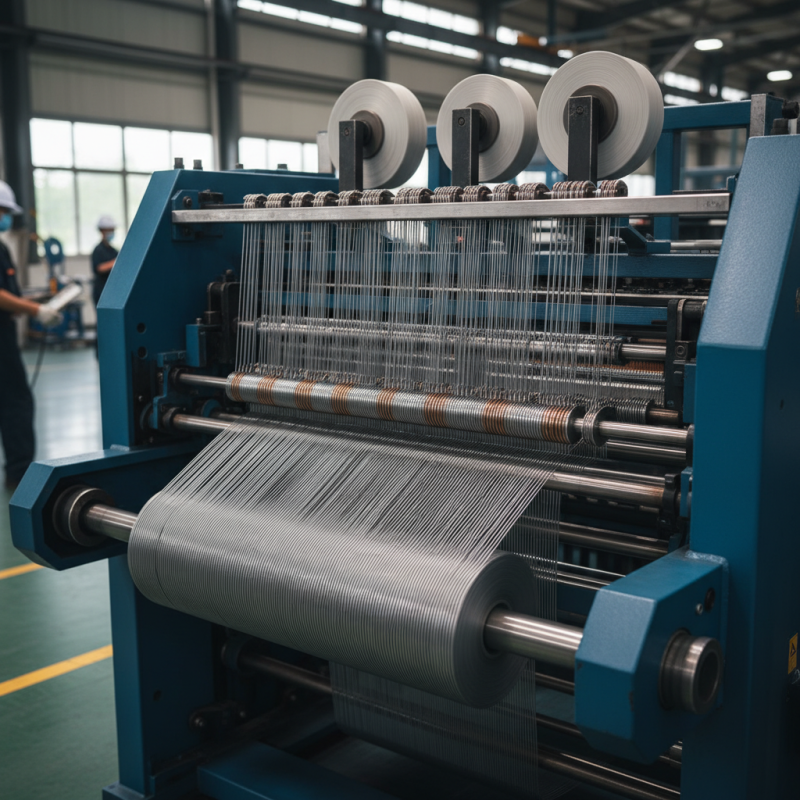
Wire mesh weaving machines play a pivotal role in various industries. They produce a diverse range of wire mesh products, used in construction, fencing, and filtration. These machines specialize in weaving different wire types efficiently. Their functionality revolves around the precise control of tension and speed, ensuring consistent quality.
In 2022, the global wire mesh market was valued at approximately $6.5 billion. It is expected to grow at a CAGR of 6.4% through 2030. This surge highlights the demand for high-quality wire mesh products. Investing in a wire mesh weaving machine can significantly enhance production capabilities. It also allows businesses to adapt to various market needs quickly.
**Tip:** Consider your production volume when selecting a machine. A larger capacity machine may be more suitable for high-demand situations.
Wire mesh weaving machines do require some operator expertise. This can lead to production hiccups initially. Proper training can bridge this gap. Furthermore, regular maintenance is essential to avoid machine downtime. Small oversights in maintenance can lead to larger issues down the line.
**Tip:** Set a maintenance schedule. Regular checks can help prevent unexpected breakdowns.
| Feature | Description | Benefits |
|---|---|---|
| Versatility | Can produce various types of wire mesh for different applications. | Increases market appeal by catering to diverse customer needs. |
| Efficiency | High-speed production capabilities reduce manufacturing time. | Boosts productivity and decreases labor costs. |
| Durability | Constructed from high-quality materials designed to last. | Reduces replacement costs and maintenance frequency. |
| Customization | Allows for custom specifications based on client requirements. | Enhances customer satisfaction with tailored solutions. |
| User-Friendly | Easy to operate with intuitive controls. | Reduces training time and operational errors. |

Incorporating wire mesh weaving machines can transform your production line. These machines offer efficiency that manual labor simply cannot match. With advanced technology, they weave various materials quickly. This leads to increased output, which is critical for competitive markets. Automation reduces human error, improving the overall quality of the product.
Moreover, wire mesh weaving machines are versatile. They can create different mesh sizes and patterns easily. This adaptability allows businesses to meet diverse customer needs. However, the initial investment can be challenging for some. Weighing the upfront cost against long-term savings is essential. Proper maintenance also plays a crucial role in performance. Neglecting this aspect could result in unexpected downtime and additional costs.
Embracing wire mesh weaving technology may require a cultural shift within the business. Employees may need training to operate these machines effectively. This adjustment period can be a hurdle, but the benefits are clear. Enhanced production capabilities lead to greater profit potential. It's about finding the right balance between innovation and practicality.
Choosing a wire mesh weaving machine can significantly impact your business's bottom line. These machines offer cost-effectiveness that cannot be overlooked. They reduce labor costs and improve production speed. In many cases, they can replace manual labor, which is both time-consuming and expensive.
You should carefully consider your specific needs. Not all machines are the same. Some models perform better for certain types of mesh. Pay attention to the machine's maintenance requirements. High maintenance can lead to unforeseen expenses. It’s important to balance initial investment with long-term costs.
Tips: Always ask for a demonstration before purchasing. This gives you a clear understanding of the machine’s efficiency. Also, check online forums for user reviews. Real-world experiences can provide valuable insights. Lastly, think about scalability. Will the machine meet your future demands as your business grows?
When comparing manual weaving and machine weaving, certain aspects stand out. Manual weaving involves skilled artisans who create intricate patterns. These weavers have years of practice behind them. Each piece they produce is unique, showcasing their craftsmanship. However, manual weaving is time-consuming and labor-intensive.
In contrast, wire mesh weaving machines bring efficiency to the table. They can produce large volumes in a short time. Machines can maintain consistency in size and pattern. This consistency is often hard to achieve with manual methods. However, these machines are an investment. Initial costs can be high, and maintenance is necessary.
The choice between these two methods often boils down to business needs. If customization and artistry are paramount, manual weaving may be preferable. On the other hand, for businesses prioritizing speed and uniformity, machines are the better option. Each approach has its limitations and strengths. A thoughtful evaluation is key.
Maintaining a wire mesh weaving machine is crucial for optimal performance. Regular maintenance can extend the machine's lifespan significantly. According to industry reports, a well-maintained machine can run efficiently for up to 15,000 hours. Neglecting maintenance could reduce operational efficiency by as much as 25%. This means more downtime and increased costs for your business.
Keeping the machine clean is essential. Dust and debris can affect the weaving process, leading to inconsistent product quality. Lubrication of moving parts is another key factor. Failure to lubricate can result in wear and tear, ultimately causing breakdowns. Some operators overlook this basic step, thinking it’s less important. This mindset can lead to significant operational losses over time.
Regular inspections are vital. Identifying wear early can prevent bigger issues down the line. Data suggests that 60% of machine failures are due to delayed maintenance. By investing in a simple checklist for daily checks, operators can avoid severe interruptions. A proactive approach to maintenance can make all the difference, enhancing not only performance but also profitability.
This chart illustrates the average annual maintenance costs for various types of wire mesh weaving machines over a five-year period. Selecting the right machine can lead to significant cost savings and ensure optimal performance.

Cepex is the brand for the fluid handling market belonging to the Fluidra group. One of the leading european manufacturer of valves and fittings in thermoplastic materials.
Dedicated to the swimming pool, irrigation and industrial markets, we distribute our products worldwide with the Fluidra commercial network and presence in 46 countries with 136 sales branches.


