
How to Choose the Right Fuel Pump for Your Vehicle
FLUID HANDLING EXPERTS

Blog, all our news

How to Choose the Right Fuel Pump for Your Vehicle

A Fuel Pump does more than move fuel from the tank to the engine. It must deliver the pressure and flow your vehicle requires, under changing temperatures and driving loads. Choose the wrong unit, and symptoms may include hard starting, hesitation, or reduced power. Sometimes, the pump is not the cause at all. A clogged filter or electrical fault can produce similar signs.

The right choice begins with accurate vehicle details: year, make, model, engine, and fuel system. Compare the replacement pump’s pressure rating, flow capacity, connector, and fitment with the manufacturer’s specifications. A part that looks identical may still perform differently. Check reliable fitment catalogs and the vehicle service information, rather than relying on appearance or price alone. If the diagnosis is uncertain, have a qualified technician test fuel pressure and inspect the wiring before replacing parts. That extra step can prevent wasted money.

Driving habits and modifications matter, too. A stock daily driver usually needs a pump matched to its original setup; a modified engine may require different capacity and professional calibration. More flow is not automatically better. It can add cost without solving the problem. Even careful owners can miss a small detail, such as a different engine option within the same model year. This guide explains how to compare pump types, confirm compatibility, and spot warning signs, so your choice is based on evidence—not guesswork.
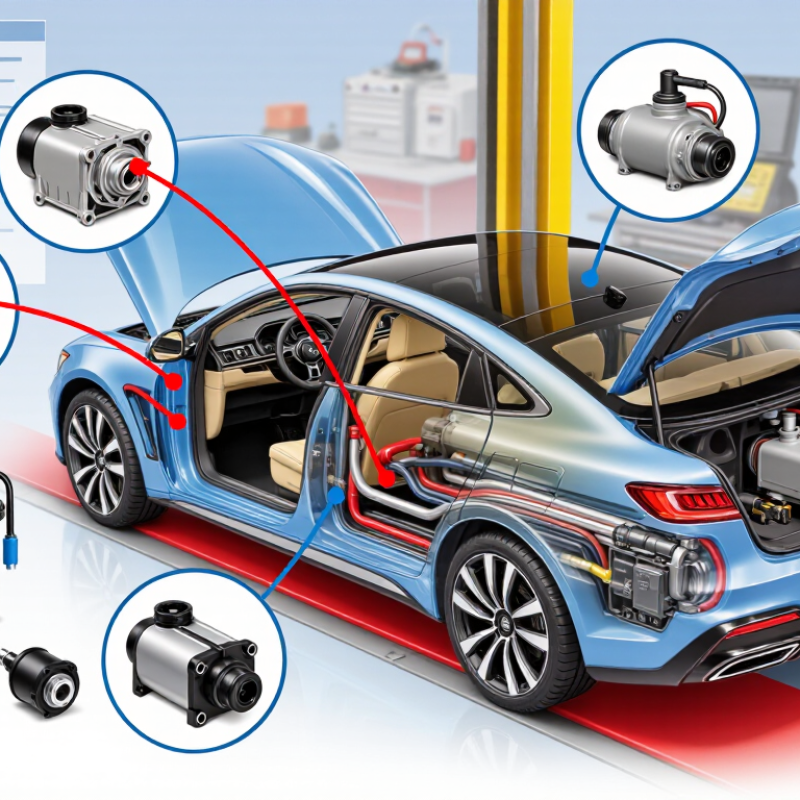
How to Choose the Right Fuel Pump for Your Vehicle

Understanding the Fuel Pump’s Role and Main Types

A fuel pump moves fuel from the tank to the engine and maintains the pressure the fuel system needs. In many modern vehicles, an electric pump sits inside the tank, where fuel also helps cool it. Older engines may use an engine-driven mechanical pump. Not interchangeable.

Direct-injection engines add another pump: a cam-driven high-pressure unit that raises fuel pressure at the engine. The U.S. Environmental Protection Agency’s Automotive Trends Report found gasoline direct injection in about 57% of new light-duty vehicles in model year 2022. That shift matters when replacing a pump; matching only the connector or physical size can miss the required pressure and flow.

Check the vehicle’s engine code, fuel-system design, and specified pressure before choosing a replacement. A port-injection system and a direct-injection system can use different pump arrangements, even in similar-looking vehicles. Pressure is not the whole story. Wiring, tank shape, fuel level sensing, and filter placement also affect fit. It is easy to focus on the pump itself and overlook the assembly around it.

U.S. EPA, Automotive Trends Report, 2023.

Identifying Your Vehicle’s Fuel System Requirements

A suitable fuel pump must match the vehicle’s fuel system, not just its engine size. Check the owner’s manual or repair information for the specified pressure and flow rate. A port-injection system and a direct-injection system can require very different operating pressures. Small details matter. Also identify whether the vehicle uses a return-style or returnless system, since the regulator arrangement affects pump selection.

Inspect the pump’s electrical connector, mounting shape, and fuel-line fittings before ordering. Confirm that its materials are compatible with the fuel your vehicle uses. If the engine has been modified, its demand may exceed the factory pump’s capacity, even when the original pump still fits. Do not guess. Catalog listings can be incomplete, and a part described as compatible may not meet the exact pressure requirement. Compare specifications with reliable service data, and ask a qualified technician to verify uncertain measurements. A pressure reading taken under load can reveal problems that an idle check misses. That extra check takes time, but overlooking it can lead to poor performance or hard starting.

Matching Pump Specifications to Engine Needs

Matching a pump to an engine starts with fuel demand, not the largest flow number on a box. Estimate peak horsepower and use the engine builder’s brake-specific fuel consumption figure. Forced-induction engines generally need more fuel per horsepower than naturally aspirated engines. Check pump flow at the system’s actual pressure, not just its free-flow rating. Output can drop as pressure rises. Measure voltage at the pump terminals, too; wiring losses can quietly reduce delivery. Small detail, big consequence.

Fuel choice changes the calculation. The U.S. Department of Energy’s Alternative Fuels Data Center reports that E85 contains roughly 27% to 33% less energy per gallon than gasoline. An engine calibrated for E85 may therefore require substantially greater fuel volume. Choose a pump rated for the intended fuel, pressure, and continuous duty, then verify injector capacity and regulator range. A pump cannot compensate for undersized injectors. Leave measured headroom for hot fuel, filter restriction, and voltage variation, but avoid oversizing blindly; excess flow can add heat in some return-style systems. Compare the pump’s performance curve with vehicle service data, then check pressure under load. Road testing is imperfect. Temperature and fuel level can change the results.

How to Choose the Right Fuel Pump for Your Vehicle

Match pump flow to engine power and fuel type, checking delivery at your vehicle’s actual operating pressure.

These are planning estimates for gasoline engines, calculated using typical brake-specific fuel consumption assumptions of 0.50 lb/hp·hr for naturally aspirated engines and 0.60 lb/hp·hr for boosted engines, with a 10% flow margin. Actual needs vary with engine tuning, fuel, and system pressure. Select a pump using its flow rating at your required pressure—not its free-flow rating—and confirm compatibility with the vehicle’s electrical and fuel systems.

Comparing Compatibility, Quality, and Operating Conditions

How to Choose the Right Fuel Pump for Your Vehicle

Compatibility is more than matching a vehicle’s year and model. Check the service manual for the required pressure, flow rate, voltage, and pump configuration. Some vehicles use a pump module that also contains the fuel-level sender. Connector shape and mounting depth matter, too. A pump that fits the opening may still deliver the wrong pressure. Verify the part against the engine and original equipment specifications, not just a broad online listing.

Quality shows in the details. Look for clear specifications, durable seals, corrosion-resistant materials, and reliable electrical connections. A strong pump cannot compensate for a clogged filter or contaminated tank. During replacement, inspect the wiring and clean the tank area carefully. Small debris can cause trouble. Fitment charts are useful, but they can be incomplete; comparing connector photos and measurements is a sensible extra check. When specifications conflict, pause and ask a qualified technician rather than guessing.

Operating conditions affect the choice. A vehicle used for towing or frequent heavy loads may need a pump that meets the manufacturer’s flow requirements under sustained demand. Heat, low fuel levels, and restricted filters can also increase pump strain. Avoid choosing a higher-flow unit without confirming compatibility with the engine and fuel system. More capacity is not automatically better. If symptoms such as hard starting or power loss appear, test fuel pressure before replacing parts; those signs can have other causes.

Verifying Fitment and Installation Requirements

Fitment starts with the exact vehicle configuration, not just its model name. Check the year, engine, fuel system, and any production-date notes in the service information. A vehicle may use different pump assemblies within the same model year. Small details matter. Compare the pump’s pressure and flow requirements, electrical connector, mounting points, and fuel-line connections with the original unit. If the pump is part of a larger module, confirm that the sender and sealing ring are included or compatible. A similar-looking connector is not proof of a match.

Installation requirements deserve the same care. Read the vehicle’s repair procedure before ordering, and note whether the tank must be lowered or accessed through a service panel. Confirm that the replacement fits the tank opening and that the wiring reaches without tension. Do not guess. Use the specified seal, and inspect the connector and nearby hoses for wear while access is available. Work in a well-ventilated area, relieve fuel pressure as directed, and disconnect the battery according to the service manual. It is easy to focus only on the pump itself; I would still double-check the small fittings, because one overlooked mismatch can turn a straightforward repair into a frustrating delay.

Copyright 2025 Fluidra S.A. | Created by BCM Marketing Agencia Privacy Policy Legal note | Cookie policy |

Technical cookies are strictly necessary for our website to work and you can navigate through it. These types of cookies are those that, for example, allow us to identify you, give you access to certain restricted parts of the page if necessary, or remember different options or services already selected by you, such as your privacy preferences. Therefore, they are activated by default, your authorization not being necessary in this regard. Through the configuration of your browser, you can block or alert the presence of this type of cookies, although such blocking will affect the proper functioning of the different functionalities of our website.


The analysis cookies allow us to study the navigation of the users of our website in general (for example, which sections of the page are the most visited, which services are used most and if they work correctly, etc.). From the statistical information on navigation on our website, we can improve both the operation of the page itself and the different services it offers. Therefore, these cookies do not have an advertising purpose, but only serve to make our website work better, adapting to our users in general. By activating them you will contribute to this continuous improvement. You can enable or disable these cookies by checking the corresponding box, being disabled by default.


Functionality cookies allow us to remember your preferences, to personalize certain characteristics and general options of our website, every time you access it (for example, the language in which the information is presented to you, the sections marked as favorites, your browser type, etc.) Therefore, this type of cookies does not have an advertising purpose, but by activating them you will improve the functionality of the website (for example, adapting to your type of browser) and the customization of it based on your preferences (for example, by presenting the information in the language that you have chosen in previous occasions), which will contribute to the ease, usability and comfort of our page during your navigation. You can enable or disable these cookies by checking the corresponding box, being disabled by default.


Advertising cookies allow us to manage the advertising spaces included in our website based on criteria such as the content shown or the frequency in which the ads are displayed. For example, if you have been shown the same ad several times on our website, and you have not shown a personal interest by clicking on it, it will not appear again. In summary, by activating this type of cookies, the advertising shown on our website will be more useful and diverse, and less repetitive. You can enable or disable these cookies by checking the corresponding box, being disabled by default.


Behavioral advertising cookies allow us to obtain information based on the observation of your browsing habits and behaviors on the web, in order to show you advertising content that best suits your personal tastes and interests. To understand it in a very simple way, we will give you a fictitious example: if your last searches on the web were related to suspense literature, we would show you advertising about suspense books. Therefore, activating this type of cookies, the advertising that we show you on our website will not be generic, but will be oriented to your searches, tastes and interests, therefore adjusting exclusively to you. You can enable or disable these cookies by checking the corresponding box, being disabled by default.
To understand it in a very simple way, we will give you a fictitious example: if your last searches on the web were related to suspense literature, we would show you advertising about suspense books. Therefore, activating this type of cookies, the advertising that we show you on our website will not be generic, but will be oriented to your searches, tastes and interests, therefore adjusting exclusively to you. You can enable or disable these cookies by checking the corresponding box, being disabled by default.

SAVE

We use our own and third-party cookies to ensure the proper functioning of the website and to analyse our services, improve your experience on our website and show you advertisements related to your interests according to profiling based on your browsing habits (e.g. websites visited). You can accept all cookies by clicking "ACCEPT" or set or reject them by clicking here. If you would like to know more about the use of cookies, please see our COOKIE POLICY.


ACCEPT ALL
Reject no essentials


