
How to Choose the Right Flange Pipe for Your Project?
FLUID HANDLING EXPERTS

Blog, all our news

How to Choose the Right Flange Pipe for Your Project?

Choosing the right Flange Pipe begins with understanding the job it must perform. A line carrying cool water through a quiet plant has different demands from one exposed to heat, vibration, or corrosive fluid. The flange must match the pipe size, pressure class, material, facing, and connection method. A mismatch may look small on a drawing, yet create leaks, difficult maintenance, or costly replacement later.

“[Insert a verified flange-piping expert’s name]” is not included here because no source or confirmed quotation was provided. Rather than invent an expert or attribute unsupported words to a real person, this guide uses a practical selection principle: “Match the flange to the service conditions, not just the pipe dimensions.” Verify any named quotation before publication. This matters. Technical advice needs a traceable source.

The sections ahead examine operating pressure and temperature, pipe and flange materials, flange types, standards, and installation needs. They also show what to check on a specification sheet, from nominal pipe size to bolt pattern and gasket face. A useful detail is often easy to miss: the same nominal size does not guarantee the same pressure rating or compatibility. Field experience helps, but it can also breed assumptions. Check the drawings, confirm the fluid and service conditions, and ask the supplier to clarify unclear specifications before ordering.
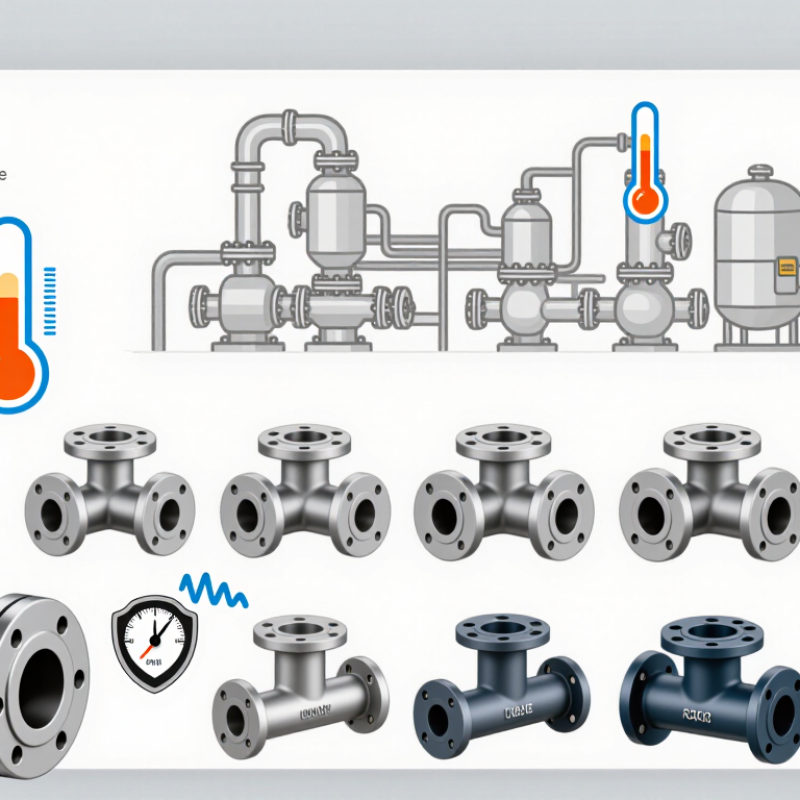
How to Choose the Right Flange Pipe for Your Project?

Define Your Project’s Operating Requirements

Start by defining what the line will carry and how it will operate. Record the fluid, normal and peak pressure, temperature range, flow conditions, and any start-stop cycles. Include cleaning chemicals or washdown exposure; these details can affect material and gasket choices. Pressure alone is not enough. Check whether pressure surges, vacuum, vibration, or outdoor temperature swings are expected.

Compare the required flange standard, nominal size, facing, and pressure-temperature rating with the mating equipment. A flange can fit the pipe yet mismatch a valve or pump face. Check corrosion risks, line loads, support spacing, and room for bolt installation. Use drawings and measured field dimensions, then have a qualified engineer verify the selection against the system design. Measurements in existing lines are not always neat; record uncertainty instead of guessing. That pause can prevent leaks and rework.

Tips: Keep a duty sheet listing fluid, pressure, temperature, cycles, material constraints, and mating-flange details. Share it with the supplier or engineer before ordering. Mark unknown values for confirmation; do not treat estimates as design limits.

Choose a Flange Type for the Connection

How to Choose the Right Flange Pipe for Your Project?

Choose a Flange Type for the Connection

Choose the flange by considering how the pipe will be joined, inspected, and maintained. A weld-neck flange provides a gradual transition from pipe to flange, making it suitable for demanding pressure or temperature conditions. It needs skilled welding and enough room for installation. A slip-on flange is often simpler to fit, but its weld arrangement may not suit every service. For smaller pipes, socket-weld flanges can provide a compact connection. Threaded flanges avoid welding, though vibration and temperature changes deserve careful review. Fit matters.

Lap-joint flanges work with a stub end and allow easier alignment during assembly. They can be useful when frequent dismantling is expected, but the added components must match correctly. A blind flange closes a pipe end or equipment opening; check its pressure rating before specifying one. Small mismatch, big leak. Confirm the flange face, dimensions, bolt pattern, gasket, and material against the mating equipment and project requirements. Also check operating pressure, temperature, fluid, and maintenance access. I would not choose by installation convenience alone; that shortcut can seem reasonable until the joint is difficult to inspect or service. When conditions are uncertain, have the connection reviewed against the applicable piping specification by a qualified engineer.

Match the Flange Material to the Service Conditions

How to Choose the Right Flange Pipe for Your Project?

Match the Flange Material to the Service Conditions

A flange must suit the fluid, temperature, pressure, and surrounding environment. Carbon steel can work well in many non-corrosive systems, but moisture or chemicals may cause trouble. Stainless steel offers better corrosion resistance in many applications, while duplex grades may suit chloride-rich service. No material is best everywhere.

The stakes are real. NACE International’s 2016 IMPACT study estimated corrosion costs at $2.5 trillion worldwide in 2013, or 3.4% of global GDP. That figure covers many industries, not flanges alone, but it shows why corrosion control deserves attention. Check process chemistry, operating temperature, pressure cycles, and cleaning agents against applicable material data. Also verify compatibility among the flange, pipe, bolts, and gasket. A resistant flange can still fail if a mating component corrodes or creates a galvanic couple. Field conditions can be messy; specifications do not always capture every shutdown or washdown.

Tips: Confirm the actual fluid concentration and temperature, not just the normal operating values. Review the project’s material specification and consult a qualified engineer when conditions are uncertain. Leave room for doubt. A material choice that looks obvious on paper may need a second check.

Confirm Pressure Ratings, Dimensions, and Standards

Choosing a flange starts with conditions at the pipe, not the label on a drawing. Record design pressure, operating temperature, fluid, pipe schedule, and material; pressure class alone does not determine allowable pressure. ASME B16.5-2020 covers NPS 1/2 through NPS 24 and seven pressure classes, from Class 150 to Class 2500. Its pressure-temperature tables set limits according to material group and temperature. Check the exact table entry. Hot service can reduce allowable pressure. Small detail, big consequence.

Dimensions need equal care. Match nominal pipe size, flange outside diameter, thickness, bolt-circle diameter, hole count, facing, and bore. Two 4-inch flanges may still be incompatible if their classes or standards differ. ASME B16.5 covers smaller sizes, while ASME B16.47 covers large-diameter flanges from NPS 26 through NPS 60. Verify gasket type and bolt length against the mating flange and joint design. A tape measure helps, but it cannot confirm a pressure class.

Use the project specification to confirm the governing standard and edition, then compare the supplier’s drawing and material certificate with it. Check corrosion allowance, cyclic loads, and temperature excursions with the piping engineer. Mixed-standard tie-ins deserve extra scrutiny; a bolt pattern that nearly fits is not a fit. Document the selected class, material, facing, and rating at design temperature before ordering. This can prevent an expensive field surprise, though operating data may still be incomplete.

Evaluate Installation, Maintenance, and Lifecycle Costs

Choosing a flange pipe requires more than comparing purchase prices. Installation costs often depend on access, alignment, and lifting needs. A heavy flange may require extra handling equipment, while tight spaces can slow bolt tightening. Check the mating flange standard, pressure rating, temperature range, and pipe material before ordering. Small mismatches can cause rework. Measure twice.

Include gasket type, bolt grade, and tightening method in installation planning. Uneven bolt loads can cause leaks, even when parts appear correct. Leave room for inspection tools and future replacement. In damp or corrosive service, material compatibility matters; a cheaper option may need more frequent checks or protective measures. Field conditions rarely match drawings perfectly. They can surprise you.

Compare lifecycle costs over the expected service period, not just the initial cost. Estimate labor, replacement parts, inspection frequency, leakage losses, and downtime during repairs. For critical lines, a short outage can outweigh a modest price difference. Use maintenance records from similar systems when available, and ask technicians how often joints need attention. Estimates aren’t exact. Document assumptions and revisit them after commissioning.

Copyright 2025 Fluidra S.A. | Created by BCM Marketing Agencia Privacy Policy Legal note | Cookie policy |

Technical cookies are strictly necessary for our website to work and you can navigate through it. These types of cookies are those that, for example, allow us to identify you, give you access to certain restricted parts of the page if necessary, or remember different options or services already selected by you, such as your privacy preferences. Therefore, they are activated by default, your authorization not being necessary in this regard. Through the configuration of your browser, you can block or alert the presence of this type of cookies, although such blocking will affect the proper functioning of the different functionalities of our website.


The analysis cookies allow us to study the navigation of the users of our website in general (for example, which sections of the page are the most visited, which services are used most and if they work correctly, etc.). From the statistical information on navigation on our website, we can improve both the operation of the page itself and the different services it offers. Therefore, these cookies do not have an advertising purpose, but only serve to make our website work better, adapting to our users in general. By activating them you will contribute to this continuous improvement. You can enable or disable these cookies by checking the corresponding box, being disabled by default.


Functionality cookies allow us to remember your preferences, to personalize certain characteristics and general options of our website, every time you access it (for example, the language in which the information is presented to you, the sections marked as favorites, your browser type, etc.) Therefore, this type of cookies does not have an advertising purpose, but by activating them you will improve the functionality of the website (for example, adapting to your type of browser) and the customization of it based on your preferences (for example, by presenting the information in the language that you have chosen in previous occasions), which will contribute to the ease, usability and comfort of our page during your navigation. You can enable or disable these cookies by checking the corresponding box, being disabled by default.


Advertising cookies allow us to manage the advertising spaces included in our website based on criteria such as the content shown or the frequency in which the ads are displayed. For example, if you have been shown the same ad several times on our website, and you have not shown a personal interest by clicking on it, it will not appear again. In summary, by activating this type of cookies, the advertising shown on our website will be more useful and diverse, and less repetitive. You can enable or disable these cookies by checking the corresponding box, being disabled by default.


Behavioral advertising cookies allow us to obtain information based on the observation of your browsing habits and behaviors on the web, in order to show you advertising content that best suits your personal tastes and interests. To understand it in a very simple way, we will give you a fictitious example: if your last searches on the web were related to suspense literature, we would show you advertising about suspense books. Therefore, activating this type of cookies, the advertising that we show you on our website will not be generic, but will be oriented to your searches, tastes and interests, therefore adjusting exclusively to you. You can enable or disable these cookies by checking the corresponding box, being disabled by default.
To understand it in a very simple way, we will give you a fictitious example: if your last searches on the web were related to suspense literature, we would show you advertising about suspense books. Therefore, activating this type of cookies, the advertising that we show you on our website will not be generic, but will be oriented to your searches, tastes and interests, therefore adjusting exclusively to you. You can enable or disable these cookies by checking the corresponding box, being disabled by default.

SAVE

We use our own and third-party cookies to ensure the proper functioning of the website and to analyse our services, improve your experience on our website and show you advertisements related to your interests according to profiling based on your browsing habits (e.g. websites visited). You can accept all cookies by clicking "ACCEPT" or set or reject them by clicking here. If you would like to know more about the use of cookies, please see our COOKIE POLICY.


ACCEPT ALL
Reject no essentials


