
Choosing the right Flame Arrester is critical for safety in various industries. According to a recent report by the National Fire Protection Association (NFPA), improper use of flame arresters can lead to up to 20% of industrial fire incidents. The right flame arrester can prevent the propagation of flames and protect equipment, ensuring a safer work environment.
Flame arresters come in various designs to suit different applications. Their efficiency is influenced by factors such as gas type, pressure, and temperature. In 2021, a study showed that 65% of fires attributed to flammable vapors occurred due to unsuitable flame arresters. Thus, assessing operational conditions and seeking expert advice is crucial.
Understanding your specific needs will help in selecting the most effective flame arrester. Factors like installation location and surrounding environment must not be overlooked. Ensuring that your chosen solution meets industry standards is equally important. Reflecting on past incidents can also provide insight into making better choices.
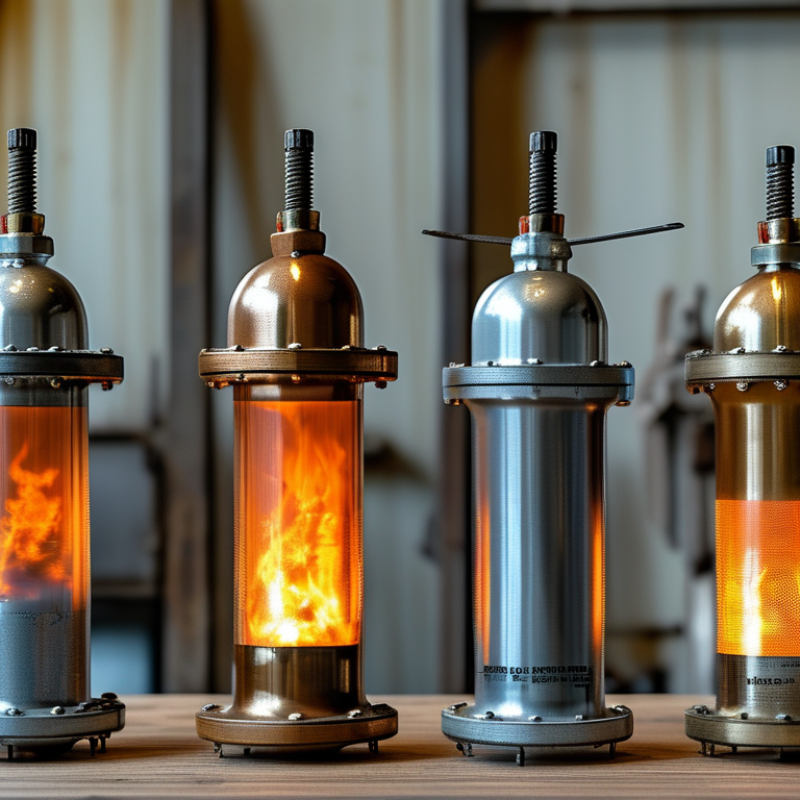
Flame arresters are essential safety devices designed to prevent the spread of fire and explosions in various applications. Understanding their purpose is key for proper selection. These devices work by cooling and quenching flames, allowing gases to pass through while blocking any potential fire threats. It is vital to consider the environment where the flame arrester will be installed. Factors such as temperature, pressure, and type of gas play a significant role in the effectiveness of the device.
When choosing the right flame arrester, you also need to think about the design and material. Different shapes, such as cylindrical or basket types, may be more suitable for certain situations. Material durability against corrosive substances is a critical aspect to evaluate. Many forget that improper installation or inadequate maintenance can compromise safety. It’s crucial to regularly inspect these devices to ensure they are functioning correctly. Ignoring these aspects can lead to serious risks. Understanding these functions helps in making an informed decision when selecting flame arresters for specific needs.

This chart compares the effectiveness of different types of flame arresters based on their flow rates and application suitability.
When selecting the right flame arrester, understanding different types and their applications is crucial. Flame arresters come in various forms, including deflagration and detonation arresters. Deflagration arresters are typically used in applications involving low-speed explosions, such as in vent lines from storage tanks. According to industry reports, these are effective in gas storage facilities, reducing potential hazards significantly.
Detonation arresters, on the other hand, cater to high-speed pressures found in pipelines. They alleviate risks in areas with a higher chance of flame propagation. The 2022 safety study published by the Chemical Safety Board emphasizes that using the right type of arrester can lower explosion risks by more than 40%. A notable example is in petrochemical production, where implementing the correct detonation arrester has shown to enhance safety protocols.
Beyond the technical specifications, selecting a flame arrester also involves understanding the environment it operates in. Factors such as temperature, pressure, and the specific chemicals involved play vital roles. While guidelines exist, many facilities still face challenges in effectively choosing the right model. Perform thorough assessments and seek expert opinions, as errors in selection can lead to severe consequences.
When selecting a flame arrester, several factors come into play. One key aspect is the type of environment where the arrester will be used. Consider whether you need a model for a high-pressure setting or a low-explosion risk area. The material of the arrester is also critical. Stainless steel offers durability, while aluminum provides lightweight options. Each material has its own pros and cons in terms of corrosiveness and wear over time.
Another important factor is the operational parameters. You must assess the flow rates and mediums involved. This ensures the arrester can handle your specific conditions without failure. Many users overlook this aspect, leading to inefficiencies. Compatibility with existing systems is crucial. An arrester that doesn't integrate well could result in costly modifications.
Finally, ease of maintenance can significantly impact your decision. Those who underestimate maintenance needs may face challenges later. While many flame arresters have low upkeep requirements, some might need frequent checks. Take time to review these factors carefully. Making an informed choice leads to safer operations and minimizes the risk of fire hazards.
When it comes to flame arresters, proper installation is crucial for safety. Position the arrester away from direct heat sources. Ensure it is in line with the flow of flammable gases. A tight seal around the connections is essential. Leakage can compromise the effectiveness of the arrester. Regular checks for signs of wear or damage can prevent dangerous situations.
Maintenance should be systematic and frequent. Clean the arrester as recommended by the manufacturer. Dust and debris can obstruct function. It is often overlooked, yet vital. A visual inspection every few months can reveal potential issues. Pay attention to rust or corrosion. These can indicate a need for replacement. Documenting maintenance activities helps maintain reliability.
Effective operation relies on understanding limitations. Flame arresters work within specific pressure and temperature ranges. Exceeding these limits can lead to failure. Users must educate themselves about the specific requirements of their systems. Seek input from experts when unsure. Sometimes, a minor oversight can result in major consequences. Always prioritize safety in your decisions.
| Type of Flame Arrester | Application | Material | Installation Location | Maintenance Frequency |
|---|---|---|---|---|
| Deflagration Arrester | Ventilation systems | Stainless Steel | Exhaust pipes | Quarterly |
| Detonation Arrester | Storage tanks | Carbon Steel | Piping systems | Monthly |
| Flame Arrestor for Liquid Systems | Chemical processing | Aluminum Alloy | Near pumps | Biannual |
| High-Pressure Flame Arrester | Gas systems | Bronze | Gas transport lines | Annually |
When selecting a flame arrester, understanding regulatory standards is crucial. Many industries operate under strict compliance guidelines. These standards ensure that flame arresters function effectively in preventing explosions or fire spread. Common standards include those from organizations like the National Fire Protection Association (NFPA) and the American National Standards Institute (ANSI). Familiarity with these standards helps in choosing a suitable arrester.
Design specifications may vary based on application. For instance, gas handling systems require different features than those used in vapor control. Evaluating the environment where the arrester will be installed is essential. Factors such as temperature, pressure, and chemical compatibility play a significant role. Regular assessments and inspections can reveal whether the chosen arrester meets ongoing compliance.
Documentation is another key aspect. Maintain records of compliance certifications and testing results. This can ease the process during audits or safety inspections. However, relying solely on documentation may overlook real-world performance issues. Continuous monitoring and feedback loops can help improve decision-making. Balancing regulatory compliance with practical application ensures the right flame arrester is chosen for specific needs.

Cepex is the brand for the fluid handling market belonging to the Fluidra group. One of the leading european manufacturer of valves and fittings in thermoplastic materials.
Dedicated to the swimming pool, irrigation and industrial markets, we distribute our products worldwide with the Fluidra commercial network and presence in 46 countries with 136 sales branches.


