
How to Choose the Best Geyser Pressure Valve in 2026?
FLUID HANDLING EXPERTS

Blog, all our news

How to Choose the Best Geyser Pressure Valve in 2026?

Choosing the best Geyser Pressure Valve in 2026 is less about finding the most expensive option and more about matching the valve to your water heater. The right choice depends on the geyser’s model, operating pressure, connection size, and manufacturer’s specifications. A valve that looks similar may still have a different pressure rating. Small details matter.

This guide explains what to check before buying, including the valve’s rated pressure, materials, product documentation, and compatibility with your system. It also covers warning signs, such as leaking, corrosion, or repeated discharge. Some water release can occur during normal operation, so appearance alone is not a reliable diagnosis. Check the manual.

Price is easy to compare. Suitability takes more care. A dependable Geyser Pressure Valve should meet the geyser manufacturer’s requirements and applicable local standards. Avoid choosing by appearance or fitting size alone. If the specifications are unclear, ask the manufacturer or a qualified plumber to confirm the match. A wrong assumption here can be costly.

Installation and replacement involve pressure and hot water. Follow the product instructions, and use a qualified professional when needed. This overview offers practical selection guidance, not a substitute for inspection of your actual system. Even careful buyers can overlook a detail. Pause, check the rating, and verify compatibility before you decide.
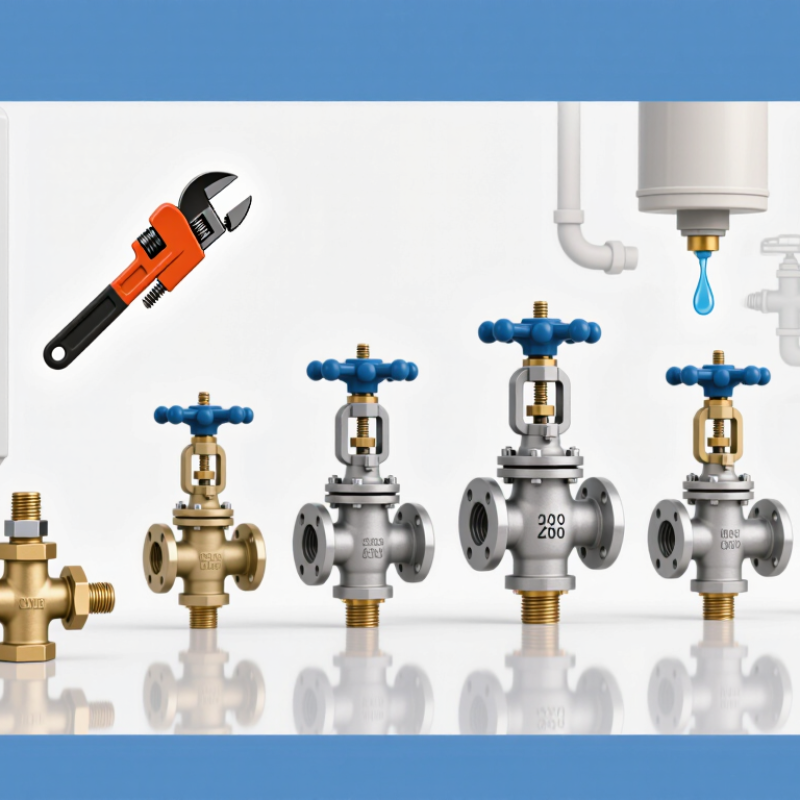
How to Choose the Best Geyser Pressure Valve in 2026?

Understanding the Role of a Geyser Pressure Valve

How to Choose the Best Geyser Pressure Valve in 2026?

Understanding the Role of a Geyser Pressure Valve

A geyser pressure valve helps prevent excessive pressure from damaging the storage tank. In combination temperature-and-pressure valves, heat and pressure can both trigger discharge. ANSI Z21.22/CSA 4.4 sets performance requirements for these valves. Many residential storage heaters use a 150 psi pressure rating and a 210°F temperature rating, but the appliance nameplate and local specifications must guide selection. The numbers matter.

During heating, water expands. A small discharge can occur as pressure rises, but ongoing dripping deserves attention. It may indicate thermal expansion, excessive supply pressure, or a worn valve. Replacing the valve without checking the cause can leave the real problem untouched. That is easy to miss.

Check that the valve’s pressure and temperature ratings match the geyser. Its discharge pipe should remain unobstructed and direct hot water safely away from people. Never cap or plug it. A qualified plumbing professional can verify system pressure, expansion-control needs, and installation details against the manufacturer’s instructions and applicable plumbing code. A valve that fits the thread may still be unsuitable.

Identifying the Valve Type and Pressure Rating You Need

How to Choose the Best Geyser Pressure Valve in 2026?

Start by identifying the valve’s job. A pressure-reducing valve controls high incoming supply pressure; a temperature-and-pressure relief valve protects the geyser if pressure or temperature becomes unsafe. Some systems also need an expansion-control valve. These parts are not interchangeable. Check the geyser’s data plate for its maximum working pressure, then compare it with the valve’s stamped pressure rating. ANSI Z21.22/CSA 4.4 covers temperature-and-pressure relief valves. In many US residential applications, common ratings are 150 psi and 210°F, but these are not universal settings. Follow the appliance specifications and local plumbing requirements.

Tips: Read the tank label before buying. Match the valve connection and discharge capacity, too. A relief valve’s pressure setting must not exceed the tank’s permitted working pressure. Its rated capacity should meet or exceed the heater’s input rating. If the label is missing, pause and ask a qualified plumber; guessing is a poor shortcut.

For a pressure-reducing valve, measure inlet pressure with a suitable gauge, ideally during peak household use. Choose a model rated for the measured pressure and the required outlet range. Installation details matter: a blocked or undersized discharge pipe can undermine a correctly selected relief valve. I would recheck the label and measurements, even when a replacement appears identical.

Example Geyser Pressure-Relief Valve Ratings

The chart compares example pressure-relief settings: 1 bar equals 100 kPa, or approximately 14.5 psi. These values are comparison points, not a universal standard or a recommendation for every geyser. Choose a pressure-reducing valve to control incoming supply pressure; use the specified temperature-and-pressure relief valve to protect the heater. Always match the relief setting to the geyser’s marked maximum working pressure and follow the manufacturer’s instructions and local plumbing regulations.

Matching Valve Materials and Connections to Your Geyser

A geyser pressure valve must suit both the water conditions and the heater’s specified pressure and temperature. Brass is common, but the right choice depends on water quality and the valve’s stated service rating. In areas with aggressive or mineral-rich water, check corrosion compatibility rather than assuming a heavier-looking metal will last longer. The valve should also be approved for hot-water use. Fit matters.

Match the inlet thread, nominal size, and connection standard to the geyser. BSP and NPT threads can look similar, but their profiles differ; forcing one into the other can damage the fitting or cause leaks. Never force threads. Check the heater manual and valve markings, and confirm that the discharge outlet can connect to a suitable drain line without obstruction. A neat fit is not enough if the outlet is blocked.

Before installation, compare the valve’s pressure rating with the geyser’s specification; do not choose a higher rating just because it is available. A small mismatch can matter. Water chemistry, thread seal methods, and local plumbing practice also affect the final choice, so a qualified installer can verify uncertain fittings. It is easy to overlook the thread standard when replacing an old valve, especially if corrosion hides its markings.

Comparing Safety Standards, Durability, and Compatibility

A geyser pressure valve is a safety component, not a cosmetic upgrade. Check its certification against the standards and requirements that apply where the heater is installed. The valve’s pressure and temperature ratings must match the heater maker’s specifications. A familiar-looking stamp alone is not enough; confirm what it certifies. Small details matter.


Durability depends on more than a heavy body or shiny finish. Water with high mineral content can leave scale around the valve seat, while corrosion may weaken unsuitable materials. Look for clear material specifications and follow the manufacturer’s inspection schedule. A slow drip, crusty deposits, or a valve that fails to operate as specified deserves prompt attention from a qualified technician. Looks are not proof. Even a well-made valve can wear out early in harsh water conditions.


Compatibility is equally important. Compare the connection size and thread type, pressure setting, temperature rating, and installation orientation with the heater’s documentation. The discharge outlet also needs a suitable, unobstructed route; it should not be capped or reduced in a way the instructions prohibit. If a replacement seems to fit but its rating differs, do not assume it is close enough. These checks can feel fussy, and labels are not always easy to interpret, so verify uncertain details with the heater manufacturer or a qualified installer before purchasing.

Checking Installation Requirements and Maintenance Needs

How to Choose the Best Geyser Pressure Valve in 2026?
Checking Installation Requirements and Maintenance Needs

Choose a valve that matches the geyser’s rated pressure, temperature, connection size, and the manufacturer’s specifications. A 150 psi pressure setting is common for residential temperature-and-pressure relief valves, but it is not universal. Check the tank label before buying. The 2021 International Plumbing Code, Section 504.6, also sets requirements for relief-valve discharge piping, including matching the valve outlet size and avoiding trapped sections. A correct valve can still be unsafe if its discharge pipe is poorly routed.

Plan for inspection access before installation. The valve should be visible, reachable, and connected to a safe discharge point; don’t cap or obstruct the pipe. Follow the geyser manual for inspection and testing intervals, since procedures vary by model. The U.S. Department of Energy estimates that water heating accounts for about 18% of household energy use, a reminder that the system deserves routine attention—not just repairs after a leak. Even experienced installers can overlook the drain route. Give it a second look.

Tips: Check the rating plate, inspect for corrosion or drips, and keep the outlet clear. Test the lever only as directed by the manufacturer; hot discharge can cause burns. If the valve leaks or the pipe is blocked, have a qualified plumber assess it.

Copyright 2025 Fluidra S.A. | Created by BCM Marketing Agencia Privacy Policy Legal note | Cookie policy |

Technical cookies are strictly necessary for our website to work and you can navigate through it. These types of cookies are those that, for example, allow us to identify you, give you access to certain restricted parts of the page if necessary, or remember different options or services already selected by you, such as your privacy preferences. Therefore, they are activated by default, your authorization not being necessary in this regard. Through the configuration of your browser, you can block or alert the presence of this type of cookies, although such blocking will affect the proper functioning of the different functionalities of our website.


The analysis cookies allow us to study the navigation of the users of our website in general (for example, which sections of the page are the most visited, which services are used most and if they work correctly, etc.). From the statistical information on navigation on our website, we can improve both the operation of the page itself and the different services it offers. Therefore, these cookies do not have an advertising purpose, but only serve to make our website work better, adapting to our users in general. By activating them you will contribute to this continuous improvement. You can enable or disable these cookies by checking the corresponding box, being disabled by default.


Functionality cookies allow us to remember your preferences, to personalize certain characteristics and general options of our website, every time you access it (for example, the language in which the information is presented to you, the sections marked as favorites, your browser type, etc.) Therefore, this type of cookies does not have an advertising purpose, but by activating them you will improve the functionality of the website (for example, adapting to your type of browser) and the customization of it based on your preferences (for example, by presenting the information in the language that you have chosen in previous occasions), which will contribute to the ease, usability and comfort of our page during your navigation. You can enable or disable these cookies by checking the corresponding box, being disabled by default.


Advertising cookies allow us to manage the advertising spaces included in our website based on criteria such as the content shown or the frequency in which the ads are displayed. For example, if you have been shown the same ad several times on our website, and you have not shown a personal interest by clicking on it, it will not appear again. In summary, by activating this type of cookies, the advertising shown on our website will be more useful and diverse, and less repetitive. You can enable or disable these cookies by checking the corresponding box, being disabled by default.


Behavioral advertising cookies allow us to obtain information based on the observation of your browsing habits and behaviors on the web, in order to show you advertising content that best suits your personal tastes and interests. To understand it in a very simple way, we will give you a fictitious example: if your last searches on the web were related to suspense literature, we would show you advertising about suspense books. Therefore, activating this type of cookies, the advertising that we show you on our website will not be generic, but will be oriented to your searches, tastes and interests, therefore adjusting exclusively to you. You can enable or disable these cookies by checking the corresponding box, being disabled by default.
To understand it in a very simple way, we will give you a fictitious example: if your last searches on the web were related to suspense literature, we would show you advertising about suspense books. Therefore, activating this type of cookies, the advertising that we show you on our website will not be generic, but will be oriented to your searches, tastes and interests, therefore adjusting exclusively to you. You can enable or disable these cookies by checking the corresponding box, being disabled by default.

SAVE

We use our own and third-party cookies to ensure the proper functioning of the website and to analyse our services, improve your experience on our website and show you advertisements related to your interests according to profiling based on your browsing habits (e.g. websites visited). You can accept all cookies by clicking "ACCEPT" or set or reject them by clicking here. If you would like to know more about the use of cookies, please see our COOKIE POLICY.


ACCEPT ALL
Reject no essentials


