
How to Choose the Right Inlet Manifold Gasket for Your Needs?
FLUID HANDLING EXPERTS

Blog, all our news

How to Choose the Right Inlet Manifold Gasket for Your Needs?

Choosing the right inlet manifold gasket can be a daunting task. This component plays a vital role in your engine's performance. A poor choice can lead to leaks and reduced efficiency.

Consider the materials available for inlet manifold gaskets. Different types serve various applications. For instance, a rubber gasket may be suitable for lower-performance engines, while a composite gasket might be better for high-performance builds. It's essential to assess your vehicle’s needs.

Pay attention to manufacturer specifications and compatibility. Always opt for reputable brands. Some products may lack the quality assurance needed for reliable performance. When in doubt, consult an expert or a trusted auto parts retailer. Remember, the right inlet manifold gasket significantly impacts your engine's longevity and efficiency. Take your time in making this decision.
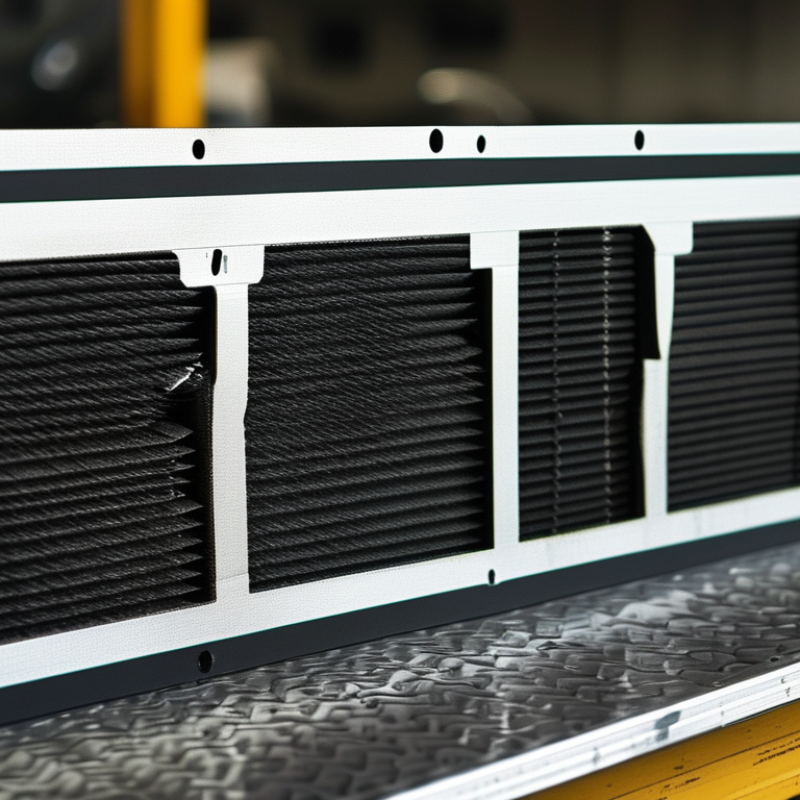
How to Choose the Right Inlet Manifold Gasket for Your Needs?

Types of Inlet Manifold Gaskets and Their Applications

When choosing an inlet manifold gasket, it's essential to understand the different types available. Each type serves a unique purpose and varies based on the engine's requirements. For instance, rubber gaskets are commonly found in various vehicles due to their affordability and decent sealing abilities. However, they can degrade over time, affecting performance.

Metal gaskets, on the other hand, provide a more permanent solution. They are excellent for high-performance engines, offering superior durability and heat resistance. Yet, they may require precise installation to avoid leaks. Composite gaskets combine materials to optimize performance, making them suitable for both everyday cars and specialized machinery.

It's crucial to consider the specific application when selecting a gasket. An incompatible gasket can lead to engine issues. For example, using a rubber gasket in a high-heat environment may cause it to fail prematurely. Evaluating engine specifications and operating conditions ensures better longevity and reliability of the gasket. Taking time to research the right option makes a significant difference in engine performance.

Factors to Consider When Selecting an Inlet Manifold Gasket

Choosing the right inlet manifold gasket involves careful consideration of several key factors. One essential aspect is material selection. Different materials, like rubber, silicone, or metal, offer varying durability and temperature resistance. For example, silicone gaskets are known for their high performance in extreme conditions. However, their lifespan may not be as long as that of a high-quality rubber gasket. You must weigh the pros and cons of each option.

Another crucial factor is compatibility with your engine model. An ill-fitting gasket can lead to leaks, which compromise engine performance. Understanding your engine's specifications is vital. Researching what other users have experienced with similar setups can provide valuable insights. Sometimes, it's beneficial to consult with professionals who have expertise in this area. They can guide you based on their hands-on experience.

Installation is often overlooked but is equally important. Ensure that you have the right tools and follow proper procedures. A poorly installed gasket can be just as problematic as selecting the wrong one. Take time to double-check measurements and alignment. Mistakes are common, and being detail-oriented can prevent future headaches. Ensuring proper sealing can significantly enhance your engine's performance and longevity.

Material Choices for Inlet Manifold Gaskets: Pros and Cons

When choosing an inlet manifold gasket, material selection can greatly impact performance and longevity. Common materials include rubber, cork, and silicone. Rubber gaskets offer decent flexibility and good sealing but may degrade faster under high temperatures. Cork provides a traditional approach and is often cost-effective. However, it can become brittle over time, leading to potential leaks.

Silicone gaskets are gaining popularity due to their high heat resistance and durability. They can withstand extreme temperatures without losing flexibility. Yet, they may not be as affordable as other options. Each material has its pros and cons, and the choice often depends on specific engine requirements and operating conditions.

Understanding these material traits is crucial. For instance, a racing engine might benefit from silicone gaskets, while a daily driver may find rubber sufficient. Balancing cost and performance is vital. Each choice demands careful consideration to ensure it meets your unique needs effectively.

How to Choose the Right Inlet Manifold Gasket for Your Needs?

Material Pros Cons Best Use Cases
Rubber Good chemical resistance, flexible, cost-effective. Limited temperature range, can degrade over time. Standard applications in moderate environments.
Silicone Excellent heat resistance, flexible, long lifespan. Higher cost, can be less durable under extreme conditions. High-performance and high-temperature applications.
Composite Strong resistance to pressure and temperature, lightweight. Can be expensive, specific manufacturing processes required. Racing and high-performance engines.
Metal Very durable, high-temperature resistant, can provide better sealing. Heavy, can corrode if not maintained, more expensive. Heavy machinery and performance-related applications.

Common Mistakes to Avoid When Choosing Inlet Manifold Gaskets

Choosing the right inlet manifold gasket is crucial for engine performance. Common mistakes often stem from overlooking specifics. One frequent error is relying on visual inspection alone. Many assume that worn gaskets look similar, but material variations can cause issues. For instance, rubber gaskets might fail under high temperatures but seem fine visually.

Quality control reports indicate that nearly 30% of engine failures arise from improper gasket selection. Buyers should be wary of generic options. Gaskets are not one-size-fits-all; they vary by material, thickness, and application. Choosing the wrong type can lead to leaks and reduced performance.

When selecting a gasket, consider your vehicle's specifications. Always consult the manufacturer’s guidelines. This ensures compatibility and durability. Testing and reviews from industry experts can provide insights. Engine professionals warn against assuming lower-priced gaskets equal savings. In the long run, they might lead to higher repair costs due to premature failure. Formulate your decision based on reliable data and expert recommendations.

Maintenance Tips for Inlet Manifold Gasket Longevity and Performance

Inlet manifold gaskets play a crucial role in engine performance. When maintaining these components, stress on sealing surfaces can lead to deterioration and failure. According to a study by the Automotive Engineering Society, improper installation can decrease gasket lifespan by up to 25%. Regular inspections are vital. Look for signs of oil leaks or coolant seepage around the manifold. Early detection can save significant repair costs.

Maintaining the right temperature also enhances gasket longevity. The ideal operating temperature for most vehicles is around 200°F (93°C). High temperatures can cause gaskets to warp or degrade. Use high-quality coolant to manage engine temperature effectively. The American Society of Mechanical Engineers reports that more than 30% of engine failures result from inadequate cooling.

Additionally, proper torque specifications during installation cannot be overlooked. Applying even pressure helps maintain the integrity of the gasket. Follow the manufacturer’s guidelines, but be aware that many recommend re-torqueing after initial installation. This extra step can prevent future leaks. Always consider the environment where the engine operates, as varying conditions can impact gasket performance.

Copyright 2025 Fluidra S.A. | Created by BCM Marketing Agencia Privacy Policy Legal note | Cookie policy |

Technical cookies are strictly necessary for our website to work and you can navigate through it. These types of cookies are those that, for example, allow us to identify you, give you access to certain restricted parts of the page if necessary, or remember different options or services already selected by you, such as your privacy preferences. Therefore, they are activated by default, your authorization not being necessary in this regard. Through the configuration of your browser, you can block or alert the presence of this type of cookies, although such blocking will affect the proper functioning of the different functionalities of our website.


The analysis cookies allow us to study the navigation of the users of our website in general (for example, which sections of the page are the most visited, which services are used most and if they work correctly, etc.). From the statistical information on navigation on our website, we can improve both the operation of the page itself and the different services it offers. Therefore, these cookies do not have an advertising purpose, but only serve to make our website work better, adapting to our users in general. By activating them you will contribute to this continuous improvement. You can enable or disable these cookies by checking the corresponding box, being disabled by default.


Functionality cookies allow us to remember your preferences, to personalize certain characteristics and general options of our website, every time you access it (for example, the language in which the information is presented to you, the sections marked as favorites, your browser type, etc.) Therefore, this type of cookies does not have an advertising purpose, but by activating them you will improve the functionality of the website (for example, adapting to your type of browser) and the customization of it based on your preferences (for example, by presenting the information in the language that you have chosen in previous occasions), which will contribute to the ease, usability and comfort of our page during your navigation. You can enable or disable these cookies by checking the corresponding box, being disabled by default.


Advertising cookies allow us to manage the advertising spaces included in our website based on criteria such as the content shown or the frequency in which the ads are displayed. For example, if you have been shown the same ad several times on our website, and you have not shown a personal interest by clicking on it, it will not appear again. In summary, by activating this type of cookies, the advertising shown on our website will be more useful and diverse, and less repetitive. You can enable or disable these cookies by checking the corresponding box, being disabled by default.


Behavioral advertising cookies allow us to obtain information based on the observation of your browsing habits and behaviors on the web, in order to show you advertising content that best suits your personal tastes and interests. To understand it in a very simple way, we will give you a fictitious example: if your last searches on the web were related to suspense literature, we would show you advertising about suspense books. Therefore, activating this type of cookies, the advertising that we show you on our website will not be generic, but will be oriented to your searches, tastes and interests, therefore adjusting exclusively to you. You can enable or disable these cookies by checking the corresponding box, being disabled by default.
To understand it in a very simple way, we will give you a fictitious example: if your last searches on the web were related to suspense literature, we would show you advertising about suspense books. Therefore, activating this type of cookies, the advertising that we show you on our website will not be generic, but will be oriented to your searches, tastes and interests, therefore adjusting exclusively to you. You can enable or disable these cookies by checking the corresponding box, being disabled by default.

SAVE

We use our own and third-party cookies to ensure the proper functioning of the website and to analyse our services, improve your experience on our website and show you advertisements related to your interests according to profiling based on your browsing habits (e.g. websites visited). You can accept all cookies by clicking "ACCEPT" or set or reject them by clicking here. If you would like to know more about the use of cookies, please see our COOKIE POLICY.


ACCEPT ALL
Reject no essentials


