
Why Choose Chemical Mechanical Seals for Your Industry Needs?
FLUID HANDLING EXPERTS

Blog, all our news

Why Choose Chemical Mechanical Seals for Your Industry Needs?

In today’s competitive industrial landscape, the choice of sealing solutions is critical. According to Dr. Emily Carter, a leading expert in sealing technology, “Chemical Mechanical Seals provide unmatched reliability and durability, ideal for various applications.” This statement underlines the importance of selecting the right seals for your operations.

Chemical Mechanical Seals have become a preferred choice across many industries due to their superior performance. They offer resistance to harsh chemicals and extreme temperatures. These seals help prevent leaks that can lead to costly downtimes. Their design minimizes wear and increases the lifespan of machinery.

However, not all environments are the same. Factors like fluid properties and temperature fluctuations can affect seal performance. Continuous innovation is necessary to address these challenges. While Chemical Mechanical Seals deliver impressive results, there is still room for improvement. Understanding your specific needs will guide you in making informed decisions. Finding the right balance between cost and quality is essential for long-term success.
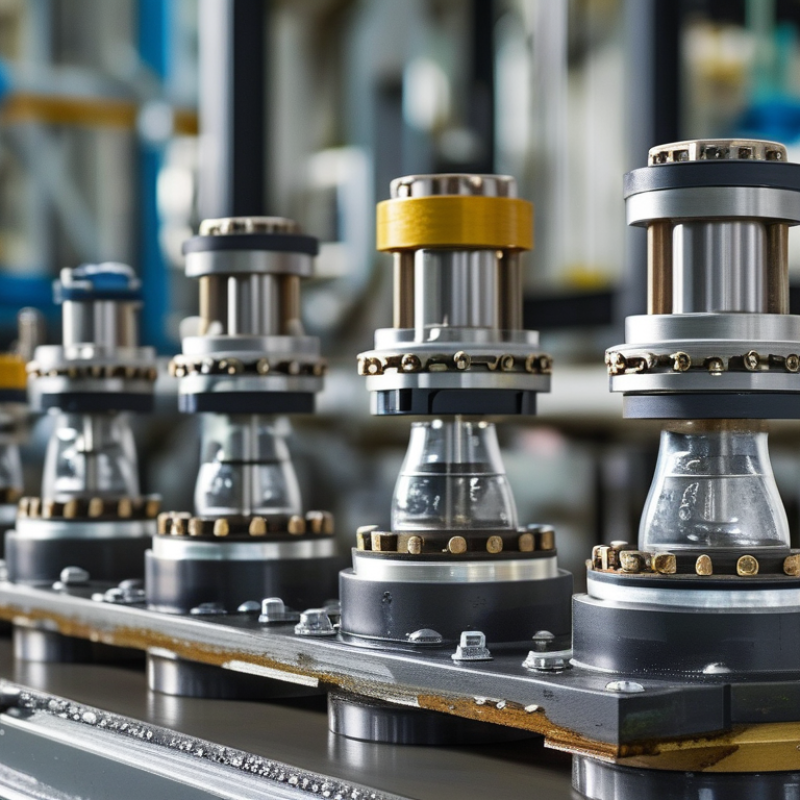
Why Choose Chemical Mechanical Seals for Your Industry Needs?

Advantages of Chemical Mechanical Seals Over Traditional Seals in Industry

Chemical mechanical seals present numerous advantages over traditional sealing methods in various industries. A 2022 report by the Fluid Sealing Association indicated that mechanical seals reduce leakage in pumps by up to 90%. This substantial reduction minimizes environmental risks, leading to safer operations and compliance with strict regulations.

The durability of chemical mechanical seals also stands out. They can withstand extreme temperatures and corrosive substances, which traditional seals often cannot. For example, in the oil and gas industry, using chemical mechanical seals can extend equipment lifespan by 30% or more. This resilience translates into lower maintenance costs and improved operational efficiency.

However, the initial cost of chemical mechanical seals may be higher. Organizations must weigh these costs against long-term savings. In industries where reliability is paramount, the investment often pays off. It is vital to assess specific needs and operational conditions to determine the best sealing solution. Decision-makers should consider factors such as fluid characteristics and pressure levels when selecting seals. Each industry poses unique challenges. Recognizing these challenges is crucial for optimal sealing performance.

Advantages of Chemical Mechanical Seals Over Traditional Seals

Key Applications of Chemical Mechanical Seals in Various Industries

Chemical mechanical seals are essential for various industries, including oil and gas, pharmaceuticals, and food processing. These seals offer durability and support in environments that involve harsh chemicals or extreme temperatures. For instance, in the chemical processing industry, they prevent leaks that could pose safety risks and environmental hazards. The seals maintain the integrity of equipment, which enhances operational efficiency.

Tips for choosing the right seal: Assess your specific application needs. Consider the fluid type, temperature, and pressure conditions. Selecting the appropriate material is critical. Some materials resist corrosion better than others, and some are suitable for high-temperature applications.

Another key application is in water treatment facilities. Here, chemical mechanical seals help ensure consistent water quality by preventing contamination. They also reduce maintenance downtime, which can be costly. Regular inspection of these seals can identify potential issues before they escalate. Being proactive can save time and resources in the long run.

Always consult with industry experts to match seals with your requirements. Effective communication about your needs is vital. Proper installation and maintenance practices can significantly extend the lifespan of the seals.

Technical Specifications and Performance Metrics for Chemical Mechanical Seals

Chemical mechanical seals are crucial for various industries, offering reliable solutions for fluid containment. Technical specifications play a vital role in their selection. A typical seal can withstand temperatures ranging from -40°C to 200°C and pressures up to 300 psi. Understanding these metrics is essential for application-specific needs.

Performance metrics indicate that these seals demonstrate exceptional durability. According to industry reports, the failure rates for mechanical seals have decreased by over 40% in the last decade due to advancements in materials and design. This improvement enhances not only efficiency but also safety. Many sectors, especially chemical processing, rely heavily on these seals to prevent leaks and ensure operational integrity.

However, challenges remain. Not all environments are conducive to the same type of mechanical seal. For instance, aggressive chemicals may degrade certain materials faster than expected. Regular maintenance and evaluation are necessary to combat such issues. Industry experts suggest scheduling assessments every six months to catch potential problems. Leakage can still occur, emphasizing the need for continual monitoring and reinforcement strategies.

Cost-Effectiveness of Implementing Chemical Mechanical Seals in Operations

When it comes to industrial applications, cost-effectiveness becomes a major factor in choosing mechanical seals. Chemical mechanical seals provide a reliable solution that can significantly reduce operational expenses. They exhibit excellent resistance to harsh chemicals, minimizing maintenance costs and prolonging lifespan. Many industries face high downtime costs when equipment fails. Mechanical seals help mitigate this risk.

In sectors like pharmaceuticals and food production, hygiene is crucial. Chemical mechanical seals are designed to prevent leaks, protecting both the product and the environment. This not only enhances safety but also helps companies maintain compliance with regulations. The expense of regulatory non-compliance can be steep—more than just monetary fines; such issues can damage reputations.

However, it is important to select the right seals for specific applications. Not every seal suits every process. The potential for premature failure exists if the wrong material is chosen. Understanding the operating conditions, such as temperature and pressures, is essential to making informed decisions. Balancing initial costs with long-term savings requires careful analysis and industry expertise.

Why Choose Chemical Mechanical Seals for Your Industry Needs? - Cost-Effectiveness of Implementing Chemical Mechanical Seals in Operations

Dimension Value
Initial Investment Cost $2,500
Annual Maintenance Cost $500
Average Lifespan (Years) 5
Downtime Savings (Hours/Year) 20
Cost of Downtime per Hour $150
Total Cost Savings per Year $3,000
Return on Investment (ROI) 120%
Environmental Impact Reduction in Waste

Future Trends and Innovations in Chemical Mechanical Seal Technology

The future of chemical mechanical seals (CMS) promises significant advancements driven by emerging technologies and industry needs. Recent reports indicate that the CMS market is projected to grow at a CAGR of 5.4% from 2023 to 2028. Innovations such as advanced materials and smart seal designs are vital in addressing the shortcomings of traditional seals. For instance, new polymers can withstand higher temperatures and corrosive environments, enhancing durability and lifespan.

Additionally, the integration of IoT technology into CMS is expected to revolutionize predictive maintenance. Sensors embedded in seals can provide real-time data on wear and tear, allowing timely interventions. This not only minimizes downtime but also optimizes operational efficiency. However, challenges remain. The complexity of implementing such technologies may deter some industries from adopting them fully.

One must also consider the environmental impact of seal failures. Reports suggest that seal leaks contribute significantly to operational inefficiencies and environmental hazards. As industries gravitate towards sustainability, developing seals that offer better environmental performance is paramount. Transitioning to eco-friendly materials could reduce waste and improve overall system reliability, emphasizing the need for ongoing research and development in chemical mechanical seal technologies.

Copyright 2025 Fluidra S.A. | Created by BCM Marketing Agencia Privacy Policy Legal note | Cookie policy |

Technical cookies are strictly necessary for our website to work and you can navigate through it. These types of cookies are those that, for example, allow us to identify you, give you access to certain restricted parts of the page if necessary, or remember different options or services already selected by you, such as your privacy preferences. Therefore, they are activated by default, your authorization not being necessary in this regard. Through the configuration of your browser, you can block or alert the presence of this type of cookies, although such blocking will affect the proper functioning of the different functionalities of our website.


The analysis cookies allow us to study the navigation of the users of our website in general (for example, which sections of the page are the most visited, which services are used most and if they work correctly, etc.). From the statistical information on navigation on our website, we can improve both the operation of the page itself and the different services it offers. Therefore, these cookies do not have an advertising purpose, but only serve to make our website work better, adapting to our users in general. By activating them you will contribute to this continuous improvement. You can enable or disable these cookies by checking the corresponding box, being disabled by default.


Functionality cookies allow us to remember your preferences, to personalize certain characteristics and general options of our website, every time you access it (for example, the language in which the information is presented to you, the sections marked as favorites, your browser type, etc.) Therefore, this type of cookies does not have an advertising purpose, but by activating them you will improve the functionality of the website (for example, adapting to your type of browser) and the customization of it based on your preferences (for example, by presenting the information in the language that you have chosen in previous occasions), which will contribute to the ease, usability and comfort of our page during your navigation. You can enable or disable these cookies by checking the corresponding box, being disabled by default.


Advertising cookies allow us to manage the advertising spaces included in our website based on criteria such as the content shown or the frequency in which the ads are displayed. For example, if you have been shown the same ad several times on our website, and you have not shown a personal interest by clicking on it, it will not appear again. In summary, by activating this type of cookies, the advertising shown on our website will be more useful and diverse, and less repetitive. You can enable or disable these cookies by checking the corresponding box, being disabled by default.


Behavioral advertising cookies allow us to obtain information based on the observation of your browsing habits and behaviors on the web, in order to show you advertising content that best suits your personal tastes and interests. To understand it in a very simple way, we will give you a fictitious example: if your last searches on the web were related to suspense literature, we would show you advertising about suspense books. Therefore, activating this type of cookies, the advertising that we show you on our website will not be generic, but will be oriented to your searches, tastes and interests, therefore adjusting exclusively to you. You can enable or disable these cookies by checking the corresponding box, being disabled by default.
To understand it in a very simple way, we will give you a fictitious example: if your last searches on the web were related to suspense literature, we would show you advertising about suspense books. Therefore, activating this type of cookies, the advertising that we show you on our website will not be generic, but will be oriented to your searches, tastes and interests, therefore adjusting exclusively to you. You can enable or disable these cookies by checking the corresponding box, being disabled by default.

SAVE

We use our own and third-party cookies to ensure the proper functioning of the website and to analyse our services, improve your experience on our website and show you advertisements related to your interests according to profiling based on your browsing habits (e.g. websites visited). You can accept all cookies by clicking "ACCEPT" or set or reject them by clicking here. If you would like to know more about the use of cookies, please see our COOKIE POLICY.


ACCEPT ALL
Reject no essentials


