
How to Choose the Best Wall Mounted Inverter for Your Needs?
FLUID HANDLING EXPERTS

Blog, all our news

How to Choose the Best Wall Mounted Inverter for Your Needs?

Choosing the right Wall mounted Inverter is essential for efficient energy management. With the increasing demand for renewable energy, the market for inverters is growing rapidly. According to a latest report by the International Energy Agency, solar inverter shipments reached over 120 gigawatts in 2022, highlighting a significant trend in renewable energy adoption.

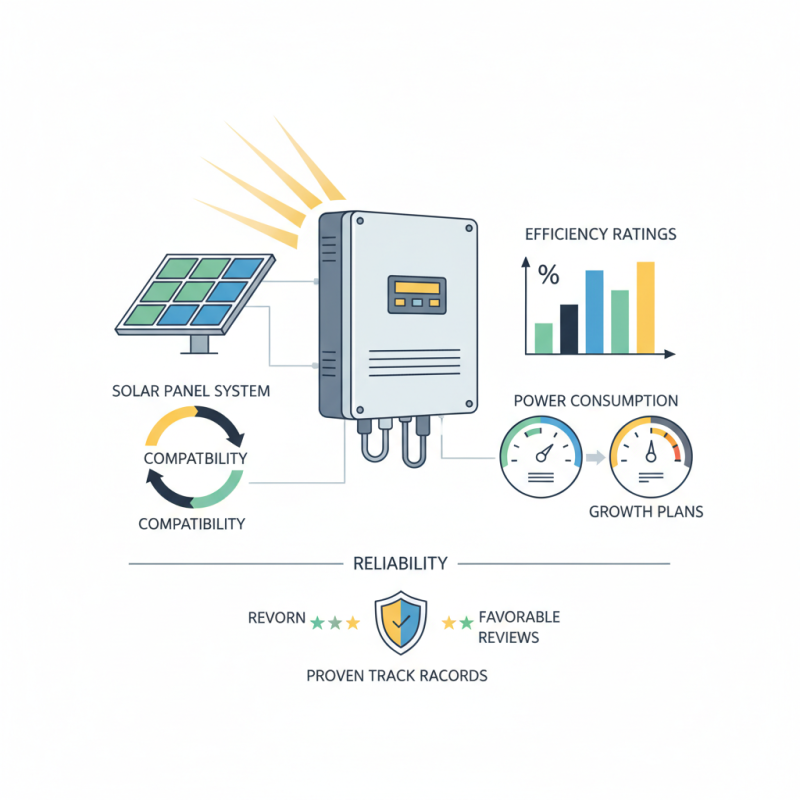
When selecting a wall mounted inverter, consider factors such as efficiency ratings and compatibility with your solar panel system. A study by PV Tech indicated that inverters can account for 10-20% of system energy losses. This underscores the importance of choosing a high-quality inverter to optimize performance. Brands with proven track records and favorable reviews often provide the reliability you need.

However, it's vital to reflect on the specific requirements of your home or business. Different settings may demand unique inverter features. While some models appear robust, they may not suit your particular energy needs. Understanding your power consumption and growth plans is crucial. An informed decision today can lead to lasting benefits.
How to Choose the Best Wall Mounted Inverter for Your Needs?

Understanding Your Power Needs and Requirements

Choosing the right wall-mounted inverter requires a solid understanding of your power needs. Start by assessing your daily energy usage. What appliances do you rely on? List them out. Consider their wattage and how often you use them. This information is crucial for selecting an inverter that can handle your peak load.


Think about your future needs as well. Will you expand your system later? Investing in a unit that can accommodate extra load can save you money in the long run. Also, reflect on whether you prioritize efficiency or storage capacity. Higher efficiency might lead to lower electricity bills. Yet, a larger storage can provide peace of mind during outages.


Lastly, reliability matters. Check the inverter's specifications and reviews, but don't rely solely on marketing claims. Look for user testimonials that discuss long-term performance. Incorporate all this information into your decision-making process. It's a balance of present and future needs, efficiency versus capacity, and the importance of real-world reliability.

Types of Wall Mounted Inverters Available

When selecting a wall-mounted inverter, understanding the types available is crucial. There are three main types: pure sine wave, modified sine wave, and grid-tie inverters. Each has distinct applications and efficiencies. Pure sine wave inverters provide clean, stable power. They are ideal for sensitive electronics. Modified sine wave inverters are more affordable but can lead to performance issues with high-end devices. Grid-tie inverters connect your solar panel system to the electricity grid, often allowing for net metering.

According to the International Renewable Energy Agency (IRENA), wall-mounted inverters typically convert about 95% of energy efficiently. This can significantly impact long-term savings. However, not all inverters are created equal. Many models underperform under certain conditions. It's essential to consider your specific energy needs before making a decision.

Tips: Always check the inverter's efficiency rating. Look for models that offer warranties of over five years. Another thought—consider the heat output. Some inverters can run hot and may require additional ventilation. This can affect performance, especially in warmer climates. Balancing cost, efficiency, and brand reliability is essential for making the right choice.

How to Choose the Best Wall Mounted Inverter for Your Needs? - Types of Wall Mounted Inverters Available

Type of Inverter Power Output (kW) Efficiency (%) Battery Compatibility Features
Pure Sine Wave Inverter 1.5 - 5 90 - 95 Lead Acid, Lithium Quiet operation, high power quality
Modified Sine Wave Inverter 0.5 - 3 75 - 85 Lead Acid Cost-efficient, compact size
Grid Tie Inverter 2 - 10 95 - 98 Not Applicable Connects to grid, no battery needed
Hybrid Inverter 3 - 10 90 - 95 Lead Acid, Lithium Hybrid operation, multiple power sources

Key Features to Consider When Choosing an Inverter

When selecting a wall-mounted inverter, key features are crucial. Start with the inverter's power rating. It should match your energy needs—whether for home use or off-grid applications. Overestimating can lead to wasted energy and higher costs. Underestimating may result in system failures. Check the inverter's efficiency rating. A higher rating indicates less energy loss during conversion. Efficient inverters are more reliable for long-term use.

Another important aspect is the inverter's inverter types. There are different technologies available, such as pure sine wave or modified sine wave. Pure sine wave inverters are generally recommended for sensitive electronics. They provide cleaner, stable power. Consider the inverter's size and weight. It should fit your installation area without causing stress on mounting structures.

Additionally, evaluate safety features. Look for built-in protections against overload, short-circuiting, and overheating. These can prevent costly damage. Reflection is necessary here; many may overlook these features in favor of lower prices. It's essential to find a balance between cost and quality. Investing in the right features ensures your inverter performs optimally, preventing headaches down the line.

Installation and Maintenance Considerations

When selecting a wall-mounted inverter, installation and maintenance are critical factors to consider. Proper installation is vital for the inverter’s performance and longevity. Ensure the mounting area is clean and stable. A professional may be needed for the installation to avoid potential mistakes. Incorrect installation can lead to operational issues that might shorten the inverter's lifespan.

Maintenance is equally important. Regular checks on wiring and connections can prevent inefficiencies. Look for signs of wear and tear. Dust accumulation can affect performance, so cleaning it frequently is essential. Understanding the inverter's indicators can help identify problems early.

While some users feel confident doing maintenance themselves, help from experienced professionals may prevent bigger issues down the line.

Budgeting and Pricing Factors for Inverters

When choosing a wall-mounted inverter, budgeting is crucial. Inverters vary widely in price, influenced by features and power capacities. A basic model might cost a few hundred dollars, while advanced versions can exceed a thousand. Knowing your household energy needs helps in forecasting costs effectively.

Consider installation and maintenance expenses as well. Sometimes, cheaper inverters require costly installations or frequent maintenance. This hidden cost can add up over time. Evaluate warranties as well; they reflect the manufacturer's confidence in their product. A strong warranty often indicates reliability.

Be aware of your energy consumption patterns. If you have high demands, investing in a quality inverter can save money long-term. However, if your usage is sporadic, a lower-cost option may suffice. Reflect on your habits to determine the most economical choice for your lifestyle.

Budgeting and Pricing Factors for Wall Mounted Inverters

Copyright 2025 Fluidra S.A. | Created by BCM Marketing Agencia Privacy Policy Legal note | Cookie policy |

Technical cookies are strictly necessary for our website to work and you can navigate through it. These types of cookies are those that, for example, allow us to identify you, give you access to certain restricted parts of the page if necessary, or remember different options or services already selected by you, such as your privacy preferences. Therefore, they are activated by default, your authorization not being necessary in this regard. Through the configuration of your browser, you can block or alert the presence of this type of cookies, although such blocking will affect the proper functioning of the different functionalities of our website.


The analysis cookies allow us to study the navigation of the users of our website in general (for example, which sections of the page are the most visited, which services are used most and if they work correctly, etc.). From the statistical information on navigation on our website, we can improve both the operation of the page itself and the different services it offers. Therefore, these cookies do not have an advertising purpose, but only serve to make our website work better, adapting to our users in general. By activating them you will contribute to this continuous improvement. You can enable or disable these cookies by checking the corresponding box, being disabled by default.


Functionality cookies allow us to remember your preferences, to personalize certain characteristics and general options of our website, every time you access it (for example, the language in which the information is presented to you, the sections marked as favorites, your browser type, etc.) Therefore, this type of cookies does not have an advertising purpose, but by activating them you will improve the functionality of the website (for example, adapting to your type of browser) and the customization of it based on your preferences (for example, by presenting the information in the language that you have chosen in previous occasions), which will contribute to the ease, usability and comfort of our page during your navigation. You can enable or disable these cookies by checking the corresponding box, being disabled by default.


Advertising cookies allow us to manage the advertising spaces included in our website based on criteria such as the content shown or the frequency in which the ads are displayed. For example, if you have been shown the same ad several times on our website, and you have not shown a personal interest by clicking on it, it will not appear again. In summary, by activating this type of cookies, the advertising shown on our website will be more useful and diverse, and less repetitive. You can enable or disable these cookies by checking the corresponding box, being disabled by default.


Behavioral advertising cookies allow us to obtain information based on the observation of your browsing habits and behaviors on the web, in order to show you advertising content that best suits your personal tastes and interests. To understand it in a very simple way, we will give you a fictitious example: if your last searches on the web were related to suspense literature, we would show you advertising about suspense books. Therefore, activating this type of cookies, the advertising that we show you on our website will not be generic, but will be oriented to your searches, tastes and interests, therefore adjusting exclusively to you. You can enable or disable these cookies by checking the corresponding box, being disabled by default.
To understand it in a very simple way, we will give you a fictitious example: if your last searches on the web were related to suspense literature, we would show you advertising about suspense books. Therefore, activating this type of cookies, the advertising that we show you on our website will not be generic, but will be oriented to your searches, tastes and interests, therefore adjusting exclusively to you. You can enable or disable these cookies by checking the corresponding box, being disabled by default.

SAVE

We use our own and third-party cookies to ensure the proper functioning of the website and to analyse our services, improve your experience on our website and show you advertisements related to your interests according to profiling based on your browsing habits (e.g. websites visited). You can accept all cookies by clicking "ACCEPT" or set or reject them by clicking here. If you would like to know more about the use of cookies, please see our COOKIE POLICY.


ACCEPT ALL
Reject no essentials


