
How to Choose the Best Floor Polishing Pad for Your Needs?
FLUID HANDLING EXPERTS

Blog, all our news

How to Choose the Best Floor Polishing Pad for Your Needs?

Choosing the right Floor Polishing Pad is crucial for achieving that perfect shine on your floors. Various materials and grits are available, each designed for specific needs. The wrong pad can lead to dull results or even damage your flooring.

Consider your floor type. Hardwood, tile, and concrete all require different care. A soft pad may work well for hardwood, while a more abrasive one suits concrete better. Evaluate your surface's condition. A heavily worn floor might need a more aggressive pad to restore its original luster.

Remember, the polish you select can enhance or hinder your results. Don't overlook this critical step. Finding the right Floor Polishing Pad may involve trial and reflection. The optimal choice can transform your spaces, bringing vibrancy and cleanliness. Your floors deserve the best.
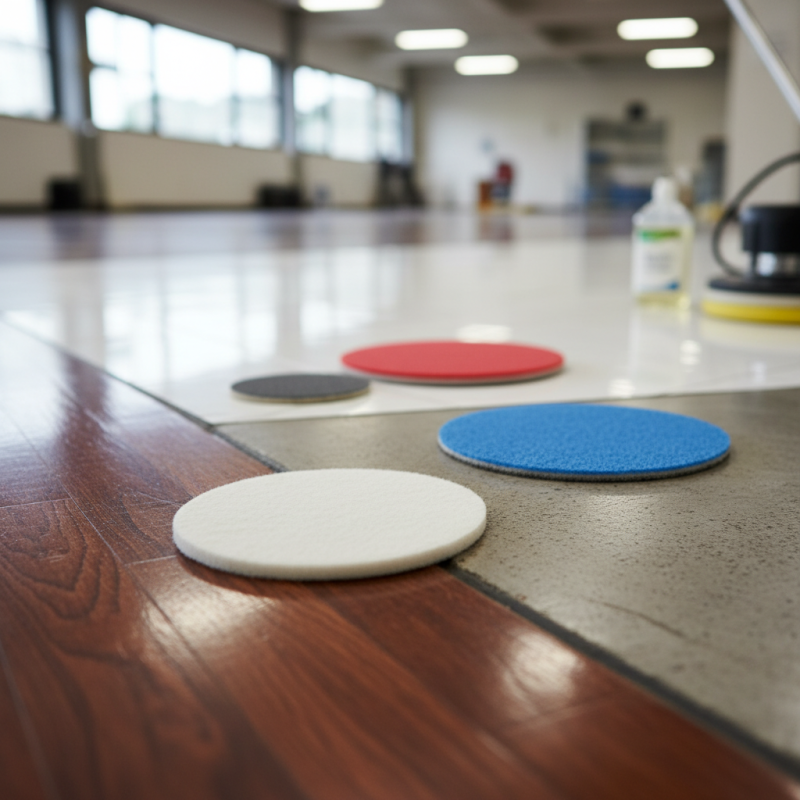
How to Choose the Best Floor Polishing Pad for Your Needs?

Understanding Different Types of Floor Polishing Pads and Their Uses

When selecting floor polishing pads, understanding their types and uses is crucial. There are various pads available, each designed for specific flooring materials and polishing needs. For instance, diamond pads are ideal for concrete surfaces, offering durability and effective grinding. In contrast, softer pads, like foam or felt, cater to wood and laminate floors, providing a gentle yet thorough clean.

According to a recent industry report, the global floor care market is expected to reach $15 billion by 2026. This suggests a growing demand for specialized floor care products. Users now prefer pads that not only clean but also maintain the floor's sheen over time. It’s wise to consider the grit level too. For heavy scratches, start with a lower grit to restore the surface, then transition to higher grits for a polished finish.

**Tip:** Always test a small area before applying a new pad on the entire floor. This will help you gauge how the pad interacts with your specific flooring type.

Moreover, consider the size and fit of pads. Not all pads will fit every machine. Checking compatibility can save time and avoid frustrations. Ultimately, your choice should reflect both your floor type and personal polishing goals. Remember, a pad that works well on one surface may not suit another. Careful consideration will lead to better results.

Floor Polishing Pad Types and Their Uses

Factors Influencing the Choice of Floor Polishing Pads for Specific Floors

Choosing the right floor polishing pad involves understanding specific factors for different floor types. For example, hardwood floors require gentler pads to avoid scratches. A soft pad can enhance sheen without damaging the surface. In contrast, concrete floors often need more abrasive pads. The right choice here can effectively remove tough stains.

The finish of the floor also plays a crucial role. High-gloss finishes may demand pads that are less aggressive. These pads help maintain the shine while providing a polished appearance. Conversely, unsealed or rough surfaces might benefit from firmer pads for deeper cleaning. Each type of floor has unique characteristics, making personalized choices vital.

Beyond material and finish, pad color can indicate grit level and softness. While color coding is helpful, it’s not always consistent across products. Therefore, users should test pads on inconspicuous areas first. Observing the pad's performance can prevent mishaps, such as unwanted scratches or dulling surfaces. This testing is essential for achieving desired results.

Assessing Pad Abrasiveness Levels and Their Impact on Floor Finish Quality

Choosing the right floor polishing pad is crucial for achieving the best finish on your floors. Abrasiveness levels play a significant role in determining how smoothly your floors will shine. High abrasiveness pads excel in cutting through tough surface grime but may risk damaging softer materials. It's essential to consider the floor type when selecting a pad.

Not all pads are created equal. The specific floor finish you desire should guide your decision. For example, harder floors often require a more abrasive pad to restore shine. Conversely, softer wood floors might benefit from a gentler approach to avoid scratches. Testing various pads on a small area can help prevent unintentional damage.

It's worth noting that pad maintenance is often overlooked. A dirty or worn-out pad can compromise the quality of your finish. Regular inspection and cleaning of pads ensure optimal performance. Acknowledging these details leads to better decision-making and results. Be prepared to adjust your choices based on your unique flooring needs.

Industry Recommendations for Pad Material Selection Based on Floor Type

When selecting a floor polishing pad, understanding the floor type is crucial. For hardwood floors, experts suggest using soft pads made from wool or foam. These materials are gentle on the surface and prevent scratching. According to industry reports, using the right pad can enhance gloss while preventing damage.

In contrast, concrete floors benefit from semi-rigid pads composed of polyester or vinyl. These materials are essential for effective dirt removal and achieving a polished finish. Floor care specialists emphasize the importance of testing pads before large-scale application. A small area can help determine effectiveness and compatibility with your floor type.

Tips: Always consult a professional when in doubt. They can provide tailored advice based on your specific needs. Testing multiple pad types can uncover what works best for your situation. Remember, the right choice improves longevity and appearance, but trial and error may be part of the process.

Cost-Benefit Analysis of Floor Polishing Pads for Long-Term Maintenance

Choosing the right floor polishing pad is crucial for long-term maintenance. The cost-benefit analysis of these pads can help you make a wise decision. High-quality pads may have a higher initial cost but can save money in the long run. They last longer and perform better over time, reducing the need for frequent replacements.

Consider the material and grit of the polishing pads. Softer pads suit delicate surfaces, while tougher pads tackle stubborn grime. Investing in the right type can significantly enhance the floor’s appearance. However, not every pad works well with every floor type. Mismatched choices can lead to poor results or damage.

You should also examine your cleaning habits. If you maintain a regular schedule, you might benefit from more durable pads. Conversely, occasional cleaning may not justify the investment in high-end options. Reflecting on your usage will aid in selecting the best value. Remember, the most expensive option isn’t always the best. Consider that a cheaper pad might meet your needs, but it could wear out sooner.

Copyright 2025 Fluidra S.A. | Created by BCM Marketing Agencia Privacy Policy Legal note | Cookie policy |

Technical cookies are strictly necessary for our website to work and you can navigate through it. These types of cookies are those that, for example, allow us to identify you, give you access to certain restricted parts of the page if necessary, or remember different options or services already selected by you, such as your privacy preferences. Therefore, they are activated by default, your authorization not being necessary in this regard. Through the configuration of your browser, you can block or alert the presence of this type of cookies, although such blocking will affect the proper functioning of the different functionalities of our website.


The analysis cookies allow us to study the navigation of the users of our website in general (for example, which sections of the page are the most visited, which services are used most and if they work correctly, etc.). From the statistical information on navigation on our website, we can improve both the operation of the page itself and the different services it offers. Therefore, these cookies do not have an advertising purpose, but only serve to make our website work better, adapting to our users in general. By activating them you will contribute to this continuous improvement. You can enable or disable these cookies by checking the corresponding box, being disabled by default.


Functionality cookies allow us to remember your preferences, to personalize certain characteristics and general options of our website, every time you access it (for example, the language in which the information is presented to you, the sections marked as favorites, your browser type, etc.) Therefore, this type of cookies does not have an advertising purpose, but by activating them you will improve the functionality of the website (for example, adapting to your type of browser) and the customization of it based on your preferences (for example, by presenting the information in the language that you have chosen in previous occasions), which will contribute to the ease, usability and comfort of our page during your navigation. You can enable or disable these cookies by checking the corresponding box, being disabled by default.


Advertising cookies allow us to manage the advertising spaces included in our website based on criteria such as the content shown or the frequency in which the ads are displayed. For example, if you have been shown the same ad several times on our website, and you have not shown a personal interest by clicking on it, it will not appear again. In summary, by activating this type of cookies, the advertising shown on our website will be more useful and diverse, and less repetitive. You can enable or disable these cookies by checking the corresponding box, being disabled by default.


Behavioral advertising cookies allow us to obtain information based on the observation of your browsing habits and behaviors on the web, in order to show you advertising content that best suits your personal tastes and interests. To understand it in a very simple way, we will give you a fictitious example: if your last searches on the web were related to suspense literature, we would show you advertising about suspense books. Therefore, activating this type of cookies, the advertising that we show you on our website will not be generic, but will be oriented to your searches, tastes and interests, therefore adjusting exclusively to you. You can enable or disable these cookies by checking the corresponding box, being disabled by default.
To understand it in a very simple way, we will give you a fictitious example: if your last searches on the web were related to suspense literature, we would show you advertising about suspense books. Therefore, activating this type of cookies, the advertising that we show you on our website will not be generic, but will be oriented to your searches, tastes and interests, therefore adjusting exclusively to you. You can enable or disable these cookies by checking the corresponding box, being disabled by default.

SAVE

We use our own and third-party cookies to ensure the proper functioning of the website and to analyse our services, improve your experience on our website and show you advertisements related to your interests according to profiling based on your browsing habits (e.g. websites visited). You can accept all cookies by clicking "ACCEPT" or set or reject them by clicking here. If you would like to know more about the use of cookies, please see our COOKIE POLICY.


ACCEPT ALL
Reject no essentials


