
How to Choose the Best Cryogenic Liquid Tank for Your Needs?
FLUID HANDLING EXPERTS

Blog, all our news

How to Choose the Best Cryogenic Liquid Tank for Your Needs?

In the evolving landscape of industrial applications, selecting the ideal Cryogenic Liquid Tank is crucial. According to a recent market report by Allied Market Research, the global cryogenic tank market is projected to reach $20.3 billion by 2028, driven by rising demand in healthcare and energy sectors. Industry expert Dr. Alice Thompson emphasizes, "The right tank can significantly enhance operational efficiency and safety."

When evaluating options, consider key factors like insulation methods, material quality, and storage capacity. A well-chosen Cryogenic Liquid Tank maximizes performance and ensures longevity under extreme conditions. Yet, many users often overlook maintenance and inspection, which are vital for safe operation.

While advancements are promising, remember that all tanks are not created equal. Reflection on specific needs and environmental factors can lead to better choices. A thorough understanding of industry standards and technological innovations can guide this complex decision. Ultimately, the journey to finding the perfect Cryogenic Liquid Tank requires careful consideration and expert guidance.
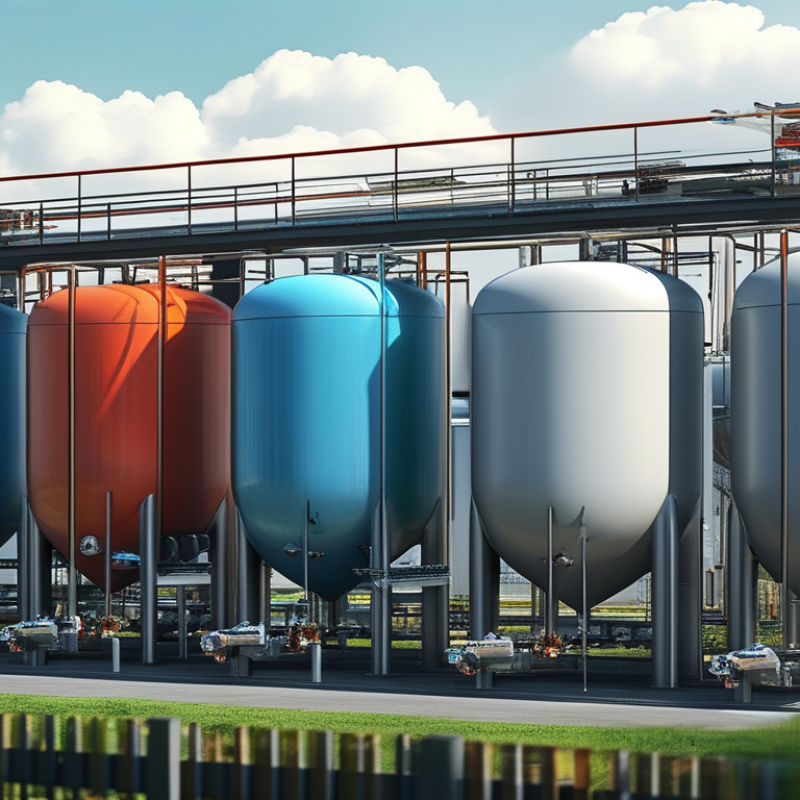
How to Choose the Best Cryogenic Liquid Tank for Your Needs?

Understanding Cryogenic Liquids and Their Applications

Cryogenic liquids are substances that exist in a liquid state at extremely low temperatures. Common examples include liquid nitrogen, liquid helium, and liquid argon. These liquids are essential in various fields, from biomedical research to aerospace engineering. Their low temperatures allow for unique applications, such as cryopreservation and superconductivity. Understanding the properties and behaviors of these substances is crucial for their safe and effective use.

Selecting the right cryogenic liquid involves knowing the specific needs of your project. Each liquid has distinct characteristics, such as boiling points and thermal conductivity. For instance, liquid nitrogen boils at -196 degrees Celsius, making it ideal for cooling applications. In contrast, liquid helium, with an even lower boiling point, is critical for maintaining temperatures in superconducting magnets. It’s important to assess factors like storage capacity, intended use, and safety measures. Your choices could significantly impact your results and overall safety.

Transporting and storing cryogenic liquids brings unique challenges. Proper insulation and materials are necessary to prevent accidents. However, not every installation will be perfect. Users may make mistakes in environmental considerations or containment options. These oversights can lead to issues down the line, such as increased costs or potential hazards. Reflecting on past experiences can guide future decisions, ensuring better outcomes and enhanced safety measures.

Evaluating Different Types of Cryogenic Liquid Tanks

Choosing the right cryogenic liquid tank can be challenging. There are various types to consider, each with unique features. For instance, some tanks are designed for bulk storage, while others cater to mobile applications. Understanding your needs is crucial in this decision-making process.

When evaluating different types, look at size, insulation, and pressure ratings. A well-insulated tank can minimize evaporation losses. Does your application require portability? If so, a smaller, more mobile option may suit your requirements better. Each type of tank serves a specific function, which can lead to inefficiencies if mismatched with your needs.

Consider the safety features of each option. It’s essential to address potential failure points in the tank design. Would a failure compromise safety in your environment? Regular maintenance checks can prevent many issues but choosing a tank with robust safety features initially helps immensely. Reflecting on past experiences and consulting experts can lead to better decisions regarding tank selection.

Comparative Analysis of Different Types of Cryogenic Liquid Tanks

Key Factors to Consider When Choosing a Tank Size

Choosing the right cryogenic liquid tank involves careful consideration, especially regarding tank size. The size dictates how much liquid can be stored and the space it will occupy. Understanding your specific needs is crucial. Calculate the volume of cryogenic liquid you plan to use over a given period. Consider future growth; you might need more capacity later. Buying too small can lead to operational inefficiencies.

Another aspect to examine is the available space for installation. Ensure the tank fits well in your selected location. Assess the accessibility for maintenance and refilling. Additionally, think about safety regulations in your area. Compliance with these standards is vital and should influence your size decision. Rigid adherence to guidelines can prevent costly mistakes down the line.

It's important to reflect on the specific logistics involved. For example, will the tank be moved frequently? This could impact the size you choose. Often, businesses overlook this detail. A tank that's too large might hinder movement. Balancing capacity and practicality is key. At times, it may require adjustments or even redesigning your storage plan.

Safety Standards and Regulations for Cryogenic Storage

When selecting a cryogenic liquid tank, understanding safety standards and regulations is crucial. The American National Standards Institute (ANSI) emphasizes the importance of adhering to safety measures. A recent report from the National Fire Protection Association (NFPA) indicates that improper storage methods can lead to hazardous incidents. Safety standards like NFPA 55 help define requirements for cryogenic storage systems. These ensure tanks are equipped with safety valves and proper insulation to avert dangerous pressure build-up.

In addition, organizations like the Compressed Gas Association (CGA) outline protocols for handling cryogenic liquids. Their guidelines stress the placement of cryogenic tanks away from any flammable materials. They also recommend regular inspections. Data from CGA shows that adherence to these safety measures results in a 30% reduction in accidents involving cryogenic tanks. These figures underline the need for professionals to stay informed about evolving regulations.

Despite these efforts, challenges persist in the industry. Emerging technologies can sometimes outpace existing regulations. Many companies struggle to comply with the latest safety standards. Continuous training for staff becomes paramount in overcoming these hurdles. Ensuring personnel are knowledgeable about tank operation and safety can significantly enhance overall safety in the storage of cryogenic liquids.

How to Choose the Best Cryogenic Liquid Tank for Your Needs? - Safety Standards and Regulations for Cryogenic Storage

Dimension Capacity (Liters) Material Insulation Type Safety Standards
Small Tank 500 Stainless Steel Vacuum Insulation ASME, EN
Medium Tank 1000 Carbon Steel Polyurethane Foam ISO, API
Large Tank 5000 Aluminum Alloy Multi-layer Insulation NFPA, DOT
Transport Tank 3000 Stainless Steel Vacuum Insulation ADR, RID

Maintenance and Management of Cryogenic Liquid Tanks

Maintaining cryogenic liquid tanks requires a keen understanding of their specialized designs. Regular inspections are crucial. Inspect the insulation for any signs of wear. A small leak can lead to significant losses. Check the valves periodically. Ensure they operate smoothly. A malfunctioning valve could result in pressure buildup. This can have dangerous consequences.

Management also involves understanding proper storage techniques. These tanks need to be kept in well-ventilated areas. This is to prevent the buildup of any hazardous gases. Keep the area clean and organized. A cluttered workspace can lead to accidents.

Training personnel is often overlooked. The staff must be aware of potential risks. They should also know emergency procedures. Regular safety training sessions can reinforce this knowledge. Creating a culture of safety ensures everyone is vigilant. Consider audits to improve practices and identify weak points. A continuous improvement approach helps in maintaining reliability and safety.

Copyright 2025 Fluidra S.A. | Created by BCM Marketing Agencia Privacy Policy Legal note | Cookie policy |

Technical cookies are strictly necessary for our website to work and you can navigate through it. These types of cookies are those that, for example, allow us to identify you, give you access to certain restricted parts of the page if necessary, or remember different options or services already selected by you, such as your privacy preferences. Therefore, they are activated by default, your authorization not being necessary in this regard. Through the configuration of your browser, you can block or alert the presence of this type of cookies, although such blocking will affect the proper functioning of the different functionalities of our website.


The analysis cookies allow us to study the navigation of the users of our website in general (for example, which sections of the page are the most visited, which services are used most and if they work correctly, etc.). From the statistical information on navigation on our website, we can improve both the operation of the page itself and the different services it offers. Therefore, these cookies do not have an advertising purpose, but only serve to make our website work better, adapting to our users in general. By activating them you will contribute to this continuous improvement. You can enable or disable these cookies by checking the corresponding box, being disabled by default.


Functionality cookies allow us to remember your preferences, to personalize certain characteristics and general options of our website, every time you access it (for example, the language in which the information is presented to you, the sections marked as favorites, your browser type, etc.) Therefore, this type of cookies does not have an advertising purpose, but by activating them you will improve the functionality of the website (for example, adapting to your type of browser) and the customization of it based on your preferences (for example, by presenting the information in the language that you have chosen in previous occasions), which will contribute to the ease, usability and comfort of our page during your navigation. You can enable or disable these cookies by checking the corresponding box, being disabled by default.


Advertising cookies allow us to manage the advertising spaces included in our website based on criteria such as the content shown or the frequency in which the ads are displayed. For example, if you have been shown the same ad several times on our website, and you have not shown a personal interest by clicking on it, it will not appear again. In summary, by activating this type of cookies, the advertising shown on our website will be more useful and diverse, and less repetitive. You can enable or disable these cookies by checking the corresponding box, being disabled by default.


Behavioral advertising cookies allow us to obtain information based on the observation of your browsing habits and behaviors on the web, in order to show you advertising content that best suits your personal tastes and interests. To understand it in a very simple way, we will give you a fictitious example: if your last searches on the web were related to suspense literature, we would show you advertising about suspense books. Therefore, activating this type of cookies, the advertising that we show you on our website will not be generic, but will be oriented to your searches, tastes and interests, therefore adjusting exclusively to you. You can enable or disable these cookies by checking the corresponding box, being disabled by default.
To understand it in a very simple way, we will give you a fictitious example: if your last searches on the web were related to suspense literature, we would show you advertising about suspense books. Therefore, activating this type of cookies, the advertising that we show you on our website will not be generic, but will be oriented to your searches, tastes and interests, therefore adjusting exclusively to you. You can enable or disable these cookies by checking the corresponding box, being disabled by default.

SAVE

We use our own and third-party cookies to ensure the proper functioning of the website and to analyse our services, improve your experience on our website and show you advertisements related to your interests according to profiling based on your browsing habits (e.g. websites visited). You can accept all cookies by clicking "ACCEPT" or set or reject them by clicking here. If you would like to know more about the use of cookies, please see our COOKIE POLICY.


ACCEPT ALL
Reject no essentials


