
How to Choose the Best Acid Transfer Pump for Your Needs?
FLUID HANDLING EXPERTS

Blog, all our news

How to Choose the Best Acid Transfer Pump for Your Needs?

Choosing the right acid transfer pump is crucial for various applications in industries such as manufacturing and chemical handling. John Smith, a renowned expert in fluid dynamics, once said, "Selecting the right pump can significantly impact efficiency and safety." His words highlight the importance of making an informed decision.

Acid transfer pumps come in various styles and sizes. Each is designed for specific tasks. Understanding your needs is essential. Consider factors like flow rate, material compatibility, and the type of acid you will transfer. An ill-suited pump can lead to leaks, damage, and safety hazards.

While many options exist, not all pumps are created equal. Some may claim higher efficiency but compromise on safety or durability. It's wise to seek recommendations from industry experts and do thorough research. In the end, the right acid transfer pump not only ensures effective operation but also provides peace of mind.
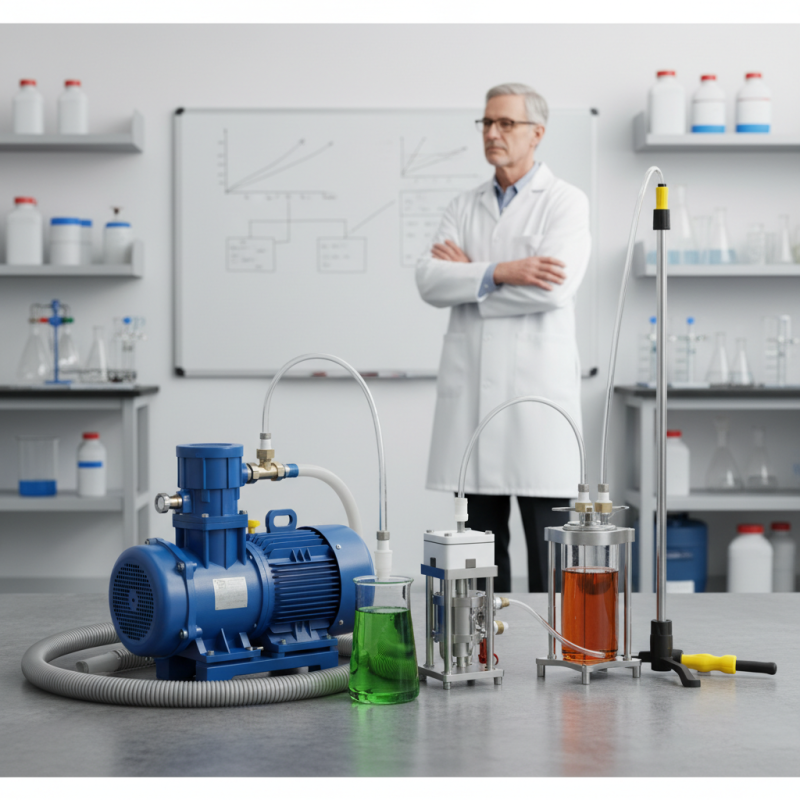
How to Choose the Best Acid Transfer Pump for Your Needs?

Understanding Acid Transfer Pumps: Types and Their Applications

Acid transfer pumps play a crucial role in many industries, offering solutions for transferring corrosive liquids safely and efficiently. Understanding the types of acid transfer pumps available is essential for selecting the right one for specific applications. The most common types include diaphragm pumps, peristaltic pumps, and centrifugal pumps, each designed for different tasks. Diaphragm pumps excel in creating suction, while peristaltic pumps handle shear-sensitive fluids gently. Centrifugal pumps provide high flow rates but may not be suitable for all acids.

When choosing the right pump, consider the fluid’s chemical properties. Compatibility with the materials used in the pump is vital. For instance, fluoropolymer and polypropylene are often chosen for their resistance to chemical damage. Assess the viscosity and temperature of the acid too. Not all pumps can handle heated or thick liquids effectively.

Tips: Always consult the manufacturer’s specifications for material compatibility. Performing a risk assessment can help in identifying potential hazards during operation. Regular maintenance and inspections are crucial to ensure the pump’s longevity and reliability. Neglecting these can lead to unexpected failures and downtime, impacting overall productivity. Using the right pump for the right application can make a significant difference in operational efficiency.

Acid Transfer Pumps: Comparison of Types and Applications

Key Factors to Consider When Selecting an Acid Transfer Pump

Choosing the right acid transfer pump requires careful consideration of several key factors. First, assess the material compatibility. Acid transfer pumps are often made from various materials like polyethylene, fluoropolymers, or stainless steel. The pump's materials should withstand the corrosive nature of acids without degrading. A failure in material can lead to leaks or pump failure, which can be costly. Research suggests that pumps made from PVDF provide excellent resistance to many harsh chemicals.

Next, consider the flow rate and pressure requirements. Depending on your application, you may need a pump that can handle higher flow rates. For instance, industries often require pumps with flow rates exceeding 50 GPM in corrosive environments. An incorrect flow rate can impact efficiency and safety. A thorough understanding of your process can guide you in selecting a pump that meets these specifications.

Lastly, evaluate the pump's ease of maintenance and operational reliability. Some pumps come with complex designs, increasing downtime during maintenance. Simpler designs may offer better resilience. Regular maintenance logs indicate that pumps requiring less frequent repairs can save up to 30% on operational costs annually. Always consider the long-term implications of your choice.

Material Compatibility: Ensuring Safety and Efficiency

When selecting an acid transfer pump, material compatibility is critical. Different acids react with various materials. Using the wrong material can lead to damaging leaks or pump failure. It's essential to know what substances your pump will handle. Common materials used include polypropylene, stainless steel, and fluoropolymers. Each has distinct properties that affect durability and efficiency.

Tips for evaluating material compatibility: Checking chemical resistance charts is essential. These charts detail how materials interact with specific acids. Look for performance ratings to guide your decision. Consult with industry experts if you have doubts. Ensuring proper material selection can save time and costs in the long run.

Additionally, consider the operating conditions of your pump. Temperature and pressure can affect material integrity. High temperatures may compromise plastic components. Regular maintenance checks will help you catch any signs of wear. Review your equipment periodically for any indications of leaks or degradation. This vigilance ensures safety and efficiency in your operations.

Flow Rate and Pressure Requirements for Different Industries

Selecting the right acid transfer pump hinges on understanding flow rate and pressure needs. Different industries have unique demands, ranging from chemical processing to waste management. For example, the pharmaceutical industry often requires precise control over flow rates. A pump that delivers a consistent flow is critical here. Meanwhile, wastewater treatment facilities may need higher pressure to transport corrosive fluids effectively.

Tips for choosing a pump include assessing the fluid's viscosity. Thicker fluids require more powerful pumps. Consider the temperature range too. Some pumps perform poorly in extreme conditions. Think about the installation space as well. Compact pumps may fit better in limited areas while still providing required performance.

Also, keep maintenance in mind. Regular upkeep ensures longevity and efficiency. Some pumps need more frequent checks than others. Reflect on the pump's construction materials that resist corrosion. This can save costs in the long run. Overall, your choice should align with your specific operational needs while being mindful of potential limitations.

Maintenance and Longevity: Tips for Optimal Pump Performance

Maintaining an acid transfer pump is crucial for optimal performance. Over 30% of pump failures result from inadequate maintenance. Routine checks can extend a pump's operational life significantly. Regularly inspect seals and connections for leaks. Even minor leaks can lead to major failures.

Consider the potential wear from the acids being transferred. Some acids can corrode pump components, leading to inefficiencies. Using materials resistant to specific acids can counteract this issue. Changing filters regularly helps maintain flow efficiency. An industry report indicated that proper filtering can improve energy efficiency by 15%.

Monitor the pump's operating environment as well. High temperatures can damage many pump types and reduce lifespan. Temperature changes might cause parts to expand and contract, leading to leaks. Keeping the pump within recommended temperature limits is vital. Remember, the aim is longevity. Reflect on your practices regularly. Implementing small changes can result in significant gains in performance and reliability.

Copyright 2025 Fluidra S.A. | Created by BCM Marketing Agencia Privacy Policy Legal note | Cookie policy |

Technical cookies are strictly necessary for our website to work and you can navigate through it. These types of cookies are those that, for example, allow us to identify you, give you access to certain restricted parts of the page if necessary, or remember different options or services already selected by you, such as your privacy preferences. Therefore, they are activated by default, your authorization not being necessary in this regard. Through the configuration of your browser, you can block or alert the presence of this type of cookies, although such blocking will affect the proper functioning of the different functionalities of our website.


The analysis cookies allow us to study the navigation of the users of our website in general (for example, which sections of the page are the most visited, which services are used most and if they work correctly, etc.). From the statistical information on navigation on our website, we can improve both the operation of the page itself and the different services it offers. Therefore, these cookies do not have an advertising purpose, but only serve to make our website work better, adapting to our users in general. By activating them you will contribute to this continuous improvement. You can enable or disable these cookies by checking the corresponding box, being disabled by default.


Functionality cookies allow us to remember your preferences, to personalize certain characteristics and general options of our website, every time you access it (for example, the language in which the information is presented to you, the sections marked as favorites, your browser type, etc.) Therefore, this type of cookies does not have an advertising purpose, but by activating them you will improve the functionality of the website (for example, adapting to your type of browser) and the customization of it based on your preferences (for example, by presenting the information in the language that you have chosen in previous occasions), which will contribute to the ease, usability and comfort of our page during your navigation. You can enable or disable these cookies by checking the corresponding box, being disabled by default.


Advertising cookies allow us to manage the advertising spaces included in our website based on criteria such as the content shown or the frequency in which the ads are displayed. For example, if you have been shown the same ad several times on our website, and you have not shown a personal interest by clicking on it, it will not appear again. In summary, by activating this type of cookies, the advertising shown on our website will be more useful and diverse, and less repetitive. You can enable or disable these cookies by checking the corresponding box, being disabled by default.


Behavioral advertising cookies allow us to obtain information based on the observation of your browsing habits and behaviors on the web, in order to show you advertising content that best suits your personal tastes and interests. To understand it in a very simple way, we will give you a fictitious example: if your last searches on the web were related to suspense literature, we would show you advertising about suspense books. Therefore, activating this type of cookies, the advertising that we show you on our website will not be generic, but will be oriented to your searches, tastes and interests, therefore adjusting exclusively to you. You can enable or disable these cookies by checking the corresponding box, being disabled by default.
To understand it in a very simple way, we will give you a fictitious example: if your last searches on the web were related to suspense literature, we would show you advertising about suspense books. Therefore, activating this type of cookies, the advertising that we show you on our website will not be generic, but will be oriented to your searches, tastes and interests, therefore adjusting exclusively to you. You can enable or disable these cookies by checking the corresponding box, being disabled by default.

SAVE

We use our own and third-party cookies to ensure the proper functioning of the website and to analyse our services, improve your experience on our website and show you advertisements related to your interests according to profiling based on your browsing habits (e.g. websites visited). You can accept all cookies by clicking "ACCEPT" or set or reject them by clicking here. If you would like to know more about the use of cookies, please see our COOKIE POLICY.


ACCEPT ALL
Reject no essentials


