
China Top 10 1.5HP Brushless Motor Manufacturers?
FLUID HANDLING EXPERTS

Blog, all our news

China Top 10 1.5HP Brushless Motor Manufacturers?

Choosing among China’s leading 1.5HP brushless motor manufacturers takes more than comparing catalog prices. A motor may look suitable on paper, yet perform differently under continuous load, at low speed, or in a warm enclosure. Small details matter. Check rated voltage, speed range, torque curves, controller compatibility, cooling method, shaft dimensions, and mounting holes. These details determine whether a motor fits your equipment without costly redesign.

This guide introduces ten manufacturers and offers practical points for comparing their products. It focuses on evidence buyers can request: detailed datasheets, sample test results, quality-control information, production capacity, and clear warranty terms. Ask how rated power is measured and whether the quoted 1.5HP output is continuous or peak. A catalog photo cannot answer that. Review bearing options, insulation ratings, connector layouts, and expected operating conditions before requesting a quotation. These questions help distinguish a capable supplier from one with only a broad product listing. Still, no shortlist can suit every application; published figures may use different test conditions, and supplier information should be verified directly. Treat the rankings as a starting point, not a guarantee. A sample run under your actual load can reveal issues that a neat specification sheet misses. The right manufacturer is the one whose documented performance, communication, and support match your project’s real requirements.
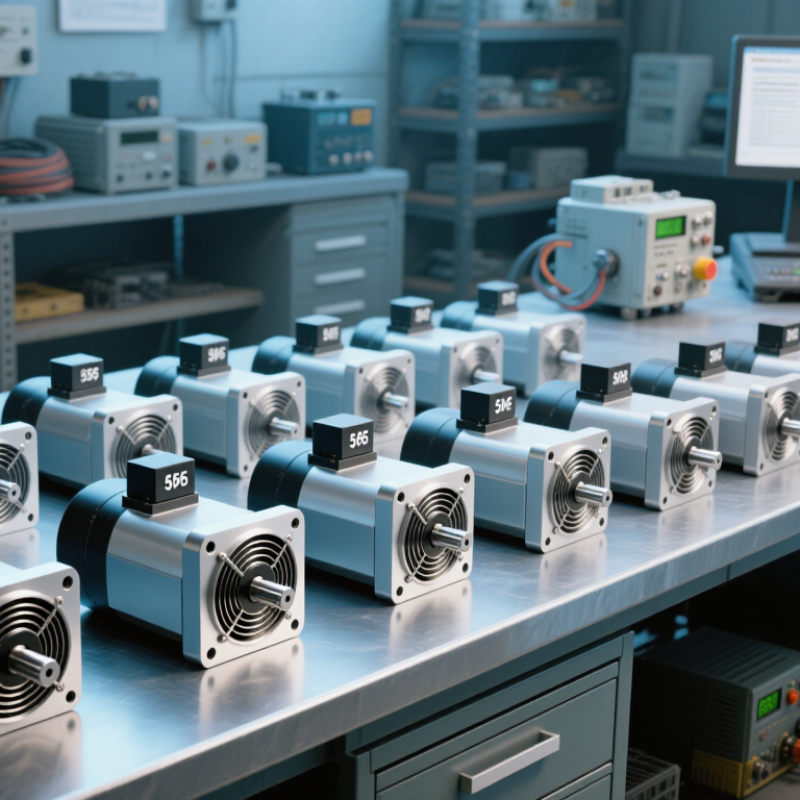
China Top 10 1.5HP Brushless Motor Manufacturers?

What Defines a 1.5 HP Brushless Motor?

What Defines a 1.5 HP Brushless Motor?

A 1.5 HP rating represents about 1.12 kW of mechanical output, not the electricity drawn at the wall. “Brushless” means electronic commutation replaces physical brushes, reducing brush wear and routine maintenance. The controller switches current through the windings as the rotor turns. In practice, this can support precise speed control, but performance depends on the motor and controller working together.

A useful specification sheet shows rated torque, speed, voltage, duty cycle, cooling method, and efficiency—not horsepower alone. The U.S. Department of Energy’s 2014 industry sourcebook estimates that motor-driven systems use about 68% of U.S. industrial electricity. That broad figure explains why efficiency matters, but it does not predict one motor’s operating cost. Check the stated test conditions and load range. A small fan-cooled unit in a dusty enclosure may behave differently from the same rating on a clean test bench. The label alone is not enough; I would compare the torque-speed curve, though buyers sometimes overlook it.

Tips: Match the motor to the machine’s real load and starting demands. Ask for efficiency data at the expected operating point, plus controller compatibility and thermal limits. Horsepower sounds definite. The application may not be.

What Defines a 1.5 HP Brushless Motor?

Theoretical shaft torque at different speeds for a motor rated at 1.5 mechanical horsepower.

1.5 mechanical horsepower is approximately 1,119 watts. The chart estimates torque using constant output power: torque decreases as rotational speed increases. Actual motor torque depends on its design, controller, cooling, and operating conditions; these figures are calculated values, not manufacturer specifications.

Key Criteria for Evaluating Chinese Manufacturers

When evaluating Chinese manufacturers of 1.5HP brushless motors, look beyond headline power ratings. Ask for datasheets showing rated speed, torque, voltage range, duty cycle, and operating temperature. A reliable supplier should explain how these values were measured, not just send a polished chart. Ask for evidence. Numbers need context.

Request test records for temperature rise, efficiency, vibration, and noise under stated loads. Compare results using the same conditions. A motor that runs quietly without a load may behave differently in a compact machine after hours of operation. Small details matter. Check whether production units receive documented inspections and whether components can be traced by batch. Ask how the supplier handles failed samples, design changes, and replacement parts. This comparison is not perfect; a sample can perform well while routine production varies. Review more than one sample where possible. Clear technical answers are useful, but timely updates and realistic lead times matter too. A capable manufacturer should discuss limits openly, including heat, mounting constraints, and performance trade-offs.

China’s Top 10 1.5 HP Brushless Motor Manufacturers

China’s Top 10 1.5 HP Brushless Motor Manufacturers

Choosing a 1.5 HP brushless motor manufacturer in China takes more than comparing catalog prices. Check rated voltage, speed range, torque, cooling method, and the controller supplied with the motor. These details affect performance in pumps, fans, conveyors, and other equipment. Ask for test data under realistic operating conditions, not only a peak-efficiency figure. A motor that runs quietly on a workbench may behave differently inside a warm enclosure.

A useful top-ten comparison should examine manufacturing capability, quality checks, customization options, and after-sales support. Request drawings, insulation details, and information about overload protection. Confirm whether the quoted rating is continuous duty. Small omissions can become costly later. To be fair, a polished specification sheet does not prove consistent production; sample testing and clear communication matter too. The best fit depends on the machine, duty cycle, and installation limits.

Tips: Share your load profile and operating hours before requesting a quote. Compare efficiency at your actual working speed, and ask how the supplier handles vibration checks. Keep the test conditions in writing. That small step helps make supplier comparisons more reliable.

China Top 10 1.5HP Brushless Motor Manufacturers? - China’s Top 10 1.5 HP Brushless Motor Manufacturers
No. Specification to Verify Reliable Reference or Calculation Why It Matters
1 Rated output power 1.5 mechanical horsepower is approximately 1.12 kW (about 1,119 W). Confirms the stated rating refers to motor output, not electrical input power.
2 Rated voltage and current These are model-specific values; check the motor nameplate and matching drive documentation. Ensures the motor and its electronic drive are compatible with the available power supply.
3 Rated speed Obtain the rated speed in r/min from the datasheet; it cannot be determined from horsepower alone. Speed affects the required torque, application fit, and drive settings.
4 Rated torque For power in kW and speed in r/min: torque (N·m) ≈ 9,550 × power (kW) ÷ speed (r/min). Allows a like-for-like comparison when candidate motors have different rated speeds.
5 Motor and drive compatibility A brushless motor requires electronic commutation; verify the specified drive, feedback device, and wiring arrangement. A motor may not operate correctly with an incompatible controller or feedback configuration.
6 Duty rating Check the duty type stated under IEC 60034-1; S1 denotes continuous running duty under the specified conditions. Helps establish whether the motor is specified for the application’s operating cycle.
7 Ingress protection Read the complete IP code on the nameplate or datasheet; IP codes classify protection under IEC 60529. Indicates specified protection against access, solid objects, and water ingress.
8 Insulation and temperature limits Request the insulation thermal class and permitted ambient or winding-temperature limits for the exact model. Supports evaluation of thermal suitability under the intended load and environment.
9 Efficiency and test conditions Compare documented efficiency results with their stated voltage, speed, load, and test method. Efficiency varies with operating conditions and should not be inferred from the horsepower rating.
10 Dimensions, mounting, and documentation Confirm shaft, mounting, outline dimensions, wiring diagram, datasheet, and applicable test or conformity documents for the quoted model. Prevents fit, connection, and verification issues when comparing supplier quotations.

This table provides manufacturer-selection checks, not a verified ranking of companies. Confirm all model-specific values against the supplier’s current datasheet and nameplate.

Comparing Manufacturer Capabilities and Product Specifications

For a 1.5 HP brushless motor, the label is only a starting point. The rating equals roughly 1.12 kW, but useful comparisons need rated speed, continuous torque, peak torque, and duty cycle. Ask whether output is specified at the motor shaft or after a gearbox. That detail changes the comparison.

The IEA’s 2016 Energy Efficiency Market Report estimates that motor-driven systems consume about 53% of global electricity. Efficiency deserves attention, but compare test conditions, not isolated percentages. Check whether the figure includes the drive, and request speed-load curves, temperature-rise data, and control method. Small details matter. A compact unit may run quietly at one speed yet heat up under repeated starts.

Manufacturer capability also shows in validation and documentation: production traceability, vibration testing, overload limits, and clear warranty terms. For a 1.5 HP brushless model, compare controller compatibility, feedback options, enclosure protection, and cooling method against the actual installation. A fan-cooled motor near dust or oil mist may need more maintenance than its specification sheet suggests. I would not rank suppliers from headline efficiency alone; test reports can be difficult to compare, and published figures may omit real operating conditions. Request a sample and measure current, speed, and case temperature under your own load before choosing.

How to Choose a Manufacturer for Your Application

A 1.5 HP brushless motor delivers about 1.12 kW of rated mechanical power. That figure alone cannot tell you whether it suits your machine. The IEA’s 2011 analysis of electric motor-driven systems estimated they use roughly 45% of global electricity. The U.S. Department of Energy’s industry sourcebook reported that motor-driven systems account for about 68% of U.S. manufacturing electricity use. These figures explain why efficiency matters, but they do not replace application testing. A pump, conveyor, and air-handling unit can need very different speed and torque profiles.

Ask manufacturers for the torque-speed curve, rated duty, operating temperature range, and efficiency data at your actual load. Check the controller, cooling method, shaft dimensions, bearing arrangement, and protection rating against the installation. Request test records and sample units, then run them under realistic load and ambient temperature. Listen for vibration and noise; small issues may grow after continuous operation.

I would be cautious about choosing on price or peak efficiency alone. One detail is easy to miss. Confirm how the quoted performance was measured, and whether production units receive the same checks as samples. A clear answer is useful; a vague one deserves follow-up.

Copyright 2025 Fluidra S.A. | Created by BCM Marketing Agencia Privacy Policy Legal note | Cookie policy |

Technical cookies are strictly necessary for our website to work and you can navigate through it. These types of cookies are those that, for example, allow us to identify you, give you access to certain restricted parts of the page if necessary, or remember different options or services already selected by you, such as your privacy preferences. Therefore, they are activated by default, your authorization not being necessary in this regard. Through the configuration of your browser, you can block or alert the presence of this type of cookies, although such blocking will affect the proper functioning of the different functionalities of our website.


The analysis cookies allow us to study the navigation of the users of our website in general (for example, which sections of the page are the most visited, which services are used most and if they work correctly, etc.). From the statistical information on navigation on our website, we can improve both the operation of the page itself and the different services it offers. Therefore, these cookies do not have an advertising purpose, but only serve to make our website work better, adapting to our users in general. By activating them you will contribute to this continuous improvement. You can enable or disable these cookies by checking the corresponding box, being disabled by default.


Functionality cookies allow us to remember your preferences, to personalize certain characteristics and general options of our website, every time you access it (for example, the language in which the information is presented to you, the sections marked as favorites, your browser type, etc.) Therefore, this type of cookies does not have an advertising purpose, but by activating them you will improve the functionality of the website (for example, adapting to your type of browser) and the customization of it based on your preferences (for example, by presenting the information in the language that you have chosen in previous occasions), which will contribute to the ease, usability and comfort of our page during your navigation. You can enable or disable these cookies by checking the corresponding box, being disabled by default.


Advertising cookies allow us to manage the advertising spaces included in our website based on criteria such as the content shown or the frequency in which the ads are displayed. For example, if you have been shown the same ad several times on our website, and you have not shown a personal interest by clicking on it, it will not appear again. In summary, by activating this type of cookies, the advertising shown on our website will be more useful and diverse, and less repetitive. You can enable or disable these cookies by checking the corresponding box, being disabled by default.


Behavioral advertising cookies allow us to obtain information based on the observation of your browsing habits and behaviors on the web, in order to show you advertising content that best suits your personal tastes and interests. To understand it in a very simple way, we will give you a fictitious example: if your last searches on the web were related to suspense literature, we would show you advertising about suspense books. Therefore, activating this type of cookies, the advertising that we show you on our website will not be generic, but will be oriented to your searches, tastes and interests, therefore adjusting exclusively to you. You can enable or disable these cookies by checking the corresponding box, being disabled by default.
To understand it in a very simple way, we will give you a fictitious example: if your last searches on the web were related to suspense literature, we would show you advertising about suspense books. Therefore, activating this type of cookies, the advertising that we show you on our website will not be generic, but will be oriented to your searches, tastes and interests, therefore adjusting exclusively to you. You can enable or disable these cookies by checking the corresponding box, being disabled by default.

SAVE

We use our own and third-party cookies to ensure the proper functioning of the website and to analyse our services, improve your experience on our website and show you advertisements related to your interests according to profiling based on your browsing habits (e.g. websites visited). You can accept all cookies by clicking "ACCEPT" or set or reject them by clicking here. If you would like to know more about the use of cookies, please see our COOKIE POLICY.


ACCEPT ALL
Reject no essentials


