
A Duraband Nozzle Band Heater provides localized heat around an injection-molding machine’s nozzle. Its fit and electrical specifications affect temperature stability, warm-up time, and production consistency. Small differences matter. An undersized heater may leave uneven contact, while a poorly matched wattage can make temperature control harder. Buyers should compare nozzle diameter, heater width, voltage, wattage, lead orientation, and insulation before requesting a quotation. Clear measurements help reduce avoidable fitting problems.
When evaluating a China-based manufacturer, look beyond the product name. Ask how dimensions are confirmed, what materials and insulation options are available, and whether the supplier can provide inspection records or test information for the ordered unit. These details make comparisons more useful than a broad claim of quality. A dependable supplier should explain its specifications plainly and flag limits when a design request needs review. That conversation can reveal practical experience. It can also expose gaps.
This guide introduces key considerations for selecting a Duraband Nozzle Band Heater and assessing potential manufacturers. It focuses on fit, heat transfer, customization, quality checks, and communication during sourcing. No single heater suits every machine. Actual performance depends on equipment condition, installation, and operating settings, so buyers should verify compatibility with their machine documentation or a qualified technician. It is tempting to focus only on price. That can be shortsighted; the right questions before ordering may prevent delays and repeat purchases.
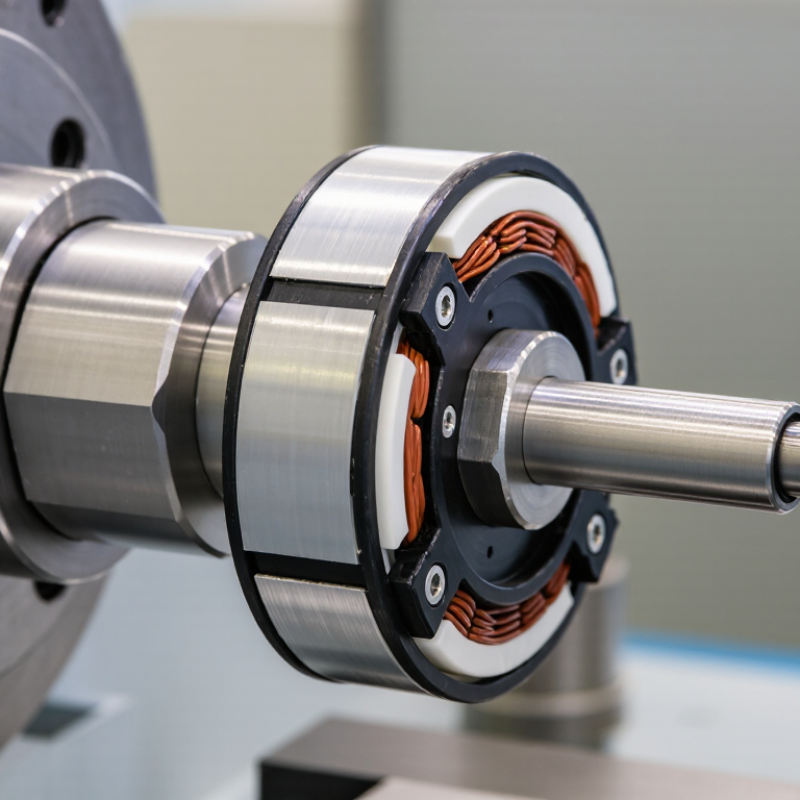
A Duraband nozzle band heater is a compact electric heater that wraps around an injection-molding machine’s nozzle. Its metal band holds a resistance element close to the nozzle surface, directing heat into the steel body and helping maintain melt temperature. Depending on the design, insulation and a thermocouple connection support heat retention and temperature monitoring. The band’s firm fit matters: a visible gap can create uneven heating, while excessive tightening may complicate installation.
The name “Duraband” is not a universal engineering standard, so specifications should take priority over the label. Check nozzle diameter, heated width, voltage, wattage, lead position, and operating temperature before ordering. The U.S. Department of Energy’s process-heating guidance identifies process heat as a major manufacturing energy use, making suitable sizing and temperature control practical efficiency considerations. That does not mean a heater alone guarantees energy savings; machine condition and process settings also matter. Real installations can be less tidy than catalog drawings.
Tips: Measure the nozzle at the actual mounting point. Confirm the heater fits snugly, then check temperature stability during a production run. Keep a record of any cold spots or slow warm-up; small details are easy to overlook.

A nozzle band heater is built from several parts that must work together around a small, often uneven surface. In many designs, a resistance coil sits inside an electrically insulating layer, which is enclosed by a metal sheath. The sheath spreads heat and protects the internal components from handling damage. Clamps or screws pull the band against the nozzle, while insulated terminals connect the heater to a power supply. Small details matter. Loose contact can create uneven heating and shorten service life.
Design choices depend on nozzle diameter, operating temperature, available space, and the machine’s duty cycle. A close-fitting band transfers heat more consistently, but installation still needs room for leads and fasteners. Some assemblies include a thermocouple port for temperature feedback; its position should match the control setup. In practice, a drawing can look precise while a slightly oval nozzle causes a poor fit. Measure the actual surface, not just the nominal diameter. Terminal orientation also deserves attention, since crowded wiring can complicate routine maintenance. There is no perfect layout for every machine, and that trade-off is easy to overlook.
| Component or Design Dimension | Typical Specification or Material | Purpose | Key Design Considerations |
|---|---|---|---|
| Resistance element | Nickel-chromium resistance wire is commonly used. | Generates heat when electrical current passes through the element. | Element layout and wattage should be selected for the required heating profile and operating conditions. |
| Electrical insulation | Compacted magnesium oxide (MgO) is commonly used in mineral-insulated designs. | Electrically isolates the resistance element while transferring heat toward the sheath. | Insulation quality and compaction affect dielectric performance and heat transfer. |
| Outer sheath | Stainless steel or another application-appropriate metal alloy. | Protects the internal element and provides a heat-transfer surface. | Material selection should account for temperature, corrosion exposure, and the surrounding process environment. |
| Band shape and fit | Cylindrical band sized to the nozzle’s outside diameter and required heater width. | Provides close contact between the heater and the nozzle. | Accurate measurements and a suitable fit help reduce air gaps and uneven heating. Dimensions are application-specific. |
| Closure and clamping | Hinged, split, or screw-clamped construction, depending on the design. | Secures the heater around the nozzle and supports surface contact. | Allow sufficient clearance for installation and follow the heater supplier’s specified tightening guidance. |
| Electrical supply | Common supply ratings include 120 V, 230 V, and 240 V AC; availability varies by design. | Provides power to the resistance element. | Confirm the rated voltage, current, wiring arrangement, and controls match the machine’s electrical system. |
| Wattage and heat output | Selected according to nozzle dimensions, target temperature, heat loss, and process requirements. | Determines the rate at which the nozzle is heated. | There is no single suitable wattage for all nozzles; avoid selecting power without checking the application and control method. |
| Temperature sensing | An optional thermocouple may be specified; Type J and Type K are common industrial choices. | Measures temperature for monitoring or closed-loop control. | Sensor type, location, and controller compatibility should be confirmed for the machine and process. |
| Lead wires and terminals | High-temperature leads and insulated terminals appropriate to the heater’s rated conditions. | Connect the heater safely to the electrical supply. | Choose lead length, exit direction, insulation, and terminal protection to suit the installation space and ambient temperature. |
| Operating temperature | Depends on the heater construction, materials, wattage, fit, and operating environment. | Defines the usable temperature conditions for the assembly. | Check the specific product rating and process requirements; a general temperature value should not be assumed for every design. |
A Duraband nozzle band heater converts electrical energy into heat through resistance elements housed inside a shaped metal band. The band wraps around the injection-molding nozzle and is tightened to maintain close contact. As current flows, the resistance element warms the metal casing, which transfers heat into the nozzle and its polymer flow channel. Heat moves gradually, not instantly.
A temperature controller typically reads a thermocouple near the nozzle and switches power to limit temperature changes. Good contact matters: gaps, residue, or uneven tightening can create hot spots and slow heat transfer. During installation, technicians should check the fit, wiring, and sensor position while the equipment is cool. Then they can observe temperature response during warm-up. Small details matter. A heater may appear secure while one edge remains slightly lifted. That assumption deserves checking, because uneven heating can affect melt consistency and increase wear. Control settings also need review after material or process changes; a familiar setting is not always the right one.
A nozzle band heater converts electrical energy into heat through resistance in its heating element. Heat then passes by contact into the nozzle. This chart uses an illustrative constant resistance of 115.2 Ω, equivalent to a 240 V, 500 W example; power is calculated as voltage squared divided by resistance. It is a model, not measured performance data. Actual values depend on heater specifications and operating conditions.
Duraband nozzle band heaters are commonly used around injection-molding machine nozzles, where plastic must stay warm as it moves toward the mold. A fitted heater helps limit heat loss near the nozzle tip and supports consistent melt flow. This matters when processing materials that cool quickly or when production cycles involve frequent stops. Fit matters. A loose band can heat unevenly, while an overly tight installation may complicate servicing.
Extrusion equipment also uses band heaters on nozzle sections and compact heating zones. Operators rely on these zones to bring material to processing temperature and reduce cold spots during startup. Results depend on more than the heater: barrel temperature, screw speed, material condition, and sensor placement all play a part. A heater cannot fix every flow problem. In real production, settings sometimes need adjustment after the first few runs; that is not always convenient, but it is useful feedback.
Tips: Match the heater’s dimensions and voltage to the machine specifications. Check thermocouple contact and wiring before startup. After heating, inspect for uneven temperatures, loose fittings, or damaged leads. Record settings that work for each material, then verify them when conditions change.
When evaluating a Chinese manufacturer of Duraband nozzle band heaters, start with the details behind its specifications. Ask for the heater’s inner diameter, width, voltage, wattage, and recommended operating temperature. These figures should match your nozzle, not just a similar model in a catalog. A small gap can create uneven contact. That matters.
Request a sample and inspect the fit around a clean nozzle. Check the lead placement, insulation, outer casing, and terminal security. Ask how the manufacturer checks resistance, insulation, and heat distribution before shipment. Clear test records are more useful than broad quality claims.
Also discuss material options, drawing approval, production lead time, and how changes are documented. A reliable supplier should explain its process plainly and flag design limits rather than promise that every setup will work.
One point is easy to miss: a heater may pass a basic electrical check yet perform poorly under your actual cycle. Share realistic operating conditions and ask whether testing can reflect them.
If the answers remain vague, pause and reconsider. No supplier is perfect, and a sample may reveal issues that paperwork does not.

Cepex is the brand for the fluid handling market belonging to the Fluidra group. One of the leading european manufacturer of valves and fittings in thermoplastic materials.
Dedicated to the swimming pool, irrigation and industrial markets, we distribute our products worldwide with the Fluidra commercial network and presence in 46 countries with 136 sales branches.


