
What is Ceramic Uf Membrane and How Does It Work?
FLUID HANDLING EXPERTS

Blog, all our news

What is Ceramic Uf Membrane and How Does It Work?

In the realm of water treatment technology, the Ceramic Uf Membrane has emerged as a significant innovation. Renowned expert Dr. Angela Wright states, "The Ceramic Uf Membrane is redefining filtration with durability and efficiency." This underscores the growing importance of this technology in various industries.

Ceramic Uf Membranes utilize a unique process for separating particles from liquids. They offer exceptional resistance to fouling, which enhances their lifespan. As industries strive for sustainable practices, this technology stands out for its effectiveness. Yet, challenges remain. The cost of Ceramic Membranes can be higher than traditional options, making their adoption slower in some sectors.

Investing in Ceramic Uf Membrane technology requires careful consideration of both its advantages and limitations. The potential for improved filtration performance is immense. However, this must be balanced against budget constraints and operational realities. Understanding this nuanced landscape is crucial for both manufacturers and end-users alike.
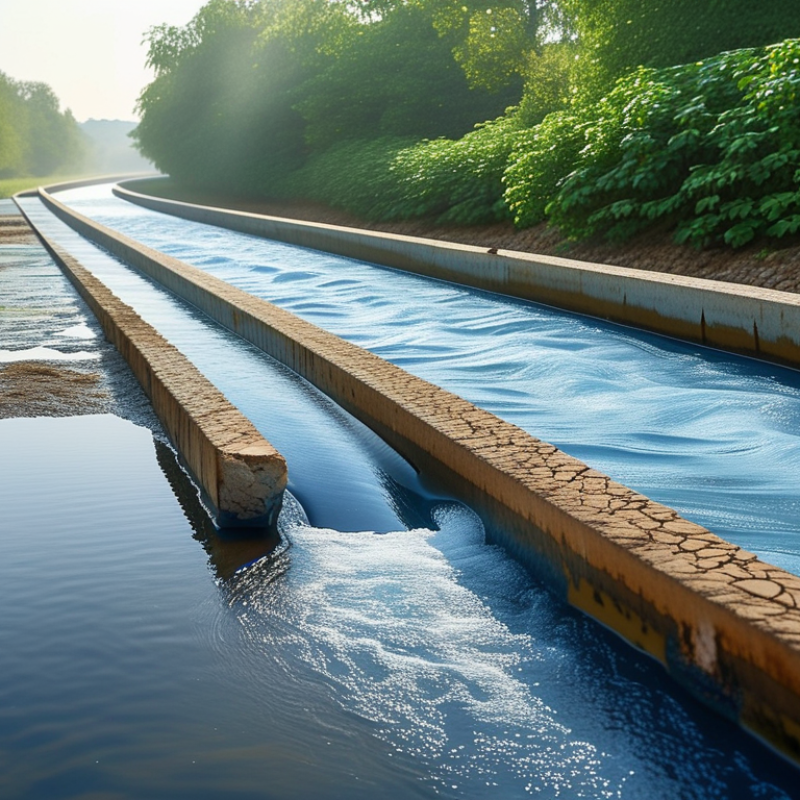
What is Ceramic Uf Membrane and How Does It Work?

What is a Ceramic Uf Membrane?

A Ceramic UF membrane is a sophisticated filtration technology that provides efficient water purification. It is made from advanced ceramic materials, which enhance durability and longevity. Unlike traditional membranes, ceramic UF membranes can withstand harsh conditions, including high temperatures and aggressive chemicals. This robustness allows them to be used in various applications, such as industrial processes and wastewater treatment.

Ceramic UF membranes operate by using micro-sized pores to filter out particles, bacteria, and suspended solids. The filtration process involves pushing water through these tiny pores. The result is high-quality permeate, free from contaminants. It’s fascinating that the ceramic material not only aids in filtration but also minimizes fouling, reducing maintenance requirements.

When considering a Ceramic UF membrane, reflect on your specific needs. The cost can be higher than polymer membranes, but the long-term efficiencies can justify the investment. Evaluate the required flow rate and the types of contaminants present. Understanding these factors can guide you in choosing the right model.

Keep in mind that while these membranes are efficient, they may still require pretreatment in some cases. Always research and consult with experts before making decisions. This step ensures you are informed and can make the best choice for your water purification needs.

Key Features of Ceramic Uf Membranes

Ceramic ultrafiltration (UF) membranes are gaining traction in water treatment. Their robust nature allows them to withstand harsh conditions and high temperatures. This makes them suitable for various applications, including wastewater treatment and drinking water purification. Recent reports indicate that ceramic membranes can achieve over 90% removal efficiency for contaminants, such as bacteria and suspended solids.

One of the key features of ceramic UF membranes is their high chemical resistance. They can endure aggressive cleaning agents, minimizing maintenance frequency. This means a longer lifespan compared to polymer membranes, often lasting more than ten years. Moreover, the pore size of ceramic membranes ranges from 1 to 100 nanometers, enabling effective separation of macromolecules while maintaining high permeate flux.

Another notable advantage is their environmentally friendly profile. Ceramic membranes do not degrade in landfills and can be recycled. However, they can be more expensive initially than traditional membranes. Companies should carefully assess their budget and application needs. While ceramic membranes offer many benefits, some limitations need addressing, including fragility and sensitivity to rapid pressure changes. Balancing these factors is crucial for effective system design and operation.

How Ceramic Uf Membranes Work: The Filtration Process

Ceramic ultrafiltration (UF) membranes are a crucial technology in water purification. These membranes utilize ceramic materials to filter out contaminants from water. The filtration process begins when water flows through the porous ceramic membrane. This membrane has tiny pores, usually ranging from 0.1 to 0.001 micron in size. As water passes through, larger particles, bacteria, and viruses remain on the surface while clean water permeates through.

Recent industry reports highlight that ceramic UF membranes can achieve a removal efficiency of over 99% for bacteria and suspended solids. This effectiveness is crucial in applications such as municipal water treatment and food processing. The ceramic material offers durability and resistance to chemicals, adding to the reliability of the filtration process. However, the initial investment for ceramic membranes can be significant compared to polymer counterparts. End-users must weigh this against long-term operational savings.

Regular maintenance is vital for optimal performance. Cleaning the membranes helps restore their filtration capacity. If left unattended, fouling can occur, leading to reduced flow rates. To enhance the lifespan of these membranes, consider implementing a backwashing process periodically. A rigorous maintenance schedule aids in achieving consistent water quality and maximizing efficiency. It's essential to stay informed about the latest advancements in ceramic membrane technology to improve operational processes continually.

Water Filtration Efficiency of Ceramic UF Membranes

Applications of Ceramic Uf Membranes in Various Industries

Ceramic ultrafiltration (UF) membranes have gained substantial traction in various industries. Their durability and resistance to fouling make them ideal for applications requiring reliable filtration. In the food and beverage sector, these membranes effectively separate proteins and fats from liquids, ensuring product clarity and safety. The ability to operate at high temperatures makes them particularly useful in pasteurization processes. This can enhance the quality of beverages while maintaining compliance with health standards.

In the pharmaceuticals industry, ceramic UF membranes play a critical role in purification. They can effectively remove unwanted contaminants from drug formulations. Their high level of precision ensures that only desired molecules pass through. This is crucial for producing sterile and safe medicinal products. However, the high initial cost of installation can be a barrier for some companies. It is important for manufacturers to weigh these costs against potential long-term savings and efficiency gains.

Environmental applications are also significant. Ceramic UF membranes are essential in wastewater treatment systems, helping to remove suspended solids and pathogens. This not only ensures cleaner water but also supports regulatory compliance. Adopting these systems can still be challenging. Some facilities may struggle with the technical know-how needed for optimal integration and maintenance. Collaboration with experts is often necessary to achieve effective outcomes.

Advantages of Using Ceramic Uf Membranes Over Conventional Membranes

Ceramic ultrafiltration (UF) membranes have gained attention in various industries for their unique advantages. Unlike conventional membranes, ceramic UF membranes offer superior chemical stability. They can withstand extreme pH levels and temperatures, leading to longer operational life. A recent industry report highlights that ceramic membranes can last up to five times longer than polymeric membranes, depending on the application.


In terms of efficiency, ceramic UF membranes exhibit higher permeate flux rates. They allow for faster water flow, which can improve system productivity. Research shows that ceramic membranes can achieve flux rates of 80-100 L/m²/h, compared to typical polymeric membranes with rates around 30-50 L/m²/h. This translates into reduced energy consumption over time. Additionally, their robust nature significantly decreases maintenance needs.


However, there are limitations to consider. The initial capital cost of ceramic UF systems is higher. Despite their longer lifespan, the upfront investment may deter some users. Another area for reflection is fouling potential. While fouling is generally lower with ceramic membranes, certain conditions can still lead to challenges. Understanding these dynamics is crucial for optimal performance and decision-making in various filtration applications.

Copyright 2025 Fluidra S.A. | Created by BCM Marketing Agencia Privacy Policy Legal note | Cookie policy |

Technical cookies are strictly necessary for our website to work and you can navigate through it. These types of cookies are those that, for example, allow us to identify you, give you access to certain restricted parts of the page if necessary, or remember different options or services already selected by you, such as your privacy preferences. Therefore, they are activated by default, your authorization not being necessary in this regard. Through the configuration of your browser, you can block or alert the presence of this type of cookies, although such blocking will affect the proper functioning of the different functionalities of our website.


The analysis cookies allow us to study the navigation of the users of our website in general (for example, which sections of the page are the most visited, which services are used most and if they work correctly, etc.). From the statistical information on navigation on our website, we can improve both the operation of the page itself and the different services it offers. Therefore, these cookies do not have an advertising purpose, but only serve to make our website work better, adapting to our users in general. By activating them you will contribute to this continuous improvement. You can enable or disable these cookies by checking the corresponding box, being disabled by default.


Functionality cookies allow us to remember your preferences, to personalize certain characteristics and general options of our website, every time you access it (for example, the language in which the information is presented to you, the sections marked as favorites, your browser type, etc.) Therefore, this type of cookies does not have an advertising purpose, but by activating them you will improve the functionality of the website (for example, adapting to your type of browser) and the customization of it based on your preferences (for example, by presenting the information in the language that you have chosen in previous occasions), which will contribute to the ease, usability and comfort of our page during your navigation. You can enable or disable these cookies by checking the corresponding box, being disabled by default.


Advertising cookies allow us to manage the advertising spaces included in our website based on criteria such as the content shown or the frequency in which the ads are displayed. For example, if you have been shown the same ad several times on our website, and you have not shown a personal interest by clicking on it, it will not appear again. In summary, by activating this type of cookies, the advertising shown on our website will be more useful and diverse, and less repetitive. You can enable or disable these cookies by checking the corresponding box, being disabled by default.


Behavioral advertising cookies allow us to obtain information based on the observation of your browsing habits and behaviors on the web, in order to show you advertising content that best suits your personal tastes and interests. To understand it in a very simple way, we will give you a fictitious example: if your last searches on the web were related to suspense literature, we would show you advertising about suspense books. Therefore, activating this type of cookies, the advertising that we show you on our website will not be generic, but will be oriented to your searches, tastes and interests, therefore adjusting exclusively to you. You can enable or disable these cookies by checking the corresponding box, being disabled by default.
To understand it in a very simple way, we will give you a fictitious example: if your last searches on the web were related to suspense literature, we would show you advertising about suspense books. Therefore, activating this type of cookies, the advertising that we show you on our website will not be generic, but will be oriented to your searches, tastes and interests, therefore adjusting exclusively to you. You can enable or disable these cookies by checking the corresponding box, being disabled by default.

SAVE

We use our own and third-party cookies to ensure the proper functioning of the website and to analyse our services, improve your experience on our website and show you advertisements related to your interests according to profiling based on your browsing habits (e.g. websites visited). You can accept all cookies by clicking "ACCEPT" or set or reject them by clicking here. If you would like to know more about the use of cookies, please see our COOKIE POLICY.


ACCEPT ALL
Reject no essentials


