
Why Use a Cargo Load Bar for Freight Security?
FLUID HANDLING EXPERTS

Blog, all our news

Why Use a Cargo Load Bar for Freight Security?

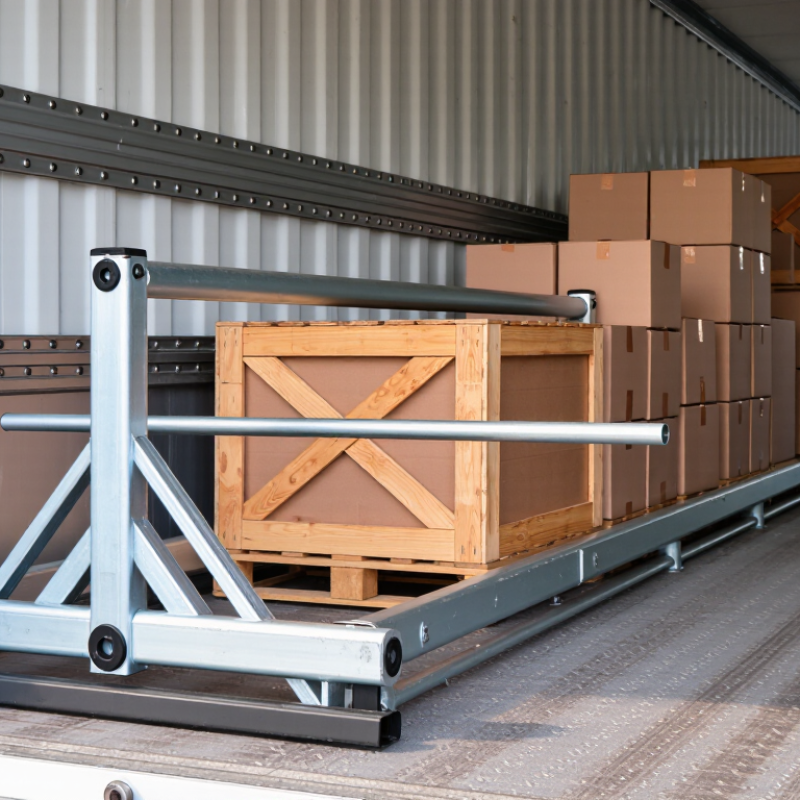
A shifting pallet can turn an ordinary delivery into a costly problem. A Cargo Load Bar helps restrain freight by creating a firm barrier between the load and the trailer walls. In practice, that may mean a steel bar set across a row of cartons, or an adjustable aluminum bar braced behind stacked crates. The goal is simple: reduce movement during braking, cornering, and routine road vibration.

“[Insert a verified quotation from a named cargo-securement expert before publication.]” — [Expert name and credentials to be confirmed]

The right bar can make loading more consistent. It can also help protect cargo, trailer interiors, and workers who unload at the destination. But a bar is not a cure-all. Its fit, working load limit, contact points, and condition matter. A loose ratchet, worn end fitting, or uneven stack can weaken an otherwise sensible setup. Small details count.

There is no universal arrangement. Freight dimensions vary, and a bar suited to one trailer may not fit another. Operators should follow the product instructions and use the bar as part of a complete, properly planned securement system. That takes a little extra attention. Sometimes, the load still needs another restraint. This guide explains how Cargo Load Bar systems work, what to check before use, and where their limits deserve a closer look. Before publishing, replace the quotation placeholder with a sourced statement from a real, identifiable expert; an invented attribution would undermine the advice.
Why Use a Cargo Load Bar for Freight Security?

What a Cargo Load Bar Is and How It Works

A cargo load bar is an adjustable restraint that spans a trailer’s interior, usually between its side walls or logistics tracks. Its end fittings press against those surfaces when the bar is tightened. This pressure helps block cartons, pallets, or other freight from sliding into empty space. Some bars work horizontally; others brace cargo vertically. Small detail, big difference.

FMCSA’s cargo-securement performance standards specify forces of 0.8 g forward and 0.5 g rearward and sideways (49 CFR §393.102). These figures describe securement performance—not the capacity of any individual bar. A bar can look firmly seated and still be poorly matched to the load. Check its working-load limit, end-fitting compatibility, and the trailer’s condition before use. Place it against stable cargo, not a loose carton corner. A clean fit matters. Bars can supplement other securement methods, but should not replace them when the load needs additional restraint. Even careful setups deserve a second check after the first stretch of road.

How Load Bars Restrain Freight During Transit

A cargo load bar restrains freight by spanning the space between a trailer’s side walls or suitable support rails. Its end pads press against those surfaces, creating opposing force that helps limit forward, backward, or sideways movement. The bar is most effective when it fits securely and contacts solid structure, not a loose panel or fragile cargo.

During a sharp turn, a partly filled pallet may shift several inches before anyone notices. A correctly placed bar can close that open space and hold the load in position. It should sit close to the freight, with its locking mechanism fully engaged. Check the bar’s rated capacity and the strength of the surfaces supporting it; a tight fit alone does not prove the setup is safe. Small details matter.

Load bars work best as part of a suitable restraint plan, alongside methods such as blocking or properly applied straps when needed. They are not a cure for poorly balanced freight. It is easy to assume one bar solves every movement problem, but load shape, weight, and trailer condition all change the result. Inspect the bar and its end pads for wear before loading, and recheck the freight after the first leg of a journey when practical. A little caution helps.

Security Benefits of Using a Cargo Load Bar

A cargo load bar creates a sturdy boundary that helps keep freight from sliding during braking, cornering, or bumpy travel. Set it snugly between the trailer walls, just behind the load. On a loaded route, a few inches of movement can become a serious problem. Small gaps matter. If cartons shift, they may crush lighter items or block access during unloading.

A well-fitted bar helps hold boxes, pallets, or other freight in position. It can also reduce pressure on straps by limiting forward or sideways movement. Use it with suitable restraints when the cargo needs them; a load bar is not a substitute for a complete securement plan. Check that its feet sit flat against strong surfaces, not loose panels or uneven packaging. A bent bar or worn end pad may not grip as expected.

Security depends on the details. Before departure, press against the bar and check for movement, then inspect it again after loading changes. Match the bar’s rated capacity to the job, and follow its operating instructions. Even a careful setup can miss something; uneven loads are easy to underestimate. A second look is worthwhile.

How to Choose and Position a Load Bar

Why Use a Cargo Load Bar for Freight Security?

How to Choose and Position a Load Bar

A cargo load bar helps limit sideways movement when freight shifts during transport. Choosing the right one starts with an accurate measurement. Measure the trailer’s interior width at the exact point where the bar will sit. Walls can taper, and a bar that fits near the doors may not fit farther forward.

Fit matters. Check the bar’s rated capacity and follow its instructions. Do not assume a snug fit means it can handle every load.

Position the bar across the trailer, close to the freight, with its ends resting on solid sidewall surfaces. Avoid placing it against loose panels or delicate cartons. Tighten it until secure, but not so hard that it crushes packaging or bows the walls.

For uneven loads, one bar may leave open spaces where smaller items can move. Add suitable restraint where needed. A load bar is not a cure-all, and it should not replace other securement methods. That assumption can be wrong.

Tips: Inspect the locking mechanism and contact pads before loading. After positioning the bar, push the freight gently to check for movement. Recheck after the first short stop; a setup that looked firm may settle on the road.

Safe-Use Checks and Limitations of Cargo Load Bars

Why Use a Cargo Load Bar for Freight Security?

A cargo load bar can help limit movement inside a trailer, especially when cartons leave an open gap near the doors. But it is a restraint aid, not a complete securement system. The Federal Motor Carrier Safety Administration’s cargo-securement standards specify forces of 0.8 g forward and 0.5 g sideways or rearward. Those figures are a useful reminder: a bar must be suitable for the load and used with other restraints when needed.

Check the bar before every trip. Look for bent tubing, damaged end pads, slipping locks, and worn contact surfaces. Set it against firm, compatible walls, then apply pressure and check that it stays seated. Avoid placing it on loose cartons or uneven stacks; a bar can crush packaging without securing the freight beneath it. Its capacity also depends on installation, wall strength, and load arrangement. A small gap can still worry me, even when the bar feels tight.

Tips: Confirm the manufacturer’s rated capacity, distribute freight evenly, and recheck the bar after loading. FMCSA guidance also emphasizes blocking, bracing, and tiedowns where appropriate; a single bar may not control every direction of movement. Don’t guess. If the load shifts during a cautious push, adjust the restraint plan before departure.

Why Use a Cargo Load Bar? Securement Benchmarks and Safe-Use Checks

U.S. cargo-securement rules specify performance benchmarks for the securement system: 0.8 g forward and 0.5 g rearward and laterally. These are system-level benchmarks—not the rated capacity of an individual load bar.

Safe use: Check the bar for damage, confirm it fits securely between suitable surfaces, and follow its manufacturer’s instructions and working-load rating. A load bar can help prevent cargo movement, but it is not a universal substitute for required tiedowns or other securement. See 49 CFR § 393.102 for the system-level benchmarks.

Copyright 2025 Fluidra S.A. | Created by BCM Marketing Agencia Privacy Policy Legal note | Cookie policy |

Technical cookies are strictly necessary for our website to work and you can navigate through it. These types of cookies are those that, for example, allow us to identify you, give you access to certain restricted parts of the page if necessary, or remember different options or services already selected by you, such as your privacy preferences. Therefore, they are activated by default, your authorization not being necessary in this regard. Through the configuration of your browser, you can block or alert the presence of this type of cookies, although such blocking will affect the proper functioning of the different functionalities of our website.


The analysis cookies allow us to study the navigation of the users of our website in general (for example, which sections of the page are the most visited, which services are used most and if they work correctly, etc.). From the statistical information on navigation on our website, we can improve both the operation of the page itself and the different services it offers. Therefore, these cookies do not have an advertising purpose, but only serve to make our website work better, adapting to our users in general. By activating them you will contribute to this continuous improvement. You can enable or disable these cookies by checking the corresponding box, being disabled by default.


Functionality cookies allow us to remember your preferences, to personalize certain characteristics and general options of our website, every time you access it (for example, the language in which the information is presented to you, the sections marked as favorites, your browser type, etc.) Therefore, this type of cookies does not have an advertising purpose, but by activating them you will improve the functionality of the website (for example, adapting to your type of browser) and the customization of it based on your preferences (for example, by presenting the information in the language that you have chosen in previous occasions), which will contribute to the ease, usability and comfort of our page during your navigation. You can enable or disable these cookies by checking the corresponding box, being disabled by default.


Advertising cookies allow us to manage the advertising spaces included in our website based on criteria such as the content shown or the frequency in which the ads are displayed. For example, if you have been shown the same ad several times on our website, and you have not shown a personal interest by clicking on it, it will not appear again. In summary, by activating this type of cookies, the advertising shown on our website will be more useful and diverse, and less repetitive. You can enable or disable these cookies by checking the corresponding box, being disabled by default.


Behavioral advertising cookies allow us to obtain information based on the observation of your browsing habits and behaviors on the web, in order to show you advertising content that best suits your personal tastes and interests. To understand it in a very simple way, we will give you a fictitious example: if your last searches on the web were related to suspense literature, we would show you advertising about suspense books. Therefore, activating this type of cookies, the advertising that we show you on our website will not be generic, but will be oriented to your searches, tastes and interests, therefore adjusting exclusively to you. You can enable or disable these cookies by checking the corresponding box, being disabled by default.
To understand it in a very simple way, we will give you a fictitious example: if your last searches on the web were related to suspense literature, we would show you advertising about suspense books. Therefore, activating this type of cookies, the advertising that we show you on our website will not be generic, but will be oriented to your searches, tastes and interests, therefore adjusting exclusively to you. You can enable or disable these cookies by checking the corresponding box, being disabled by default.

SAVE

We use our own and third-party cookies to ensure the proper functioning of the website and to analyse our services, improve your experience on our website and show you advertisements related to your interests according to profiling based on your browsing habits (e.g. websites visited). You can accept all cookies by clicking "ACCEPT" or set or reject them by clicking here. If you would like to know more about the use of cookies, please see our COOKIE POLICY.


ACCEPT ALL
Reject no essentials


