
Can Body Making Machine Manufacturers in China?
FLUID HANDLING EXPERTS

Blog, all our news

Can Body Making Machine Manufacturers in China?

Can Body Making Machine manufacturers in China? This question deserves more than a quick online search. China has a large industrial equipment sector, including suppliers of machinery for two-piece and three-piece metal can production. However, capability differs widely between factories. Some build complete production lines, while others focus on body makers, welding systems, flangers, or replacement parts.

A reliable evaluation begins with practical evidence. Factory experience matters. Ask whether the manufacturer has installed similar equipment for food, beverage, aerosol, or industrial packaging applications. Request videos of live production, sample cans, machine drawings, and documented output data. A serious supplier should explain material thickness, can diameter, production speed, changeover time, and maintenance requirements clearly. Details matter.

Technical support is equally important. The machine may perform well during a demonstration, yet struggle with local materials or unstable power conditions. Confirm testing procedures, quality-control records, spare-parts availability, installation support, and operator training. ISO 9001 certification can indicate structured management, but certification alone proves little about machine performance. A factory visit, independent inspection, and production trial offer stronger assurance.

The phrase Can Body Making Machine should therefore lead to careful comparison, not a simple price decision. Experienced buyers often compare total ownership costs, including tooling, energy use, downtime, and after-sales service. Some suppliers provide excellent engineering but communicate slowly. Others offer attractive prices but limited customization. That weakness should not be ignored. A balanced review can identify trustworthy Chinese manufacturers while recognizing that no supplier is perfect. The final choice should match the can specification, production volume, compliance needs, and long-term support expectations.
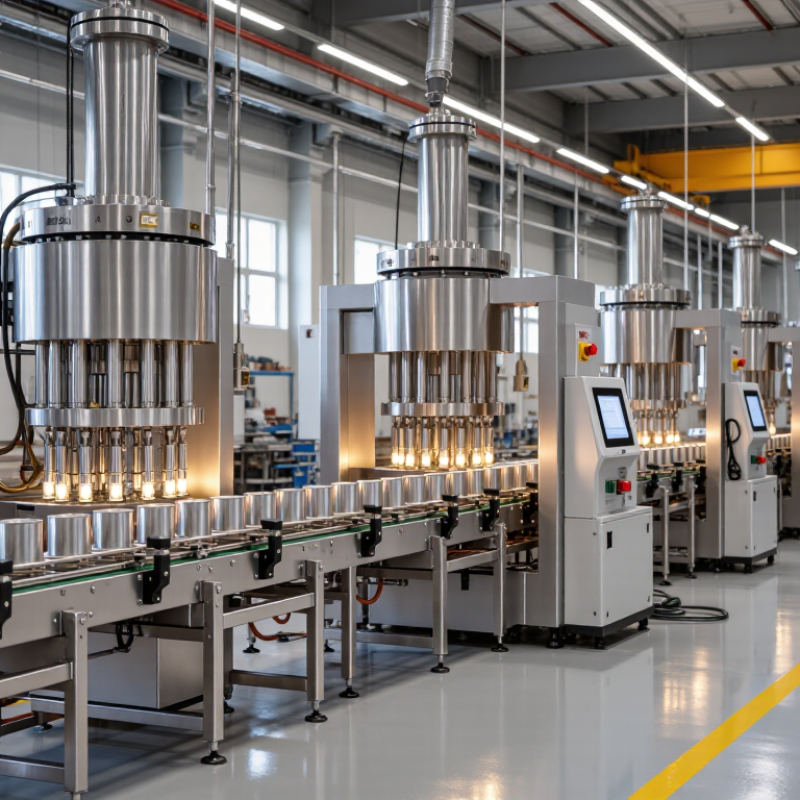
Can Body Making Machine Manufacturers in China?

Definition and Role of Body Making Machines

Can body making machines shape flat metal sheets into strong, accurate can bodies. They are core equipment in modern can production lines. A typical machine performs feeding, forming, welding, and sizing operations. Some systems also check body diameter and seam alignment during production. These steps convert a printed or coated sheet into a tubular container. The machine must control pressure, speed, and temperature carefully. Small errors can create wrinkles, weak welds, or uneven edges. That is why operators inspect samples at regular intervals. The definition sounds simple. The engineering is not.

The role of a body making machine extends beyond basic forming. It supports stable output, material efficiency, and consistent product dimensions. In a busy factory, sensors monitor sheet position and welding conditions. Automatic adjustments can reduce downtime, but they cannot replace skilled supervision. An experienced technician still checks electrode wear, lubrication, and finished bodies under bright inspection lights. Poor maintenance may cause repeated defects within minutes. In my view, manufacturers in China should provide clear operating data, accessible spare parts, and practical training. Buyers also need to test the machine with their actual material. Laboratory results may not reflect daily production. A perfect specification sheet can still disappoint on the factory floor.

Can Body Making Machines: Common Two-Piece Can Formats

Body making machines transform flat metal sheets into seamless can bodies through drawing and ironing operations. The chart compares representative nominal body diameters used for common two-piece beverage can formats. Different diameters require suitable tooling, dies, punches, and machine settings.

Types of Body Making Machines Manufactured in China

China’s body making machine manufacturers produce equipment for several metal packaging processes. The main distinction is the can structure: two-piece or three-piece. For two-piece cans, drawing and ironing machines form a cup from coated steel or aluminum sheet. A punch draws the blank, while ironing rings lengthen and thin the wall. The result is a seamless body with a closed base. Precise lubrication matters.

Manufacturers also build bodymakers for drawn-and-ironed food, beverage, and industrial containers. These lines may include cup presses, shell presses, trimmers, washers, dryers, and inspection units. Three-piece can production uses sheet slitting, body forming, welding, and seam finishing machines. Welded bodies need stable alignment. A small offset can affect sealing and appearance. For shaped containers, necking and flanging machines reduce the opening gradually. Some systems add beading, curling, or bottom reforming stations for greater rigidity.

From practical factory evaluations, buyers should examine output speed, material thickness, tooling changes, and spare-part access. Ask for sample runs using your actual coated sheet. This reveals wrinkles, burrs, oil residue, and dimensional drift. It is useful evidence. Servo control can improve repeatability, while mechanical systems may suit simpler lines. No configuration is perfect. A high-speed machine can still waste material when setup training is weak. Reliable manufacturers provide drawings, trial data, maintenance guidance, and operator training. Their technical claims should match measured production results, not only catalogue figures.

Key Manufacturing Processes and Technologies

Can body making machine manufacturers in China are increasingly judged by process stability, not only production speed. A modern line begins with coil slitting, cup forming, and deep drawing. Drawing and ironing then reduce wall thickness while extending the can body. Trimming creates a uniform rim. Washing removes oil before printing and coating. Necking and flanging complete the container shape.

Servo-driven presses improve stroke control and reduce mechanical variation. Inline cameras detect dents, wrinkles, pinholes, and uneven flanges. Laser or electronic sensors can monitor wall thickness during production. The International Aluminium Institute reports that recycling aluminium uses about 95% less energy than producing primary aluminium. This makes material recovery and low-scrap forming important cost factors. However, energy savings depend on collection quality and furnace efficiency. That detail is sometimes overlooked.

Tips: Ask manufacturers for trial data, not only catalogue speed. Check output at your target alloy, diameter, and wall thickness. Confirm die-life records and lubrication control. A stable machine should show low rejection rates across several shifts. The Can Manufacturers Institute has reported recycled content levels above 70% for aluminium beverage cans in recent industry data. Chinese suppliers may achieve different results because material grades, inspection standards, and operator training vary. One weak point remains clear: high automation cannot fully correct poor coil quality. Pilot testing is still necessary.

Quality Standards and Certification Requirements

Can Body Making Machine Manufacturers in China?

Quality Standards and Certification Requirements

Chinese can body making machine manufacturers can meet demanding international requirements, but certification should be verified, not assumed. A reliable supplier should operate under ISO 9001 quality management procedures. These procedures should cover incoming steel inspection, welding control, assembly checks, and final testing.

For European shipments, CE compliance may apply to the complete machine. It can involve machinery safety, electrical safety, and electromagnetic compatibility requirements. CE marking is not a universal quality certificate. Ask for the technical file, risk assessment, declaration of conformity, and test records. For other markets, electrical components may need additional approvals, such as UL or CSA-related requirements. These depend on the destination and machine design.

Practical experience matters.

Request a factory audit before signing. Check whether operators use calibrated gauges and documented inspection plans. Review sample can dimensions, production speed, noise levels, and emergency-stop performance during a factory acceptance test.

Material certificates should trace critical steel parts to approved suppliers. Software backups and spare-parts lists also deserve attention.

Some suppliers present certificates without explaining their scope or validity. That is a warning sign. Certification documents can be genuine yet unsuitable for your exact model. I would also question unusually perfect test reports. Real production has small deviations, and responsible engineers explain how they control them.

A clear warranty, installation plan, training schedule, and response procedure provide stronger evidence of reliability.

How to Evaluate Chinese Body Making Machine Manufacturers

How to Evaluate Chinese Body Making Machine Manufacturers

Choosing a Chinese body making machine manufacturer requires more than comparing quotations. Examine its experience with two-piece or three-piece can production, material thickness, and required output. Ask for recent factory videos, machine layouts, and customer references from similar production environments. A reliable supplier should provide measured data, not only attractive promises. Check forming accuracy, line speed, scrap rates, and continuous operating records.

The International Aluminium Institute reports that recycled aluminium uses about 95% less energy than primary aluminium. Therefore, evaluate whether the machine controls material waste and supports stable recycling practices. Request sample cans from your material grade. Measure wall thickness, diameter, height, and surface defects independently. Small errors become expensive at high speed. Very expensive.

Factory quality systems also matter. Confirm ISO 9001 certification, welding procedures, electrical standards, and documented inspection points. The World Bank’s 2023 Logistics Performance Index gave China a logistics score of 3.7 out of 5, showing strong export capability, but delivery reliability still varies between suppliers. Review packing methods, spare-parts availability, installation support, and response times in writing. A factory visit can reveal details that brochures hide, such as unfinished wiring or crowded assembly areas. I once underestimated training requirements; the machine was capable, but operators needed clearer instructions. Include factory acceptance testing, performance guarantees, and remote diagnostic access before signing.

Can Body Making Machine Manufacturers in China? - How to Evaluate Chinese Can Body Making Machine Manufacturers

Evaluation Dimension Practical Benchmark Evidence to Request Suggested Weight Rating Guide
Product Compatibility The machine should match the required can diameter, height, steel or aluminum thickness, coating type, and body-forming process. Approved drawings, material specifications, tooling list, and a sample production test using the buyer’s material. 15% 5 = Fully validated
3 = Partly validated
1 = No test evidence
Rated Production Speed Compare guaranteed output under continuous operating conditions, not only the machine’s no-load or short-term maximum speed. Factory acceptance test records showing speed, uptime, material size, reject rate, and test duration. 15% 5 = Guaranteed production target
3 = Demonstration only
1 = Unsupported claim
Can Body Quality Finished bodies should meet the agreed dimensional tolerances, weld or seam integrity requirements, flange condition, and surface-quality standards. Inspection plan, dimensional reports, leak-test results, sample cans, and documented acceptance tolerances. 15% 5 = Measured and controlled
3 = Basic inspection
1 = Visual inspection only
Tooling and Changeover Tooling must be designed for the selected can format, with clear procedures for setup, adjustment, lubrication, and format changeover. Tooling drawings, spare tooling quotation, changeover procedure, and recorded changeover time. 10% 5 = Fast and repeatable
3 = Manual adjustment required
1 = Unclear tooling plan
Automation and Controls The control system should provide fault alarms, recipe storage, safety interlocks, emergency stops, and access to operating data. Electrical schematics, control-system manual, alarm list, safety-circuit description, and operating demonstration. 10% 5 = Complete diagnostics
3 = Standard controls
1 = Limited monitoring
Safety and Compliance The machine should include guarding, emergency-stop devices, electrical protection, safety instructions, and documentation suitable for the destination market. Risk assessment, declaration of conformity where applicable, electrical test records, safety manual, and machine photographs. 10% 5 = Documented and verified
3 = Basic documentation
1 = Missing records
Manufacturing and Quality System A controlled production process should cover incoming inspection, machining, assembly, calibration, final testing, and nonconformity handling. Factory audit, quality certificates, process-control records, calibration certificates, and final inspection reports. 10% 5 = Traceable system
3 = Partial records
1 = Informal process
After-Sales Service The supplier should provide installation, commissioning, operator training, troubleshooting, remote support, and a defined response process. Service-level agreement, training plan, support channels, technician qualifications, and spare-parts response procedure. 10% 5 = Structured global support
3 = Basic remote support
1 = No defined process
Spare Parts Availability Wear parts, sensors, seals, bearings, tooling components, and electrical parts should have clear part numbers and replenishment arrangements. Recommended spare-parts list, stock policy, lead-time schedule, interchangeability details, and maintenance intervals. 5% 5 = Parts clearly stocked
3 = Standard lead times
1 = Uncertain supply
Total Cost of Ownership Evaluate purchase price together with tooling, installation, utilities, maintenance, consumables, downtime risk, and operator requirements. Itemized quotation, utility-consumption data, maintenance schedule, warranty terms, and five-year operating-cost estimate. 5% 5 = Transparent lifecycle cost
3 = Partial costing
1 = Price-only quotation
Recommended Decision Threshold Proceed to commercial negotiation only when the manufacturer achieves at least 80% of the weighted score, passes the technical sample test, provides verifiable documentation, and accepts written performance criteria in the contract.

Note: The benchmarks above are procurement criteria rather than claims about any specific manufacturer. Final requirements should be confirmed against the can format, material grade, production volume, destination-market regulations, and agreed factory-acceptance-test conditions.

Copyright 2025 Fluidra S.A. | Created by BCM Marketing Agencia Privacy Policy Legal note | Cookie policy |

Technical cookies are strictly necessary for our website to work and you can navigate through it. These types of cookies are those that, for example, allow us to identify you, give you access to certain restricted parts of the page if necessary, or remember different options or services already selected by you, such as your privacy preferences. Therefore, they are activated by default, your authorization not being necessary in this regard. Through the configuration of your browser, you can block or alert the presence of this type of cookies, although such blocking will affect the proper functioning of the different functionalities of our website.


The analysis cookies allow us to study the navigation of the users of our website in general (for example, which sections of the page are the most visited, which services are used most and if they work correctly, etc.). From the statistical information on navigation on our website, we can improve both the operation of the page itself and the different services it offers. Therefore, these cookies do not have an advertising purpose, but only serve to make our website work better, adapting to our users in general. By activating them you will contribute to this continuous improvement. You can enable or disable these cookies by checking the corresponding box, being disabled by default.


Functionality cookies allow us to remember your preferences, to personalize certain characteristics and general options of our website, every time you access it (for example, the language in which the information is presented to you, the sections marked as favorites, your browser type, etc.) Therefore, this type of cookies does not have an advertising purpose, but by activating them you will improve the functionality of the website (for example, adapting to your type of browser) and the customization of it based on your preferences (for example, by presenting the information in the language that you have chosen in previous occasions), which will contribute to the ease, usability and comfort of our page during your navigation. You can enable or disable these cookies by checking the corresponding box, being disabled by default.


Advertising cookies allow us to manage the advertising spaces included in our website based on criteria such as the content shown or the frequency in which the ads are displayed. For example, if you have been shown the same ad several times on our website, and you have not shown a personal interest by clicking on it, it will not appear again. In summary, by activating this type of cookies, the advertising shown on our website will be more useful and diverse, and less repetitive. You can enable or disable these cookies by checking the corresponding box, being disabled by default.


Behavioral advertising cookies allow us to obtain information based on the observation of your browsing habits and behaviors on the web, in order to show you advertising content that best suits your personal tastes and interests. To understand it in a very simple way, we will give you a fictitious example: if your last searches on the web were related to suspense literature, we would show you advertising about suspense books. Therefore, activating this type of cookies, the advertising that we show you on our website will not be generic, but will be oriented to your searches, tastes and interests, therefore adjusting exclusively to you. You can enable or disable these cookies by checking the corresponding box, being disabled by default.
To understand it in a very simple way, we will give you a fictitious example: if your last searches on the web were related to suspense literature, we would show you advertising about suspense books. Therefore, activating this type of cookies, the advertising that we show you on our website will not be generic, but will be oriented to your searches, tastes and interests, therefore adjusting exclusively to you. You can enable or disable these cookies by checking the corresponding box, being disabled by default.

SAVE

We use our own and third-party cookies to ensure the proper functioning of the website and to analyse our services, improve your experience on our website and show you advertisements related to your interests according to profiling based on your browsing habits (e.g. websites visited). You can accept all cookies by clicking "ACCEPT" or set or reject them by clicking here. If you would like to know more about the use of cookies, please see our COOKIE POLICY.


ACCEPT ALL
Reject no essentials


