
What is a Bus Bar and How Does it Work?
FLUID HANDLING EXPERTS

Blog, all our news

What is a Bus Bar and How Does it Work?

In the world of electrical engineering, the concept of a Bus Bar plays a critical role in power distribution. Renowned industry expert, Dr. James Whitaker, emphasizes its importance. He states, "A Bus Bar is the backbone of electrical systems, ensuring efficient energy flow." This statement highlights how Bus Bars serve as crucial conduits in various applications.

Bus Bars are metallic strips or bars used to connect multiple circuits or systems. They distribute electrical power effectively in substations, commercial buildings, and industrial setups. Their design and material choice impact their efficiency and durability. Engineers often face challenges in ensuring optimal conditions for Bus Bars due to heat dissipation and current load.

Expanding on this, the reliability of Bus Bars is essential for system stability. Despite their advantages, issues such as corrosion can affect performance. It’s vital for professionals to regularly assess and maintain these components. The complexity of engineering decisions relating to Bus Bars may leave room for error and reevaluation, stressing the need for ongoing education in the field.
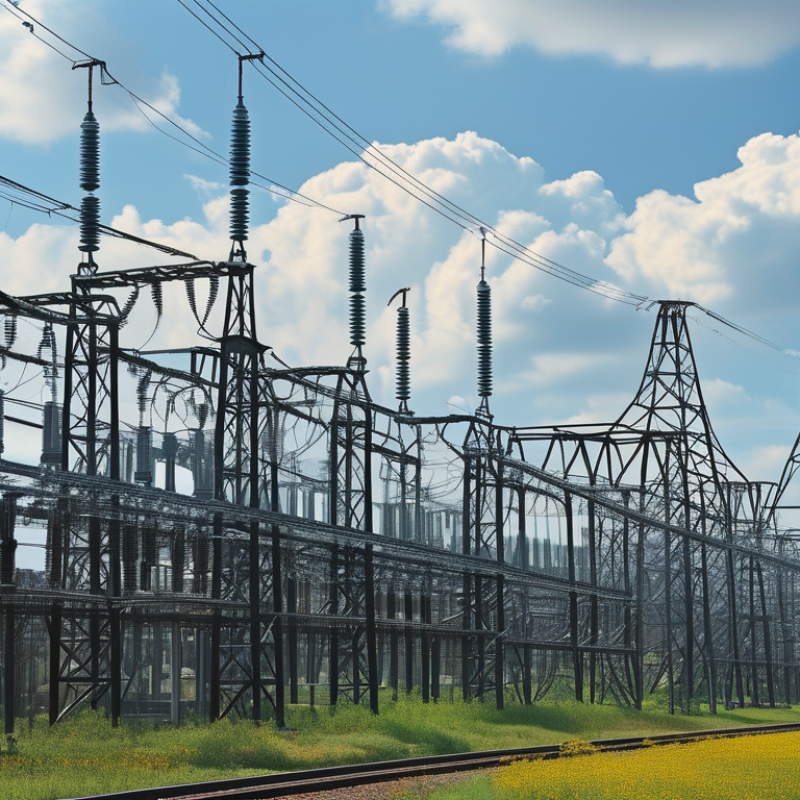
What is a Bus Bar and How Does it Work?

What is a Bus Bar?

A bus bar is a crucial component in electrical systems. It is a thick strip or bar made of conductive material like copper or aluminum. Its main function is to collect and distribute electric power to various components. This helps to manage the electrical load efficiently. Bus bars are commonly found in switchgear, distribution boards, and substations.

In operation, multiple circuits connect to the bus bar. This setup ensures smooth power distribution with minimal resistive losses. The design of a bus bar allows it to carry high currents efficiently. You will often find bus bars in environments that require high power, like industrial settings. Installing a bus bar requires careful planning. It must suit the specific electrical load and comply with safety standards.

Tips: Regular maintenance is essential for bus bars. Check for corrosion or signs of wear. Over time, connections can loosen. This can lead to overheating or electrical failures. Always ensure the bus bar is clean and properly secured. Investing in quality installation can save future repair costs. Make sure to consult a professional during installation.

The Functionality of Bus Bars in Electrical Systems

Bus bars are crucial components in electrical systems, serving as the backbone for power distribution. These conductive strips facilitate the flow of electricity between various devices and circuits. They are typically made from materials like copper or aluminum, chosen for their excellent conductivity. The design of bus bars allows for efficient heat dissipation, which is vital in high-current applications.

In terms of functionality, bus bars connect multiple electrical circuits, ensuring seamless distribution of power. They help minimize resistance and energy loss during transmission. This efficient configuration enables devices to operate reliably. However, improper installation or insufficient maintenance can lead to failures. Regular inspections are necessary to spot corrosion and wear.

While bus bars enhance efficiency, they are not without challenges. For instance, their size and weight can complicate installation in tight spaces. Additionally, a lack of proper understanding among technicians can lead to mistakes. A poor connection can result in short circuits or overheating. These flaws are important to recognize and address for maintaining system integrity.

Types of Bus Bars and Their Applications

Bus bars are critical components in electrical systems, serving as conductive pathways for distributing power. Various types of bus bars are designed for specific applications, each with unique characteristics. The most common types include copper and aluminum bus bars. Copper bus bars are preferred for higher conductivity and lower resistance, while aluminum bus bars offer a lighter solution with good durability. According to a report by the International Energy Agency, copper bus bars can improve energy efficiency by up to 25% in industrial settings.

Bus bars find applications in numerous industries. They are vital in power distribution networks, renewable energy systems, and data centers. In renewable energy, for instance, bus bars facilitate the connection of solar panels to inverters. A report by the Solar Energy Industries Association found that efficient bus bar design can enhance solar panel performance by as much as 10%. Similarly, in data centers, bus bars simplify the organization of power supplies, contributing to better airflow and cooling.

Despite their advantages, bus bars require careful installation and maintenance. Improper connections can lead to increased resistance and overheating. Industry studies suggest that regular inspections can mitigate these risks and extend the lifespan of bus bars. Balancing efficiency with safety is essential for optimal performance.

Bus Bar Types and Their Applications

Benefits of Using Bus Bars in Electrical Installations

Bus bars are essential components in modern electrical installations. They improve efficiency and scalability in large systems. One major benefit is their ability to handle high current loads with minimal resistance. According to a report by the International Electrotechnical Commission, bus bars can carry up to 10% more current than equivalent cables while reducing thermal losses by 15%.

Another significant advantage of bus bars is their space-efficient design. In tight areas, they save valuable room, allowing for more compact setups. This aspect is critical as systems grow, especially in industrial settings. Efficient use of space can enhance overall system performance. However, improper installation can lead to overheating and failures, showing that expertise is crucial.

Moreover, bus bars facilitate easier maintenance and upgrades. Their modular nature allows for quick adjustments without extensive rewiring. A study by the Electric Power Research Institute indicated that systems utilizing bus bars experienced 30% fewer outages due to easier fault identification. This reliability is essential for minimizing downtime in crucial operations. Nevertheless, the initial cost can be higher, prompting some teams to reconsider their choices.

Installation and Maintenance Considerations for Bus Bars

Bus bars are essential components in electrical systems, enabling the efficient distribution of electricity. Their installation is crucial for optimal performance and safety. When installing a bus bar, consider factors like the environment and load requirements. Ensure the area is clean and dry. Proper spacing reduces heat buildup.

Tip: Always verify the current rating before installation. Underestimating could lead to overheating and failures.

Maintenance is equally important. Regular inspections help identify corrosion and wear. A visual check should be part of your routine. Cleaning bus bars with appropriate materials can enhance conductivity and prolong lifespan.

Tip: Document each maintenance event. This will help track performance and catch issues early.

Remember, improper installation or maintenance might lead to costly repairs or downtime. Engage with experienced professionals when possible. Always prioritize safety and reliability in your electrical installations.

Article Source:

Copyright 2025 Fluidra S.A. | Created by BCM Marketing Agencia Privacy Policy Legal note | Cookie policy |

Technical cookies are strictly necessary for our website to work and you can navigate through it. These types of cookies are those that, for example, allow us to identify you, give you access to certain restricted parts of the page if necessary, or remember different options or services already selected by you, such as your privacy preferences. Therefore, they are activated by default, your authorization not being necessary in this regard. Through the configuration of your browser, you can block or alert the presence of this type of cookies, although such blocking will affect the proper functioning of the different functionalities of our website.


The analysis cookies allow us to study the navigation of the users of our website in general (for example, which sections of the page are the most visited, which services are used most and if they work correctly, etc.). From the statistical information on navigation on our website, we can improve both the operation of the page itself and the different services it offers. Therefore, these cookies do not have an advertising purpose, but only serve to make our website work better, adapting to our users in general. By activating them you will contribute to this continuous improvement. You can enable or disable these cookies by checking the corresponding box, being disabled by default.


Functionality cookies allow us to remember your preferences, to personalize certain characteristics and general options of our website, every time you access it (for example, the language in which the information is presented to you, the sections marked as favorites, your browser type, etc.) Therefore, this type of cookies does not have an advertising purpose, but by activating them you will improve the functionality of the website (for example, adapting to your type of browser) and the customization of it based on your preferences (for example, by presenting the information in the language that you have chosen in previous occasions), which will contribute to the ease, usability and comfort of our page during your navigation. You can enable or disable these cookies by checking the corresponding box, being disabled by default.


Advertising cookies allow us to manage the advertising spaces included in our website based on criteria such as the content shown or the frequency in which the ads are displayed. For example, if you have been shown the same ad several times on our website, and you have not shown a personal interest by clicking on it, it will not appear again. In summary, by activating this type of cookies, the advertising shown on our website will be more useful and diverse, and less repetitive. You can enable or disable these cookies by checking the corresponding box, being disabled by default.


Behavioral advertising cookies allow us to obtain information based on the observation of your browsing habits and behaviors on the web, in order to show you advertising content that best suits your personal tastes and interests. To understand it in a very simple way, we will give you a fictitious example: if your last searches on the web were related to suspense literature, we would show you advertising about suspense books. Therefore, activating this type of cookies, the advertising that we show you on our website will not be generic, but will be oriented to your searches, tastes and interests, therefore adjusting exclusively to you. You can enable or disable these cookies by checking the corresponding box, being disabled by default.
To understand it in a very simple way, we will give you a fictitious example: if your last searches on the web were related to suspense literature, we would show you advertising about suspense books. Therefore, activating this type of cookies, the advertising that we show you on our website will not be generic, but will be oriented to your searches, tastes and interests, therefore adjusting exclusively to you. You can enable or disable these cookies by checking the corresponding box, being disabled by default.

SAVE

We use our own and third-party cookies to ensure the proper functioning of the website and to analyse our services, improve your experience on our website and show you advertisements related to your interests according to profiling based on your browsing habits (e.g. websites visited). You can accept all cookies by clicking "ACCEPT" or set or reject them by clicking here. If you would like to know more about the use of cookies, please see our COOKIE POLICY.


ACCEPT ALL
Reject no essentials


