
Who Are the Best Thermoforming Mold Manufacturers in China?
FLUID HANDLING EXPERTS

Blog, all our news

Who Are the Best Thermoforming Mold Manufacturers in China?

Choosing among the best thermoforming mold manufacturers in China takes more than comparing prices or polished product photos. A mold may look precise on a screen, yet struggle with uneven wall thickness or slow cooling on the production floor. The details matter. Buyers should examine a manufacturer’s experience with the intended plastic, part geometry, tooling material, venting, and production volume.

Thermoforming expert James L. Throne has written extensively about the process. A fair paraphrase, not a verbatim quotation, of his process-centered perspective is: “A successful mold balances material behavior, heat, pressure, and part geometry.” That principle is practical. Ask how a supplier manages temperature variation, provides for air evacuation, and checks dimensional repeatability. Request relevant case studies, inspection records, and a clear explanation of design revisions. Then compare what each manufacturer can demonstrate, not only what its brochure promises.

There is no single best supplier for every project. Some manufacturers may excel at fast prototypes; others may offer stronger support for complex, high-volume tooling. Communication deserves scrutiny, too. A delayed answer about cooling channels can signal a real coordination problem. Still, one imperfect sample does not tell the whole story; production conditions and setup deserve review. This guide will compare capabilities, quality controls, customization, lead times, and after-sales support, while noting where evidence remains limited. The aim is a grounded shortlist—not an unverified ranking.
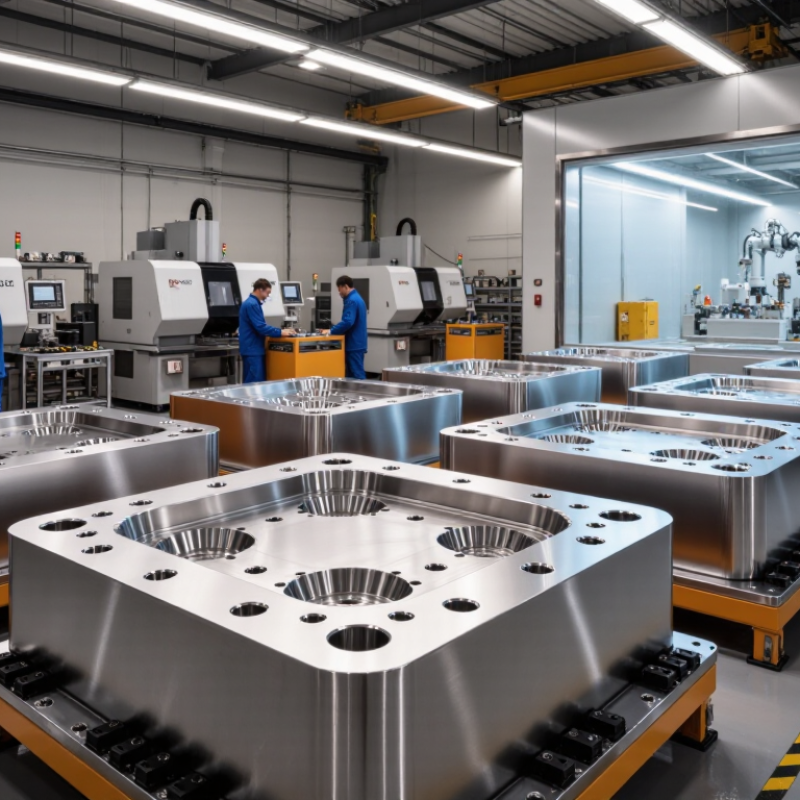
Who Are the Best Thermoforming Mold Manufacturers in China?

Understanding Thermoforming Molds and Their Applications

Thermoforming molds shape heated plastic sheets into usable parts. In vacuum forming, suction pulls the softened sheet against the mold; pressure forming adds air pressure for sharper details. Common mold materials include aluminum for production and lower-cost tooling materials for prototypes. The right choice depends on production volume, part geometry, surface finish, and cooling needs.

These molds serve many industries. Packaging trays need consistent cavities and clean edges. Vehicle interior panels may require textured surfaces and precise contours. Appliance housings often need broad, smooth faces. Small vent holes help remove trapped air, while suitable draft angles make parts easier to release. Wall thickness can still vary around deep corners, so mold design and forming trials matter.

Tips: Share sample drawings, target material, and expected volume with a mold maker. Ask how they check cooling, vent placement, and part release. Inspect a formed sample, not just the mold surface.

A polished tool does not guarantee a consistent part. Sheet temperature, heating time, and clamping can affect results, even when the mold stays unchanged. This is easy to underestimate. For complex shapes, a prototype run can reveal thinning or wrinkles before production tooling is finalized. Clear inspection criteria also help both sides discuss defects using the same measurements.

Thermoforming Sheet Temperature Windows

Indicative forming-temperature ranges for commonly thermoformed plastics. These ranges help inform mold and process selection; actual settings vary with sheet grade, thickness, and equipment.

Temperature ranges are approximate reference values, not universal specifications. Check the sheet supplier’s technical data before setting a forming process.

China’s Thermoforming Mold Manufacturing Industry

China’s thermoforming mold manufacturing industry combines toolmaking, plastics knowledge, and production engineering. Manufacturers commonly work with aluminum or steel molds, selected according to run length, forming pressure, and cooling needs. A well-designed mold must do more than match a drawing. It needs even heating, reliable vacuum paths, and clean trimming references.

Look closely at the details. Ask how a supplier checks cavity dimensions, manages cooling channels, and tests sample parts before approval. A tray with thin corners, for example, may reveal uneven material distribution that a smooth-looking mold cannot show. Good communication matters, too. Clear drawings, material specifications, and revision records reduce misunderstandings during production. Small details count.

China offers a broad range of workshop capabilities, but quality can vary between suppliers. A polished sample is useful, not conclusive; request inspection records and discuss how defects are corrected. Delivery speed deserves scrutiny as well. A rushed tool can create extra adjustment work later. Even experienced teams miss things sometimes. The practical question is whether they document problems, explain trade-offs, and improve the mold through measured trials. That is where manufacturing experience becomes visible.

Criteria for Evaluating Thermoforming Mold Manufacturers

Who Are the Best Thermoforming Mold Manufacturers in China?

A strong manufacturer should explain how its mold design fits your part, machine, and production volume. Ask about forming depth, wall thickness, draft angles, and material shrinkage. These details affect whether parts release cleanly and maintain consistent dimensions. Request drawings with tolerances, cooling-channel layouts, and vent locations. Clear documentation makes technical review easier.

Evaluate machining capability and inspection methods, not just quoted price. Ask how critical surfaces are measured and whether the supplier checks a trial part against the drawing. A sample run can reveal uneven wall thickness, trapped air, or slow cooling before full production. Also compare communication, delivery planning, and support after installation. A polished quotation proves little on its own. I would still verify the process details directly; that step takes time, but skipping it can cost more later.

Tips: Share a representative part drawing and expected volume before requesting a quote. Ask for a trial plan, measurable acceptance criteria, and examples of inspection records. If answers stay vague, pause and clarify. A lower price may reflect a real compromise.

Leading Thermoforming Mold Manufacturers in China

Leading thermoforming mold manufacturers in China are best judged by how they turn a part drawing into a stable production tool. A polished sample is not enough. Ask how they address material shrinkage, sheet-thickness variation, vent placement, cooling channels, and trimming alignment. These details show up on the shop floor: uneven walls near deep corners, slow release, or flanges requiring repeated hand trimming.

Experienced suppliers usually discuss the intended resin, forming temperature, cycle target, and annual volume before finalizing a design. Aluminum may suit faster heat transfer and shorter development cycles; steel may be preferable when wear resistance and longer service life matter. The right choice depends on production conditions, not a universal ranking. Request inspection records, trial footage, and a clear revision log. Small evidence matters.

Communication is part of tooling quality. Check whether engineers can explain draft angles, vacuum paths, cooling balance, and maintenance in plain language. A factory visit or live trial can show how operators load sheets and inspect formed parts. Still, one successful trial cannot prove long-term consistency. Ask what happens when a cavity wears or the part design changes. Some answers may be imperfect, but clear limits are more credible than broad promises. Compare lead times, spare-part support, and acceptance criteria in writing, then choose a manufacturer whose process fits your product and team.

Who Are the Best Thermoforming Mold Manufacturers in China? — Leading Thermoforming Mold Manufacturers in China

Evaluation Dimension What Strong Manufacturers Typically Demonstrate Evidence to Request Why It Matters
Thermoforming process expertise Experience designing molds for vacuum forming, pressure forming, or twin-sheet forming, with the process selected to suit the part and production target. Relevant project examples, process recommendations, and documented design reviews. Mold design depends on forming method, material behavior, part geometry, and production volume.
Tooling material selection Material choices matched to run length, mold temperature, part detail, and budget. Aluminum alloys are commonly used for efficient heat transfer; steel may be selected for durability or demanding applications. Material grade, heat-treatment details where applicable, and a written explanation of the selection. Tool material affects thermal performance, wear resistance, machining cost, and expected service life.
Cooling and temperature control Cooling or heating provisions designed around the part, cycle requirements, and forming process rather than applied as a generic layout. Cooling-channel or heating-layout drawings and, where available, cycle or temperature test results. Consistent temperature management supports repeatable forming and can help reduce cycle-time variation.
Part detail and release Design attention to draft, radii, vents, undercuts, plug assistance, and release features appropriate to the component. Design-for-manufacturing review, mold drawings, and inspection of representative formed parts. These details influence material distribution, surface quality, dimensional consistency, and demolding.
Machining and inspection Documented machining and inspection processes, with measurement methods selected for the tool and part requirements. Inspection records, measurement equipment list, and agreed dimensional acceptance criteria. Clear measurement practices make tool acceptance more objective and reduce disputes during sampling.
Sampling and correction support A defined trial process that records forming conditions, identifies defects, and tracks agreed corrections before final approval. Trial reports, sample-part inspection results, and a written correction and approval workflow. Practical sampling support helps confirm that the mold performs under production-relevant conditions.
Quality management A controlled system for drawing revisions, material traceability, inspection records, and nonconformance handling. Certifications should be verified for scope and validity. Current certificate details, quality procedures, and sample project documentation. Consistent records help maintain version control and make quality issues easier to investigate.
Project communication Clear milestones for design approval, machining, trial, correction, and shipment, with a named technical contact. Project schedule, meeting or update cadence, and escalation contacts. Timely decisions and documented changes are important for keeping tooling projects on track.
Quotation transparency A quotation that separates mold scope, included trials, surface finish, spare parts, packaging, and shipping assumptions. Itemized quotation, exclusions, payment milestones, and stated delivery terms. Comparable quotations require the same technical scope and clearly stated assumptions.
After-sales and maintenance Defined support for troubleshooting, repair, replacement components, and maintenance recommendations after delivery. Warranty terms, response expectations, maintenance guidance, and spare-part availability. Support arrangements can affect the long-term cost and uptime of production tooling.

Selection note: This is a supplier-evaluation checklist, not a ranking of named companies. Capabilities and performance vary by project; verify claims against drawings, samples, inspection records, and written commercial terms.

How to Choose the Right Manufacturing Partner

Choosing a thermoforming mold manufacturer in China is about more than comparing prices. The right partner should understand your sheet material, part geometry, production volume, and expected cycle time. Ask how the team handles draft angles, wall thickness, vent placement, and cooling. Their answers should connect design choices to the finished part, not just sound technical.

Request evidence from comparable projects, such as sample parts, inspection records, and details of mold materials. A trial run can reveal uneven wall thickness, slow release, or surface marks that drawings may not show. Confirm who reviews revisions and how measurements are reported. A polished sample can still hide problems at production speed. One thing buyers sometimes overlook is communication: small misunderstandings about dimensions can become expensive rework. A low quote is not always a good deal.

Tips: Send a clear 3D model and target tolerances. Ask for a written trial plan, delivery milestones, and a named technical contact. Check whether the supplier can explain what happens when a test part misses specification. Leave room for one more design review; it may feel slow, but skipping it can cost more later.

Copyright 2025 Fluidra S.A. | Created by BCM Marketing Agencia Privacy Policy Legal note | Cookie policy |

Technical cookies are strictly necessary for our website to work and you can navigate through it. These types of cookies are those that, for example, allow us to identify you, give you access to certain restricted parts of the page if necessary, or remember different options or services already selected by you, such as your privacy preferences. Therefore, they are activated by default, your authorization not being necessary in this regard. Through the configuration of your browser, you can block or alert the presence of this type of cookies, although such blocking will affect the proper functioning of the different functionalities of our website.


The analysis cookies allow us to study the navigation of the users of our website in general (for example, which sections of the page are the most visited, which services are used most and if they work correctly, etc.). From the statistical information on navigation on our website, we can improve both the operation of the page itself and the different services it offers. Therefore, these cookies do not have an advertising purpose, but only serve to make our website work better, adapting to our users in general. By activating them you will contribute to this continuous improvement. You can enable or disable these cookies by checking the corresponding box, being disabled by default.


Functionality cookies allow us to remember your preferences, to personalize certain characteristics and general options of our website, every time you access it (for example, the language in which the information is presented to you, the sections marked as favorites, your browser type, etc.) Therefore, this type of cookies does not have an advertising purpose, but by activating them you will improve the functionality of the website (for example, adapting to your type of browser) and the customization of it based on your preferences (for example, by presenting the information in the language that you have chosen in previous occasions), which will contribute to the ease, usability and comfort of our page during your navigation. You can enable or disable these cookies by checking the corresponding box, being disabled by default.


Advertising cookies allow us to manage the advertising spaces included in our website based on criteria such as the content shown or the frequency in which the ads are displayed. For example, if you have been shown the same ad several times on our website, and you have not shown a personal interest by clicking on it, it will not appear again. In summary, by activating this type of cookies, the advertising shown on our website will be more useful and diverse, and less repetitive. You can enable or disable these cookies by checking the corresponding box, being disabled by default.


Behavioral advertising cookies allow us to obtain information based on the observation of your browsing habits and behaviors on the web, in order to show you advertising content that best suits your personal tastes and interests. To understand it in a very simple way, we will give you a fictitious example: if your last searches on the web were related to suspense literature, we would show you advertising about suspense books. Therefore, activating this type of cookies, the advertising that we show you on our website will not be generic, but will be oriented to your searches, tastes and interests, therefore adjusting exclusively to you. You can enable or disable these cookies by checking the corresponding box, being disabled by default.
To understand it in a very simple way, we will give you a fictitious example: if your last searches on the web were related to suspense literature, we would show you advertising about suspense books. Therefore, activating this type of cookies, the advertising that we show you on our website will not be generic, but will be oriented to your searches, tastes and interests, therefore adjusting exclusively to you. You can enable or disable these cookies by checking the corresponding box, being disabled by default.

SAVE

We use our own and third-party cookies to ensure the proper functioning of the website and to analyse our services, improve your experience on our website and show you advertisements related to your interests according to profiling based on your browsing habits (e.g. websites visited). You can accept all cookies by clicking "ACCEPT" or set or reject them by clicking here. If you would like to know more about the use of cookies, please see our COOKIE POLICY.


ACCEPT ALL
Reject no essentials


