
What Is the Best Submersible Drainage Pump in 2026?
FLUID HANDLING EXPERTS

Blog, all our news

What Is the Best Submersible Drainage Pump in 2026?

The best Submersible Drainage Pump in 2026 depends on the water, the site, and how often the pump must run. A model that clears a shallow basement puddle may struggle with a deep sump or water containing grit. Small differences matter. Discharge height, flow rate, solids-handling capacity, and float-switch design all affect real performance. A powerful rating on a box does not tell the whole story.

This guide compares pump types and practical features to help narrow the choices. It explains how to read flow and head specifications, check construction materials, and assess protections such as thermal overload shutoff. It also considers setup details: hose diameter, outlet position, power access, and whether the pump can sit flat in a narrow pit. Measure first. Guessing can be costly.

No single pump suits every property. Manufacturer figures are useful, but actual output can fall when water travels through a long or narrow hose. That detail is easy to overlook. The recommendations should be checked against your site conditions and the product’s current manual, since models and specifications can change. For standing water near electrical equipment, prioritize safe power arrangements and follow the manufacturer’s operating guidance. The aim is not to crown a universal winner, but to identify a reliable match for the job—and to be honest about the trade-offs.
What Is the Best Submersible Drainage Pump in 2026?

What a Submersible Drainage Pump Is and How It Works

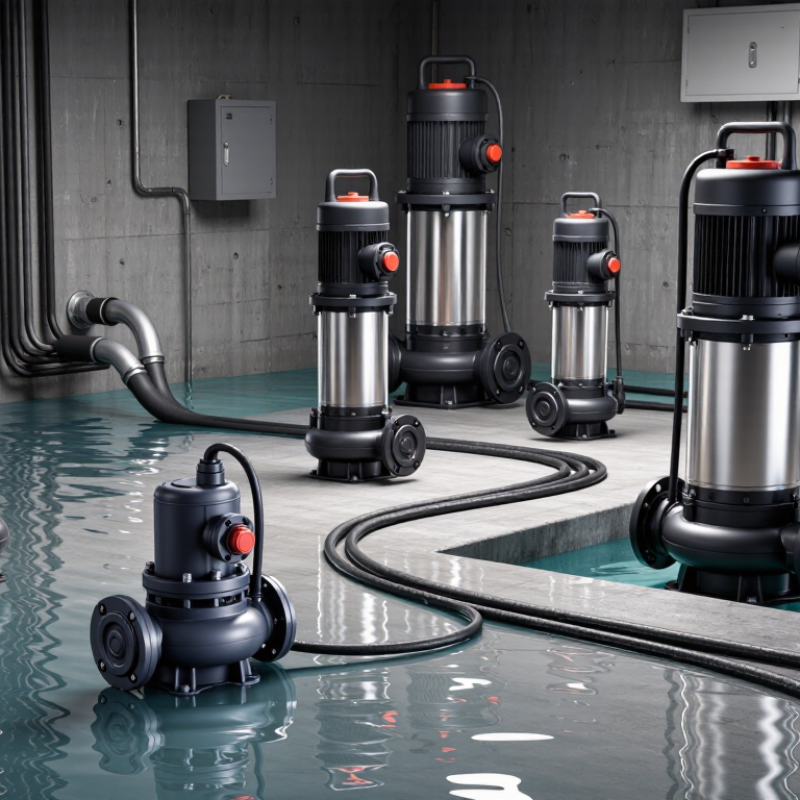
A submersible drainage pump sits directly in the water it moves. Its sealed motor turns an impeller, pushing water through a discharge hose or pipe. Simple in principle. Seals separate the motor from the water, while a float switch may start and stop the pump as water levels change. Other models use manual controls or sensors.

These pumps can clear water from basements, window wells, pits, and work areas. Water enters through an intake screen, where leaves and grit can cause blockages. Check the opening before use. A pump’s flow depends partly on how high and far it must move water. This is easy to overlook when comparing specifications: a listed flow rate may not match performance at your actual lift height.

Place the pump on a firm, level surface, not directly in soft mud. Keep the hose unkinked, and follow the manufacturer’s electrical safety instructions for wet locations. The setup can matter as much as the pump itself. It’s tempting to blame a slow pump, but a clogged screen or restricted hose may be the real issue. And even an effective pump may not stop the leak that keeps refilling the space.

Key Features That Determine Pump Performance

What Is the Best Submersible Drainage Pump in 2026?
Key Features That Determine Pump Performance

The best pump depends on the water, the lift, and the space available. A high flow rate looks impressive, but it can drop sharply when water must travel uphill. Check the pump curve at your expected discharge height, not only its maximum flow figure. Measure the hose route, too. Long or narrow hoses can slow drainage. For water containing leaves or grit, review the permitted particle size and impeller design. A mismatch may cause frequent blockages.

Tips: Measure the pit depth and discharge height before buying. Check the float switch clearance; a crowded pit can prevent it from moving freely. Keep the manual.

Durability depends on more than the outer casing. Look for suitable seal materials, thermal overload protection, and clear operating limits. Automatic float control can save attention, though it may not suit shallow pits where the switch has little room. Confirm the pump’s intended duty cycle and whether it can run continuously. Also consider access for cleaning. Sediment collects around the intake, sometimes sooner than expected. There is no universal winner; matching the pump to the site is less exciting, but usually more reliable.

What Is the Best Submersible Drainage Pump in 2026? — Key Features That Determine Pump Performance

Performance dimension What to check Why it matters Practical selection guidance
Flow rate at the required lift Pump-curve flow at the expected total dynamic head, stated in gallons per minute (GPM) or litres per minute (L/min). Flow generally decreases as the pump works against more vertical lift and pipe resistance. A pump’s advertised maximum flow is usually measured at very low head. Compare flow at your actual discharge height and hose or pipe setup—not maximum-flow figures alone.
Maximum head Maximum vertical water lift, typically given in feet or metres. Total dynamic head also includes losses from fittings, valves, and pipe friction. A pump near its maximum head may deliver little or no useful flow. For reference, 1 psi of water pressure is approximately 2.31 feet (0.70 metres) of water head. Allow headroom above the measured lift and check the pump curve at that operating point.
Solids-handling capacity The manufacturer’s stated maximum particle-passage diameter, plus any restrictions on the type of debris. Leaves, grit, and other debris can block an inlet or impeller. Clear-water pumps are not designed for the same debris load as pumps intended for dirty water. Choose a model rated for the water condition; do not infer solids capacity from flow rate or outlet size.
Minimum water level and drawdown Minimum operating depth and the residual water level the pump can leave on a flat surface. Many standard submersible pumps need water around the motor for cooling and may stop before a floor or pit is completely dry. For shallow-water cleanup, verify the specified drawdown depth and whether manual operation is required.
Switch and automatic operation Float-switch or other automatic-control type, activation level, shutoff level, and required clearance around the switch. The switch controls when pumping starts and stops. A restricted pit can prevent a float from moving freely. Check pit dimensions and operating levels; consider a suitable alternative control where float movement is obstructed.
Motor protection and duty rating Thermal overload protection, permitted operating conditions, and whether the pump is rated for continuous or intermittent use. Overheating, dry running, or operation outside the stated duty can shorten motor life or cause failure. Match the duty rating to the expected run time and follow the installation and cooling instructions.
Materials and water compatibility Pump-body, impeller, seal, and fastener materials; confirm any limits on water temperature or chemical exposure. Material suitability affects corrosion resistance and service life. A general drainage pump may not be suitable for corrosive or chemically contaminated water. Use only within the fluid and temperature limits stated in the product documentation.
Power, cable, and outlet connection Supply voltage and frequency, rated electrical input, cable length, outlet size, and compatible hose or pipe fittings. Electrical compatibility and a suitable discharge connection are essential for safe installation and expected performance. Confirm the local electrical supply and connection requirements; use electrical protection appropriate for wet locations.

Selection note: There is no single best drainage pump for every job. Performance figures and operating limits vary by model; use the manufacturer’s pump curve and specifications to confirm suitability for the water, lift, and installation.

How to Compare Submersible Drainage Pump Types

When comparing submersible drainage pump types, match the pump to the water and the job. Clean-water models suit rainwater with little debris; dirty-water and dewatering models handle suspended grit and larger particles. Check the stated solids-passage diameter, not just the outlet size. Then compare required flow and total head, including the lift to the discharge point and friction through the hose. A pump that moves plenty of water at ground level may struggle in a deep pit.

Impeller design matters. Open or vortex impellers are generally less prone to clogging than tighter designs, but may trade efficiency for debris tolerance. The U.S. Department of Energy’s Improving Pumping System Performance sourcebook, prepared with the Hydraulic Institute and Europump, estimates pumping systems use nearly 20% of global electricity demand. That figure covers pumping broadly, not drainage pumps alone; still, it supports checking performance at your actual operating point. Compare the pump curve, power draw, duty rating, and thermal protection. Also verify materials suit the water’s temperature and grit level.

Tips: Measure pit depth and hose length before buying. Check whether the float switch can move freely in the pit. Clear-looking water can still carry abrasive sand, and that detail is easy to miss. A little extra capacity may help, but oversizing can cause short cycling or unnecessary energy use.

Choosing a Pump for Water Conditions and Site Needs

A submersible drainage pump is only “best” when it matches the water and the site. Clear seepage from a basement pit is different from muddy runoff carrying leaves or grit. Check the pump’s permitted solids size, required flow rate, and total head: vertical lift plus losses through hoses, bends, and fittings. A narrow, long discharge hose can cut real-world flow. That detail is easy to miss.

The U.S. Department of Energy’s Improving Pumping System Performance sourcebook reports that pumping systems can use 25–50% of energy in some industrial facilities. That figure is not specific to drainage pumps, but it underlines why oversizing deserves attention. Choose a duty point near the pump’s efficient operating range, rather than relying on the largest flow number on the box. Also check continuous-run limits, automatic switch behavior, and whether the outlet can handle the expected discharge.

Inspect the pit before choosing. Measure the lift, note how quickly water enters, and look for sand, fibers, or debris that could clog an intake. For dirty water, a wider passage may matter more than a high advertised flow. For frequent cycling, switch placement and pit volume matter. Site conditions change, too; rainfall can bring more grit than expected. Recheck the choice after a real pumping cycle. A neat estimate can still be wrong.

Choosing a Submersible Pump by Water Condition

Typical solids-passage ranges can help narrow your options: cleaner water generally needs less clearance, while dirty water and sewage require pumps designed for larger particles. Always check the specific pump’s specifications and match its flow and head to your site.

Illustrative, model-dependent ranges. Solids passage alone does not determine pump suitability.

How to Identify the Best Submersible Drainage Pump in 2026

Choosing the best submersible drainage pump in 2026 starts with the water, not the product label. Measure how far water must travel vertically and horizontally. A pump’s flow rate usually drops as discharge height increases, so check its performance chart at your actual lift. A basement pit with a narrow hose needs a different setup from a flooded garden trench.

Check the size of solids the pump can pass. Clear seepage may need only a basic intake, while muddy water can clog small openings. Look for a reliable float switch, thermal protection, and a housing suited to frequent contact with water.

Small details matter. A float that catches against a pit wall may stop the pump too early. Measure the pit and hose before buying, and confirm the power cable reaches a safe, dry outlet. Noise and remaining water depth also affect daily use.

Specifications help, but real sites are rarely as tidy as a chart suggests. I would leave some capacity margin, while remembering that a larger pump can drain a small pit too quickly and cycle repeatedly.

That trade-off deserves a second look.

Copyright 2025 Fluidra S.A. | Created by BCM Marketing Agencia Privacy Policy Legal note | Cookie policy |

Technical cookies are strictly necessary for our website to work and you can navigate through it. These types of cookies are those that, for example, allow us to identify you, give you access to certain restricted parts of the page if necessary, or remember different options or services already selected by you, such as your privacy preferences. Therefore, they are activated by default, your authorization not being necessary in this regard. Through the configuration of your browser, you can block or alert the presence of this type of cookies, although such blocking will affect the proper functioning of the different functionalities of our website.


The analysis cookies allow us to study the navigation of the users of our website in general (for example, which sections of the page are the most visited, which services are used most and if they work correctly, etc.). From the statistical information on navigation on our website, we can improve both the operation of the page itself and the different services it offers. Therefore, these cookies do not have an advertising purpose, but only serve to make our website work better, adapting to our users in general. By activating them you will contribute to this continuous improvement. You can enable or disable these cookies by checking the corresponding box, being disabled by default.


Functionality cookies allow us to remember your preferences, to personalize certain characteristics and general options of our website, every time you access it (for example, the language in which the information is presented to you, the sections marked as favorites, your browser type, etc.) Therefore, this type of cookies does not have an advertising purpose, but by activating them you will improve the functionality of the website (for example, adapting to your type of browser) and the customization of it based on your preferences (for example, by presenting the information in the language that you have chosen in previous occasions), which will contribute to the ease, usability and comfort of our page during your navigation. You can enable or disable these cookies by checking the corresponding box, being disabled by default.


Advertising cookies allow us to manage the advertising spaces included in our website based on criteria such as the content shown or the frequency in which the ads are displayed. For example, if you have been shown the same ad several times on our website, and you have not shown a personal interest by clicking on it, it will not appear again. In summary, by activating this type of cookies, the advertising shown on our website will be more useful and diverse, and less repetitive. You can enable or disable these cookies by checking the corresponding box, being disabled by default.


Behavioral advertising cookies allow us to obtain information based on the observation of your browsing habits and behaviors on the web, in order to show you advertising content that best suits your personal tastes and interests. To understand it in a very simple way, we will give you a fictitious example: if your last searches on the web were related to suspense literature, we would show you advertising about suspense books. Therefore, activating this type of cookies, the advertising that we show you on our website will not be generic, but will be oriented to your searches, tastes and interests, therefore adjusting exclusively to you. You can enable or disable these cookies by checking the corresponding box, being disabled by default.
To understand it in a very simple way, we will give you a fictitious example: if your last searches on the web were related to suspense literature, we would show you advertising about suspense books. Therefore, activating this type of cookies, the advertising that we show you on our website will not be generic, but will be oriented to your searches, tastes and interests, therefore adjusting exclusively to you. You can enable or disable these cookies by checking the corresponding box, being disabled by default.

SAVE

We use our own and third-party cookies to ensure the proper functioning of the website and to analyse our services, improve your experience on our website and show you advertisements related to your interests according to profiling based on your browsing habits (e.g. websites visited). You can accept all cookies by clicking "ACCEPT" or set or reject them by clicking here. If you would like to know more about the use of cookies, please see our COOKIE POLICY.


ACCEPT ALL
Reject no essentials


