
What Are the Best Storage Container Houses in 2026?
FLUID HANDLING EXPERTS

Blog, all our news

What Are the Best Storage Container Houses in 2026?

In 2026, the best Storage Container Houses will be judged by more than their steel shells. Buyers need to compare insulation, ventilation, corrosion protection, window placement, and the quality of interior finishes. A bright room with cross-breezes feels very different from a hot, dim box. Details matter.

McKinsey & Company’s 2019 report, “Modular Construction: From Projects to Products,” found that modular building can be 20–50% faster and may reduce costs by up to 20%. These figures describe modular construction broadly, not container homes alone. They are useful benchmarks, not guarantees. Site preparation, transport, climate, and customization can change both cost and schedule. A low purchase price can hide expensive upgrades.

Container-home architect Adam Kalkin’s built projects offer a practical design lesson: a reused container is a starting structure, not a finished home. That is an interpretation of his work, not a direct quotation. It matters because steel conducts heat, and cutting openings requires careful structural planning. Some listings also use vague claims about insulation or durability. Ask for product specifications, clear plans, and itemized pricing. Not every attractive render shows the lived-in result. This guide compares leading options for layout flexibility, comfort, durability, and value, while noting where published evidence remains limited. A little skepticism helps.
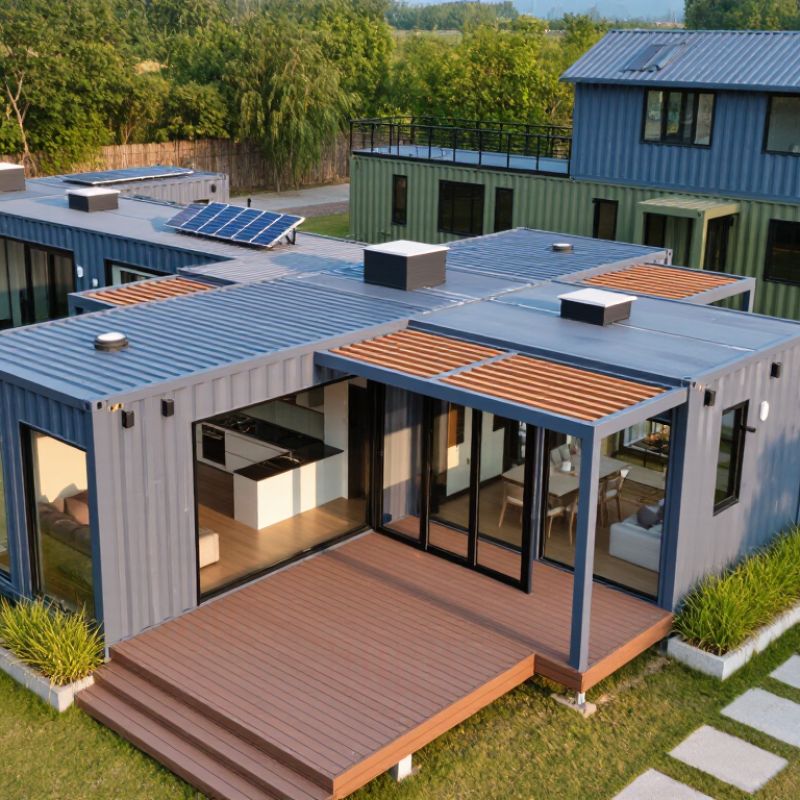
What Are the Best Storage Container Houses in 2026?

What Defines a Storage Container House in 2026?

In 2026, a storage container house is more than a steel box with a door. It is a converted or purpose-built modular structure designed to store goods, support work, or provide usable indoor space. That distinction matters. A unit holding garden tools has different needs from one used as a workshop or occasional living space. Its intended use should guide decisions about insulation, ventilation, lighting, access, and utility connections. Corrugated steel alone does not make a structure comfortable or suitable for every purpose.

Details count.

Check the frame and floor for the loads they are expected to carry, and look for a roof that drains rather than traps water. Steel can transfer heat quickly, while moisture may collect on cold interior surfaces; insulation and ventilation need to work together. Doors should seal well but remain easy to operate, and electrical or plumbing plans should be reviewed by qualified professionals. Ask what materials sit behind interior panels and how repairs can reach them. A neat finish is reassuring, but it can also hide weak details. Compare documented specifications with the actual unit, not just attractive photographs.

How Container Houses Differ in Size, Layout, and Construction

What Are the Best Storage Container Houses in 2026?

Size sets the first constraint. ISO 668:2020 defines common container dimensions: about 2.44 metres wide, with standard lengths near 6.06 and 12.19 metres. That gives a 20-foot unit roughly 160 square feet of floor area, and a 40-foot unit about 320. Usable space is smaller once wall insulation, finishes, and services are added. Small details matter. A narrow corridor or misplaced door can make a compact plan feel awkward, even when its floor area looks generous.

Layout should fit daily routines, not just the container footprint. A single unit can suit an open studio; two joined units may allow separate sleeping and living areas, but joining them can require substantial structural work. The Modular Building Institute’s 2024 annual report estimated modular construction represented 6.64% of North American new construction starts in 2023. That figure covers modular buildings broadly, not container homes specifically. It signals growing interest in off-site building, but does not prove every container design is efficient.

Construction choices affect comfort and safety. Cutting large openings can weaken a container’s frame, so an engineer should assess modifications and reinforcement. The International Code Council’s G5 guideline addresses evaluating shipping containers used as buildings. Insulation also needs careful detailing: steel conducts heat, and poorly managed condensation can damage interior finishes. Measure twice. I would still question any plan that treats the container’s original steel shell as a complete building system.

Which Types of Storage Container Houses Stand Out in 2026?

In 2026, the strongest storage-container house types are high-cube units, insulated single-container studios, and multi-container modular layouts. High-cube models offer extra headroom for shelving, lights, and ventilation ducts. Insulated units suit workshops or occasional stays where temperature swings matter. Modular layouts work better when one container feels too narrow. McKinsey & Company’s 2019 report, Modular Construction: From Projects to Products, says modular methods can shorten construction schedules by 20–50%. That figure covers modular construction broadly, not container homes alone, so treat it as context rather than a promise.

For dry, secure storage, a standard single unit may be the practical choice. For living or work space, look for proper insulation, controlled ventilation, and carefully finished openings. A wide glass door looks inviting, but cutting large openings can affect a container’s structural strength. The shell alone does not make a comfortable home. Condensation can form behind wall panels, quietly damaging stored items.

Tips: Check roof condition, door seals, floor damage, and the intended site before choosing a type. Ask how insulation and ventilation will work together. Small details matter. A high-cube unit may add useful headroom, but it will not solve poor airflow; that trade-off deserves a closer look.

How to Compare Costs, Durability, and Installation Requirements

A low sticker price can hide major costs. Compare the finished, installed price, including delivery, crane hire, foundations, insulation, wiring, plumbing, and site access. A narrow driveway or overhead wires can complicate a crane lift. Ask for a written scope, not just a container price. Check whether the quote includes rust repair, window cut-outs, and weather sealing. Those details matter.

Durability depends on condition and conversion quality, not steel walls alone. Inspect the underside, corner posts, roof, welds, and signs of corrosion; request repair records and a clear maintenance plan. ISO 1496-1 sets structural and weather-resistance tests for freight containers, but alterations can change their performance. Get an engineer to review major openings. McKinsey’s 2019 modular-construction report estimated that modular methods could cut schedules by 20–50% and costs by up to 20%; those figures are not guarantees for container homes. I would treat them as context, not a quote. For installation, confirm foundation design, truck turning space, crane reach, utility connections, and local inspection requirements before ordering. Small details add up. A site visit can expose problems that drawings miss.

What to Check Before Choosing a Storage Container House

Before choosing a storage container house, inspect the steel, floor, doors, and roof in person. Look closely at corner castings, welds, and lower rails for dents, rust, or previous repairs. Open and close both doors; worn seals can let rain and dust inside. Check the floor for soft spots and stale odors. Small details matter.

Plan insulation and ventilation before ordering. Bare steel can transfer heat quickly, while trapped moisture may damage finishes and stored belongings. Ask for wall, roof, and floor specifications, plus drawings showing any cut openings. A structural professional should review major modifications; a wide new doorway can affect the frame. Dodge Construction Network’s 2023 Prefabrication and Modular Construction SmartMarket Report found that 77% of surveyed industry respondents reported improved project schedules with prefabrication or modular methods. That is encouraging, not a promise for every container conversion.

Compare the delivered cost, not just the unit price. Include transport, lifting, site preparation, drainage, insulation, and electrical work. Confirm the container’s dimensions against access routes and the intended site. Ask how finishes handle condensation and how roof runoff will be directed away. Then check the warranty terms in writing. I would still inspect the unit myself; photos miss things.

What Are the Best Storage Container Houses in 2026?

Compare typical floor footprints of standard 20-foot and 40-foot containers when assessing storage space.

Approximate footprints are calculated from common external dimensions: 20 ft × 8 ft and 40 ft × 8 ft. Actual dimensions vary by container and manufacturer; check usable interior measurements, condition, access, ventilation, and site requirements before choosing.

Copyright 2025 Fluidra S.A. | Created by BCM Marketing Agencia Privacy Policy Legal note | Cookie policy |

Technical cookies are strictly necessary for our website to work and you can navigate through it. These types of cookies are those that, for example, allow us to identify you, give you access to certain restricted parts of the page if necessary, or remember different options or services already selected by you, such as your privacy preferences. Therefore, they are activated by default, your authorization not being necessary in this regard. Through the configuration of your browser, you can block or alert the presence of this type of cookies, although such blocking will affect the proper functioning of the different functionalities of our website.


The analysis cookies allow us to study the navigation of the users of our website in general (for example, which sections of the page are the most visited, which services are used most and if they work correctly, etc.). From the statistical information on navigation on our website, we can improve both the operation of the page itself and the different services it offers. Therefore, these cookies do not have an advertising purpose, but only serve to make our website work better, adapting to our users in general. By activating them you will contribute to this continuous improvement. You can enable or disable these cookies by checking the corresponding box, being disabled by default.


Functionality cookies allow us to remember your preferences, to personalize certain characteristics and general options of our website, every time you access it (for example, the language in which the information is presented to you, the sections marked as favorites, your browser type, etc.) Therefore, this type of cookies does not have an advertising purpose, but by activating them you will improve the functionality of the website (for example, adapting to your type of browser) and the customization of it based on your preferences (for example, by presenting the information in the language that you have chosen in previous occasions), which will contribute to the ease, usability and comfort of our page during your navigation. You can enable or disable these cookies by checking the corresponding box, being disabled by default.


Advertising cookies allow us to manage the advertising spaces included in our website based on criteria such as the content shown or the frequency in which the ads are displayed. For example, if you have been shown the same ad several times on our website, and you have not shown a personal interest by clicking on it, it will not appear again. In summary, by activating this type of cookies, the advertising shown on our website will be more useful and diverse, and less repetitive. You can enable or disable these cookies by checking the corresponding box, being disabled by default.


Behavioral advertising cookies allow us to obtain information based on the observation of your browsing habits and behaviors on the web, in order to show you advertising content that best suits your personal tastes and interests. To understand it in a very simple way, we will give you a fictitious example: if your last searches on the web were related to suspense literature, we would show you advertising about suspense books. Therefore, activating this type of cookies, the advertising that we show you on our website will not be generic, but will be oriented to your searches, tastes and interests, therefore adjusting exclusively to you. You can enable or disable these cookies by checking the corresponding box, being disabled by default.
To understand it in a very simple way, we will give you a fictitious example: if your last searches on the web were related to suspense literature, we would show you advertising about suspense books. Therefore, activating this type of cookies, the advertising that we show you on our website will not be generic, but will be oriented to your searches, tastes and interests, therefore adjusting exclusively to you. You can enable or disable these cookies by checking the corresponding box, being disabled by default.

SAVE

We use our own and third-party cookies to ensure the proper functioning of the website and to analyse our services, improve your experience on our website and show you advertisements related to your interests according to profiling based on your browsing habits (e.g. websites visited). You can accept all cookies by clicking "ACCEPT" or set or reject them by clicking here. If you would like to know more about the use of cookies, please see our COOKIE POLICY.


ACCEPT ALL
Reject no essentials


