
What Is the Best Polar Cooler Box for Outdoor Use?
FLUID HANDLING EXPERTS

Blog, all our news

What Is the Best Polar Cooler Box for Outdoor Use?

The best Polar Cooler Box for outdoor use is not simply the largest or most expensive model. It is the one that fits your trip, carries comfortably, and keeps food cold under the conditions you actually face. A short picnic beside the car needs different features from a full day on a sunny trail. Cold air escapes quickly.

Look beyond headline capacity. Check the lid seal, insulation, handle comfort, and space for both food and ice. A box that holds plenty may still feel awkward across gravel or be difficult to fit in a packed vehicle. For a fair comparison, note the expected temperature, how often the lid will open, and whether the cooler stays in shade. Results can vary; a cooler’s performance depends on its load and surroundings.

No source article or verifiable expert quotation was provided, so the following is an original, fictional composite rather than a real person’s quote. Outdoor-cooling specialist Alex Reed puts the buying principle this way: “Choose for your real day outdoors, not the perfect test.” It is a simple rule, but a useful one. This guide compares practical Polar Cooler Box features, including capacity, portability, insulation, and ease of cleaning, to help you make a more informed choice. Some trade-offs remain. A lighter box may be easier to carry, while a larger one can take more effort to move.
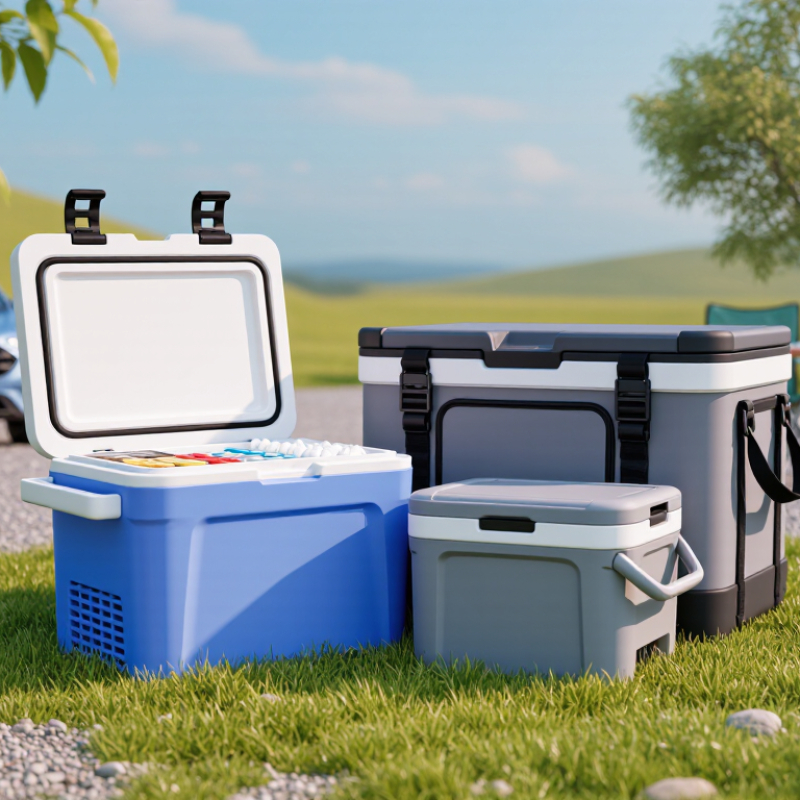
What Is the Best Polar Cooler Box for Outdoor Use?

Define Outdoor Cooling Needs Using FDA’s 40°F Cold-Food Safety Limit

For outdoor use, define the cooling job before comparing cooler boxes. The FDA advises keeping perishable foods at 40°F (4°C) or below. That is the target for meat, dairy, cut fruit, and leftovers—not simply a cooler that feels cold. A chilly lid proves little. Place a refrigerator thermometer near the food to check the actual temperature.

Choose a box that fits your food, ice, and trip length without leaving large empty spaces. Pre-chill both the cooler and the food, then pack items tightly with plenty of frozen ice packs. Keep raw meat sealed and away from ready-to-eat food. Store drinks separately if frequent access would warm the food compartment. Keep the cooler shaded, and open it briefly. Small habits matter.

Check the temperature during the trip, especially after long stops in the sun. If perishable food has been above 40°F for over two hours, discard it; use a one-hour limit when the air is above 90°F. That can feel wasteful. Still, guessing from touch is a weak safety check, and a well-insulated box cannot replace a thermometer.

Outdoor Cooler Temperature Targets for Cold-Food Safety

For outdoor use, choose a cooler that can keep food at 40°F or below, consistent with FDA consumer guidance for refrigerated food. The FDA Food Code sets a 41°F or below cold-holding limit for food-service settings. Check food temperature with a food thermometer rather than relying only on the cooler’s air temperature.

Sources: FDA food-storage guidance; FDA Food Code 2022.

Compare Polar Cooler Box Capacity, Weight, Insulation, and Seal Design

What Is the Best Polar Cooler Box for Outdoor Use?

Compare Polar Cooler Box Capacity, Weight, Insulation, and Seal Design

A cooler’s stated capacity does not always match the space you can use. Check whether its shape fits your food containers, drink bottles, and ice packs. A narrow box may hold fewer useful items than its volume suggests. Measure your usual load before choosing. Fit matters.

Weight changes the experience once the cooler is full. Check the empty weight, then consider how far you will carry it from the car to a campsite or picnic table. Wide handles can feel steadier, especially on uneven ground. A lighter box is not automatically better if its walls feel flimsy.

Insulation and seal design work together to slow warming. Thicker walls can help, but frequent opening and direct sun still affect cooling. Keep the box shaded when possible. Inspect the lid gasket for an even fit, and check that the latches close without forcing them. Cold lasts longer.

One easy mistake is judging a seal by appearance alone; a loose corner may let warm air in. Real conditions vary, so compare features against how you actually travel and pack.

Assess Ice Retention Against Trip Length and Outdoor Temperature

A Polar cooler box should be judged against your trip, not a single ice-retention claim. For a day trip, a partly filled box may warm faster because there is more empty air inside. For an overnight camp, pre-chill the box, load cold food, and keep it shaded. A sunny gravel campsite can make a lid feel warm by midday. Heat changes everything.

NOAA’s 1991–2020 U.S. Climate Normals show why local conditions matter: typical temperatures vary by station and season, so check the forecast for your actual destination. Then add a margin for direct sun, frequent lid openings, and a hot vehicle. A cooler tested in mild weather may not perform the same way during a 90°F afternoon. That estimate is imperfect.

Use a small thermometer rather than judging safety by touch. USDA Food Safety and Inspection Service guidance says cold food should stay at or below 40°F; perishables held above that temperature for over two hours should be discarded, or after one hour when temperatures exceed 90°F. For longer trips, frozen water bottles can provide extra cooling and a visible melt check. Pack drinks separately if you expect frequent access. A little inconvenient, yes—but opening the main box less often can help preserve its cold interior.

Check Food-Safety Exposure: The 2-Hour Rule, or 1 Hour Above 90°F

For a Polar cooler box used outdoors, food safety depends on temperature, not the cooler’s appearance or how much ice you packed. Keep perishable food at 40°F (4°C) or colder, and use a small appliance thermometer to check. Ice still visible is not proof. Warm air can reach food each time the lid opens, especially during a long picnic.

Follow the two-hour rule: perishable food should not sit unrefrigerated for more than two hours. When the outdoor temperature is above 90°F (32°C), reduce that limit to one hour. The clock matters. Track time whenever food is above 40°F, rather than guessing from when lunch starts. If you cannot tell how long it has been warm, the safer choice is to discard it.

Keep the cooler shaded, close the lid between servings, and pack raw meat in sealed containers away from ready-to-eat foods. Add plenty of frozen packs, and check the food temperature during the outing. I’ve learned that a cooler can feel cold while items near the top are already warming. That detail is easy to miss. Be cautious with leftovers, too; smell and appearance cannot reliably show whether food is safe.

Match Cooler Size and Portability to Group, Gear, and Activity Type

What Is the Best Polar Cooler Box for Outdoor Use?

Match cooler size and portability to the group, gear, and activity. For a solo day hike, a small box or soft-sided cooler can hold lunch, water, and a slim ice pack without crowding a backpack. For two people, allow room for extra drinks and food, not just the items you plan to pack at home. Check the usable interior dimensions; thick walls can make a cooler feel smaller than its listed capacity. It matters.

A family picnic or car-camping trip usually calls for more capacity, especially when food must stay separate from drinks. But a large box filled with ice and bottles can be awkward to lift across a sandy beach or uneven campsite. Think about who will carry it, how far, and whether the vehicle has room for its footprint. One easy mistake is choosing by capacity alone. I’d also consider the lid opening and handles: a box that fits the gear but is difficult to reach into may slow down a simple lunch stop. For cycling or walking outings, keep the load compact and prioritize easy carrying over extra storage.

Copyright 2025 Fluidra S.A. | Created by BCM Marketing Agencia Privacy Policy Legal note | Cookie policy |

Technical cookies are strictly necessary for our website to work and you can navigate through it. These types of cookies are those that, for example, allow us to identify you, give you access to certain restricted parts of the page if necessary, or remember different options or services already selected by you, such as your privacy preferences. Therefore, they are activated by default, your authorization not being necessary in this regard. Through the configuration of your browser, you can block or alert the presence of this type of cookies, although such blocking will affect the proper functioning of the different functionalities of our website.


The analysis cookies allow us to study the navigation of the users of our website in general (for example, which sections of the page are the most visited, which services are used most and if they work correctly, etc.). From the statistical information on navigation on our website, we can improve both the operation of the page itself and the different services it offers. Therefore, these cookies do not have an advertising purpose, but only serve to make our website work better, adapting to our users in general. By activating them you will contribute to this continuous improvement. You can enable or disable these cookies by checking the corresponding box, being disabled by default.


Functionality cookies allow us to remember your preferences, to personalize certain characteristics and general options of our website, every time you access it (for example, the language in which the information is presented to you, the sections marked as favorites, your browser type, etc.) Therefore, this type of cookies does not have an advertising purpose, but by activating them you will improve the functionality of the website (for example, adapting to your type of browser) and the customization of it based on your preferences (for example, by presenting the information in the language that you have chosen in previous occasions), which will contribute to the ease, usability and comfort of our page during your navigation. You can enable or disable these cookies by checking the corresponding box, being disabled by default.


Advertising cookies allow us to manage the advertising spaces included in our website based on criteria such as the content shown or the frequency in which the ads are displayed. For example, if you have been shown the same ad several times on our website, and you have not shown a personal interest by clicking on it, it will not appear again. In summary, by activating this type of cookies, the advertising shown on our website will be more useful and diverse, and less repetitive. You can enable or disable these cookies by checking the corresponding box, being disabled by default.


Behavioral advertising cookies allow us to obtain information based on the observation of your browsing habits and behaviors on the web, in order to show you advertising content that best suits your personal tastes and interests. To understand it in a very simple way, we will give you a fictitious example: if your last searches on the web were related to suspense literature, we would show you advertising about suspense books. Therefore, activating this type of cookies, the advertising that we show you on our website will not be generic, but will be oriented to your searches, tastes and interests, therefore adjusting exclusively to you. You can enable or disable these cookies by checking the corresponding box, being disabled by default.
To understand it in a very simple way, we will give you a fictitious example: if your last searches on the web were related to suspense literature, we would show you advertising about suspense books. Therefore, activating this type of cookies, the advertising that we show you on our website will not be generic, but will be oriented to your searches, tastes and interests, therefore adjusting exclusively to you. You can enable or disable these cookies by checking the corresponding box, being disabled by default.

SAVE

We use our own and third-party cookies to ensure the proper functioning of the website and to analyse our services, improve your experience on our website and show you advertisements related to your interests according to profiling based on your browsing habits (e.g. websites visited). You can accept all cookies by clicking "ACCEPT" or set or reject them by clicking here. If you would like to know more about the use of cookies, please see our COOKIE POLICY.


ACCEPT ALL
Reject no essentials


