
In the rapidly evolving world of construction and manufacturing, the demand for high-quality Pipe Welding Machines has surged. According to industry reports, the global pipe welding equipment market is expected to reach $3.2 billion by 2026, growing at a compound annual growth rate of 5.5%. This growth signifies the increasing importance of efficiency and precision in welding processes.
Pipe Welding Machines play a crucial role in various sectors, including oil and gas, construction, and shipbuilding. However, buying the right machine requires understanding its capabilities and limitations. Not every machine is suitable for every application. Buyers must consider factors like weld type, material compatibility, and production volume.
Navigating through various options can be overwhelming. Professionals often face challenges in finding machines that meet their specific needs. Investing in the right Pipe Welding Machine is vital. It not only ensures quality welds but can also enhance overall productivity. Thus, understanding key features and market trends is essential for global buyers looking to make informed decisions in 2026.
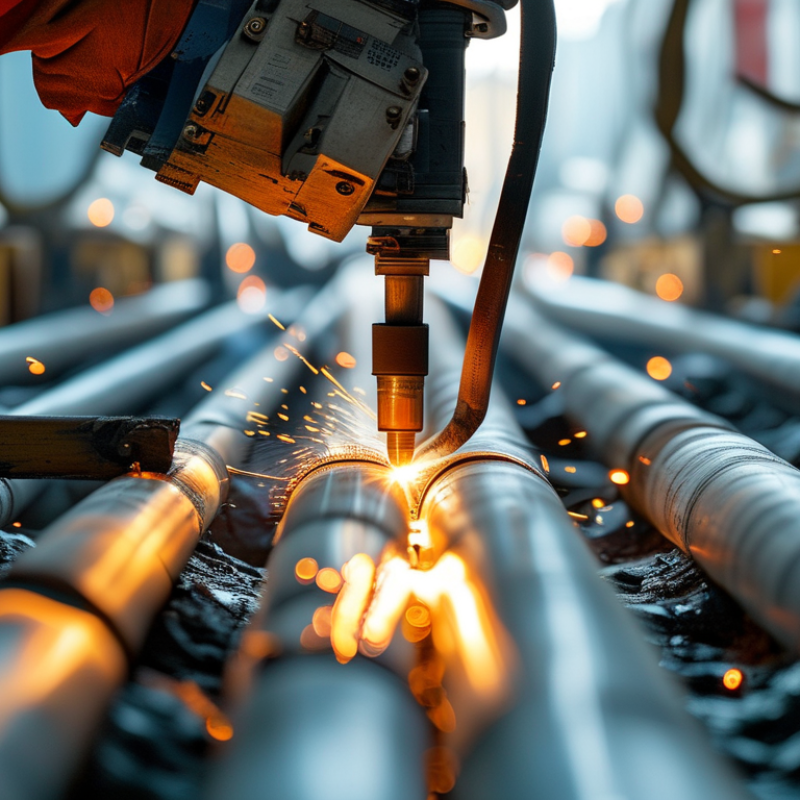
Pipe welding machines play a crucial role across various industries, particularly in construction, manufacturing, and maintenance. These machines provide the necessary precision and strength for joining pipes made from different materials such as steel, aluminum, and plastic. They are essential for creating robust connections that withstand high pressure and extreme conditions.
The applications of pipe welding machines are vast. In the oil and gas sector, they facilitate the installation of pipelines that transport essential resources. In shipbuilding, they are vital for assembling hulls and other structural elements. Each application requires specific machine features, such as portability, power settings, and welding techniques. Users must consider the types of projects they undertake to choose the right machine.
However, not all pipe welding machines are created equal. Users often face a learning curve when adapting to various welding technologies. Some machines may underperform in challenging environments, leading to production delays. It's important for buyers to assess their operational needs critically and engage with experienced professionals. This can lead to better decision-making and more efficient workflow.

Choosing the right pipe welding machine requires careful consideration of several key features. First, the welding process type is vital. Common methods include MIG, TIG, and Stick welding. A study by the American Welding Society highlights that over 50% of weld failures are due to improper selection of the welding process. Each method has its own strengths and weaknesses depending on the materials involved.
Another important aspect is the welder's output capacity. Machines often range between 200 to 600 amps. A report from the International Institute of Welding suggests that machines with higher output capacity have a better performance in heavy-duty applications. Efficiency in energy consumption is also a growing concern. The latest statistics indicate that energy-efficient machines can save up to 30% in operational costs over their lifespan.
Portability is another factor that many overlook. A lightweight machine can be a game-changer for fieldwork. In enclosed spaces, however, size and weight can affect maneuverability, leading to inefficiencies. Most users tend to underestimate this need until they face practical challenges. These features are essential in evaluating potential machines, but it's critical to assess individual project demands before making a decision.
In the evolving landscape of welding, 2026 brings new challenges and opportunities for buyers seeking the best pipe welding machines. Industry reports suggest that the market for welding equipment is expected to grow by 4.3% annually through 2028. This growth is driven by advancements in technology and increasing infrastructure projects worldwide. Key features like automation and enhanced portability are becoming essential for modern pipe welding needs.
Notable trends include the rise of multi-process machines. These versatile units can handle various welding methods, increasing efficiency on job sites. Data indicates that users prefer machines that offer both MIG and TIG capabilities. Additionally, the demand for lightweight models has surged. This shift reflects a need for improved mobility and ease of use, especially in confined spaces often encountered in pipe welding.
Despite these advancements, some concerns remain. There can be a steep learning curve associated with new technologies. Moreover, the cost of high-end machines can be prohibitive for smaller enterprises. Many buyers are left grappling with these challenges while navigating a rapidly changing market. Staying informed about the latest innovations and understanding individual project requirements will be critical in making wise purchasing decisions.
When selecting a pipe welding machine, understanding technical specifications is crucial for effective performance. Power output, typically measured in amperes, influences welding speed and penetration depth. A robust welding machine may offer adjustable amperage settings, which cater to various pipe materials and thicknesses. Industry reports indicate that machines with a range of 200-300 amperes excel in versatility, making them suitable for both thin-walled and thick-walled applications.
Another important specification is the duty cycle. This represents the maximum time a welding machine can operate continuously without overheating. For instance, a duty cycle of 60% means the machine can weld for 6 minutes and must cool for 4 minutes. Machines with higher duty cycles are essential for large projects with continuous welding demands. In practice, many operators overlook this aspect, leading to inefficiencies and downtime.
Welding speed is also directly linked to the type of welding process employed, whether it's MIG, TIG, or stick welding. Each has its pros and cons. MIG welding is generally faster but may not provide the same quality as TIG on thinner materials. Technicians must evaluate these factors against project requirements. Failing to match the specifications with job needs can result in poor quality welds—potentially causing costly rework.
Global trends in the welding equipment market show a growing demand for advanced pipe welding machines. Buyers today prioritize efficiency and reliability. Many industries, including construction and manufacturing, seek solutions that enhance productivity. Automation features are increasingly valued. They reduce labor costs and improve accuracy. This shift reflects the industry's adaptation to modern technology.
Sustainability is also a crucial factor for buyers. Many prefer machines that minimize energy consumption. Eco-friendly practices are gaining traction. Buyers are looking for equipment that meets environmental standards. These preferences influence purchasing decisions, pushing manufacturers to innovate. The focus on user-friendly interfaces is evident. Workers want machines that are simple to operate.
However, not all machines meet these emerging preferences. Some models may still rely on outdated technology. Maintenance challenges can deter buyers. It's essential for companies to listen closely to customer feedback. Understanding user experiences can help improve future designs. This ongoing dialogue between manufacturers and users is vital for success in the evolving market.

Cepex is the brand for the fluid handling market belonging to the Fluidra group. One of the leading european manufacturer of valves and fittings in thermoplastic materials.
Dedicated to the swimming pool, irrigation and industrial markets, we distribute our products worldwide with the Fluidra commercial network and presence in 46 countries with 136 sales branches.


