
What Are the Best Pipe Floats for Your Project Needs?
FLUID HANDLING EXPERTS

Blog, all our news

What Are the Best Pipe Floats for Your Project Needs?

When it comes to selecting the right Pipe Floats for your projects, several factors come into play. The right float can enhance your work's efficiency. However, the choices available can be overwhelming. Different projects require different types of Pipe Floats, depending on their design and intended use.

Quality and reliability are crucial when choosing Pipe Floats. Not all floats are created equal. Some may not withstand harsh conditions or heavy loads. Users often overlook these details until problems arise. This can lead to costly delays and repairs.

Understanding the specifics of your project helps to narrow down the options. Are you dealing with marine environments or shallow waters? Knowing the answers is vital. In this guide, we will explore the best Pipe Floats on the market. We aim to provide valuable insights based on experience and expertise. You will find recommendations that suit various needs, ensuring your decision-making process is clearer.
What Are the Best Pipe Floats for Your Project Needs?

Understanding Pipe Floats and Their Applications

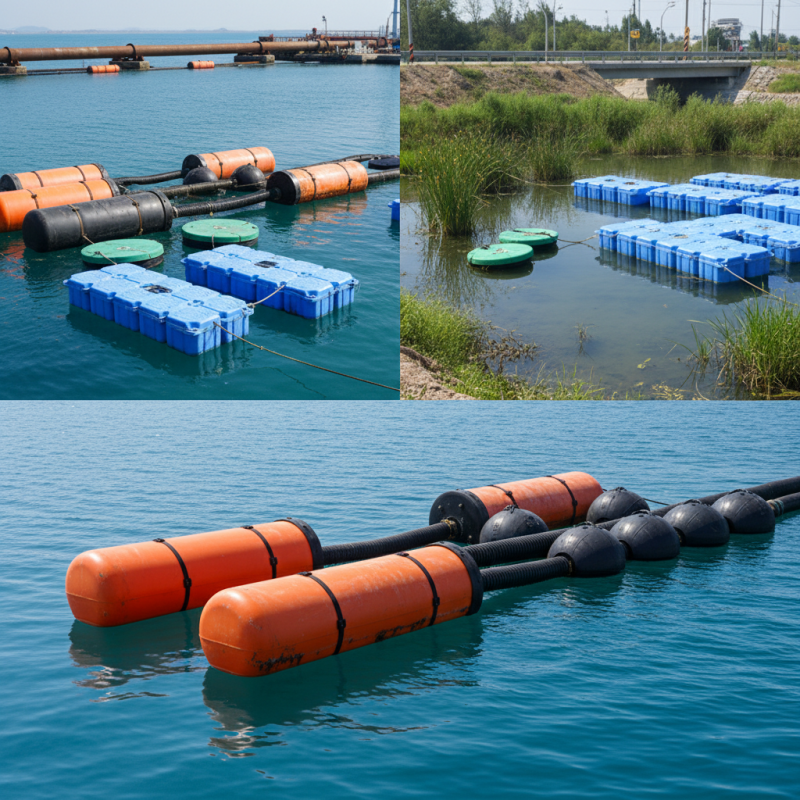
Pipe floats play a critical role in various infrastructure projects. They are specifically designed to keep pipelines buoyant while in transit or submerged in water. Understanding the applications of pipe floats is essential for selecting the appropriate type for any project.

According to a recent industry report, around 70% of pipeline installations in marine environments utilize floats to enhance stability. These floats help in minimizing the risk of damage during installation. They ensure that pipes remain elevated and do not succumb to external pressures like waves or strong currents. Notably, different sizes and shapes of floats cater to diverse pipeline diameters, offering tailored solutions.

In addition to marine applications, pipe floats are also essential in construction projects. They facilitate the transport of pipelines over uneven terrain. However, choosing the wrong float can lead to complications. A poorly matched float might not support the weight of the pipeline adequately, risking structural failure. Contractors must evaluate the float's quality and suitability for their specific methodologies. This attention to detail can significantly impact the project's overall success.

Types of Pipe Floats: Materials and Designs

When selecting pipe floats, understanding different materials and designs is crucial. Pipe floats vary significantly in their construction, impacting their buoyancy and durability. Common materials include polyethylene, foam, and rubber. Each material offers unique advantages and potential drawbacks. Polyethylene floats are lightweight and resistant to environmental damage, while foam floats provide excellent buoyancy but may degrade over time.

Design plays a vital role in the performance of pipe floats. Some designs emphasize stability, while others focus on ease of handling. Cylindrical shapes are popular for their stability in water. However, they may not provide the best protection against impact. On the other hand, wider designs can distribute weight more effectively but could be cumbersome to deploy. It's essential to consider the specific needs of your project when choosing a design. Reflecting on your project's demands may help identify the ideal float.

While selecting the right pipe float, consider potential trade-offs. For example, a cheaper foam option may save money upfront but could require more frequent replacements. Exploring these factors ensures you make an informed choice. Ultimately, aligning the float's properties with your project goals is vital for success.

Key Factors to Consider When Choosing Pipe Floats

When selecting pipe floats, consider several key factors to ensure they suit your project needs. One significant aspect is buoyancy. Different materials offer varying buoyancy levels. For example, polyethylene floats typically provide a balance of lift and durability. Industry data shows that selecting the right material can increase the float's lifespan by up to 50%.

Another essential factor is the environmental conditions. Floats used in harsh environments should withstand UV exposure and extreme temperatures. Studies indicate that floats exposed to extreme conditions can deteriorate faster than estimated. It's vital to read the specifications closely and understand the limitations of each option.

Proper sizing is crucial too. The size of the float must match the pipe’s diameter to avoid instability. A miscalculated size can lead to potential project failure. Analysts report that improper sizing is one of the most common mistakes made in float selection. Awareness of these considerations can save time and resources on projects. Making informed decisions based on these factors leads to successful outcomes in pipe float applications.

Top Brands and Models of Pipe Floats in the Market

When selecting pipe floats for your project, assessing top brands and models is crucial. The market offers a diverse range of pipe floats suitable for various applications. According to a recent industry report, over 65% of contractors consider durability and ease of use as vital factors when choosing pipe floats. These criteria directly impact project efficiency.

High-quality pipe floats vary in buoyancy and materials. For instance, polyethylene floats often provide excellent resistance to harsh conditions, while foam floats offer lightweight versatility. A study highlights that floats engineered with UV-resistant features last longer in outdoor operations. Professionals cite that investing in durable equipment can reduce long-term costs by as much as 25%.

Many users express frustration with float compatibility issues. Installing the wrong size can hinder performance and safety. Additionally, the effectiveness of some floats can diminish in extreme weather. Regular feedback from contractors emphasizes the need for thorough testing before deployment. This approach can ensure that the selected float meets project specifications, ultimately safeguarding investment and project integrity.

What Are the Best Pipe Floats for Your Project Needs?

Model Material Diameter (inches) Weight Capacity (lbs) Floatation Type Best Use
Model A Polyethylene 8 1000 Closed Cell Heavy Duty
Model B Foam 6 750 Open Cell Medium Duty
Model C PVC 10 1200 Closed Cell Light Shipping
Model D Rubber 5 500 Solid Light Duty
Model E Polyurethane 12 1500 Inflatable Extreme Conditions

Maintenance Tips for Longevity of Pipe Floats

When it comes to maintaining pipe floats, understanding their environment is crucial. Regular inspections should be part of the routine. Check for wear and tear from UV exposure or debris accumulation. Over time, materials can break down, leading to reduced performance. Addressing small issues early can prevent costly replacements later.

Cleaning is essential for longevity. Remove any sediments and organic materials. Use a gentle approach to avoid damaging the float's surface. A well-maintained float enhances operational efficiency. Neglect can lead to more significant problems, like leaks or floating irregularities.

Storage plays a significant role too. Avoid leaving floats in direct sunlight for extended periods. Instead, store them in shaded areas or indoors when not in use. This step can significantly extend their lifespan. Remember, even the best materials need care. A proactive approach ensures reliable performance throughout the project's life cycle.

Best Pipe Floats for Your Project Needs

This chart displays the average performance ratings of different types of pipe floats based on user feedback. The bars represent ratings on a scale of 1 to 10, showing which float types are most favored for project use and longevity.

Copyright 2025 Fluidra S.A. | Created by BCM Marketing Agencia Privacy Policy Legal note | Cookie policy |

Technical cookies are strictly necessary for our website to work and you can navigate through it. These types of cookies are those that, for example, allow us to identify you, give you access to certain restricted parts of the page if necessary, or remember different options or services already selected by you, such as your privacy preferences. Therefore, they are activated by default, your authorization not being necessary in this regard. Through the configuration of your browser, you can block or alert the presence of this type of cookies, although such blocking will affect the proper functioning of the different functionalities of our website.


The analysis cookies allow us to study the navigation of the users of our website in general (for example, which sections of the page are the most visited, which services are used most and if they work correctly, etc.). From the statistical information on navigation on our website, we can improve both the operation of the page itself and the different services it offers. Therefore, these cookies do not have an advertising purpose, but only serve to make our website work better, adapting to our users in general. By activating them you will contribute to this continuous improvement. You can enable or disable these cookies by checking the corresponding box, being disabled by default.


Functionality cookies allow us to remember your preferences, to personalize certain characteristics and general options of our website, every time you access it (for example, the language in which the information is presented to you, the sections marked as favorites, your browser type, etc.) Therefore, this type of cookies does not have an advertising purpose, but by activating them you will improve the functionality of the website (for example, adapting to your type of browser) and the customization of it based on your preferences (for example, by presenting the information in the language that you have chosen in previous occasions), which will contribute to the ease, usability and comfort of our page during your navigation. You can enable or disable these cookies by checking the corresponding box, being disabled by default.


Advertising cookies allow us to manage the advertising spaces included in our website based on criteria such as the content shown or the frequency in which the ads are displayed. For example, if you have been shown the same ad several times on our website, and you have not shown a personal interest by clicking on it, it will not appear again. In summary, by activating this type of cookies, the advertising shown on our website will be more useful and diverse, and less repetitive. You can enable or disable these cookies by checking the corresponding box, being disabled by default.


Behavioral advertising cookies allow us to obtain information based on the observation of your browsing habits and behaviors on the web, in order to show you advertising content that best suits your personal tastes and interests. To understand it in a very simple way, we will give you a fictitious example: if your last searches on the web were related to suspense literature, we would show you advertising about suspense books. Therefore, activating this type of cookies, the advertising that we show you on our website will not be generic, but will be oriented to your searches, tastes and interests, therefore adjusting exclusively to you. You can enable or disable these cookies by checking the corresponding box, being disabled by default.
To understand it in a very simple way, we will give you a fictitious example: if your last searches on the web were related to suspense literature, we would show you advertising about suspense books. Therefore, activating this type of cookies, the advertising that we show you on our website will not be generic, but will be oriented to your searches, tastes and interests, therefore adjusting exclusively to you. You can enable or disable these cookies by checking the corresponding box, being disabled by default.

SAVE

We use our own and third-party cookies to ensure the proper functioning of the website and to analyse our services, improve your experience on our website and show you advertisements related to your interests according to profiling based on your browsing habits (e.g. websites visited). You can accept all cookies by clicking "ACCEPT" or set or reject them by clicking here. If you would like to know more about the use of cookies, please see our COOKIE POLICY.


ACCEPT ALL
Reject no essentials


