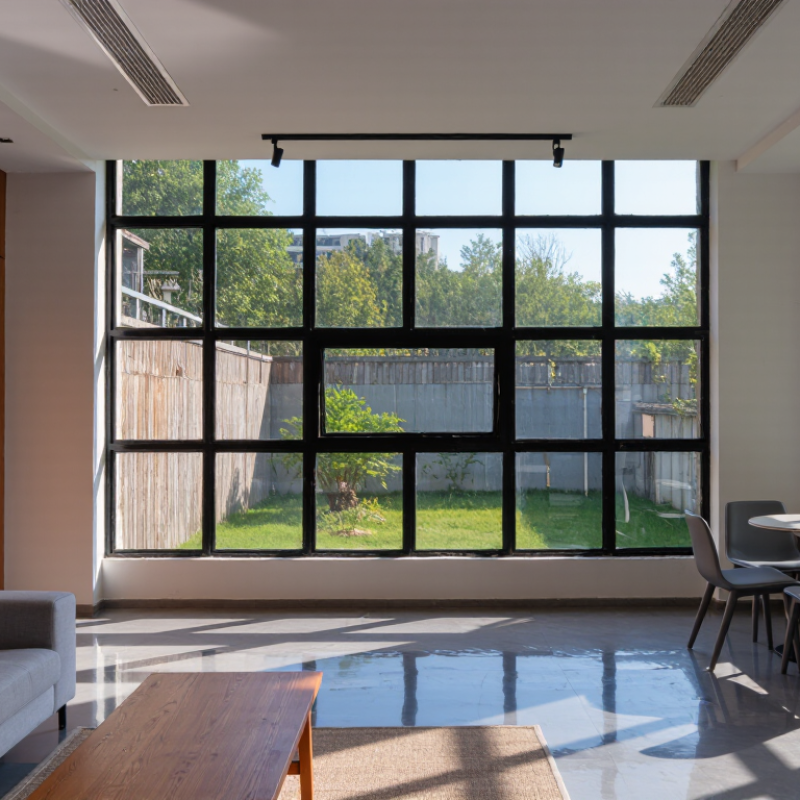
Picture Windows can make a modern home feel larger, brighter, and more connected to its surroundings. They frame a garden, a skyline, or even a quiet courtyard like living artwork. Yet the best choice depends on more than appearance. Glass area, orientation, ventilation, energy performance, and installation quality all influence daily comfort.
Architectural critic John Ruskin wrote, “A window is to a house what an eye is to the human face.” His observation still feels accurate. A well-placed Picture Window can guide daylight across a concrete floor, highlight timber walls, and turn an ordinary breakfast corner into a memorable space. It can also reveal flaws. Glare may overwhelm a television. Afternoon heat may make a room uncomfortable. A beautiful view may become less appealing when privacy disappears at night.
This guide explores ten Picture Windows suited to modern homes, from slim black-framed designs to expansive energy-efficient glass walls. Each option deserves careful attention to frame material, low-emissivity coatings, glazing layers, and local climate demands. Professional measurement matters, especially around older openings where settling may create uneven lines or hidden moisture problems.
Not every recommendation will suit every room. That is the point.
A larger window is not automatically better. Sometimes, a narrower opening creates stronger architecture and more useful wall space. We will consider practical details, visual character, maintenance, and long-term performance. The goal is not simply to find an impressive window, but to choose one that remains comfortable, durable, and convincing years after installation.
What Defines a Picture Window in Modern Home Design
10 Best Picture Windows for Modern Homes?
What Defines a Picture Window in Modern Home Design
A picture window is a large, fixed window designed for uninterrupted views and abundant daylight. It usually has no operating sash, hinges, or visible opening hardware. That simplicity creates clean sightlines across gardens, city views, or double-height living rooms. In modern homes, proportions matter as much as glass size.
The U.S. Department of Energy reports that windows can cause 25–30% of residential heating and cooling energy use. Therefore, the best picture window is not simply the largest one available. Low-emissivity glazing, insulated frames, and careful installation help control heat transfer. National Fenestration Rating Council data also shows why U-factor and solar heat gain coefficient deserve attention. Lower U-factor generally means better insulation. Solar heat gain should match the home’s climate and orientation.
Designers often place picture windows beside narrow operable units. This arrangement preserves a broad view while allowing ventilation and emergency access where required. I prefer that balance in real projects. A completely fixed glass wall may look impressive, but it can feel stagnant on a warm afternoon. The best choices consider daylight, furniture placement, privacy, and maintenance together. Even a beautiful frame can disappoint when afternoon glare fades the room’s comfort. That detail is easy to overlook.
Key Features That Determine Picture Window Quality
10 Best Picture Windows for Modern Homes?
Key Features That Determine Picture Window Quality
A high-quality picture window begins with measured thermal performance, not a dramatic frame. The U.S. Department of Energy reports that windows can account for 25–30% of residential heating and cooling energy use. U-factor indicates heat transfer; lower values usually mean better insulation. In cold climates, a lower U-factor can reduce interior surface chill beside the glass.
Solar Heat Gain Coefficient matters just as much. Lower SHGC can limit summer overheating, while moderate values may provide useful winter warmth. The right figure depends on orientation, shading, and local weather. Visible transmittance affects daylight, but brighter glass can increase glare. Small details matter. Check the full rating label.
Quality also depends on glazing construction and installation. Double glazing is common, while triple glazing may improve comfort in severe climates. Low-emissivity coatings and inert gas fills can reduce radiant heat movement, though performance may decline if seals fail. The National Fenestration Rating Council uses standardized ratings for U-factor, SHGC, visible transmittance, and air leakage. Compare those values across the same product size.
Frame material affects durability, condensation risk, and sightlines. A narrow frame may look elegant but offer less structural stiffness. Air leakage deserves attention, especially around large fixed units. The DOE identifies installation as a major factor in real-world efficiency. Even excellent glass performs poorly with gaps, uneven shims, or weak flashing. I would inspect the perimeter carefully. Ratings are useful, but they are not the whole window.
Ten Picture Window Designs for Contemporary Homes
Contemporary homes often use picture windows as quiet architectural features, not simple glass openings. A slim black-frame picture window creates a sharp contrast against pale walls. A floor-to-ceiling design brings trees, clouds, and changing daylight into the living room. Corner glazing can connect two views, although its junction needs careful structural planning. A horizontal picture window suits low furniture and makes a narrow room feel wider. It works beautifully above a kitchen counter.
Keep the frame clean.
A clerestory picture window placed high on the wall protects privacy while admitting soft light. An arched picture window adds a gentle curve to an otherwise angular façade. A deep-reveal window creates a useful ledge for books, plants, or small objects.
A grouped picture window combines several fixed panels and gives a broad, balanced view. Divided-lite patterns can add rhythm, but too many bars may weaken the modern character. I prefer simple divisions after testing sightlines from seated positions.
A recessed picture window can form a sheltered reading nook, especially with a built-in bench. An oversized central window can anchor an open-plan dining area and frame one deliberate outdoor scene.
Fixed windows do not provide ventilation, so nearby operable units may be necessary. Energy performance also depends on orientation, glazing, shading, and installation quality. South-facing glass may need exterior protection. My own design mistake was choosing a beautiful low sill without considering furniture placement. The view was excellent, but the sofa blocked it.
How to Match Picture Windows with Different Home Styles
Picture windows can make a modern home feel larger, brighter, and more connected to its surroundings. The best choice depends on the home’s proportions, materials, and daily light conditions. A wide, black-framed window suits clean-lined concrete or steel architecture. Its strong outline creates a deliberate focal point. Keep the surrounding walls simple. Too many nearby details can weaken the effect.
For a warm contemporary home, choose a picture window with natural wood trim or a soft neutral frame. It pairs well with timber siding, stone, and muted interior colors. In a mid-century style house, a low horizontal window often reinforces the long roofline. Place it above built-in seating or a dining table for a practical view. Traditional homes need more restraint. A divided design or carefully matched trim can prevent the large glass area from looking out of place.
Consider the view before choosing the size. A window facing mature trees may need less privacy treatment than one facing a neighboring wall. Check afternoon glare, furniture placement, and insulation performance with a qualified professional. I have learned that the biggest window is rarely the best window. A perfect plan on paper can feel uncomfortable after sunset. Sometimes, a slightly smaller opening gives better furniture flexibility and a calmer room. Measure sightlines from seated and standing positions. Small details matter.
10 Best Picture Windows for Modern Homes? - How to Match Picture Windows with Different Home Styles
No.
Picture Window Configuration
Best-Matched Home Style
Typical Design Purpose
Representative Size Range
Recommended Glazing
Indicative Energy Targets
Main Consideration
1
Floor-to-Ceiling Fixed Window
Contemporary, minimalist, and urban homes
Creates a clean glass wall and maximizes daylight and exterior views
Width: 48–120 in Height: 72–120 in
Double or triple insulating glass; low-emissivity coating
Low-e double glazing: U-factor about 0.25–0.30 Triple glazing can reach about 0.15–0.22
Requires careful structural support, flashing, and solar-control planning
2
Wide Horizontal Picture Window
Mid-century modern, ranch, and single-story homes
Emphasizes long landscape views while reinforcing horizontal lines
Width: 60–144 in Height: 36–72 in
Double-pane low-e glass with warm-edge spacer
U-factor about 0.25–0.32 SHGC selected by climate and orientation
Large west- or south-facing areas may need exterior shading
3
Black-Framed Gridless Window
Industrial modern, modern farmhouse, and loft-style homes
Adds strong contrast and an uncluttered architectural appearance
Width: 36–96 in Height: 48–96 in
Low-e insulating glass with thermally improved frame material
Target whole-window U-factor of 0.30 or lower in colder regions
Dark frames can absorb more heat and may require careful installation clearances
4
Corner Picture Window
Modern coastal, hillside, and view-oriented homes
Opens two elevations toward a wider panoramic view
Each leg: 36–84 in wide Height: 48–96 in
Low-e double or triple glazing with reinforced corner detailing
U-factor about 0.20–0.30, depending on frame and glass package
Corner loads, water management, and structural movement need professional design
5
Clerestory Picture Window
Passive-solar, Scandinavian, and modern eco-homes
Introduces daylight high on the wall while preserving privacy
Width: 24–96 in Height: 18–48 in
Low-e glass; choose higher or lower solar gain according to climate
U-factor about 0.20–0.30 Visible transmittance commonly 40% or higher
High windows need accessible cleaning and coordinated daylight control
6
Picture Window with Narrow Side Lites
Transitional modern and updated traditional homes
Provides a broad central view with balanced vertical proportions
Overall width: 60–144 in Height: 48–96 in
Matching low-e glass throughout; fixed side lites improve visual continuity
Use one consistent U-factor and SHGC package across the assembly
Multiple frame joints increase the importance of accurate installation
7
Arched Picture Window
Mediterranean revival, soft contemporary, and statement façades
Adds a sculptural focal point without using an operable window
Width: 36–96 in Height: 48–120 in
Tempered or laminated low-e glass where required by location and code
Performance varies significantly with curved geometry and frame design
Custom shapes generally cost more and require precise field measurements
8
Triangular or Trapezoidal Fixed Window
Geometric modern, A-frame, and dramatic roofline designs
Fills gable ends and highlights unusual architectural angles
Base: 36–120 in Overall height: 24–96 in
Insulating low-e glass; safety glazing may be needed in hazardous locations
Specify certified whole-window values rather than estimating from glass alone
Complex geometry can increase lead time, cost, and installation difficulty
9
Deep-Reveal Picture Window
Warm minimalism, Japandi, and natural-material homes
Uses a recessed opening to create shadow lines and visual depth
Width: 36–120 in Height: 36–96 in
Low-e double glazing with insulated frame and carefully sealed interior trim
U-factor about 0.25–0.32 for many modern double-glazed assemblies
Deep sills can collect condensation or moisture if air sealing is inadequate
10
Picture Window with a Low-Level Privacy Band
Urban modern, compact homes, and street-facing rooms
Maintains daylight and views while reducing direct sightlines at eye level
Width: 36–120 in Height: 48–96 in
Clear low-e glass with translucent, patterned, or electronically controlled lower glazing
Select a whole-window U-factor around 0.25–0.32 where appropriate
Privacy glass can reduce visible transmittance and should be tested in the actual room
Notes: Size ranges are representative planning dimensions, not universal manufacturing limits. U-factor measures heat transfer through the complete window, with lower values generally indicating better insulating performance. SHGC and visible transmittance should be selected according to climate, orientation, shading, and daylight requirements. Always verify local building-code requirements and certified product ratings before specifying a window.
Installation, Energy Efficiency, and Maintenance Considerations
10 Best Picture Windows for Modern Homes?
Picture windows create wide, uninterrupted views, but their performance depends on careful installation. Fixed units usually provide excellent airtightness because they have no moving sash. Low-emissivity glass can reduce winter heat loss and summer heat gain. Double glazing suits many climates, while triple glazing may help in colder regions. The right choice depends on orientation, shading, and local weather patterns.
A professional installer should inspect the rough opening before ordering the window. Small framing errors can cause leaks, drafts, and uneven pressure on the glass. The sill needs a sloped, waterproof pan, especially in wind-driven rain areas. Flashing must overlap correctly. Sealant alone is not a reliable drainage system. That shortcut still appears on some job sites.
Energy performance also depends on the frame. Thermally improved frames reduce cold edges around the glass. However, larger windows can increase solar exposure and cooling demand. Exterior overhangs, screens, or deciduous trees may control glare more effectively than darker glass. Ask for verified U-factor and solar heat gain values, not vague efficiency claims.
Maintenance is simple, but not effortless. Clean the glass with mild soap and inspect perimeter seals twice a year. Check interior corners after heavy rain. Fogging between panes often signals failed insulating seals. It may require sash or glass replacement, not surface cleaning. Repainting or refinishing frames should follow the material manufacturer’s instructions. Even excellent windows perform poorly when drainage paths become blocked.
10 Best Picture Windows for Modern Homes
Installation, energy efficiency, and maintenance considerations based on representative performance values for common frame and glazing configurations.
Energy Efficiency
Lower U-factor indicates better resistance to heat transfer. A moderate SHGC can provide useful winter solar gain, while lower SHGC is generally preferable in hot, sunny climates.
Installation
Large fixed windows require careful structural support, accurate opening measurements, proper flashing, and perimeter air sealing. Oversized units may need specialized handling equipment.
Maintenance
Fixed picture windows have fewer moving parts than operable windows. Inspect sealants, flashing, drainage paths, and insulated-glass seals periodically, and clean exterior glass at least twice a year.
U-factor and SHGC values are representative, dimensionless performance targets for typical residential configurations; final ratings vary with glass, spacer, frame, size, climate, and certification testing.
Cepex is the brand for the fluid handling market belonging to the Fluidra group. One of the leading european manufacturer of valves and fittings in thermoplastic materials.
Dedicated to the swimming pool, irrigation and industrial markets, we distribute our products worldwide with the Fluidra commercial network and presence in 46 countries with 136 sales branches.
Your data will be processed by CEPEX S.A., with address at C. Lluís Companys, 51-53, 08400, Granollers (Barcelona), and C.I.F. nº A-08928707, to send you communications about our products based on your interests. You can consult more information about the processing of your data and how to exercise your rights as described in the Privacy Policy.
Technical cookies are strictly necessary for our website to work and you can navigate through it. These types of cookies are those that, for example, allow us to identify you, give you access to certain restricted parts of the page if necessary, or remember different options or services already selected by you, such as your privacy preferences. Therefore, they are activated by default, your authorization not being necessary in this regard. Through the configuration of your browser, you can block or alert the presence of this type of cookies, although such blocking will affect the proper functioning of the different functionalities of our website.
The analysis cookies allow us to study the navigation of the users of our website in general (for example, which sections of the page are the most visited, which services are used most and if they work correctly, etc.). From the statistical information on navigation on our website, we can improve both the operation of the page itself and the different services it offers. Therefore, these cookies do not have an advertising purpose, but only serve to make our website work better, adapting to our users in general. By activating them you will contribute to this continuous improvement. You can enable or disable these cookies by checking the corresponding box, being disabled by default.
Functionality cookies allow us to remember your preferences, to personalize certain characteristics and general options of our website, every time you access it (for example, the language in which the information is presented to you, the sections marked as favorites, your browser type, etc.) Therefore, this type of cookies does not have an advertising purpose, but by activating them you will improve the functionality of the website (for example, adapting to your type of browser) and the customization of it based on your preferences (for example, by presenting the information in the language that you have chosen in previous occasions), which will contribute to the ease, usability and comfort of our page during your navigation. You can enable or disable these cookies by checking the corresponding box, being disabled by default.
Advertising cookies allow us to manage the advertising spaces included in our website based on criteria such as the content shown or the frequency in which the ads are displayed. For example, if you have been shown the same ad several times on our website, and you have not shown a personal interest by clicking on it, it will not appear again. In summary, by activating this type of cookies, the advertising shown on our website will be more useful and diverse, and less repetitive. You can enable or disable these cookies by checking the corresponding box, being disabled by default.
Behavioral advertising cookies allow us to obtain information based on the observation of your browsing habits and behaviors on the web, in order to show you advertising content that best suits your personal tastes and interests. To understand it in a very simple way, we will give you a fictitious example: if your last searches on the web were related to suspense literature, we would show you advertising about suspense books. Therefore, activating this type of cookies, the advertising that we show you on our website will not be generic, but will be oriented to your searches, tastes and interests, therefore adjusting exclusively to you. You can enable or disable these cookies by checking the corresponding box, being disabled by default. To understand it in a very simple way, we will give you a fictitious example: if your last searches on the web were related to suspense literature, we would show you advertising about suspense books. Therefore, activating this type of cookies, the advertising that we show you on our website will not be generic, but will be oriented to your searches, tastes and interests, therefore adjusting exclusively to you. You can enable or disable these cookies by checking the corresponding box, being disabled by default.
We use our own and third-party cookies to ensure the proper functioning of the website and to analyse our services, improve your experience on our website and show you advertisements related to your interests according to profiling based on your browsing habits (e.g. websites visited). You can accept all cookies by clicking "ACCEPT" or set or reject them by clicking here. If you would like to know more about the use of cookies, please see our COOKIE POLICY.