
7 Best Hot Melt Silicone Manufacturers for Global Buyers
FLUID HANDLING EXPERTS

Blog, all our news

7 Best Hot Melt Silicone Manufacturers for Global Buyers

Hot Melt Silicone is gaining attention wherever manufacturers need flexible bonding, dependable heat resistance, and clean application. Yet it is a specialized category, and buyers should not confuse silicone hot-melt products with conventional hot-melt adhesives. Their processing behavior and performance can differ substantially.

The wider silicone market offers useful context, but not a direct measure of hot-melt silicone demand. Grand View Research’s 2024 Silicone Market Size, Share & Trends Analysis Report estimated the global silicone market at USD 18.5 billion in 2023, with projected annual growth of 6.1% from 2024 to 2030. That figure covers many silicone types and uses. It does not isolate hot-melt formulations. That distinction matters.

For global buyers, choosing a manufacturer means looking beyond a product sheet. A bead applied to a fabric seam, an electronic component, or a coated surface can behave differently under heat and production pressure. Check application temperature, open time, bond strength, substrate compatibility, technical support, and batch consistency. Ask for relevant test data and samples under your own process conditions. Small differences matter.

This guide compares seven manufacturers for buyers assessing product range, technical capability, and international supply. It is a starting point, not a universal ranking. The best fit depends on the material, equipment, and end-use conditions—and public specifications may not answer every question.
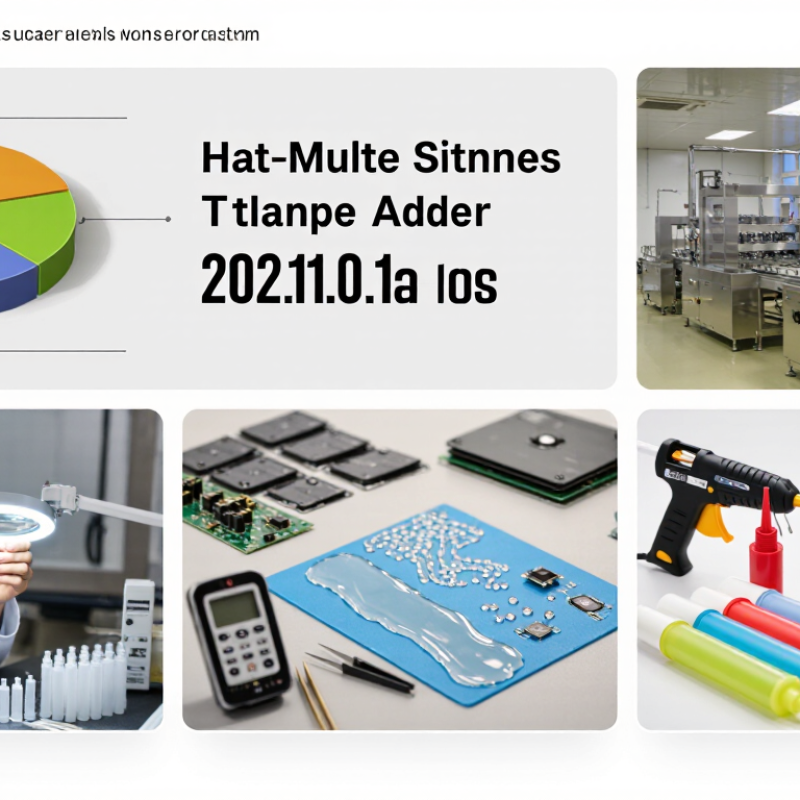
7 Best Hot Melt Silicone Manufacturers for Global Buyers

What Hot Melt Silicone Is and How It Works

Hot-melt silicone describes a family of materials applied warm or molten, then cooled to form a bond or flexible layer. The phrase can be confusing. Not every silicone product is a true hot-melt adhesive: conventional silicone elastomers often cure into networks that do not simply melt again. Formulation matters.

In a typical hot-melt process, equipment heats the material until it flows. A nozzle lays down a narrow bead, perhaps along a fabric edge or a small electronic component. As the material cools, it gains strength without waiting for a long solvent-drying step. Silicone-based formulations can be useful where flexibility, weather resistance, or performance across temperature changes is important. But the precise balance depends on the chemistry and the surfaces being joined. Testing on the actual substrate is essential.

Market reports offer context, not a direct measure of silicone hot melts. Grand View Research valued the global hot-melt adhesives market at about US$7.8 billion in 2023 and projected growth through 2030. Its category covers many chemistries, so that figure should not be read as silicone-specific demand. That distinction is easy to miss. Buyers should check technical data sheets for application temperature, open time, bond strength, and heat-aging results; published figures alone cannot predict line performance.

Key Applications Across Global Industries

Hot-melt silicone materials serve industries that need flexible bonds, clean application, and resistance to heat or weathering. In automotive production, they can help attach interior trim, secure wire harness components, or seal selected parts. A bond near an engine, however, faces different temperatures and vibration than one inside a cabin. Buyers should match the material’s service limits to the actual location, not just its headline heat rating.

Electronics manufacturers may use these materials to bond or protect components where flexibility matters. Textile and appliance producers also apply them in laminations, soft-touch parts, and seals. The right formulation depends on the substrates, production speed, and expected exposure to moisture, oils, or repeated bending. Small details count. A glossy plastic surface may need preparation, while a fabric can absorb adhesive unevenly. That is easy to miss.

For global sourcing, request technical data and test samples under realistic line conditions. Check application temperature, open time, bond strength, and aging behavior. A lab result is useful, but it may not reflect a fast production line or a humid warehouse. Testing takes time. It can also reveal that a lower-cost grade is unsuitable, or that the specification asks for more performance than the application needs.

Criteria for Evaluating Hot Melt Silicone Manufacturers

Choosing a hot melt silicone manufacturer requires evidence beyond a polished catalogue. Check whether technical data sheets state viscosity and test temperature, application temperature, open time, and cure or set behavior. Ask for peel and shear results on your actual substrates, not just generic test panels. A 2024 Grand View Research report estimated the global silicone market at USD 18.7 billion in 2023, with projected growth of 6.4% annually through 2030. That broad market figure does not isolate hot melt silicone, so it cannot validate a supplier’s product claims.

Request recent batch certificates, traceability details, and documented controls for raw materials and production. Confirm that samples represent routine manufacturing, then trial them at your own line speed and temperature. A small change in coating weight can affect tack or bond strength. Check performance after humidity exposure and thermal cycling, especially if parts will face storage or transport extremes. Ask how complaints are investigated and whether corrective actions are recorded.

No checklist is perfect. A tidy datasheet may still miss real production variation. Compare suppliers using the same substrates, conditioning time, and test method; methods aligned with relevant ASTM or ISO standards make results easier to interpret. Review safety and handling documents, technical support response times, and supply continuity plans. Treat certifications as evidence of a managed process, not proof that every batch will suit your application. Keep your own trial notes, including failures; they often reveal more than a successful sample.

7 Best Hot Melt Silicone Manufacturers for Global Buyers – Criteria for Evaluating Hot Melt Silicone Manufacturers
Evaluation criterion Evidence to request What to verify Suggested weight
Product and application fit Technical data sheets (TDS), application guidance, and sample material for the proposed grade. Confirm that the product is a silicone-based hot-melt adhesive suitable for the intended substrates, application method, service environment, and production line. 20%
Performance testing and transparency Test reports that identify the test method, substrates, specimen preparation, conditioning, and results. Compare like-for-like test conditions. Request relevant adhesion, heat-resistance, flexibility, or aging data rather than relying on an unsupported headline value. 20%
Quality management and batch consistency Quality-system documentation, batch inspection records, certificate of analysis where applicable, and a documented process for handling nonconformities. Ask how incoming materials, production batches, and finished goods are controlled, and whether lot traceability is available. 15%
Technical support and trials Written support scope, trial plan, application recommendations, and a process for resolving technical issues. Check whether support covers equipment settings, substrate preparation, line trials, and troubleshooting for the buyer’s specific application. 15%
Regulatory and safety documentation Current safety data sheet (SDS), product documentation, and applicable compliance statements for the intended market and use. Verify that documents match the exact grade and destination market. Requirements depend on the product, application, and jurisdiction. 10%
Supply reliability and export readiness Lead-time estimates, production-capacity information, packaging options, shipping terms, and export-documentation capability. Confirm order planning, shipment handling, packaging suitability, and how delays or supply interruptions are communicated. 10%
Commercial clarity and total cost Itemized quotation covering product price, minimum order quantity, packaging, freight assumptions, payment terms, and quote validity. Compare total delivered cost and purchasing terms, not just the quoted price per unit. Confirm any charges for samples, testing, or special packaging. 10%

This is a buyer evaluation framework, not a ranked list of named companies. Suggested weights are adjustable; product specifications and performance should be verified for the exact grade and application.

Seven Leading Hot Melt Silicone Manufacturers for Global Buyers

Global buyers comparing seven leading hot melt silicone manufacturers should look beyond product labels. A reliable supplier can explain the material’s intended use, application temperature, setting behavior, and compatibility with common substrates. Ask for current technical data and safety documentation. Details matter.

The seven suppliers worth evaluating may differ in formulation range, production capacity, customization, and technical support. Some focus on consistent standard grades; others may adjust tack, flexibility, or heat resistance for specific processes. Request samples and test them on the actual production line, not only on a clean lab surface. Record application settings, bond performance, and any residue after cooling.

A polished brochure is not proof of dependable supply. Check how the manufacturer handles batch traceability, packaging, lead times, and questions from overseas buyers. Ask whether test results reflect the same grade and production conditions you plan to purchase. A shortlist can still mislead when claims are hard to verify. Even small differences in surface preparation or equipment temperature may change results, so document the trial carefully and discuss unexpected failures with the supplier.

How to Compare Suppliers and Choose the Right Manufacturer

Comparing hot melt silicone manufacturers starts with the application, not the sales brochure. Define the substrate, operating temperature, required bond strength, and exposure to moisture or repeated flexing. A supplier should explain how its product behaves under those conditions and provide relevant technical data. That matters. A sample that bonds well to a clean test panel may perform differently on a coated or textured surface.

Compare more than quoted price. Ask for current technical data sheets, batch identification, shelf-life guidance, and details on production quality checks. Request samples from representative batches, then test them using your own process and materials. Track application temperature, open time, bond consistency, and any residue. Ask for evidence. If a manufacturer cannot explain a result or its test method clearly, treat that gap as a risk, not a minor paperwork issue.

Assess production capacity and support, too. Confirm typical lead times, minimum order quantities, packaging options, and how the supplier handles quality complaints. Ask who will help troubleshoot if line speed or adhesion changes. Verify certificates and claims against their stated scope; a certificate alone does not prove product fit. Some comparisons will remain imperfect, especially when suppliers use different test methods. Record those differences, and be cautious about choosing on price before conducting a practical trial.

Copyright 2025 Fluidra S.A. | Created by BCM Marketing Agencia Privacy Policy Legal note | Cookie policy |

Technical cookies are strictly necessary for our website to work and you can navigate through it. These types of cookies are those that, for example, allow us to identify you, give you access to certain restricted parts of the page if necessary, or remember different options or services already selected by you, such as your privacy preferences. Therefore, they are activated by default, your authorization not being necessary in this regard. Through the configuration of your browser, you can block or alert the presence of this type of cookies, although such blocking will affect the proper functioning of the different functionalities of our website.


The analysis cookies allow us to study the navigation of the users of our website in general (for example, which sections of the page are the most visited, which services are used most and if they work correctly, etc.). From the statistical information on navigation on our website, we can improve both the operation of the page itself and the different services it offers. Therefore, these cookies do not have an advertising purpose, but only serve to make our website work better, adapting to our users in general. By activating them you will contribute to this continuous improvement. You can enable or disable these cookies by checking the corresponding box, being disabled by default.


Functionality cookies allow us to remember your preferences, to personalize certain characteristics and general options of our website, every time you access it (for example, the language in which the information is presented to you, the sections marked as favorites, your browser type, etc.) Therefore, this type of cookies does not have an advertising purpose, but by activating them you will improve the functionality of the website (for example, adapting to your type of browser) and the customization of it based on your preferences (for example, by presenting the information in the language that you have chosen in previous occasions), which will contribute to the ease, usability and comfort of our page during your navigation. You can enable or disable these cookies by checking the corresponding box, being disabled by default.


Advertising cookies allow us to manage the advertising spaces included in our website based on criteria such as the content shown or the frequency in which the ads are displayed. For example, if you have been shown the same ad several times on our website, and you have not shown a personal interest by clicking on it, it will not appear again. In summary, by activating this type of cookies, the advertising shown on our website will be more useful and diverse, and less repetitive. You can enable or disable these cookies by checking the corresponding box, being disabled by default.


Behavioral advertising cookies allow us to obtain information based on the observation of your browsing habits and behaviors on the web, in order to show you advertising content that best suits your personal tastes and interests. To understand it in a very simple way, we will give you a fictitious example: if your last searches on the web were related to suspense literature, we would show you advertising about suspense books. Therefore, activating this type of cookies, the advertising that we show you on our website will not be generic, but will be oriented to your searches, tastes and interests, therefore adjusting exclusively to you. You can enable or disable these cookies by checking the corresponding box, being disabled by default.
To understand it in a very simple way, we will give you a fictitious example: if your last searches on the web were related to suspense literature, we would show you advertising about suspense books. Therefore, activating this type of cookies, the advertising that we show you on our website will not be generic, but will be oriented to your searches, tastes and interests, therefore adjusting exclusively to you. You can enable or disable these cookies by checking the corresponding box, being disabled by default.

SAVE

We use our own and third-party cookies to ensure the proper functioning of the website and to analyse our services, improve your experience on our website and show you advertisements related to your interests according to profiling based on your browsing habits (e.g. websites visited). You can accept all cookies by clicking "ACCEPT" or set or reject them by clicking here. If you would like to know more about the use of cookies, please see our COOKIE POLICY.


ACCEPT ALL
Reject no essentials


