
Who Is the Best Harness Connector Manufacturer in China?
FLUID HANDLING EXPERTS

Blog, all our news

Who Is the Best Harness Connector Manufacturer in China?

Choosing the best Harness Connector manufacturer in China takes more than comparing prices or polished catalogs. A dependable supplier should show how its terminals, housings, seals, and locking features perform under real assembly conditions. Ask for material specifications, dimensional checks, crimp validation, and traceable test records. Then compare the evidence, not just the sales claims.

Reliability researcher Michael Pecht is known for work on electronics reliability. A practical editorial summary of that discipline is: “A connector must prove itself in service, not just on a drawing.” This is a summary, not a direct quotation. It points to the details buyers can overlook: a terminal that backs out during vibration, a seal that sits unevenly, or a latch that feels loose after repeated mating. Small details matter.

The right manufacturer should explain its quality controls clearly and answer technical questions with specific records. Look for relevant production experience, consistent inspection methods, responsive engineering support, and samples that match production specifications. Site audits and independent testing can add useful confidence, though neither guarantees perfect performance. No shortlist is perfect. A comparison can still miss a weak point, especially when testing conditions differ. This guide examines what to verify before deciding which Chinese Harness Connector manufacturer best fits your application.
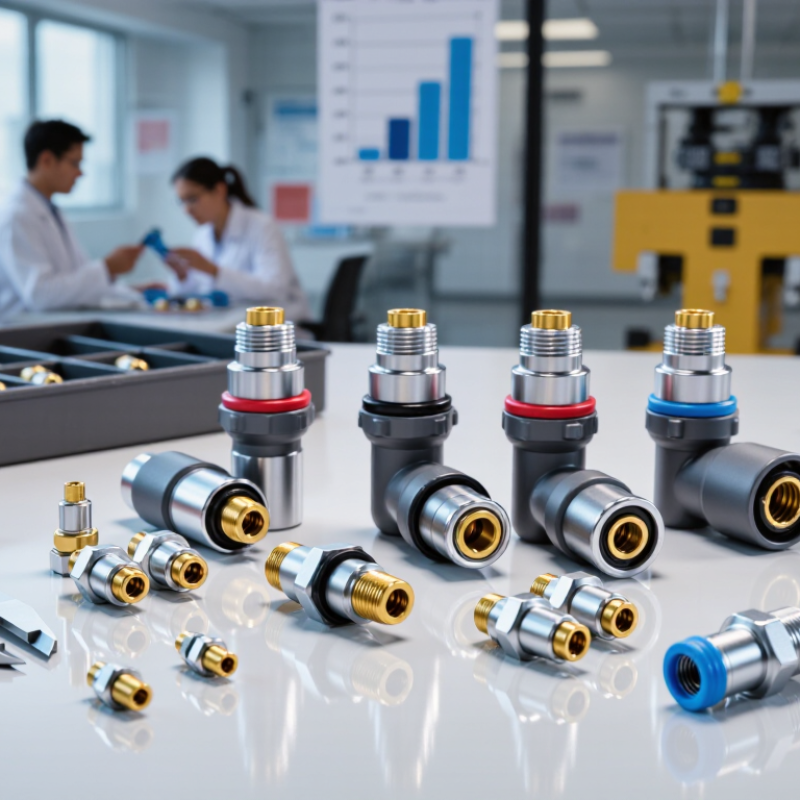
Who Is the Best Harness Connector Manufacturer in China?

Understanding the Harness Connector Manufacturing Industry in China

China’s harness connector industry combines component sourcing, cable processing, tooling, and assembly under one roof in many manufacturing regions. This can shorten development cycles, but supplier capabilities vary widely. A factory that crimps simple terminals may not have the same experience with sealed connectors, complex branching, or tight assembly tolerances.

Details matter. Engineers should review terminal materials, plating, wire ranges, sealing methods, and connector keying before approving a design. On the production floor, controlled crimp height and pull-force checks help reveal weak connections. Continuity testing catches wiring errors; temperature and vibration tests show how assemblies may perform in service. Ask how samples are approved and how changes are recorded. Paperwork matters.

A clean sample can still hide inconsistent production. That is easy to miss. Buyers can request inspection records, traceability examples, and evidence that operators follow the same work instructions across shifts. It is also useful to compare the prototype process with the proposed mass-production setup, including molds, fixtures, and inspection points. Not every supplier will explain these gaps clearly, and buyers may overlook them when schedules are tight. A practical assessment combines technical review, factory communication, and repeatable test results, rather than relying on a polished sample alone.

Key Criteria for Evaluating Chinese Harness Connector Manufacturers

Who Is the Best Harness Connector Manufacturer in China?

Key Criteria for Evaluating Chinese Harness Connector Manufacturers

Choosing a Chinese harness connector manufacturer takes more than comparing unit prices. The useful question is whether its process can repeatedly match your drawings, material requirements, and delivery needs. Small details matter. Ask for current drawings, terminal specifications, plating details, and sample records. Compare samples against the same checklist, including wire pull strength, fit, and resistance readings. A neat sample is encouraging, but it does not prove stable production.

Check how the supplier controls incoming materials, crimp tooling, inspection frequency, and lot traceability. Request test reports and clarify how failures are contained and corrected. If production is outsourced, ask which steps are involved and who owns quality decisions. Vague answers deserve follow-up. Capacity matters too: verify lead times, minimum order quantities, and how changes are handled after approval. A factory visit or independent audit can reveal gaps that brochures hide, though neither guarantees every shipment will be perfect.

Communication is another practical test. Send a drawing question and note whether the reply is specific, documented, and timely. Discuss tooling charges, packaging, replacement terms, and forecast flexibility before placing a large order. Do not choose on the lowest quote alone; compare total cost, consistency, and engineering support. No checklist removes every risk. Some buyers overvalue certificates and undervalue clear corrective-action records; that is worth reconsidering.

Comparing Manufacturers by Quality, Capabilities, and Certifications

Comparing harness connector manufacturers takes more than checking catalog photos. Quality should be visible in consistent crimping, clean seals, and stable electrical continuity. Ask for inspection records, material specifications, and sample test results. Details matter. A useful sample review includes wire pull tests, pin retention checks, and inspection under magnification.

Capabilities vary widely. Some factories handle only standard assemblies, while others can support custom drawings, prototypes, tooling, and small production runs. Ask how they control design changes and trace each batch. A clear answer should identify who approves revisions and how operators receive updated work instructions. ISO 9001 or IATF 16949 certification can indicate structured quality processes, but a certificate alone cannot prove every shipment is consistent. Verify its scope and validity.

Request evidence that matches the intended application, such as temperature, vibration, or water-ingress test reports. Compare the test conditions with the actual operating environment; a generic report may not tell you much. Factory audits can reveal practical habits, including how parts are stored and how rejected crimps are handled. Even a careful audit has limits. One weak point is easy to miss, so review early production samples and agree on measurable acceptance criteria before scaling up.

How to Verify a Manufacturer’s Experience and Production Reliability

Who Is the Best Harness Connector Manufacturer in China?
How to Verify a Manufacturer’s Experience and Production Reliability

A dependable supplier proves its experience with records, not polished samples alone. Ask for comparable harness projects, process flow charts, and traceability from incoming terminals to finished assemblies. Check whether operators can explain crimp-height limits and how out-of-range results are handled. Paper claims are easy. During a factory visit, inspect crimp cross-sections, pull-test records, continuity-test logs, and calibration labels. These details reveal whether quality checks happen routinely or only during audits. Grand View Research estimated the global automotive wiring harness market at about US$51.7 billion in 2023, with continued growth projected through 2030. In a busy market, production evidence matters more than a large capacity figure.

Reliability also depends on how the factory manages change. Request recent on-time delivery data, defect trends, and examples of corrective actions. Compare stated capacity with shift schedules, machine availability, and actual output records. Ask how the supplier handles a sudden shortage of a specified terminal. A strong answer should identify controls and alternatives, not promise that nothing will go wrong. One audit cannot predict every future issue; repeat checks are worthwhile.

Tips: Request a small pilot lot before scaling. Verify labels, dimensions, and test reports against your drawing. Keep one unresolved question in your audit notes, then ask for evidence.

Choosing the Best Harness Connector Manufacturer for Your Needs

Choosing the best harness connector manufacturer for your needs starts with the application, not the sales pitch. Define the operating temperature, vibration exposure, current load, wire size, and installation space. A connector used near an engine needs different materials and sealing than one inside a dry control cabinet. Clear requirements make supplier comparisons more meaningful.

Ask how terminals, housings, and seals are inspected during production. Request sample parts, dimensional reports, and relevant electrical test results. Check whether the manufacturer can explain crimp-height control, pull-force testing, and contact resistance in practical terms. A polished brochure is not proof. Look for traceable quality records and consistent answers from engineering and production teams. Also discuss tooling ownership, production capacity, and how design changes are documented.

A capable factory can still miss a detail when drawings are vague. Share a real harness layout, then review the proposed connector fit, wire range, and assembly steps together. Pay attention to response time and how questions are handled; these often reveal more than a quoted price. Samples may fit on a desk but fail after repeated vibration or temperature cycling. Test them in conditions that reflect actual use before approving volume production.

Copyright 2025 Fluidra S.A. | Created by BCM Marketing Agencia Privacy Policy Legal note | Cookie policy |

Technical cookies are strictly necessary for our website to work and you can navigate through it. These types of cookies are those that, for example, allow us to identify you, give you access to certain restricted parts of the page if necessary, or remember different options or services already selected by you, such as your privacy preferences. Therefore, they are activated by default, your authorization not being necessary in this regard. Through the configuration of your browser, you can block or alert the presence of this type of cookies, although such blocking will affect the proper functioning of the different functionalities of our website.


The analysis cookies allow us to study the navigation of the users of our website in general (for example, which sections of the page are the most visited, which services are used most and if they work correctly, etc.). From the statistical information on navigation on our website, we can improve both the operation of the page itself and the different services it offers. Therefore, these cookies do not have an advertising purpose, but only serve to make our website work better, adapting to our users in general. By activating them you will contribute to this continuous improvement. You can enable or disable these cookies by checking the corresponding box, being disabled by default.


Functionality cookies allow us to remember your preferences, to personalize certain characteristics and general options of our website, every time you access it (for example, the language in which the information is presented to you, the sections marked as favorites, your browser type, etc.) Therefore, this type of cookies does not have an advertising purpose, but by activating them you will improve the functionality of the website (for example, adapting to your type of browser) and the customization of it based on your preferences (for example, by presenting the information in the language that you have chosen in previous occasions), which will contribute to the ease, usability and comfort of our page during your navigation. You can enable or disable these cookies by checking the corresponding box, being disabled by default.


Advertising cookies allow us to manage the advertising spaces included in our website based on criteria such as the content shown or the frequency in which the ads are displayed. For example, if you have been shown the same ad several times on our website, and you have not shown a personal interest by clicking on it, it will not appear again. In summary, by activating this type of cookies, the advertising shown on our website will be more useful and diverse, and less repetitive. You can enable or disable these cookies by checking the corresponding box, being disabled by default.


Behavioral advertising cookies allow us to obtain information based on the observation of your browsing habits and behaviors on the web, in order to show you advertising content that best suits your personal tastes and interests. To understand it in a very simple way, we will give you a fictitious example: if your last searches on the web were related to suspense literature, we would show you advertising about suspense books. Therefore, activating this type of cookies, the advertising that we show you on our website will not be generic, but will be oriented to your searches, tastes and interests, therefore adjusting exclusively to you. You can enable or disable these cookies by checking the corresponding box, being disabled by default.
To understand it in a very simple way, we will give you a fictitious example: if your last searches on the web were related to suspense literature, we would show you advertising about suspense books. Therefore, activating this type of cookies, the advertising that we show you on our website will not be generic, but will be oriented to your searches, tastes and interests, therefore adjusting exclusively to you. You can enable or disable these cookies by checking the corresponding box, being disabled by default.

SAVE

We use our own and third-party cookies to ensure the proper functioning of the website and to analyse our services, improve your experience on our website and show you advertisements related to your interests according to profiling based on your browsing habits (e.g. websites visited). You can accept all cookies by clicking "ACCEPT" or set or reject them by clicking here. If you would like to know more about the use of cookies, please see our COOKIE POLICY.


ACCEPT ALL
Reject no essentials


